Perception, situation assessment and decision making, particularly regarding reaction time and changes in driving behavior caused by alcohol, medications, consciousness and fatigue
47 questions in this category
This category covers how perception, decision-making, and reaction time are affected by alcohol, drugs, medications, fatigue, and emotional states. Poland has very strict drink-driving laws with a legal blood alcohol content (BAC) limit of 0.2 per mille (0.02%), which is effectively zero tolerance. Understanding reaction time calculations and impairment effects is essential for the exam.
Why This Category Matters on the Exam
Expect 2-4 questions on impairment and perception, including mathematical questions about reaction time and stopping distances. Poland's near-zero alcohol limit means any drinking before driving is effectively illegal, and the exam tests knowledge of penalties and effects at various BAC levels. These questions also test understanding of how fatigue mimics alcohol impairment.
Common Mistakes and Tips
Poland's BAC limit of 0.2 per mille is one of the strictest in Europe (for comparison, the UK allows 0.8 per mille). Even one small beer can put you over the limit. The exam tests reaction time calculations: at 50 km/h, a vehicle travels approximately 14 meters per second, and average reaction time is 1 second, meaning you travel 14 meters before even beginning to brake. Many candidates underestimate the compounding effect of fatigue, which after 17 hours of wakefulness produces impairment equivalent to a BAC of 0.5 per mille. Medications that cause drowsiness (marked with a triangle on the packaging) make it illegal to drive. The exam often asks about signs of fatigue (frequent yawning, lane drifting, delayed reactions) and the correct response: stop driving immediately and rest, as opening windows or turning up music provides only momentary relief.
When driving a vehicle, does your ability to perceive road signs and signals improve with time?
B: No
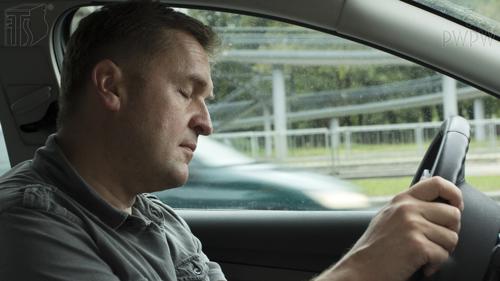
When driving in a state of emotional arousal, does your ability to concentrate decrease?
A: Yes

Does the vehicle driver have a better ability to asses the risk on the road after using a small amount of drugs?
B: No
Does the vehicle driver have difficulties in simultaneous performance of two or more activities at the same time after alcohol consumption?
A: Yes
Can the consumption of amphetamines increase the driver's tendency of risky and aggressive behaviour?
A: Yes
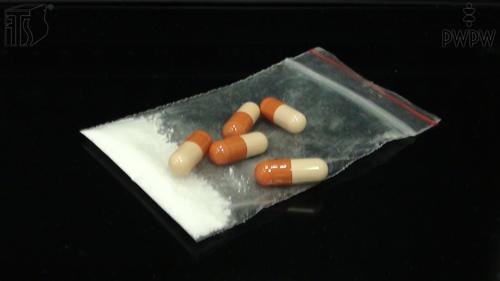
Can the use of tranquilisers and sleeping pills affect the driver's control of the trajectory of the car?
A: Yes
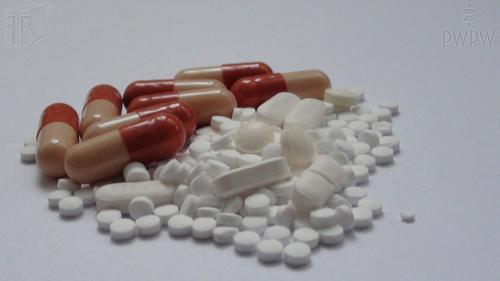
Can consuming alcohol affect a driver's field of vision?
A: Yes
Do psychoactive substances (such as "speed") affect the ability of safe driving in even the most experienced drivers?
A: Yes
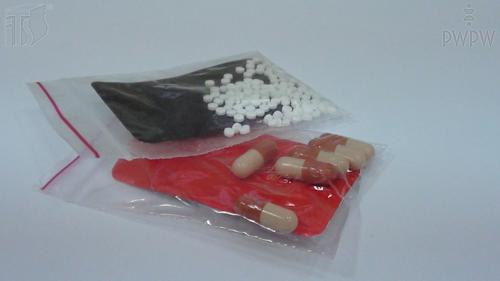
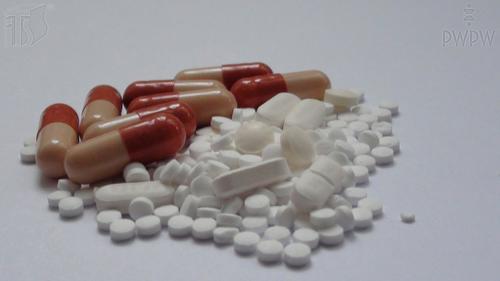
If you intend to drive a vehicle after taking medications, should you make sure that they do not adversely affect your psychophysical condition?
A: Yes
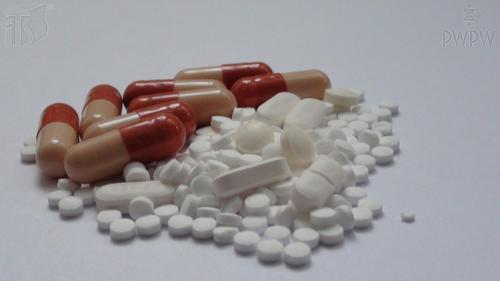
If you start feeling tired and drowsy during a long trip, should you continue driving?
B: No
When driving in a state of emotional arousal, does the precision and accuracy of your reactions in dangerous situation improve?
B: No
.jpg)
Are you allowed to drive a vehicle if the presence of alcohol in your breath exceeds 0.1 mg/dm³?
B: No
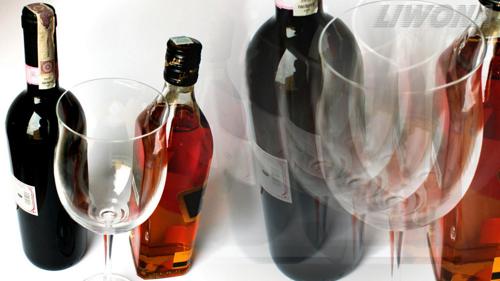
Are you entitled to drive a vehicle if the blood alcohol concentration in your body exceeds 0.2 ‰?
B: No
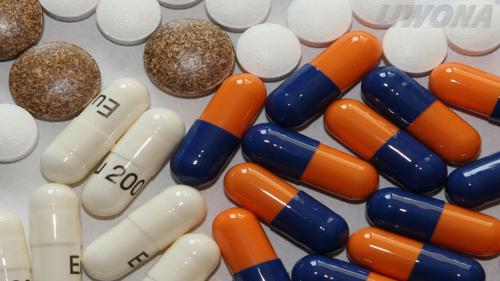
Are you entitled to drive a vehicle after any drug available without a prescription?
B: No
Is driving a vehicle under the influence of alcohol subject to violation?
A: Yes
You are driving at 110 km/h. Are you required in this situation to reduce your speed?
B: No

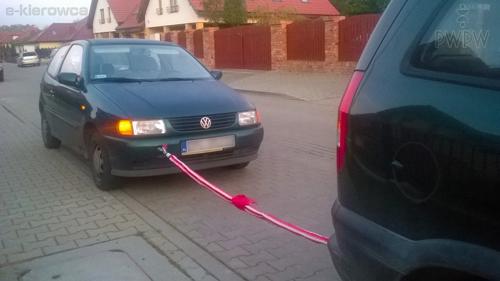
Are you allowed to haul a vehicle being driven by an intoxicated person?
B: No
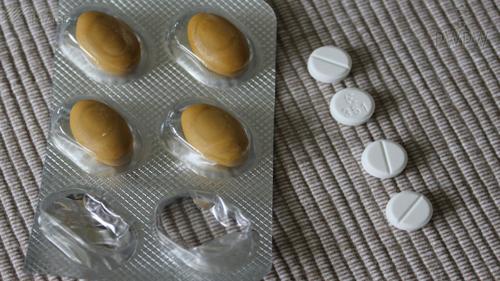
Can taking soporifics or sedatives affect the capability of driving a vehicle?
A: Yes
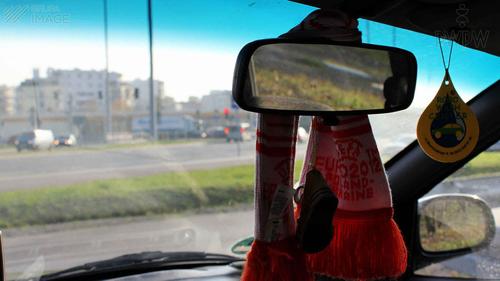
Can placing decorative elements in such a way limit visibility of the road and distract the driver’s attention?
A: Yes
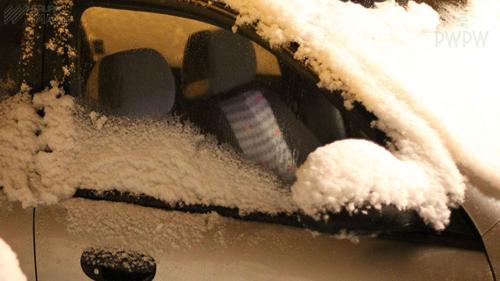
Can snow-covered windows and mirrors on the car you are going to drive affect your assessment of the situation on the road?
A: Yes
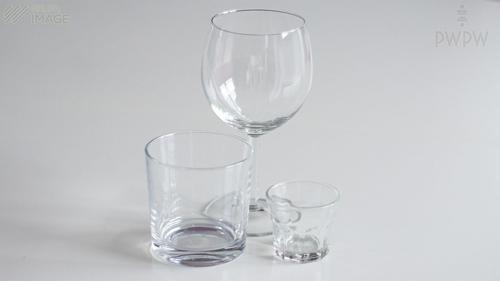
Should you refrain from driving a vehicle in the morning, if the night before you consumed a large amount of alcohol?
A: Yes
If you approach a railway crossing on a motorcycle, how will you make sure that a train is not approaching?
B: By turning the head and observing the railway line directly.
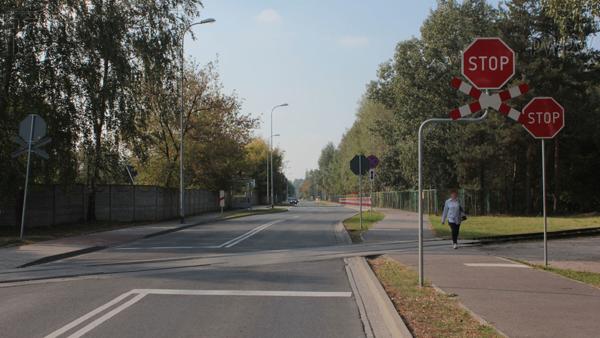
If you approach a railway crossing on a moped, how will you make sure that a train is not approaching?
B: By turning your head and observing the railway line directly.
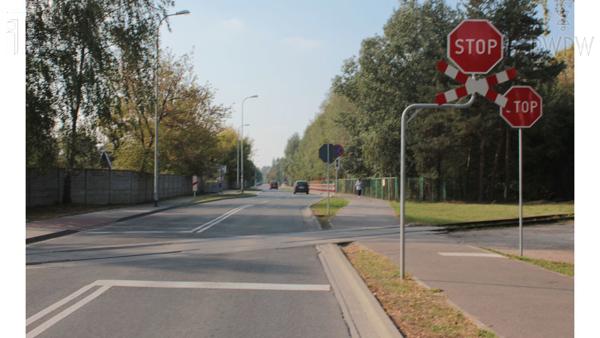
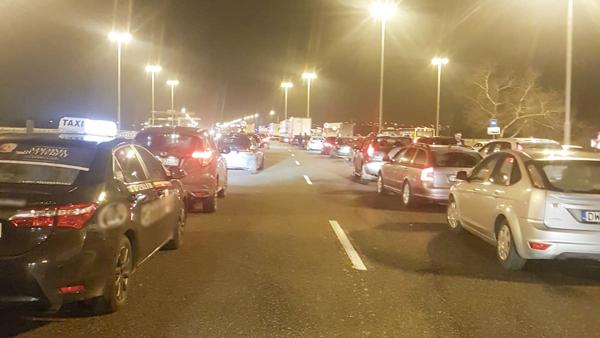
In the presented situation, do the drivers of the red and green vehicles in compliance with the regulations ensure the passage of the emergency vehicle by creating the so-called "emergency corridor"?
B: No

In the presented situation, did the drivers, in accordance with the regulations, facilitate the free passage of the emergency vehicle, by creating the so-called "emergency corridor"?
A: Yes

Do all drivers properly ensure the free passage of the emergency vehicle?
B: No
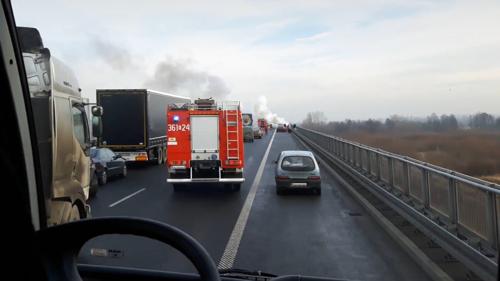
Can the emergency route created as shown in the picture for an emergency vehicle be used by the driver of an emergency roadside assistance vehicle taking part in a rescue operation?
A: Yes
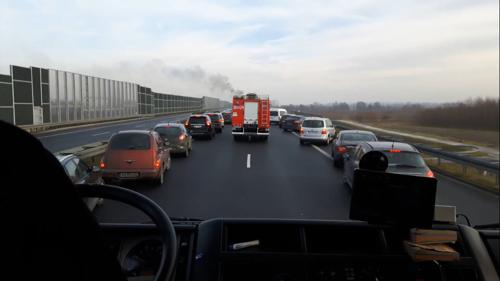
Did the driver of the white vehicle in the left lane properly facilitate the passage of the emergency vehicle?
A: Yes

In the presented situation, can the yellow road assistance vehicle taking part in the rescue operation drive on the passage for emergency vehicles?
A: Yes
In this situation, is the driver of vehicle 1 obliged to move away from the passage for the emergency vehicle?
A: Yes

In this situation, is the driver of vehicle 1 obliged to drive to the right?
A: Yes
By stopping at this spot, has the driver of the truck complied with the existing regulations?
B: No

Did the drivers clear the way for the emergency vehicle in accordance with applicable regulations?
B: No

Are you allowed to drive within "emergency corridor" created by other drivers, if you are driving a single-track vehicle?
B: No
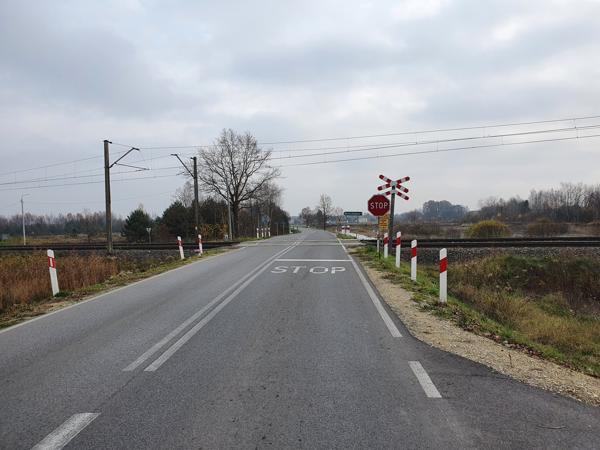
In this situation, are you obliged to stop the vehicle before the level crossing?
B: No

Are you obliged to exercise extreme caution at a level crossing marked as such?
A: Yes
Are you obliged to exercise extreme caution at a level crossing marked as such?
A: Yes

In this situation, are you obliged to exercise extreme caution?
A: Yes
In this situation, can you drive through the level crossing without stopping?
A: Yes
Can you drive through a level crossing without stopping if a train is not approaching?
B: No
When turning right, are you obliged to make sure that no rail vehicle is approaching?
A: Yes
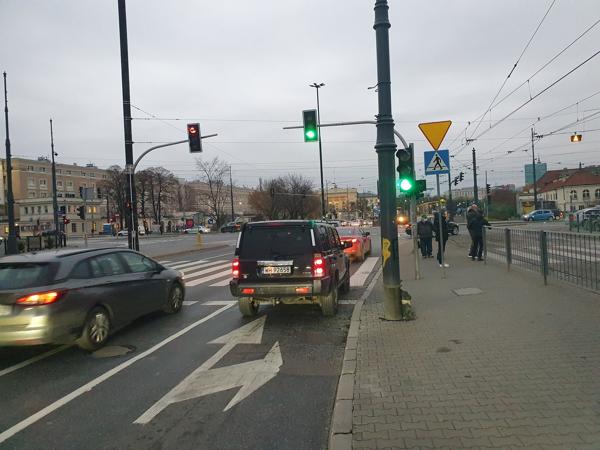
When turning right, are you obliged to give priority to the rail vehicle?
A: Yes
Are you always obliged to stop before this crossing?
A: Yes
In this situation, are you driving into a multi-track level crossing?
A: Yes
In the situation presented, are you arriving at a single-track crossing?
B: No
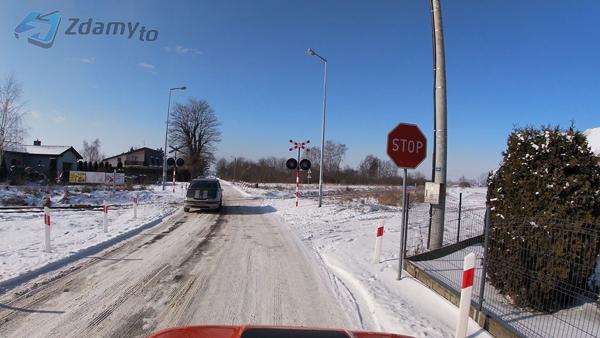
Are you obliged to stop your vehicle before the STOP sign when approaching a level crossing in the presented situation?
B: No