Different fields of vision for drivers
80 questions in this category
This category covers how a driver's visual field works, including central and peripheral vision, blind spots, and the effects of speed on visual perception. Proper mirror adjustment, head checks, and systematic scanning techniques are essential for safe driving. Understanding these concepts helps explain why certain accidents occur and how to prevent them.
Why This Category Matters on the Exam
Expect 1-3 questions about visual perception and blind spots, often presented as scenarios where a driver fails to see another road user. The exam tests whether you understand the physiological limitations of human vision and how to compensate for them through proper technique. These questions often relate directly to accidents involving cyclists and motorcyclists.
Common Mistakes and Tips
At higher speeds, the visual field narrows significantly: at 40 km/h you have approximately 100 degrees of peripheral vision, but at 130 km/h this narrows to about 30 degrees (tunnel vision). Many candidates do not realize this reduction is automatic and cannot be consciously overcome. The A-pillar blind spot is large enough to completely hide a pedestrian or cyclist at intersection approaches, which is why head movement is essential before turning. Proper mirror adjustment in Poland follows the same principle as elsewhere: you should barely see the side of your own vehicle in the side mirrors. The interior mirror should frame the entire rear window. A critical exam point is that mirrors do not eliminate blind spots, they only reduce them. Before any lateral movement (lane change, turning, merging), a quick shoulder check is mandatory. At night, vision is reduced to what headlights illuminate, making peripheral hazards invisible.
What is the influence of the speed of driving on the field of view of a passenger car driver?
A: When the speed increases the field of view narrows down.
Which of the following factors may restrict the field of view of a passenger car's driver?
C: Blinding lights of other oncoming vehicles.
Which of the following factors may restrict the field of view of a passenger car's driver at night?
C: Improperly adjusted lights.
Which of the following factors may restrict the field of view of a passenger car's driver?
C: Driving when being intoxicated.
Which of the following factors may restrict the field of view of a passenger car's driver?
A: The driver's seat mounted too low.
What is the influence of the speed of driving on the angle of view of a passenger car's driver?
B: The higher the speed the smaller the angle of view.
What should you pay special attention to while reversing the car?
A: Any objects which are around and which are approaching the car.
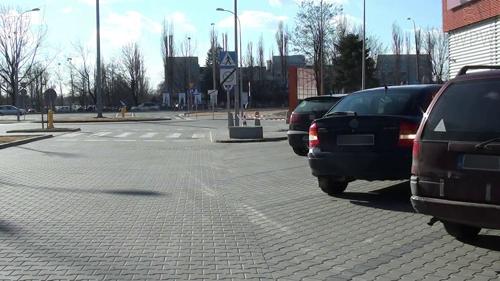
In what way should you observe your surroundings while driving on a motorway?
C: Look to the front and from time to time monitor the road behind the vehicle using the side mirrors.
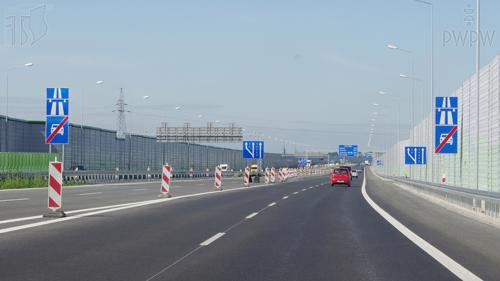
When can you return to the right lane after you complete the overtaking manoeuvre on a one-way road with two lanes?
C: After you've made sure that this will not force the driver of the overtaken car to brake or change its trajectory of driving.
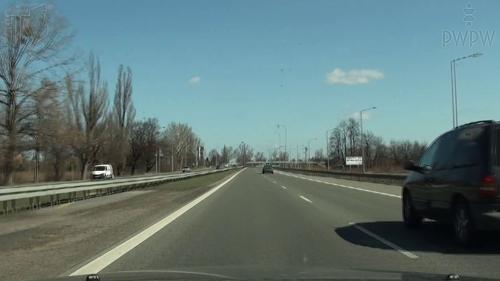
What position behind the wheel will help to reduce the effect of the so-called blind spot in the mirrors which occurs when you watch the road?
B: Dynamic - bending your body and head away from the seat, as required by the circumstances.
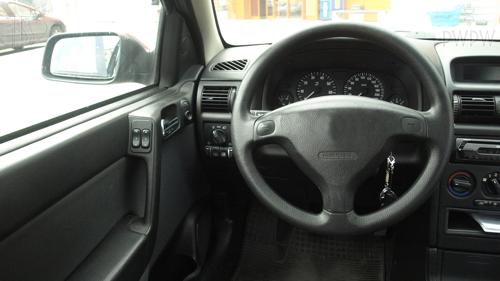
How should you behave before you start overtaking in good visibility in order to ensure that you have sufficient visibility of the road?
B: I will keep a sufficient distance from the car in front of me to allow me to watch the road.
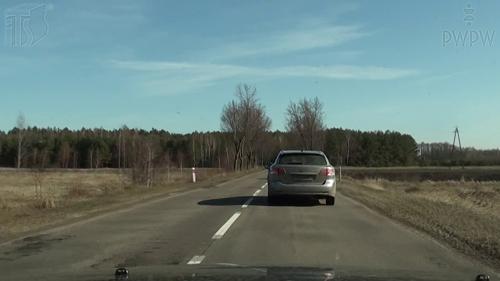
How should you observe the road when you drive the car in the road traffic?
A: In such a way as to get a wide field of vision.
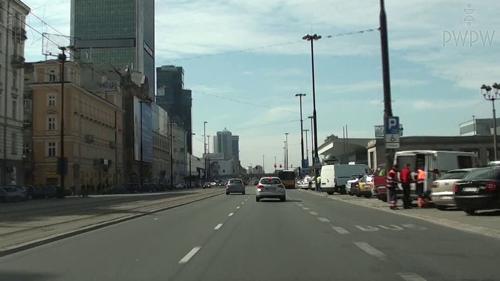
What should you see in a properly-positioned rear-view mirror?
C: The rear car window and the road behind the car.
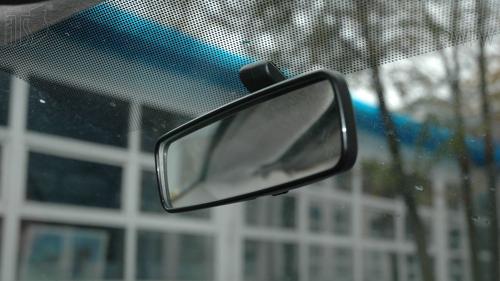
How should you properly position the rear-view mirror?
B: In such a way as to see the rear car window and the road behind the car.
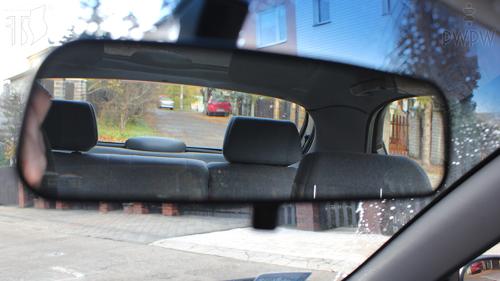
Which of these factors dependent on the vehicle driver has a significant influence on the driver's vision?
C: Attention span, current well-being and health.
What influence does driving speed have on the vehicle driver's field of vision?
A: As speed increases, the field of view narrows
What should you do in this situation?
B: You should remain on the traffic lane you are taking.
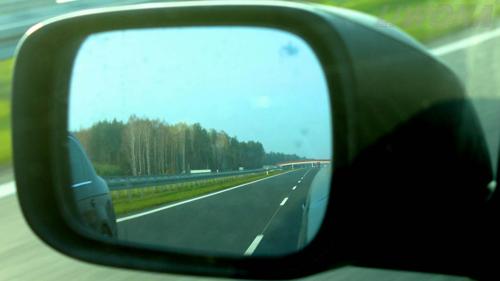
Does the towed vehicle have an effect on the field of vision of the driver?
C: It has an effect on limiting the field of vision.
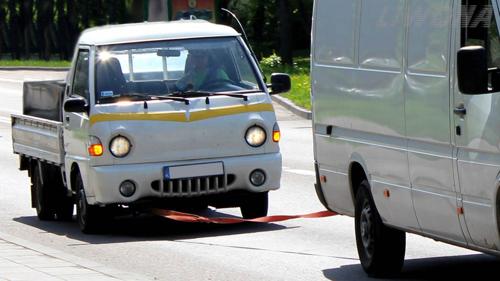
Does the transparency of windscreen have an influence on the field of vision of the driver?
A: It has an effect on limiting the field of vision.
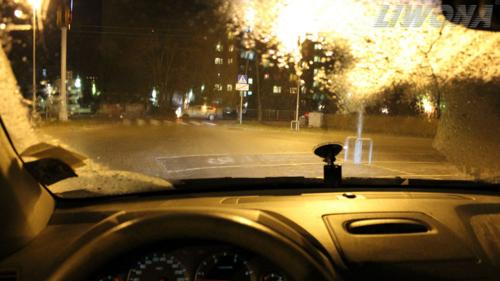
What factor causes a decrease in a vehicle drivers's field of vision?
A: High speed.
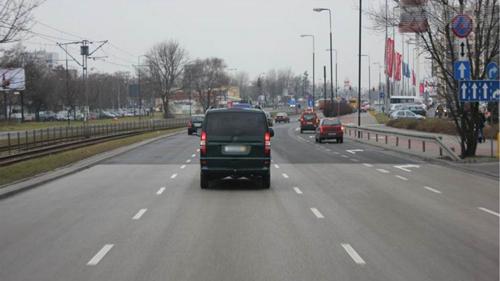
What factors influence the improvement of the field of vision?
B: Decrease in vehicle speed.
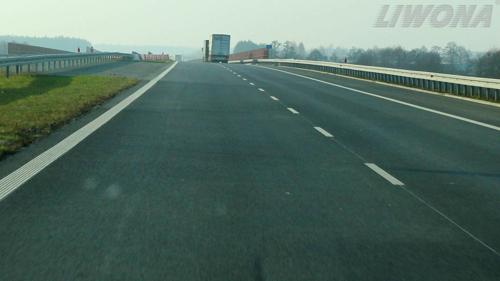
Which of the following road elements should you observe when driving on the highway?
B: The entire roadway and hard shoulder in front and behind the vehicle.
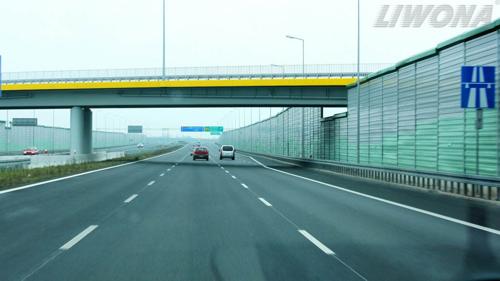
How should the external mirrors of the passenger car be positioned?
C: Such that a fragment of the side of the car and and the road behind is visible in the mirror.
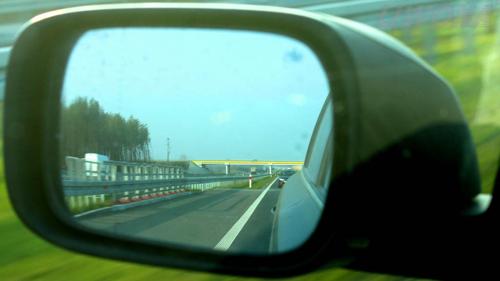
In what way does the speed of the car affect the field of vision?
A: The field of vision decreases along with an increase in speed.
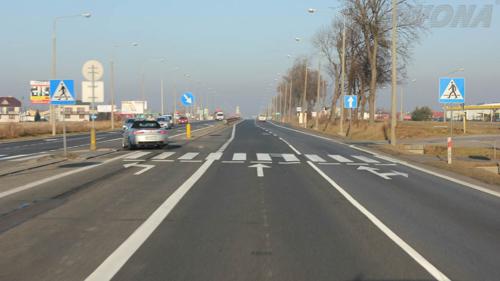
When riding a motorcycle you participate in a road accident in with a person got injured. Do you need to abide by the prohibition to remove the vehicle from the scene of the accident?
A: Yes
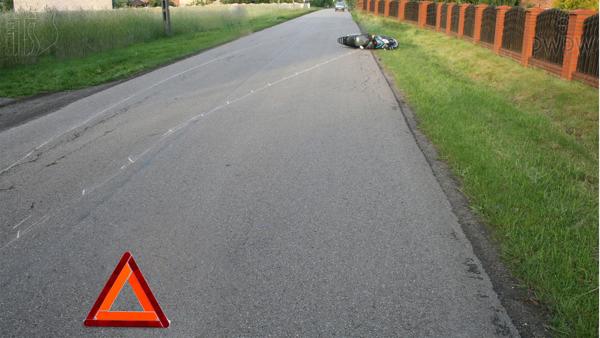
Should you move the damaged motorcycle onto the hard shoulder in this situation?
A: Yes
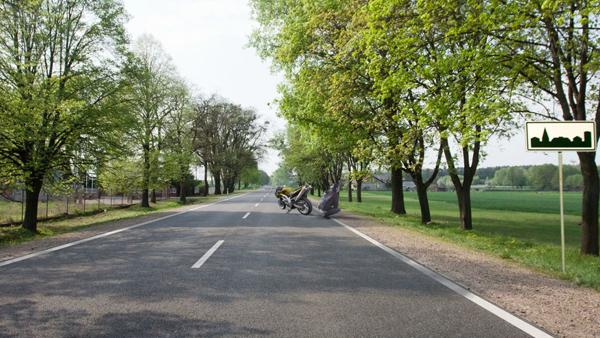
Should you move the motorcycle which broke down onto the hard shoulder in this situation?
A: Yes
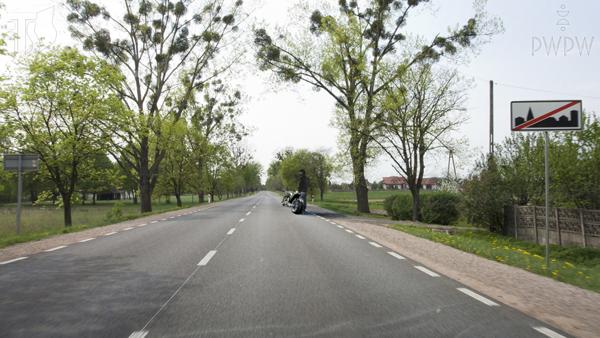
Are you obliged to move the motorcycle which got damaged in this place, to the emergency lane?
A: Yes
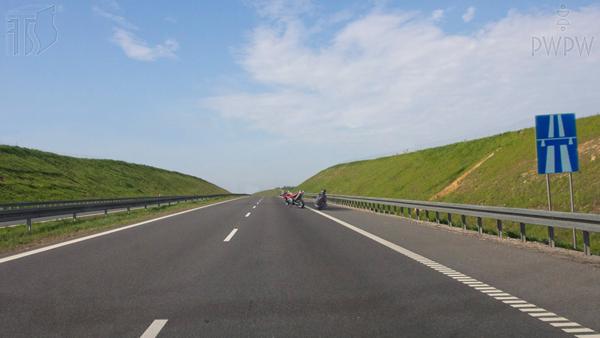
Are you obliged to move the motorcycle which got damaged in this place, to the emergency lane?
A: Yes
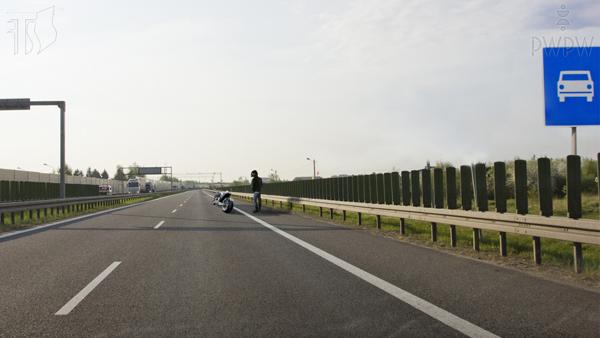
Is it advisable to use a powder extinguisher to stifle burning fuel e.g. after a collision with a car?
A: Yes
When you drive a tram, can you leave the scene of a road accident, in which there is an injured person so as not to obstruct traffic?
B: No
As a participant in a road accident are you obliged to take measures to ensure safety at the scene of the incident?
A: Yes
As a tram driver, are you obliged to provide your personal details to a passenger involved in the accident?
A: Yes
Are you obliged to provide details of the company you work for and details of the insurance company to a passenger who is involved in the accident?
A: Yes
As a tram driver, regardless of whether you have been trained or not, are you obliged to provide necessary assistance to the victims of the accident?
A: Yes
If are involved in an accident in which persons were killed or injured, are you obliged to leave the scene of the accident, upon arrival of the traffic control services?
B: No
If you are involved in an accident, in which people are killed or injured, are you allowed to start removing its effects - clean, prepare the tram for towing etc.?
B: No
If you participate in a road accident in which people are injured, are you obliged to immediately stop the tram, without posing any threats?
A: Yes
If possible, are you obliged to remove the tram from an accident scene, in which there are no casualties or injured persons?
A: Yes
If you are involved in an accident, are you obliged to provide your personal details at the request of a passenger, who is also involved in the incident
A: Yes
If you are involved in a road accident, are you obliged to notify the police if there are no casualties or injured persons?
B: No
If you are involved in a road accident, are you obliged to notify the police and call the paramedics if there are casualties and injured persons?
A: Yes
What should you do if as a result of a traffic accident, fuel leaking from the damaged vehicles gather around the tram?
A: Disconnect the pantograph from the grid and evacuate the passengers to a safe place.
You drive a rail vehicle. How will you behave when you notice a fire in the electrical installation?
A: I will stop the vehicle, open the door to evacuate the passengers, disconnect the pantograph from the rail grid and proceed to extinguish the fire.
Is everyone obliged to administer first aid to victims of accidents?
B: Yes, because one can independently perform some of the first-aid activities.
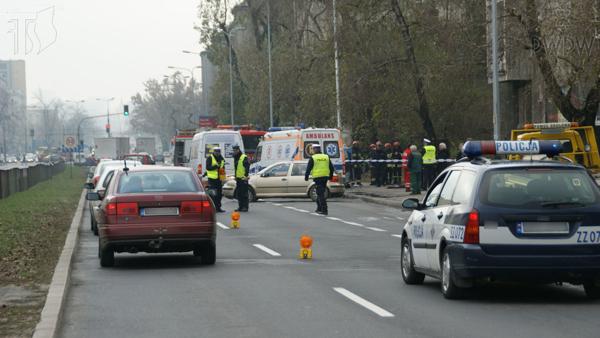
What should you do, if a victim of an accident regains consciousness and wants to go home after a few minutes?
B: I should encourage the victim to stay, watch the victim carefully and call medical help.
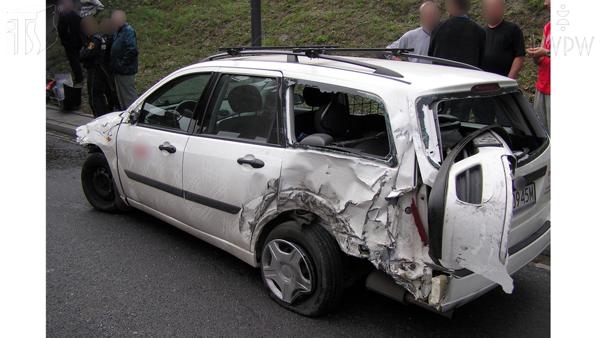
Which of the following numbers should you call in order to call an ambulance to the scene of a road accident?
C: 999
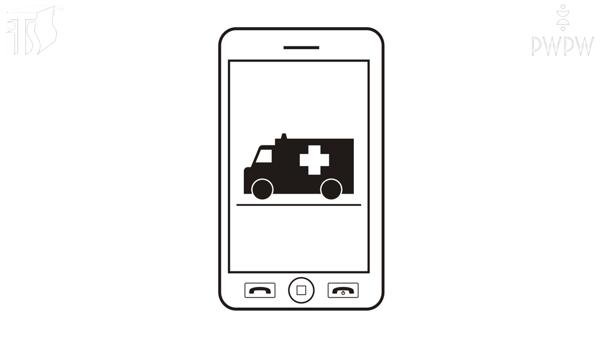
Is everyone obliged to administer first aid to victims of accidents?
B: Yes, because one can independently perform some of the first-aid activities.
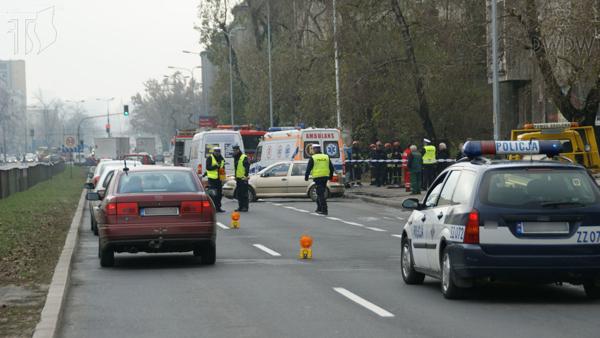
What should you do, if a victim of an accident regains consciousness after a few minutes and wants to go home?
B: I should encourage the victim to stay, watch the victim carefully and call for medical help.
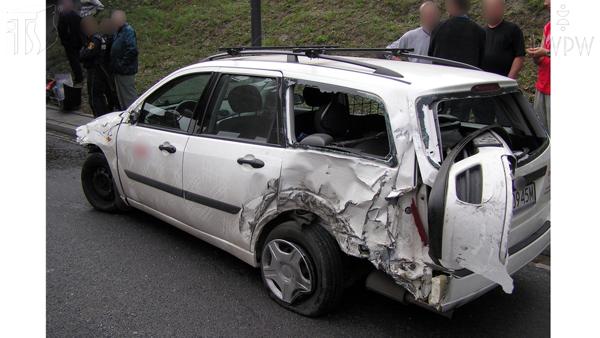
What should you do in the event of an aggressive behaviour of a passenger towards you or other passengers, making it difficult for you to drive?
B: Stop the vehicle and call the relevant forces.
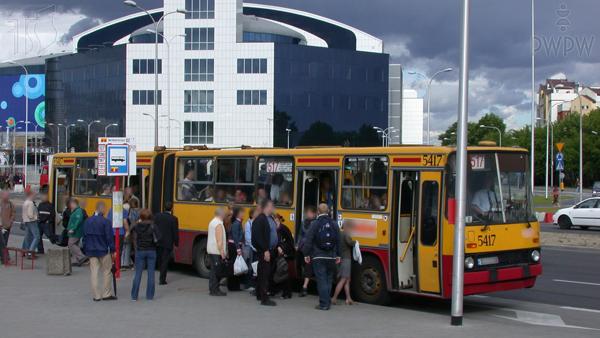
At what distance behind the vehicle should you place a warning triangle in order to secure an accident scene on an express road?
A: 100 m.
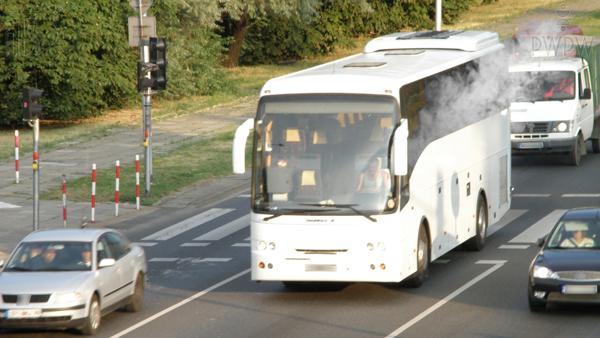
What should you primarily take care of in the event of a fire in the bus you are driving?
A: My safety and that of my passengers'
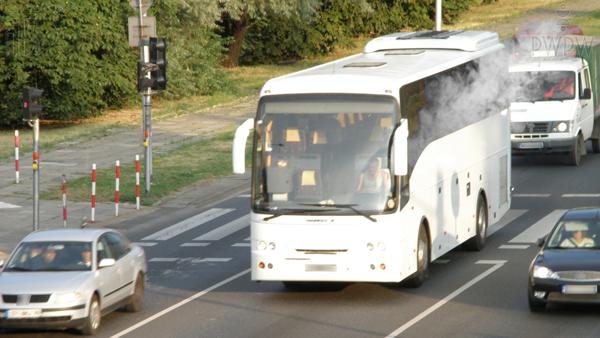
How should you behave in case of a fire inside a bus during the journey?
C: Stop the vehicle, switch off the engine and start evacuating passengers.
If you are involved in a road accident in which there are injured persons, are you allowed to move away from the scene of the incident after calling the emergency services?
B: No
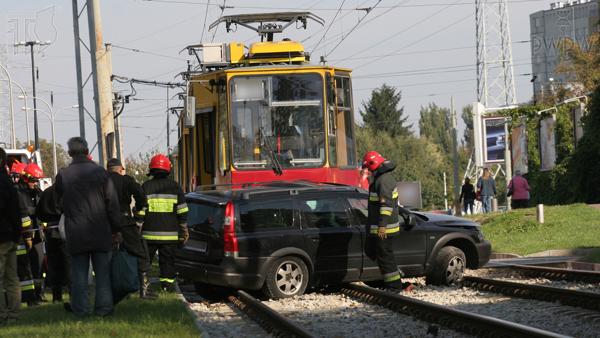
If you are involved in a road accident in which there are injured persons, are you allowed to move the vehicle away from the intersection not to obstruct the movement of other vehicles?
B: No
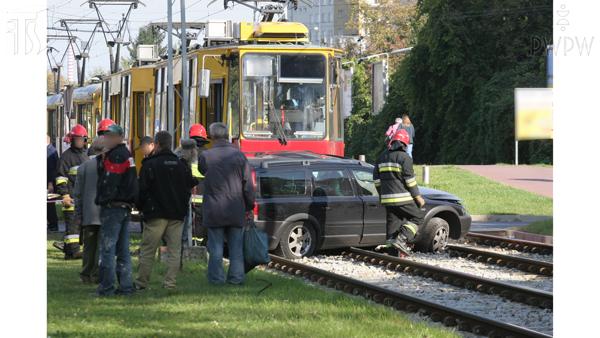
If you are involved in a road accident in which there are injured persons, are you obliged to leave the tram at the scene of the incident?
A: Yes
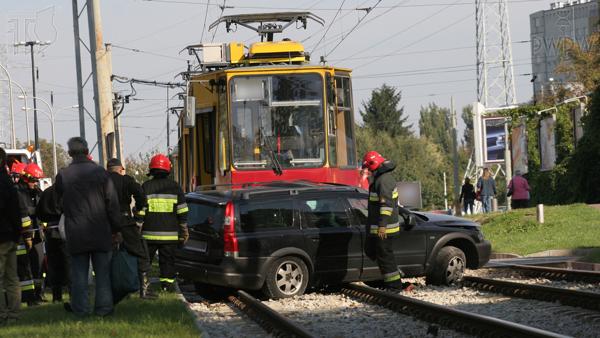
If you are involved in a road accident in which there are no casualties or injured persons, are you obliged to call the police?
B: No
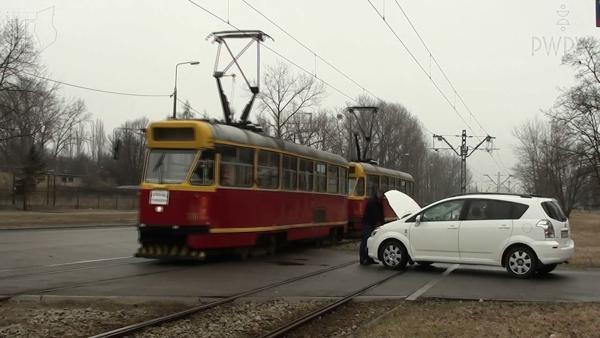
If you are involved in a road accident, are you obliged to provide your personal details at the request of another person involved in the accident?
A: Yes
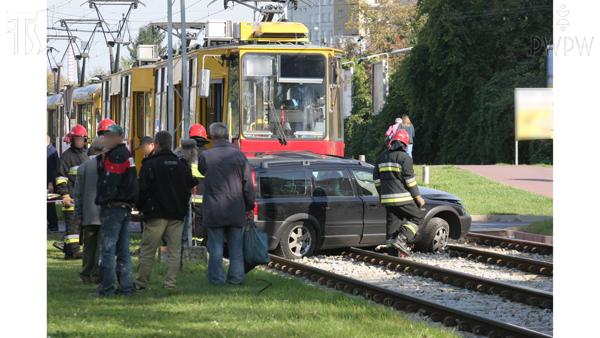
You are involved in a road accident. Are you obliged to provide necessary assistance to the injured person even though you do not have qualification as a paramedic?
A: Yes
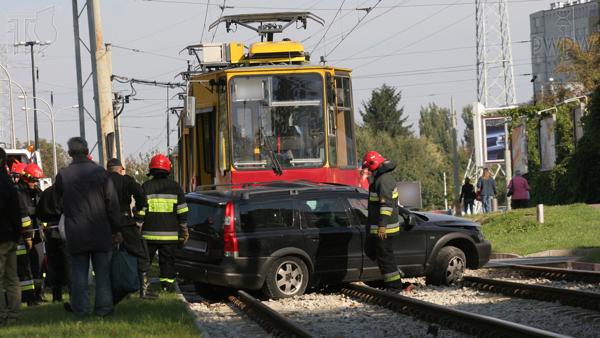
You are involved in an accident. Are you obliged to provide your personal details at the request of the tram passenger who is also involved in the accident?
A: Yes
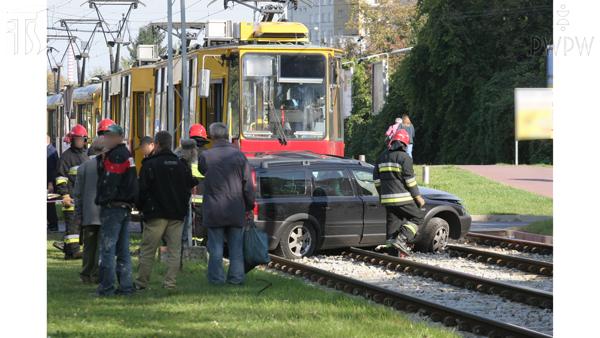
What should you do in the event of an aggressive passenger behavior towards you or other passengers, if this makes driving difficult?
B: Stop the vehicle and call the relevant policing service.
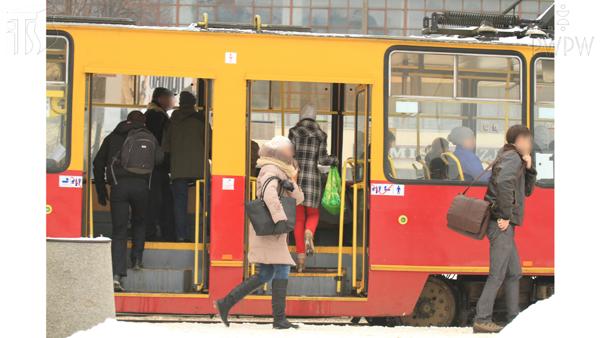
What must you most of all ensure in the event of a tram fire while driving?
A: Your safety and that of the passengers.
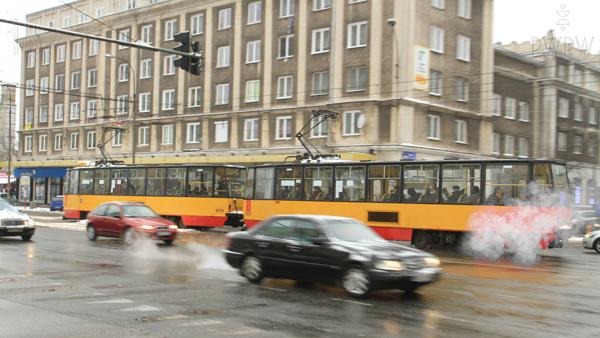
How should you about evacuating passengers, if the door gets blocked as a result of a road accident.
B: Use the emergency exit.
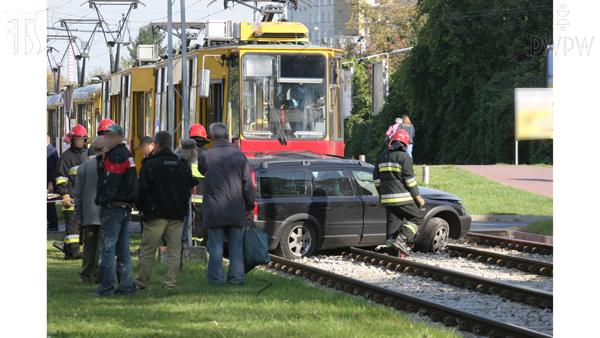
How should you behave in the event of a fire inside the tram while driving?
C: Stop the vehicle, relieve the pantograph, open the doors and commence evacuation of passengers.
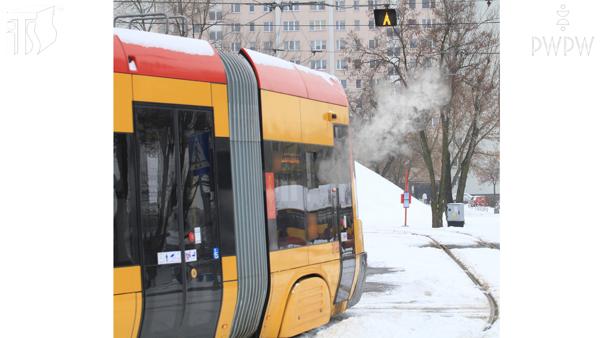
How should you act when an accident casualty regains consciousness and wants to move away?
A: Start a conversation and try to convince the person to remain on the scene until emergency services arrive.
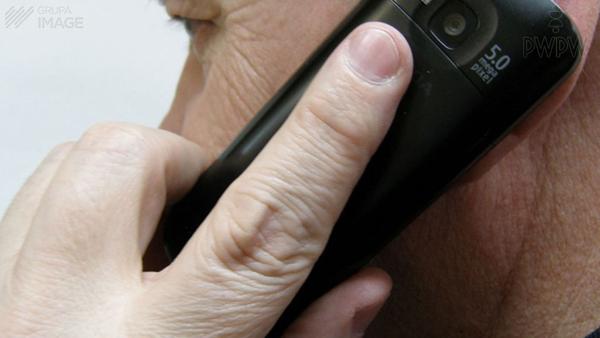
The correct telephone call for help to the scene of a road accident consists in:
B: Making sure that the operator received the complete information about the accident.
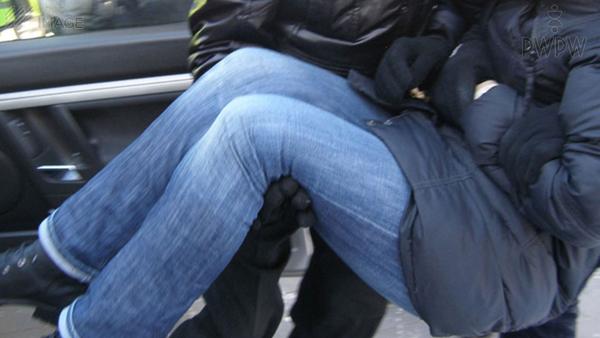
In which of the following situation should you resolve to removing a casualty out of the crashed vehicle before the arrival of emergency serves, if you have reasons to believe that he has suffered a spine injury?
B: When there is threat to life of the injured person.
While carrying passengers on a tourist bus you notice smoke coming out from the engine compartment. Which of the following actions should you take immediately after stopping the vehicle?
C: Evacuate the people transported.
Where on the road should you stop your vehicle, when you see in front of you injured persons, crashed vehicles and emergency services vehicles approaching them?
B: In a place that provides an unobstructed access for the emergency services vehicles to the casualties and crashed vehicles.
Are you obliged to provide first aid when involved in an accident in which someone is injured?
A: Yes
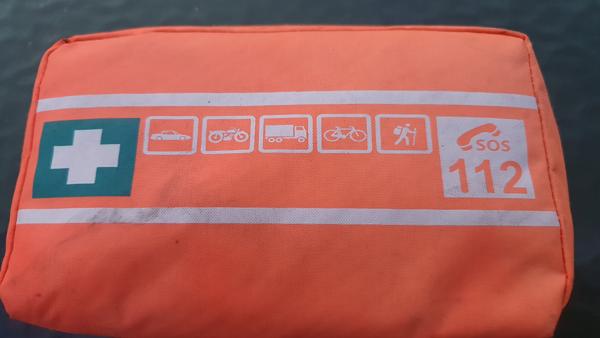
Are you obliged to provide first aid to the injured party when involved in a road accident?
A: Yes
Is an injured party in a traffic accident entitled to request personal data of the offender?
A: Yes
Are you obliged to remove a moped from the road when you are involved in an accident in which someone is killed or injured?
B: No
When involved in a road accident in which there are no dead or injured persons, are you obliged to remove the vehicle from the road?
A: Yes
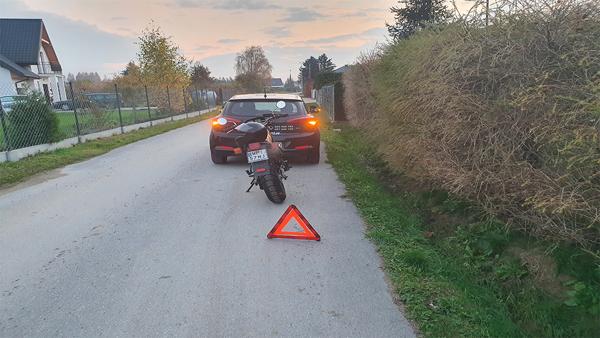
When involved in a road accident, are you obliged to stop the moped without endangering safety?
A: Yes
When involved in an accident where there are no casualties, are you obliged to summon the police?
B: No
What is the first thing you should do in case of leakage of dangerous substances from a vehicle?
A: Save life and health of people.
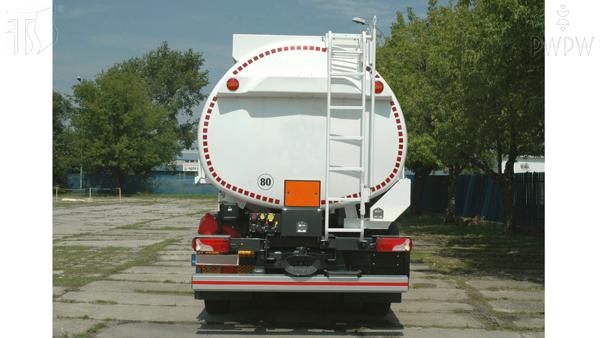
Which of the following authorities will you call in order to commence rescue operations consisting of neutralization of dangerous substances on the road?
C: The State Fire Brigade.
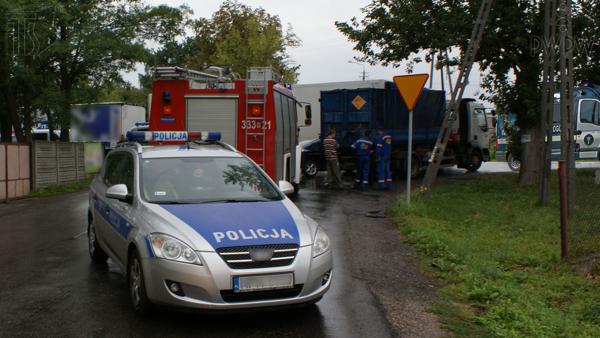
Can you extinguish fire from a cistern transporting gasoline, by yourself?
B: No.
Which of the following numbers must you call in order to report a car accident involving a vehicle transporting dangerous goods?
C: 112 or 998.