Traffic lights, signals given by traffic controllers
100 questions in this category
Traffic lights in Poland follow the standard European sequence: red, red-and-amber together, green, amber, then back to red. Poland also uses conditional green arrows (green filter arrows mounted beside the main lights), flashing amber signals, and dedicated tram signals. Traffic controller signals override all other traffic controls and must be obeyed immediately.
Why This Category Matters on the Exam
This category typically generates 2-4 exam questions and is considered high-stakes because traffic light violations carry severe real-world consequences. Questions often present scenarios with conditional arrows, flashing lights, or traffic controller positions and ask what action the driver must take. The combination of light signals with controller gestures is a favorite exam topic.
Common Mistakes and Tips
The conditional green arrow (a small green arrow on a black plate, often to the right of the red light) is uniquely Polish and frequently misunderstood. It allows you to proceed in the arrow's direction during a red light, but only after stopping first and yielding to all other traffic and pedestrians. Many candidates forget the mandatory stop requirement. Another common error involves the traffic controller's signals: when the controller faces you with arms extended sideways, it is equivalent to a red light. When their side is toward you with arms out, you may proceed. Remember that a flashing amber light means the traffic lights are not in normal operation, and standard priority rules apply. Poland does not use the flashing red light at intersections the way some other countries do.
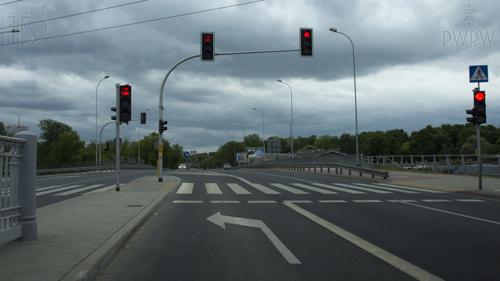
In the presented situation, should you expect that the next light will be green?
A: Yes
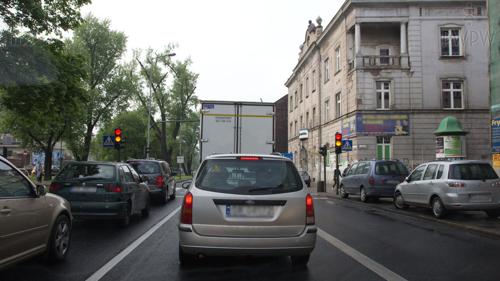
In the presented situation are you allowed to turn right without stopping before the traffic lights?
B: No
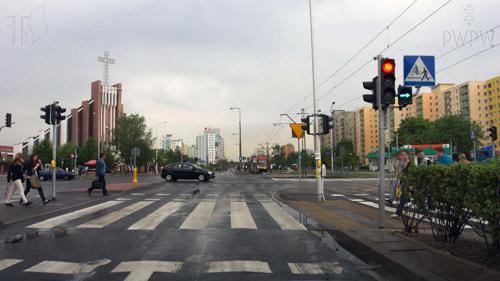
Does the light signal for you lane allow for making a U-turn in this situation?
B: No
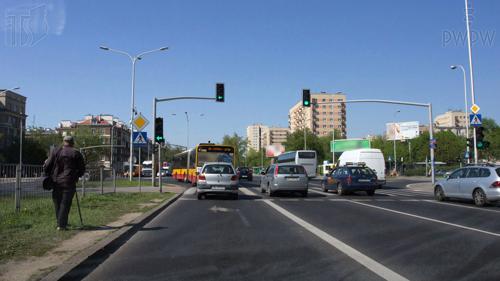
Does the traffic light displayed in this situation denote that when turning right there is no collision with other road users?
A: Yes
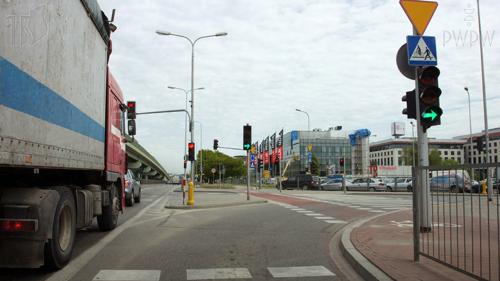
Does the traffic light displayed in this situation allow you to drive beyond the traffic light post?
B: No
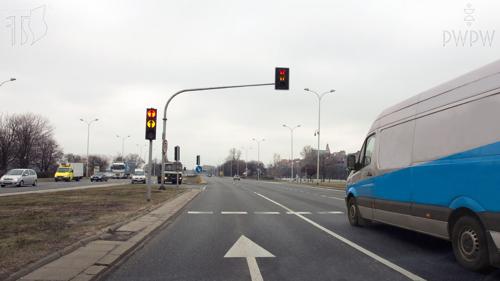
Are you allowed to turn right in this situation if you do not cause impediments to traffic?
B: No
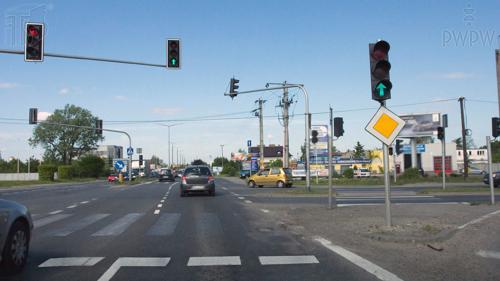
In this situation, does the light displayed allow you to drive beyond the traffic light post if you do not cause impediments to traffic for oncoming vehicles?
B: No
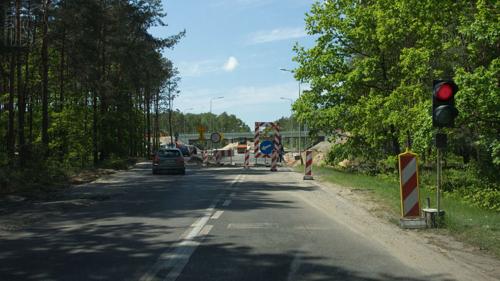
Are you prohibited in this situation to drive past the traffic light post with this light displayed?
A: Yes
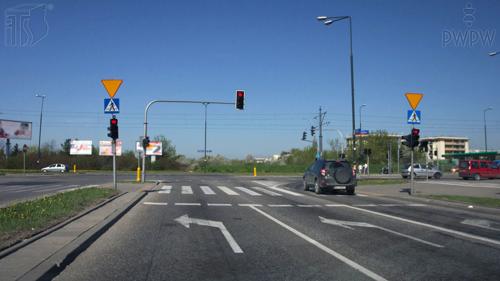
Does the light displayed over your lane oblige you to stop before the traffic light post?
B: No
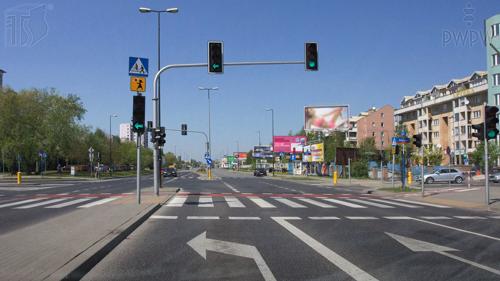
Can you expect in this situation that the next light will be red?
B: No
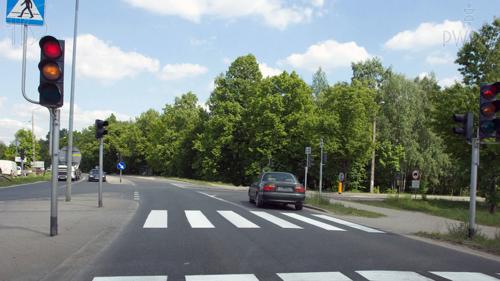
Does the light displayed over your lane allow you to turn left?
A: Yes
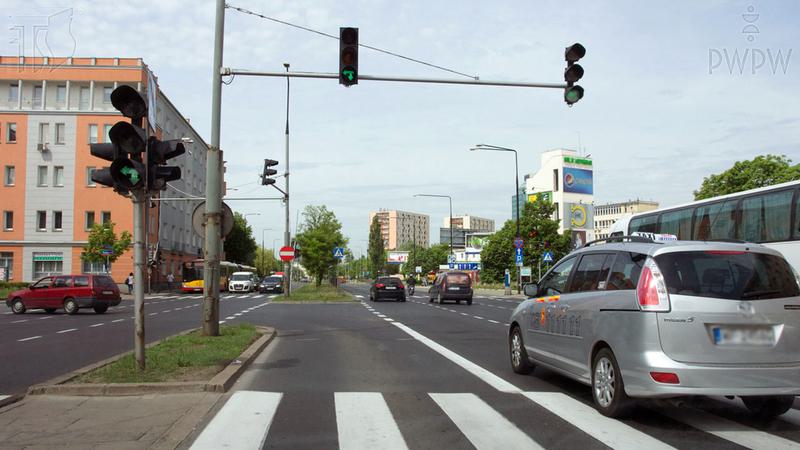
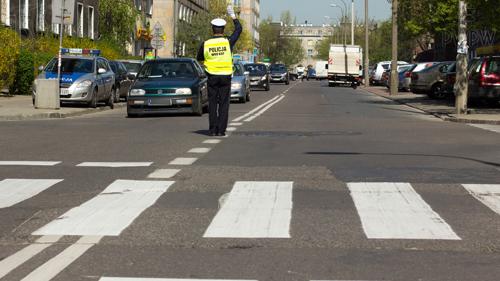
Are you obliged in this situation to obey the signal displayed by the presented person?
A: Yes
Do you have to comply with the light signal in this situation?
B: No
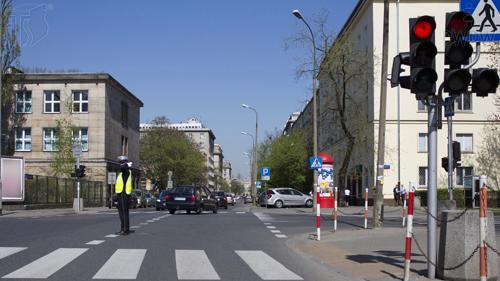
In the presented situation, does the illuminated light allow you to go beyond the traffic lights?
B: No
In the presented situation, does the illuminated light prohibit you from going beyond the traffic lights?
A: Yes
In the presented situation, does the illuminated light prohibit drivers going straight from driving beyond the traffic lights?
A: Yes
In the presented situation will the next light be red?
A: Yes
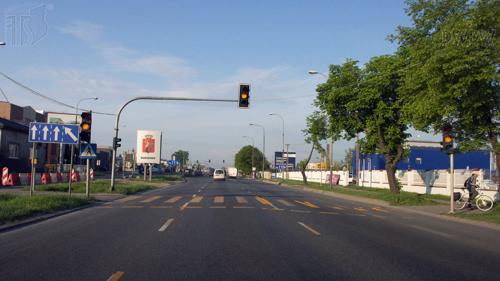
In the presented situation will the next light be green?
B: No
Are you allowed in this situation to drive into the narrowed part of the road without stopping before the traffic light post?
A: Yes
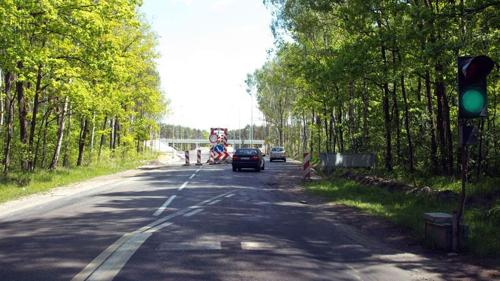
In this situation, can you enter the intersection in order to go straight?
A: Yes


Can you drive through the pedestrian crossing in this situation?
B: No

Does this signal mean that you can enter a pedestrian crossing and a crossing for cyclists?
B: No

In this situation, can you enter the railway crossing?
B: No

In this situation, do you have the right of way over a tram?
A: Yes

In this situation, after the light turns green and the pedestrians leave the crossing, can you enter the intersection?
A: Yes

In this situation, can you enter the intersection?
A: Yes

In this situation, can you make a U-turn?
A: Yes

In the situation that you see here, can you enter the railway crossing?
B: No
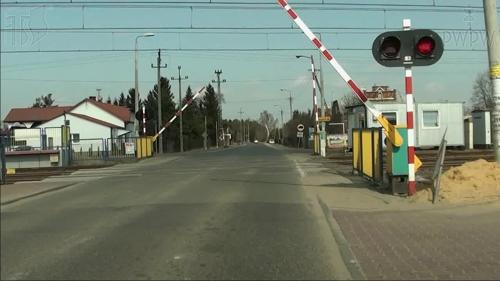
In this situation, are the traffic lights more important than the road signs?
A: Yes

In this situation, are you obliged to stop before you enter the intersection?
B: No

In this situation, can you enter the intersection?
B: No

In this situation, can you enter the intersection?
A: Yes


In this situation, can you drive past the traffic lights, if stopping in front of them would require rapid braking?
A: Yes

In this situation, does the traffic light prohibit you to make a U-turn at this intersection?
B: No


In this situation, are you allowed to drive straight ahead at the intersection without stopping?
A: Yes

In this situation, does the flashing light prohibit you from driving beyond the traffic lights?
B: No

In this situation, are you allowed to drive across the pedestrian crossing without stopping?
A: Yes


In this situation, are you allowed to turn right at this intersection?
B: No

In this situation, are you allowed to drive beyond the traffic lights without stopping?
A: Yes


In this situation, are you allowed to turn right without stopping?
B: No

In this situation, are you allowed to turn right after making sure that this manoeuvre, will not obstruct other traffic users?
B: No

Does the blinking light signal prohibit you from driving onto the tram crossing in this situation?
B: No

Does the light signal being displayed allow you to go beyond the traffic lights in this situation?
B: No

Does the light signal displayed prohibit you from going beyond the traffic lights in this situation?
A: Yes

In this situation, does the light signal displayed indicate that there is no collision with other road users when turning left?
A: Yes

Are you allowed to go past the traffic lights in this situation?
A: Yes

Are you allowed to make a U-turn at the intersection in this situation?
A: Yes

Are you allowed to make a U-turn at the intersection in this situation?
B: No

In this situation, does the flashing yellow light allow you to drive beyond the traffic lights without stopping?
A: Yes

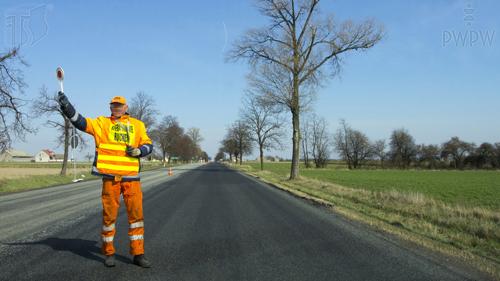
Can the person performing roadworks on a road on behalf of or with the consent of the road administration give commands or signals to road users?
A: Yes
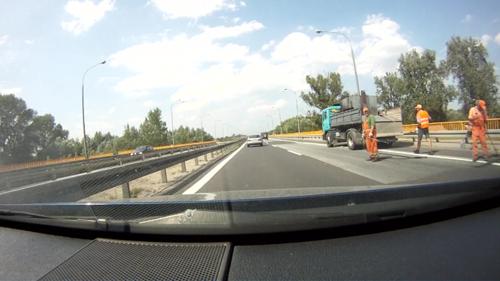
In this situation, does the traffic police officer permit you to turn left at the intersection?
A: Yes

In this situation, are you allowed to continue driving through the crossroads?
A: Yes

In this situation, does the yellow flashing signal permit entry beyond the signalling device?
A: Yes

Should you exercise extreme caution in this situation?
A: Yes
In this situation, will the next signal for your lane be a red signal?
A: Yes

In this situation, can you turn right without stopping before the signalling device?
B: No

In this situation, can you turn right before the pedestrian enters your lane?
B: No
Does the flashing yellow signal indicate that the green signal is about to come on?
B: No

Does a yellow flashing signal indicate that the red signal is about to come on?
B: No
In this situation, should you stop before the signalling device?
B: No

Does the signal mean that in a while the green signal comes on?
A: Yes
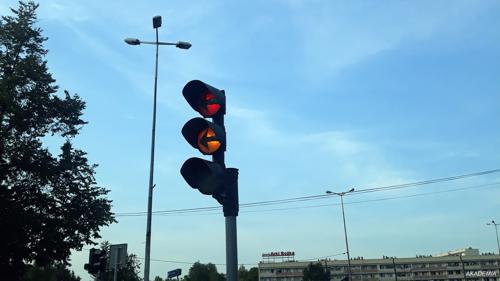
Does the signal mean that in a while the red signal comes on?
B: No
Can you continue driving in this situation?
B: No

Are you obliged to stop driving in this situation?
A: Yes
Can you continue driving in this situation?
A: Yes

In this situation, do you have to wait for the red signal to turn green to continue driving?
B: No
In this situation, do you have to wait for children and the person directing traffic to leave the pedestrian crossing?
A: Yes

Seeing this signal, must the tram driver regardless of the circumstances stop the vehicle?
B: No
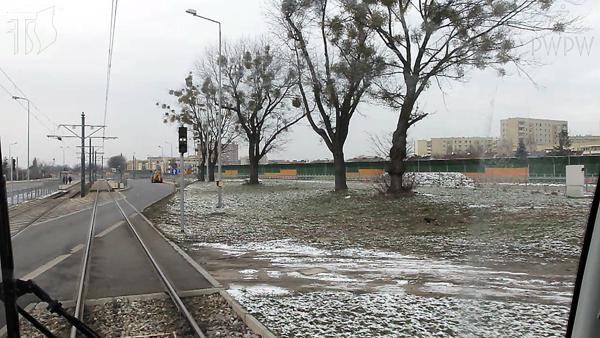
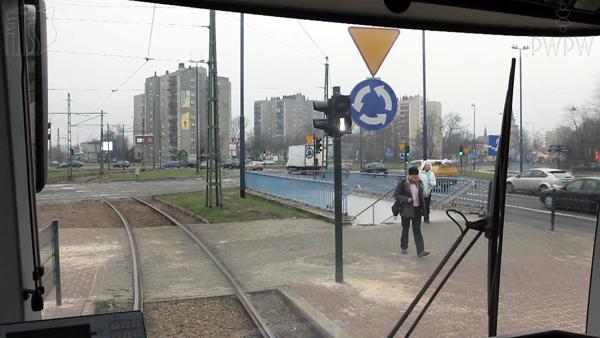
Do light signal have priority over road signs governing the right of way?
A: Yes
Does this signal indicate that in a moment the signal in the shape of a horizontal line will light up?
A: Yes
In this situation, must the tram driver wait until the green light comes on?
B: No
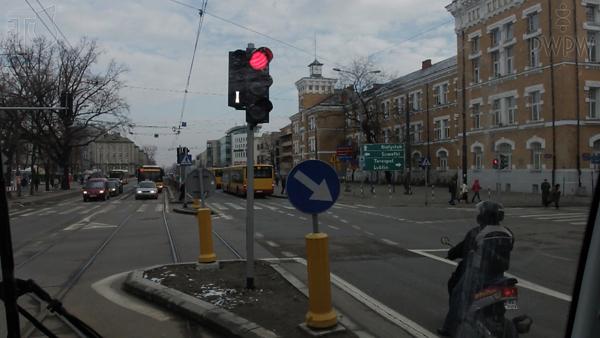
With this light arrangement, does the tram driver have the right to enter the intersection?
B: No
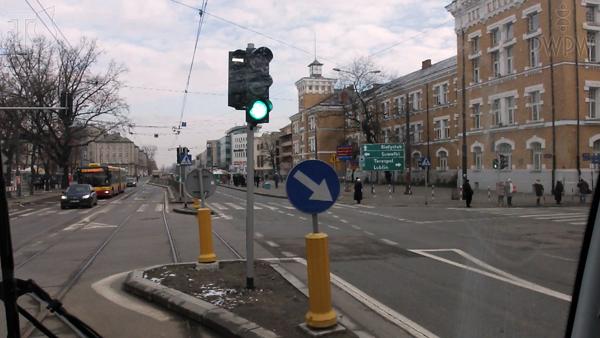
In the presented situation, does the illuminated light allow you to go beyond the traffic lights?
B: No

In this situation, are you allowed to enter beyond the signalling device?
B: No
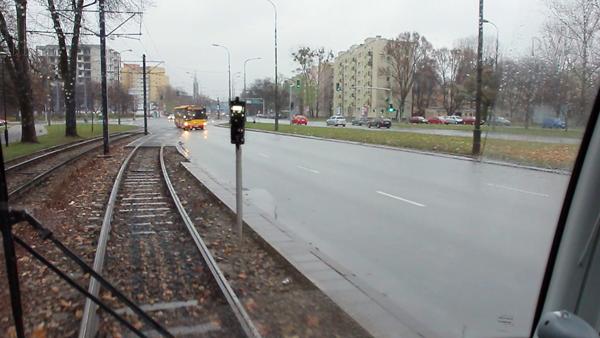
In this situation, are you allowed to enter beyond the signalling device?
A: Yes
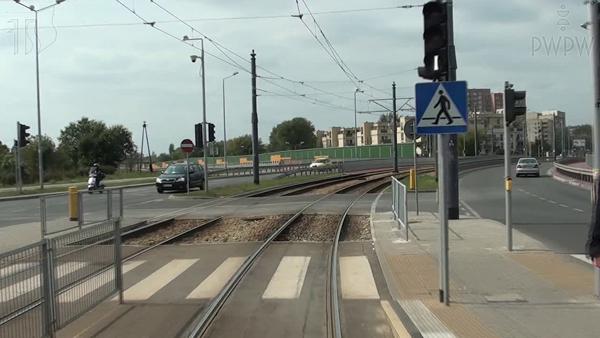
In this situation, can you continue driving despite the lack of a tram signalling unit?
A: Yes
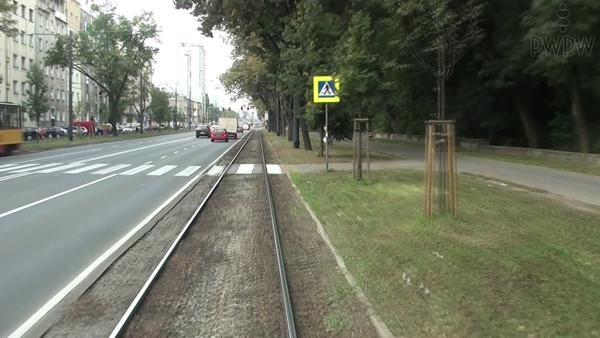
In this situation, can you turn right at the intersection?
A: Yes
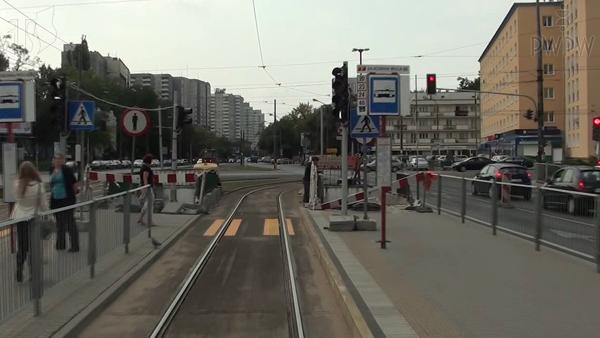
Seeing this signal, can you turn right?
B: No
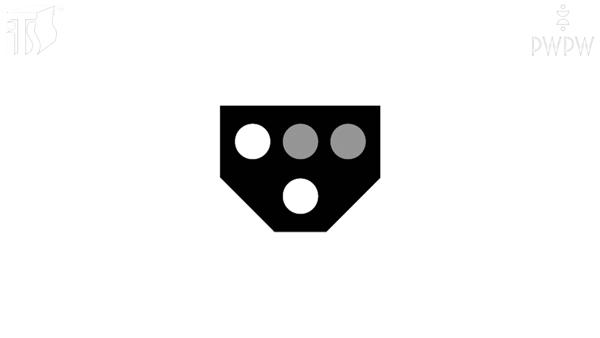
Seeing this signal, can you turn left?
A: Yes
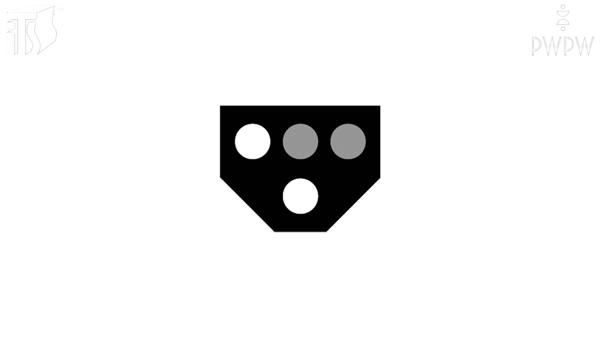
Seeing this signal, do you have the right to enter beyond the signalling unit?
B: No
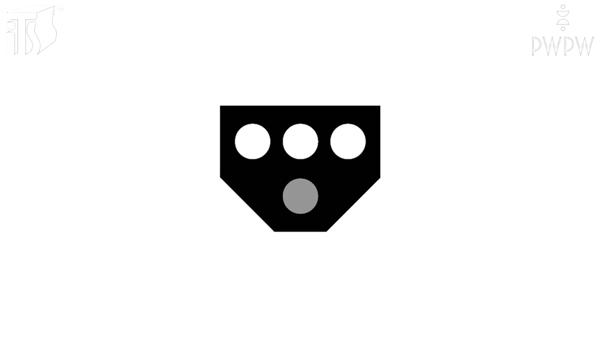
Does this signal indicate that when turning left, there will be no collision with other traffic users?
A: Yes
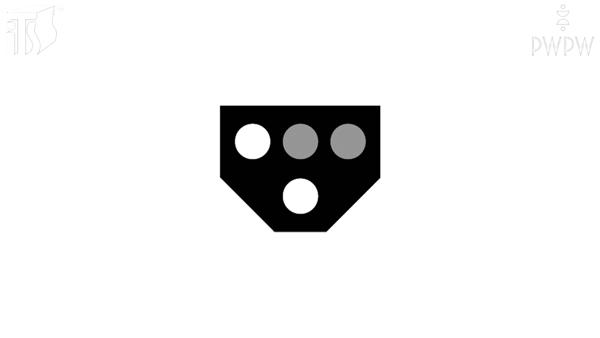
Does this signal indicate that when turning left there shall be a collision with other traffic users?
B: No
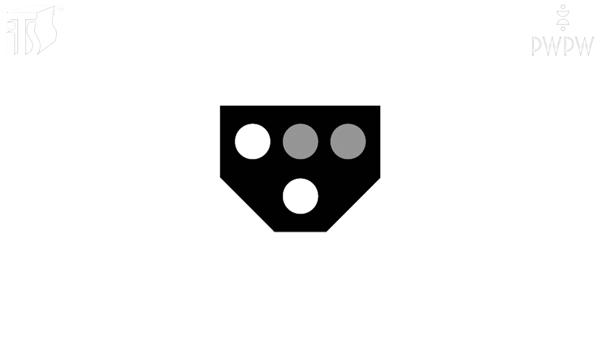
Can you drive straight ahead through the crossroads in this situation?
B: No
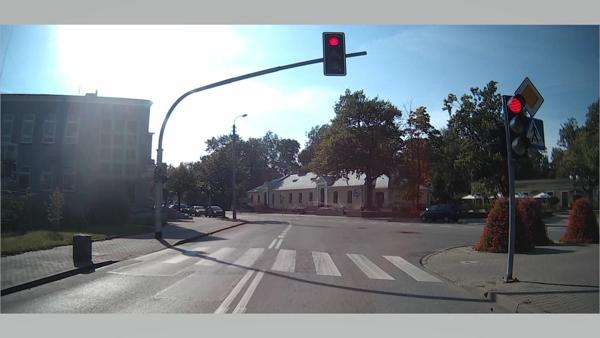
Can you turn right in this situation?
B: No
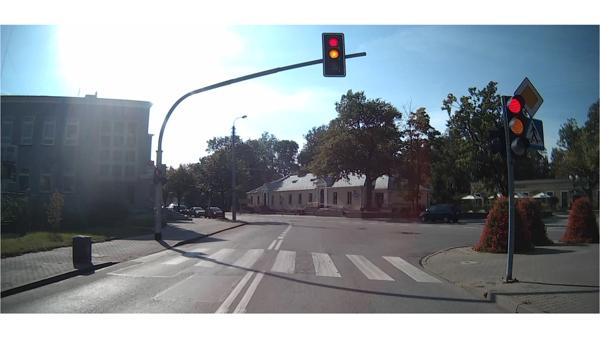
In this situation, are you obliged to exercise utmost caution?
A: Yes
Can you turn right in this situation?
A: Yes
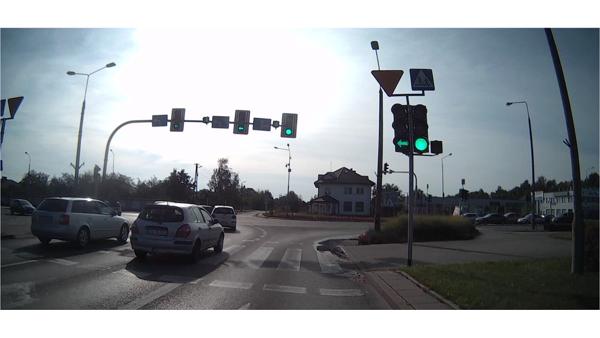
Will a red signal light up after these signals?
B: No
Will the green signal light up after these signals?
A: Yes
Should the driver prepare to resume driving in this situation?
A: Yes
In this situation, can you drive straight ahead through the intersection?
A: Yes
Does this signal permit you to turn right at a crossroads?
A: Yes
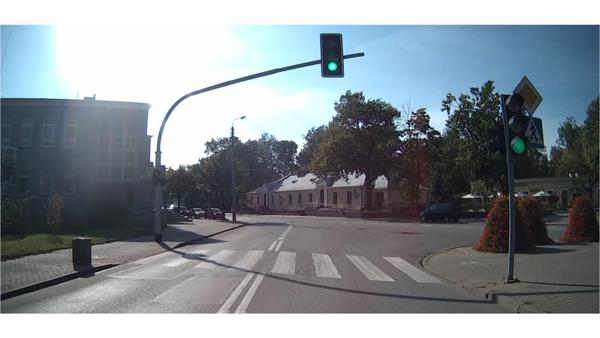
In this situation, if you are going to turn right at the intersection, are you obliged to stop before the signaling device?
B: No