Intersections or pedestrian crossings with traffic control, public transport stops
57 questions in this category
This category covers intersections and pedestrian crossings managed by traffic controllers or signals, as well as the specific rules for behavior around public transport stops. In Poland, tram stops are particularly important because passengers often board and alight from the middle of the road, and drivers must understand their legal obligations in these situations.
Why This Category Matters on the Exam
Expect 2-3 questions on this topic, often featuring scenarios at tram stops or controlled pedestrian crossings. These questions carry significant weight because errors at pedestrian crossings and public transport stops frequently cause serious injuries in real life. The exam specifically tests whether you know when to stop for passengers at tram stops.
Common Mistakes and Tips
The most critical Polish-specific rule is regarding tram stops without a raised platform: when a tram stops and opens its doors, you must stop and wait for passengers to finish boarding and alighting before proceeding. This applies even on multi-lane roads. Many candidates from countries without trams are unfamiliar with this rule. At controlled pedestrian crossings, remember that a flashing green light for pedestrians means you must still allow those already on the crossing to finish, but new pedestrians should not start crossing. When a traffic controller is directing traffic at an intersection that also has traffic lights, the controller's signals override everything else. Always approach public transport stops with extra caution as pedestrians may suddenly enter the roadway.


Are you allowed to turn left in this situation?
A: Yes
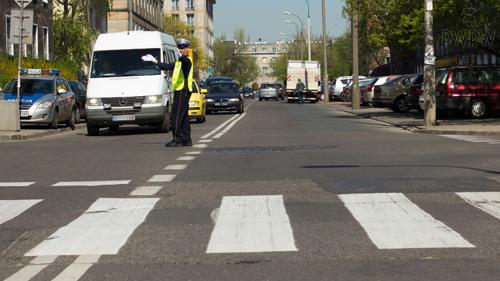
Are you allowed to turn right in this situation?
A: Yes
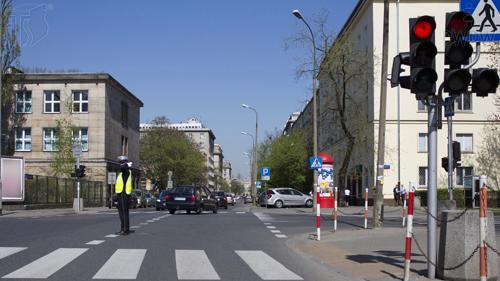
Are you allowed to turn right in this situation?
B: No
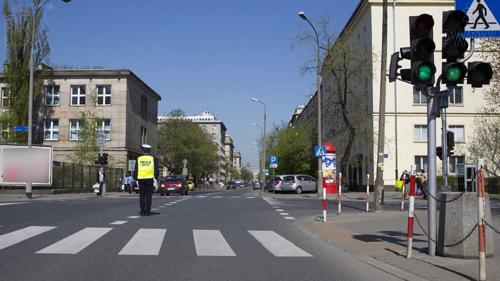
Are you allowed to enter the junction in this situation?
B: No
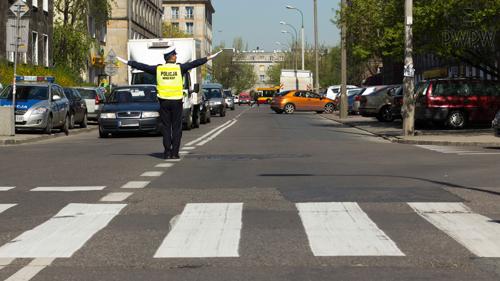
Will a signal be displayed in a moment prohibiting entry?
A: Yes
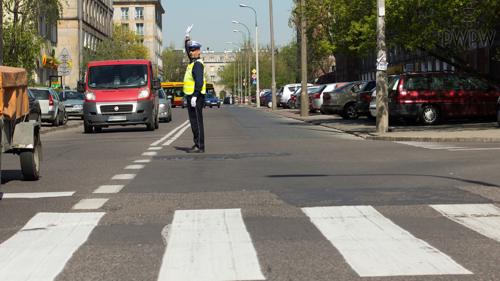
Are you allowed in this situation to resume driving, regardless of the movement of pedestrians on the roadway?
B: No

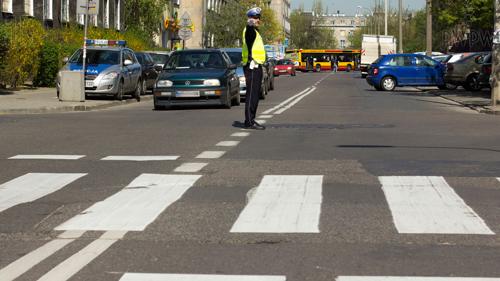
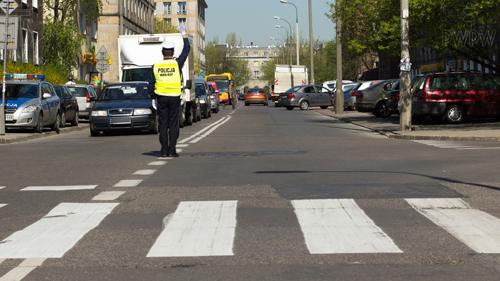
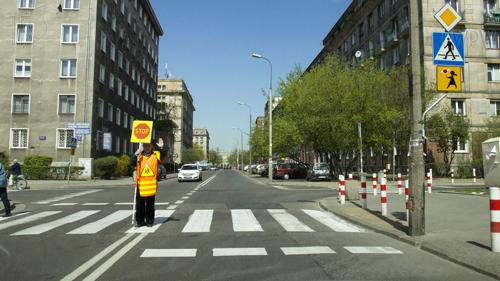
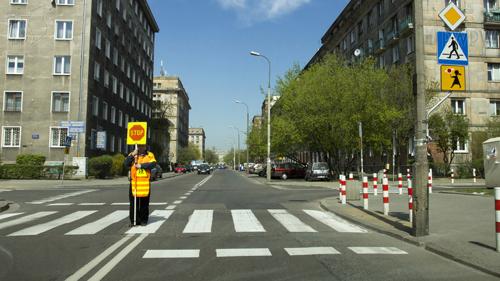
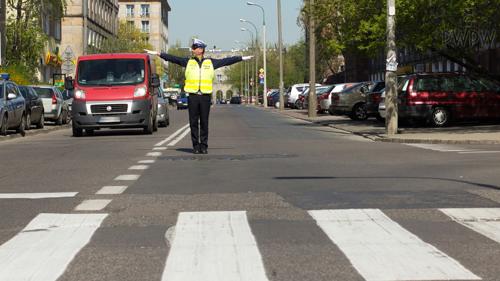
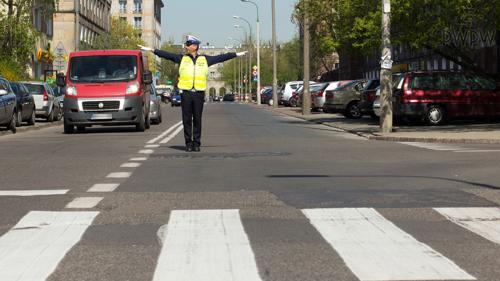
Are you allowed to go straight across the junction in the presented situation?
B: No
Are you allowed to enter the intersection in this situation?
B: No
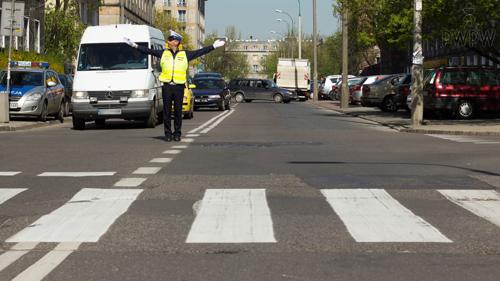

Should you in this situation, increase attention and be prepared for the possibility of a pedestrian emerging from the left side of the roadway?
A: Yes

You are driving a vehicle in the built-up area. In the presented situation, are you obliged to allow the bus driver to join the traffic?
A: Yes
org.jpg)
Are you allowed to turn left in this situation?
B: No
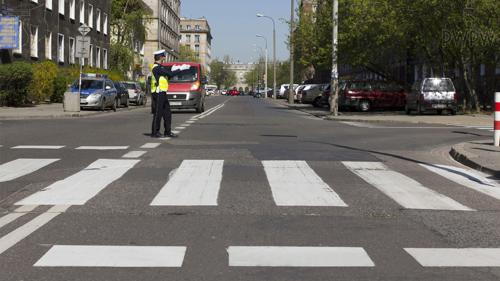
Does the posture of the policeman at the intersection indicate that you may turn right?
A: Yes


In this situation, if you intend to turn right, can you enter the intersection?
B: No

In this situation, can you start driving?
B: No

In this situation, if you want to continue driving, are you obliged to first wait for the tram to start moving?
B: No

In this situation, can you bypass the tram?
B: No

In this situation, are you obliged to stop the car at the indicated place?
A: Yes

Does the signal of the policeman mean that you are obliged to turn right at the nearest intersection?
B: No

In this situation, if you turn left, are you obliged to stop before the intersection?
A: Yes

In this situation, can you stop a car on the sidewalk just in front of a public transport stop?
B: No

In this situation, are you obliged to exercise caution?
A: Yes

In this situation, are you allowed to drive into the intersection?
A: Yes

In this situation, are you required to stop the vehicle for the time needed by the pedestrian to freely reach the pavement?
A: Yes

Are you allowed to start driving once the pedestrians have walked onto the pavement?
A: Yes

Do instructions and signs given by persons directing traffic have priority over road signs?
A: Yes
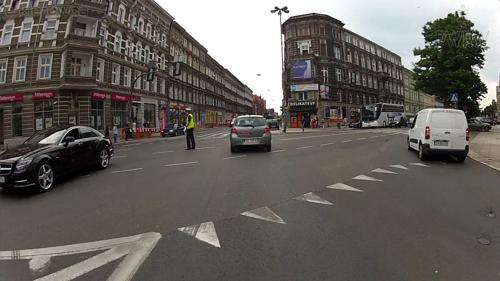
In this situation, are you allowed to drive into the intersection without stopping in front of the line consisting of triangles?
A: Yes
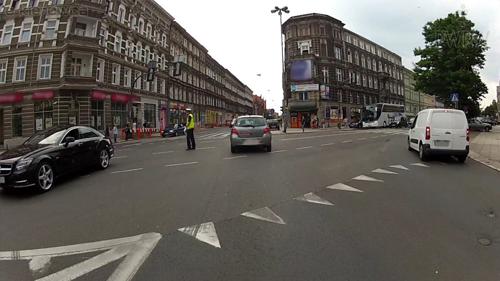
Are you obliged to comply with the instructions and signs given by a person performing road works upon the order of the road administrator?
A: Yes
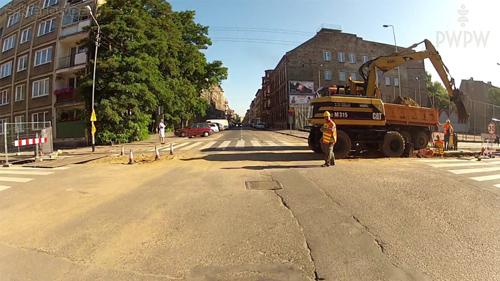
In this situation, are you allowed to use the sound signal?
B: No

In this situation, are you allowed to drive straight ahead?
A: Yes
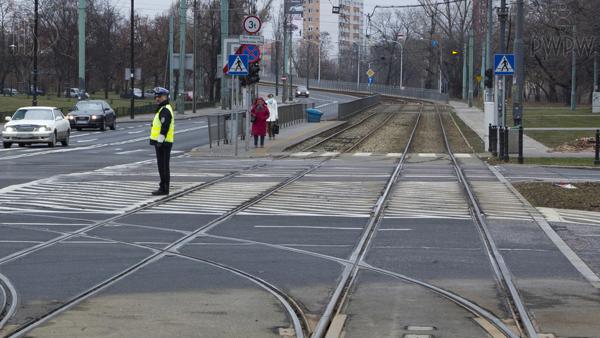
In this situation, are you allowed to turn left?
A: Yes
In this situation, should you be prepared to enter the intersection?
A: Yes
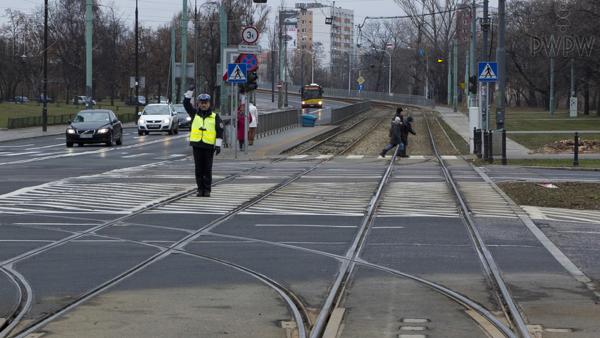
Does the raised hand of the police officer indicate that a change in the signal transmitted is about to occur?
A: Yes
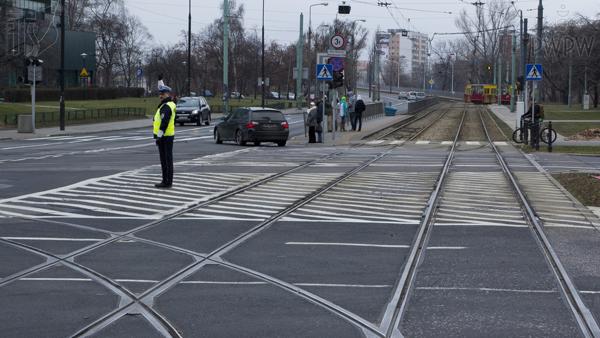
You intend to turn left at this intersection. Are you allowed to go across without exercising particular caution?
B: No
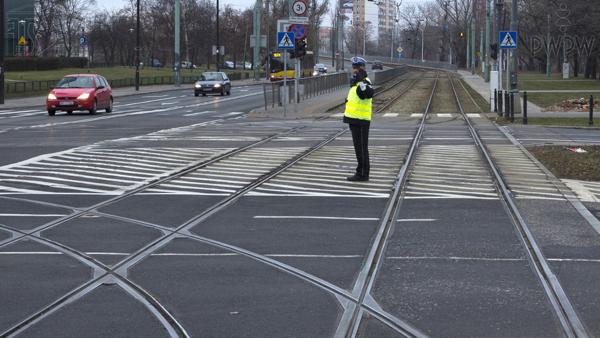
When driving a tram, are you obliged to stop upon a signal given by a police offer?
A: Yes
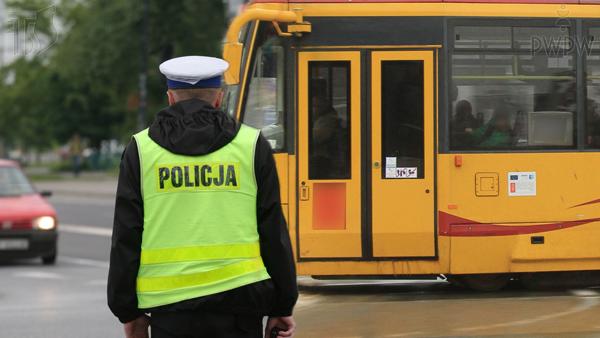
If you see such a posturę of the traffic control police oficer, can you enter the intersection?
B: No
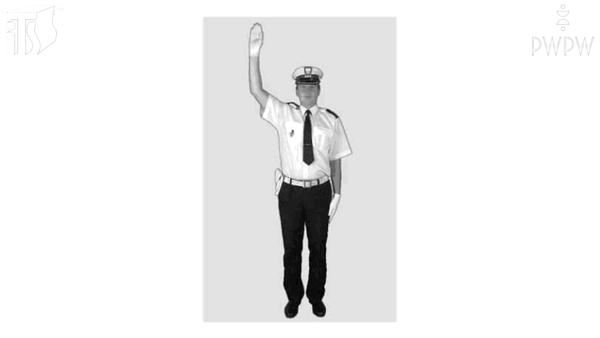
If you see such a stance of the traffic control police oficer, can you go straight through the intersection?
A: Yes
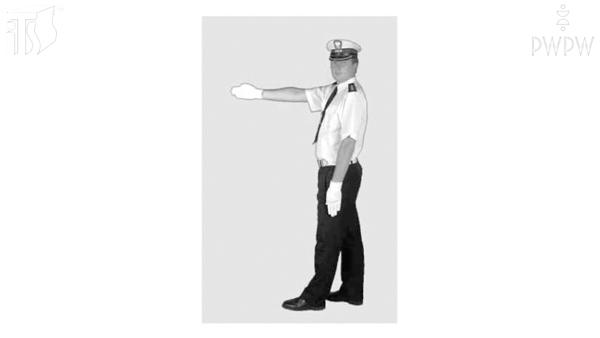
If you see such a posturę of the traffic control police officer, are you allowed to enter the intersection with the intention of turning right?
B: No
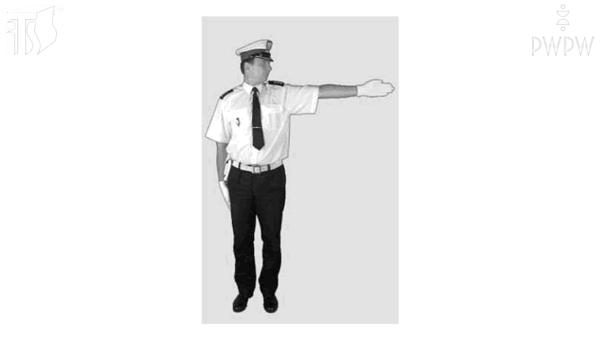
In the situation shown in the clip, can the driver of the vehicle drive into the intersection?
B: No

In this situation, can you drive into the intersection and continue driving?
B: No

Can you drive into the intersection when you see a policeman standing on it facing you?
B: No

Can you drive into a crossroads when you see a policeman standing in such a position?
B: No

Can you drive into a crossroads when you see a policeman standing sideways to you?
A: Yes
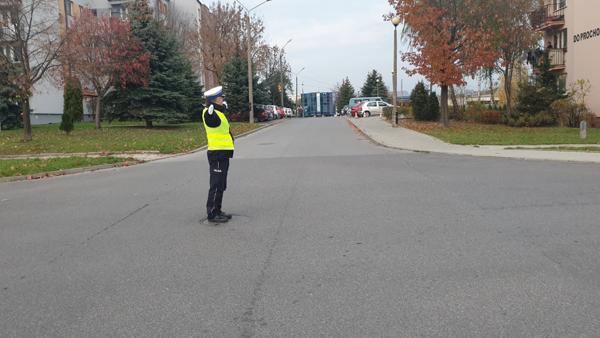
Will you soon be able to enter the intersection if you see a policeman standing in such a position?
A: Yes
