Prohibition and mandatory signs
176 questions in this category
Prohibition signs in Poland are round with a red border and white background, indicating actions that are forbidden. Mandatory signs are round with a blue background and white symbols, indicating actions you must take. Understanding the distinction between these two sign types is essential for passing the Polish driving theory exam.
Why This Category Matters on the Exam
This is one of the largest and most important categories on the exam, with 4-6 questions typically appearing in each test. The questions often present similar-looking signs and ask you to identify the correct meaning or the appropriate driver response. Prohibition and mandatory signs together form the backbone of traffic regulation, and mistakes here carry heavy point penalties that can determine pass or fail.
Common Mistakes and Tips
A common error is confusing the "no entry" sign (red circle with white horizontal bar) with the "no vehicles in both directions" sign (red circle with white interior). Another frequent mistake involves the end-of-restriction signs, which use the same symbol crossed out with diagonal black lines. In Poland, the "no overtaking" prohibition is strictly enforced and frequently tested. Remember that mandatory signs apply from the point where they are posted until the next intersection unless accompanied by supplementary plates. Unlike in some countries, Polish mandatory direction signs at roundabouts specifically indicate the required direction of travel. Pay attention to time-based restrictions shown on supplementary plates beneath prohibition signs.
In the presented situation, is the prohibition expressed by this sign binding from the place of its erection?
A: Yes
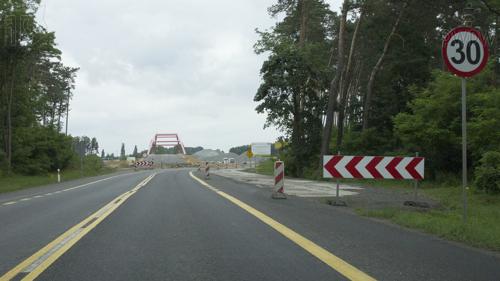
Does the plate under this prohibition sign indicate the length of the road section where the prohibition is binding?
A: Yes
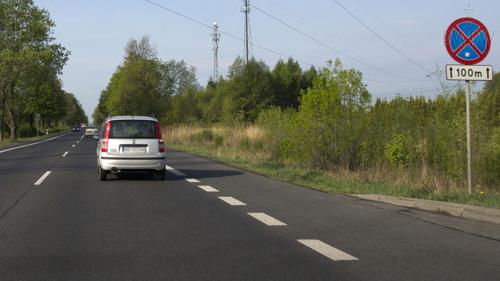
Does the sign placed on the right roadway mean "no traffic" in both directions?
A: Yes
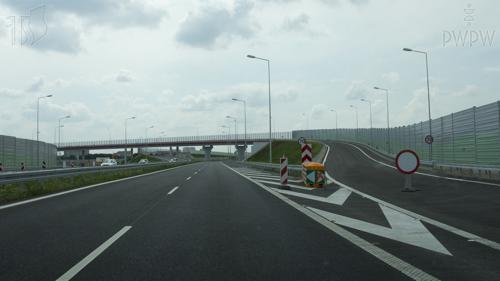
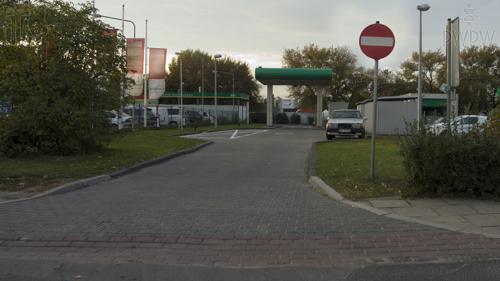
Are you allowed to drive into the car wash through this road?
B: No
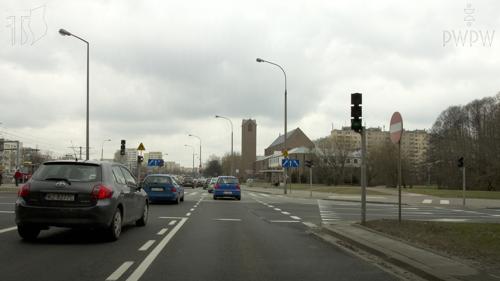
Are you allowed to turn right in this situation?
B: No
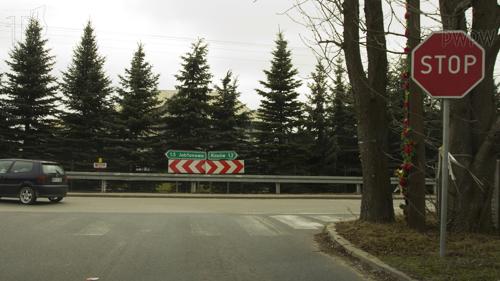
Are you approaching a major road in the presented situation?
A: Yes
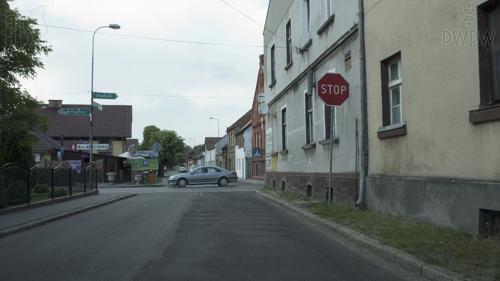
Are you obliged to stop at this sign in the presented situation?
B: No
Are you allowed to turn left in this situation?
B: No
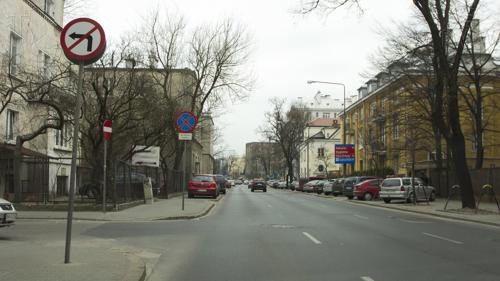
Are you allowed to make a U-turn at this intersection?
B: No
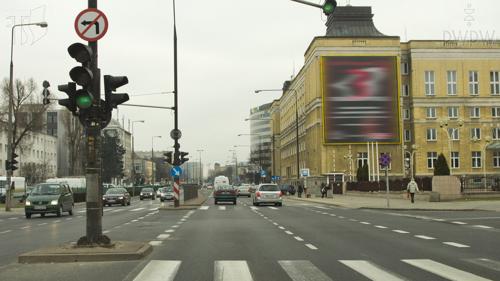
Does this sign placed in the area of an intersection refer only to the roadway by which it has been placed?
A: Yes
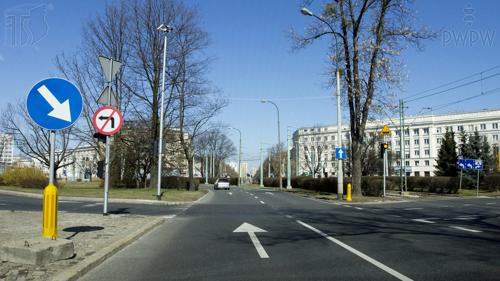
Are you allowed in this situation to turn right onto the closest roadway?
B: No
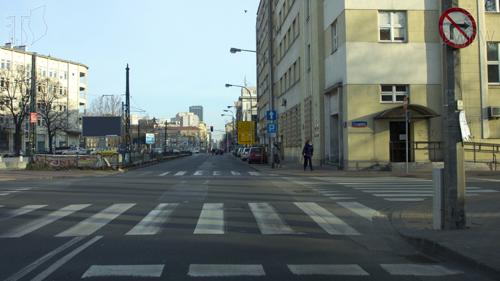
Are you prohibited from making a U-turn from the sign to the closest intersection inclusive?
A: Yes
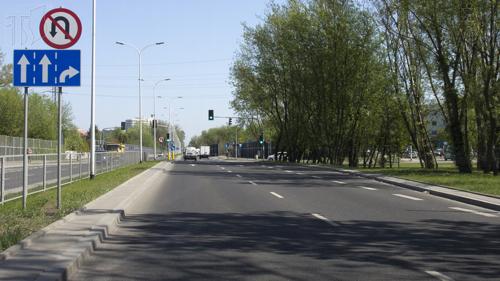
Are you allowed in this situation to turn left at the next intersection?
A: Yes
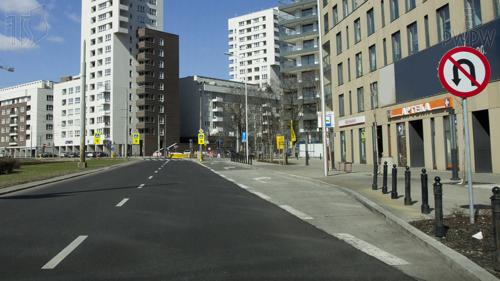
You are driving a lorry of gross vehicle weight rating not exceeding 3.5 tonnes. Are you allowed in this situation to overtake the passenger car?
A: Yes
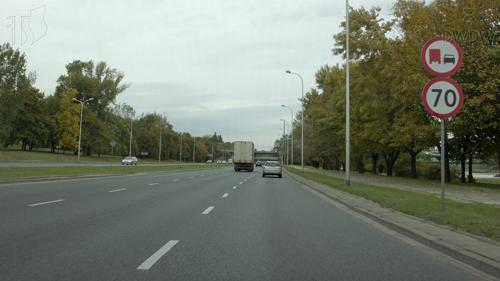
Are you allowed to drive into the narrowed part of the road, if you do not force the oncoming vehicle to stop?
A: Yes
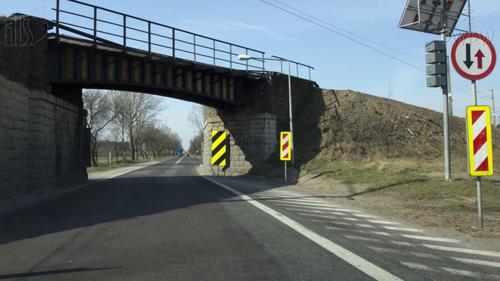
Does the plate placed under the sign in this situation indicate the distance from the place where you are obliged to stop?
A: Yes
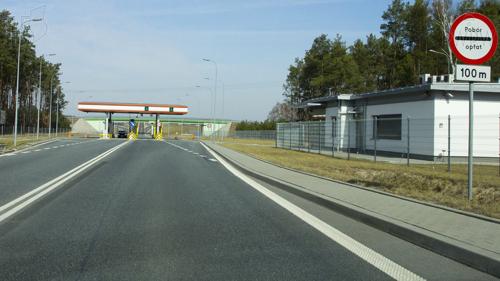
Do you have to abide by the prohibition expressed in this sign till the nearest intersection?
A: Yes
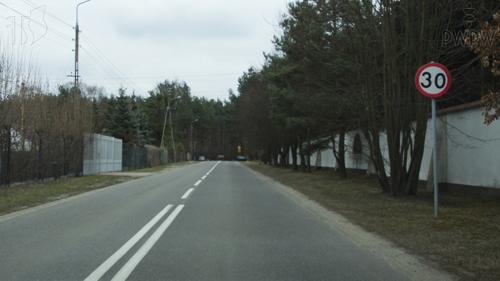
Are you allowed to stop the vehicle for 1 minute beyond this sign?
B: No
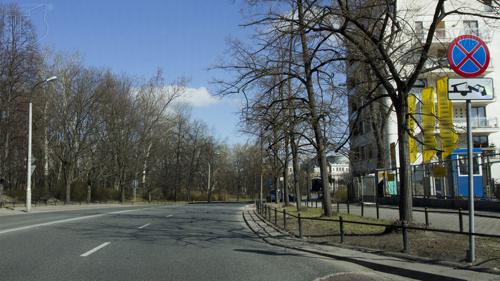
Are you only allowed to turn left at this intersection?
A: Yes
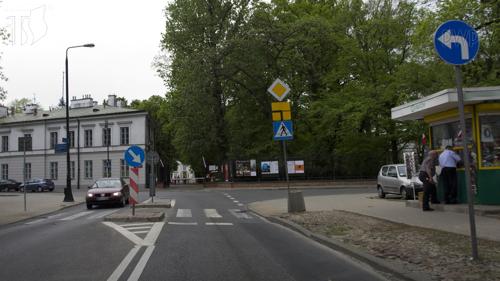
Does the board under the prohibitory sign indicate the length of the road on which the prohibition is binding?
A: Yes
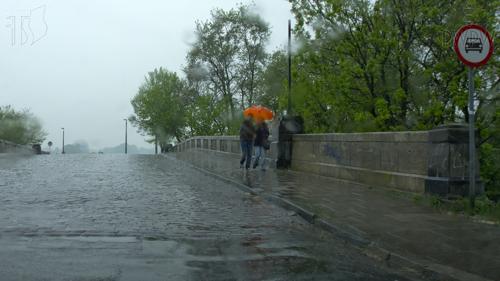
You are driving a passenger car. Are you allowed in this situation to drive onto the bridge?
B: No
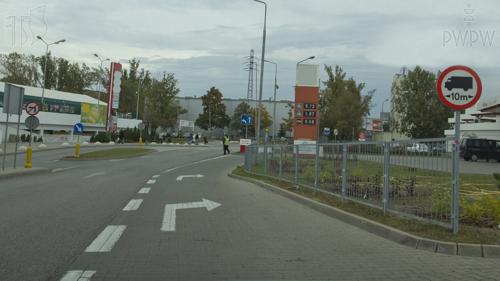
You are driving a combination of vehicles whose total length is 11 metres. Are you allowed to drive into the petrol station beyond this sign?
B: No
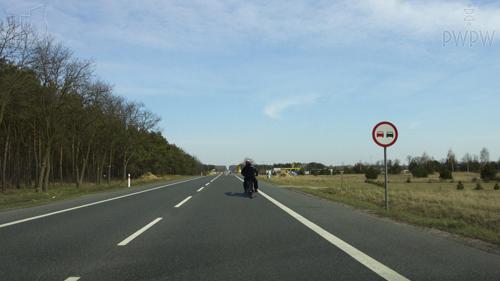
Does this sign prohibit you from overtaking single-track motorcycles?
B: No
Is the prohibition expressed on this sign obligatory from the place of its mounting?
B: No
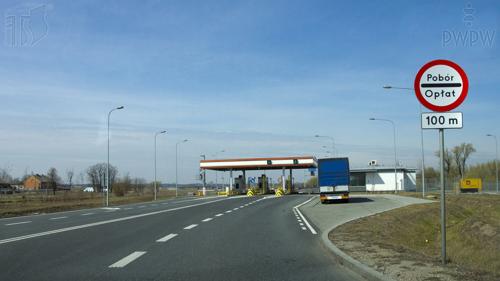
Does the board placed under this prohibitory sign indicate the distance from the place where this sign is obligatory?
A: Yes
Does the sign placed on the right roadway mean that it is closed to the traffic?
A: Yes
May the vehicle left on the road beyond this sign be removed at the cost of the owner?
A: Yes
You are driving a motor vehicle. Does this sign prohibit you from overtaking multi-track motor vehicles?
A: Yes
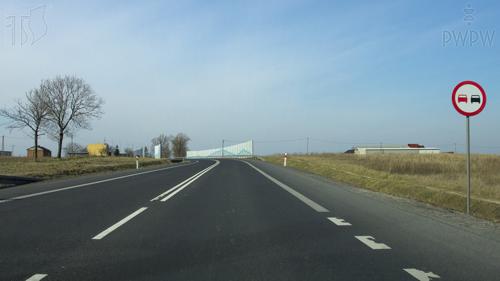
You are driving a motor vehicle. Does this sign prohibit you from overtaking single-track motor vehicles?
B: No
In the presented situation, are you obliged to stop before the major road?
A: Yes
You intend to continue driving through the presented road. Do you have to yield the right of way to drivers on this road?
A: Yes
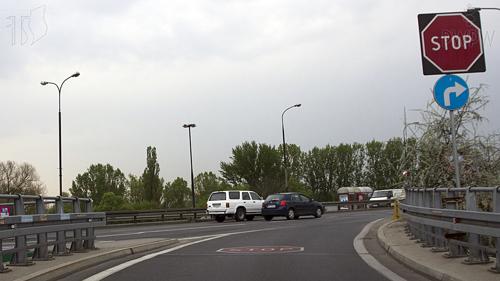
Are you allowed, in the presented situation, to enter the narrowed part of the road if it does not force the oncoming vehicle to stop?
A: Yes
In the presented situation, are you obliged only to turn right?
B: No
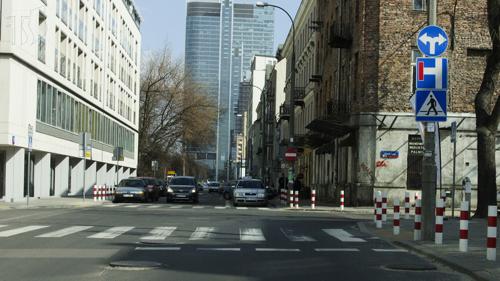
In the presented situation, are you allowed to drive through the railway crossing without stopping?
B: No
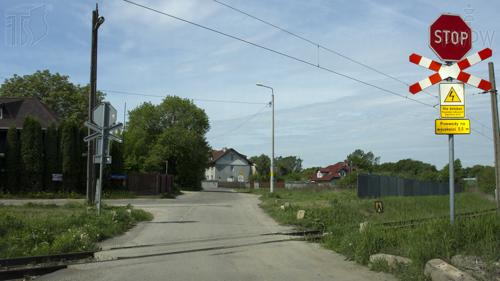
Can you enter the road past this sign for the purpose of making a U-turn?
B: No

Can you drive past this sign with a vehicle (without a trailer) having a gross vehicle mass of 3 t?
A: Yes


Can you make a U-turn at the nearest intersection?
B: No

In this situation, can you turn left once you go past this sign?
B: No

Does the speed limit you see here apply only to the nearest intersection?
B: No
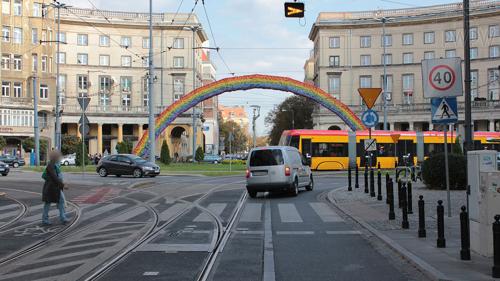
Can you make a U-turn at this intersection?
B: No

In this situation, can you turn right at the nearest intersection?
B: No

In this situation, are you obliged to drive straight ahead?
A: Yes

In this situation, are you allowed to drive, at the intersection, in the direction opposite to the direction shown on the mandatory traffic sign?
B: No

Are you allowed to stop in the section of the roadway in front of this sign?
B: No

In this situation, are you allowed to make a U-turn at the nearest intersection?
B: No

Are you allowed to make a U-turn in this situation?
B: No

Does the prohibitory sign on the left side of the roadway also prohibit making a U-turn at the nearest intersection?
A: Yes

Are you allowed to turn right without stopping in this situation?
B: No

Does the prohibition expressed by this sign apply only to the side of the road on which the sign is located?
A: Yes


Does the visible prohibitory sign prohibit you from turning right at the nearest intersection?
A: Yes

Are you allowed in this situation to turn right onto the presented road?
B: No
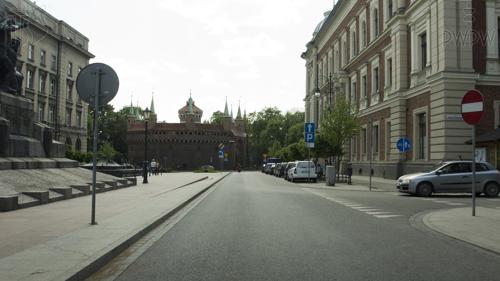
Does this sign inform you of the minimum speed at which you are allowed to travel?
B: No

In the presented situation, do you have the right to stop the vehicle on the roadway on the bridge?
B: No

In the presented situation, are you allowed to make a U-turn at the intersection?
B: No

In this situation, are you informed of travelling on a one-way road?
B: No

In this situation, do you have the right of way at the narrowed section of the roadway?
B: No

Are you entitled in this situation, to enter the road beyond this vertical sign, if you do not pose a traffic problem to other vehicles?
B: No

In this situation, do you have a right to enter the intersection without stopping?
B: No

In this situation, do you have the right to drive straight ahead through the intersection?
B: No

In this situation, should stopping the vehicle in order to yield the right of way occur each time before the "STOP" sign?
B: No

In this situation, when turning right can you enter the intersection without stopping?
B: No
Does the visible sign indicate that you should turn right at the nearest roadway?
B: No

Does the prohibition expressed by this vertical sign prohibit you from turning left at the nearest intersection?
B: No

Is it permitted at this intersection to turn right without stopping?
B: No
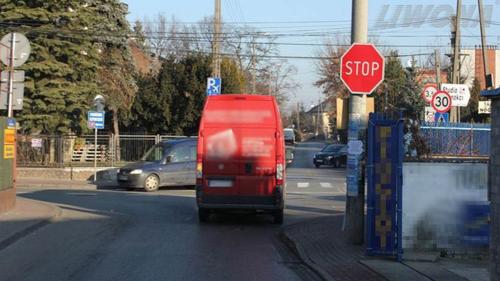
Stopping the vehicle at this intersection should occur before the "STOP" sign?
B: No
Are you obliged in this situation, to stop before the "STOP" sign if you intend to continue driving straight through the intersection?
B: No
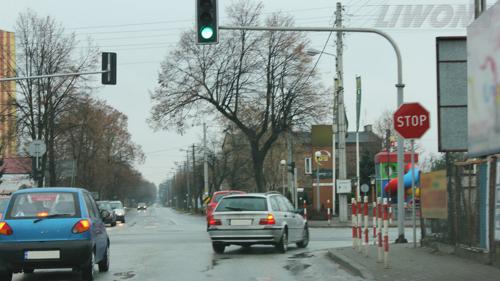
Are you permitted in the presented situation to make a U-turn?
B: No
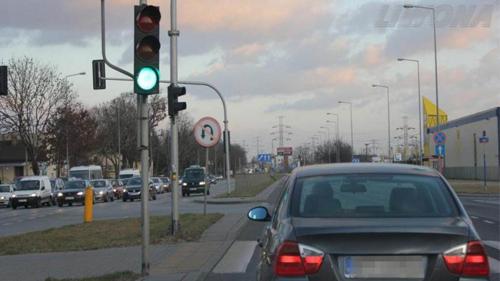
In the situation presented, are you entitled to drive through the level crossing without stopping, if there is no rail vehicle approaching?
B: No
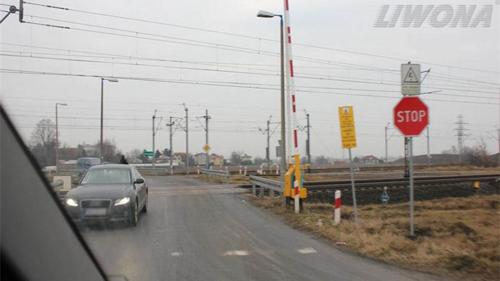
In the visible situation, do you have the right to drive onto the level crossing, if there is no rail vehicle approaching?
B: No
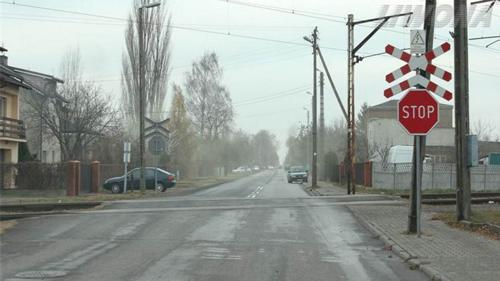
In the presenetd situation, are you entitled to make a U-turn at the nearest intersection?
B: No
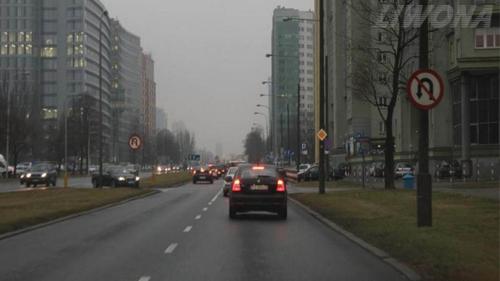
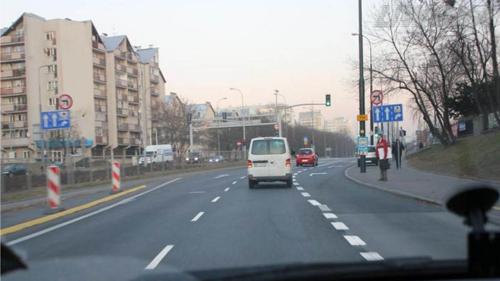
In the presented situation, are you entitled to make a U-turn at the nearest intersection?
B: No
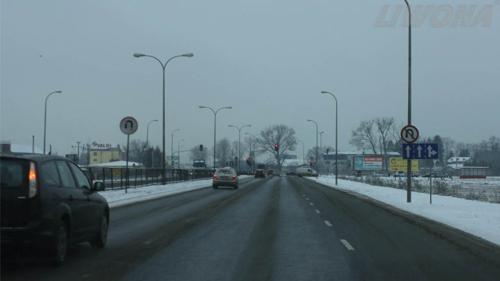
In the presented situation, are you entitled to make a U-turn at the nearest intersection?
B: No
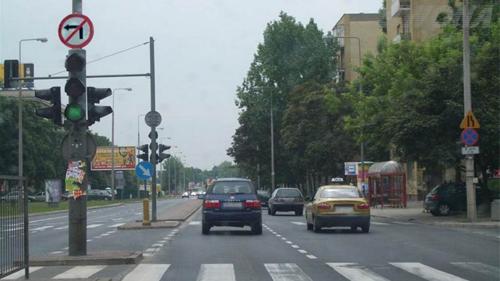
In the presented situation, are you entitled to make a U-turn at the nearest intersection?
B: No
In the visible situation, when transmitting this light signal do you have the right to turn left at the intersection?
B: No
Does the visible prohibition sign forbid you from turning left at the intersection?
B: No
In this situation, are you obliged each time to stop your vehicle before entering the intersection?
A: Yes
In this situation, should you continue driving straight ahead through the intersection?
A: Yes
Are you obliged in this situation, prior to turning right to stop before the transverse roadway?
A: Yes
Is it prohibited in this situation to enter the roadway beyond this vertical sign?
A: Yes
In this situation, does the vertical sign "stopping prohibited" apply also to a soft shoulder?
A: Yes

In the presented situation, can you enter the narrowed section of the roadway?
A: Yes
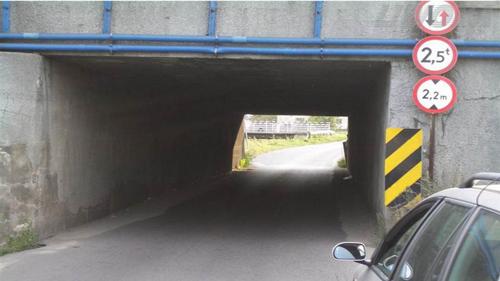
In the presented situation, are you allowed to pull over by the kerb before the sign?
B: No

In the presented situation, are you permitted to stop on the pavement before the sign?
B: No
In the presented situation, are you allowed to drive straight through the intersection?
B: No

In the presented situation, are you allowed beyond the visible sign to stop with the wheels of one side on the pavement?
B: No

In the presented situation, are you allowed to stop the vehicle with the wheels of one of the sides on the bicycle lane?
B: No

Does the visible sign presented in this situation indicate a traffic prohibition for vehicles, which their height (including load) exceeds 3.1 metres?
A: Yes

Does the prohibition sign placed under the built-up area sign indicate that the prohibition applies to the entire built-up area with the exception of the section of the road on which it has been replaced or cancelled?
A: Yes

In the presented situation, does the stop prohibition apply also to the pavement?
A: Yes
You are driving a vehicle in a built-up area. Does the visible prohibition sign apply to passenger cars?
A: Yes

You are driving a vehicle in a built-up area. Does the visible prohibition sign apply to motorcycles?
A: Yes
In the presented situation, can you stop the vehicle on the shoulder beyond the sign?
A: Yes
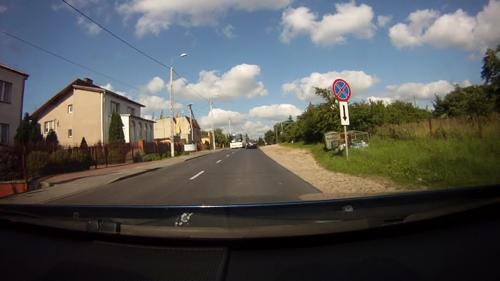
In the presented situation, can you stop the vehicle on the shoulder before the sign?
B: No
In the presented situation, is it allowed to make a U-turn?
B: No
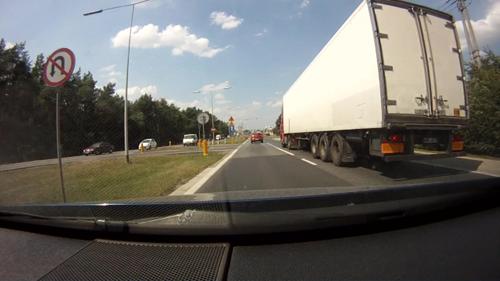
Does the visible prohibition sign apply only to the nearest intersection inclusive?
A: Yes
In the presented situation, can you turn left at the visible intersection?
B: No
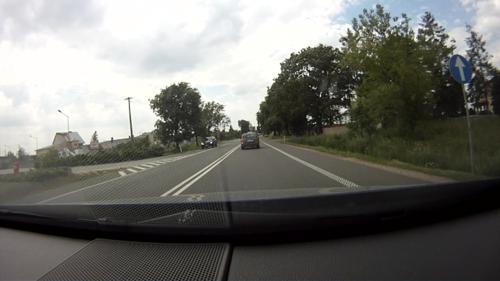
On the presented road, does the sign prohibiting overtaking cease to apply at the end of the bend?
B: No
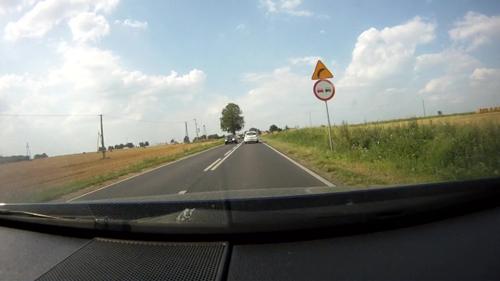
Can you turn right in the presented situation?
B: No
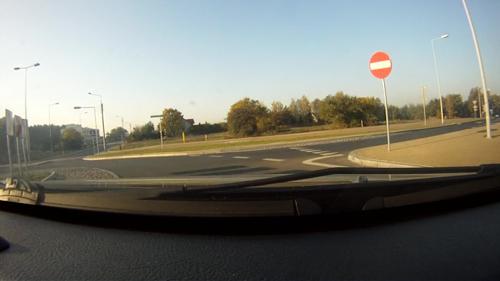
In this situation, do you have to stop exactly before the vertical sign "Stop"?
B: No

Are you allowed to continue driving right without stopping?
B: No
In this situation, can you turn left without stopping?
B: No

In this situation, are you obliged to yield the right of way to the vehicle approaching from the right?
B: No

Is vehicle traffic permitted around the roundabout in both directions at the nearest intersection?
B: No

Does the visible sign indicate that you are entering a one-way traffic?
B: No

In this situation, are you allowed to continue driving straight ahead when driving a passenger car?
A: Yes

You are driving a passenger car with a lightweight trailer. Are you allowed to drive on a road beyond the visible prohibition sign?
A: Yes
Should you in all situations stop before the sign "giving priority to vehicles approaching from the opposite direction"?
B: No

Does the visible sign indicate that vehicles with a height (including cargo) greater than 3 metres are prohibited from traffic?
A: Yes

After the visible sign, are you allowed to stop the vehicle for more than 1 minute?
B: No

In this situation, are you obliged to stop just before the pedestrian crossing?
B: No

You are driving a passenger car with bikes attached to the roof of a total height of 2.6 meters. Can you continue driving straight ahead safely with the load?
B: No

Does the "Mandatory drive straight" sign apply at the nearest intersection or at the point where a change of direction is possible?
A: Yes

You are driving a passenger car. In this situation, are you allowed to overtake after the visible sign?
A: Yes

You are driving a combination of vehicles whose length is 10 metres, and carrying a load which protrudes from the back of the trailer at 0.5 metres. Are you allowed to drive onto the road beyond this sign?
B: No
In this situation, are you allowed to turn left?
A: Yes
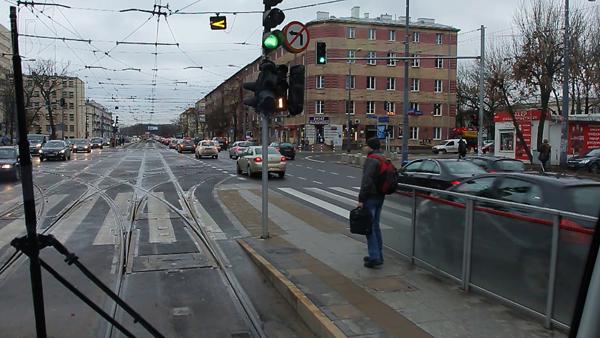
The prohibition expressed in this visible sign, will it be cancelled at the next crossroad?
B: No
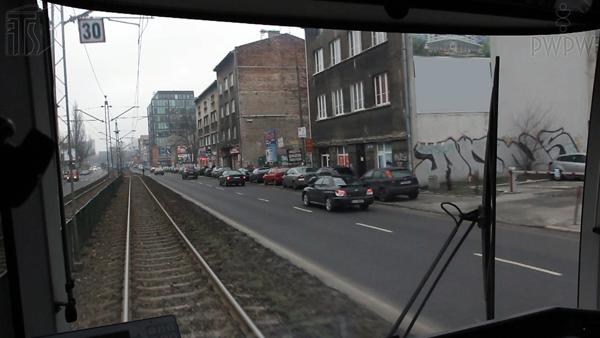
The prohibition expressed by this sign, will it be cancelled at the next rail junction or its fork?
A: Yes
You are driving a single-track motorcycle. Are you allowed in this situation to drive onto the bridge?
A: Yes
You are driving a lorry of gross vehicle weight rating of 12 tones. Are you allowed in this situation to drive onto the motorway through this gate?
A: Yes
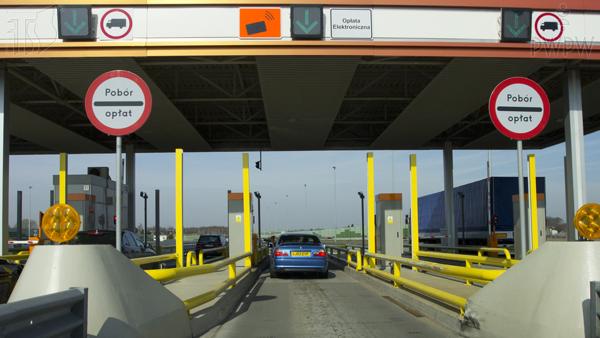
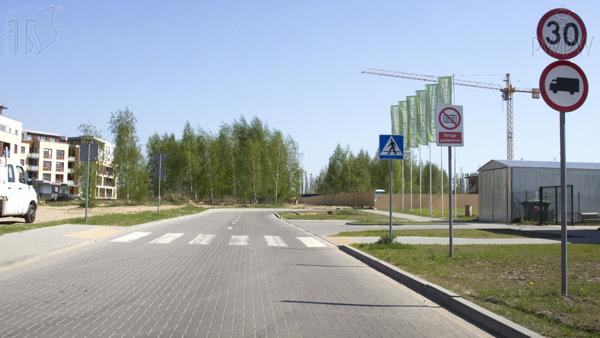
You are driving an agricultural tractor. Are you allowed to drive onto the road beyond these prohibitory signs?
B: No
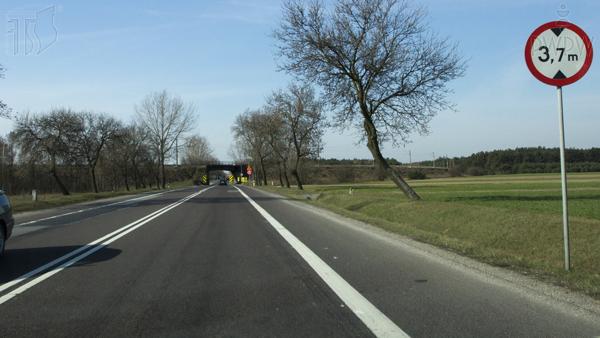
You are driving a vehicle whose height is 2.8 metres, loaded up to the height of 3.8 metres. Are you allowed to drive onto the road beyond this sign?
B: No
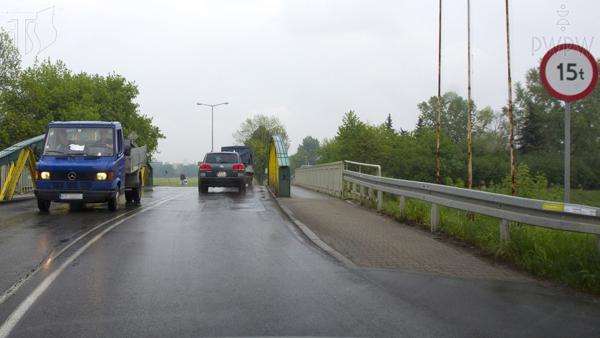
You are driving a vehicle whose gross vehicle weight rating is 16 tones, and whose gross vehicle weight is 14 tones. Are you allowed to drive onto this bridge?
A: Yes
You are driving a lorry of gross vehicle weight rating of 12 tones. Are you allowed in this situation to turn left at the nearest junction?
B: No
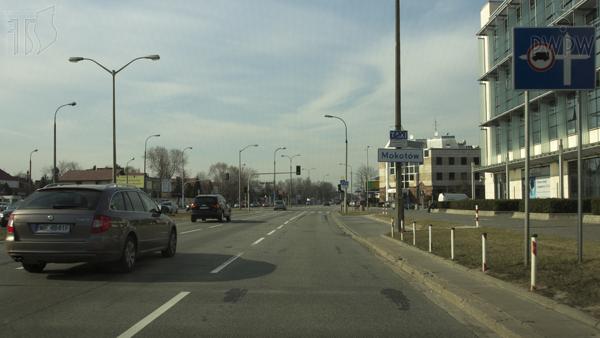
You are driving an articulated vehicle of gross vehicle weight rating of 24 tones. Is parking your vehicle on the road beyond this sign only allowed in specially designated parking lots?
A: Yes
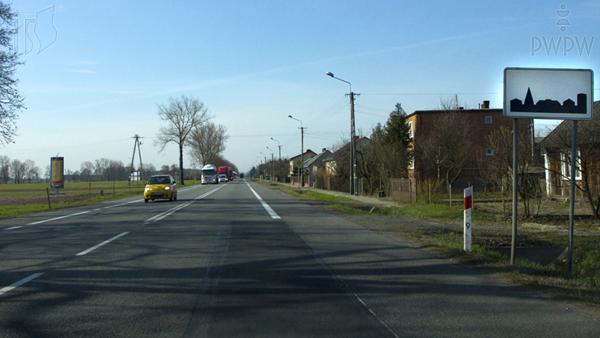
Does the speed limit under this warning sign apply only to the area of road works and ceases to apply upon leaving this area?
B: No
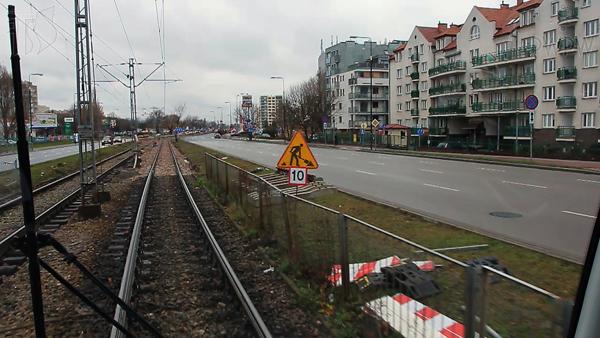
Does the speed limit defined by this sign apply only to the nearest junction or rail intersection provided other signs do not instruct otherwise?
A: Yes
On which section does the speed limit apply to, subject to this sign?
C: To the nearest intersection (fork) of tracks.
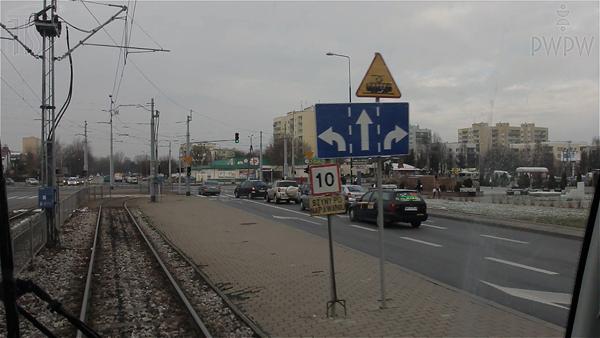
On which section does the speed limit apply to subject to this sign?
B: To the location of the sign indicating the end of the sign.
How should a tram driver behave on the section beyond the visible prohibition sign?
B: He should drive at a speed no greater than than the value indicated on the sign.
Are you allowed to drive a bus with a single axle load of 10 tons on a road marked in such a way?
A: Yes
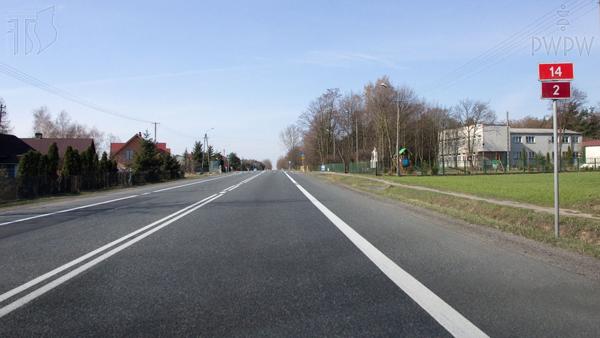
Is it allowed to drive a lorry of a single axle load of 10 tons on the road marked in such a way?
A: Yes
Does this sign placed under the signalling device indicate that it is prohibited to enter the railroad switch and an obligation to stop and check whether the switch rails are properly positioned?
A: Yes
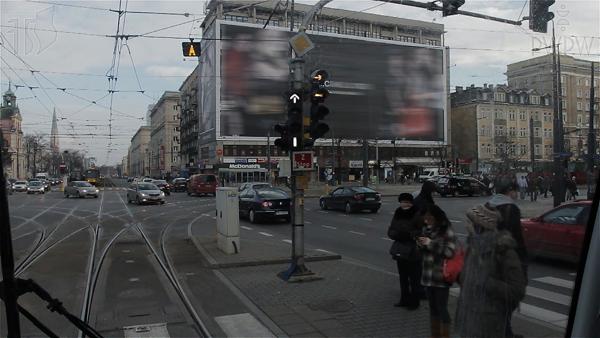
Does the speed limit defined by this sign apply to the tram driver exclusively to the nearest junction or rail intersection, provided the signs do not instruct otherwise?
A: Yes
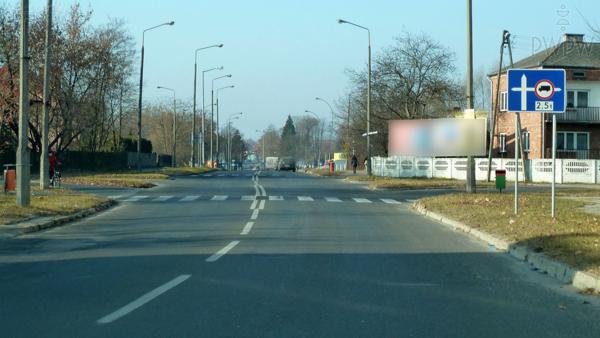
When riding a moped vehicle, can you turn right onto the road marked this way?
A: Yes
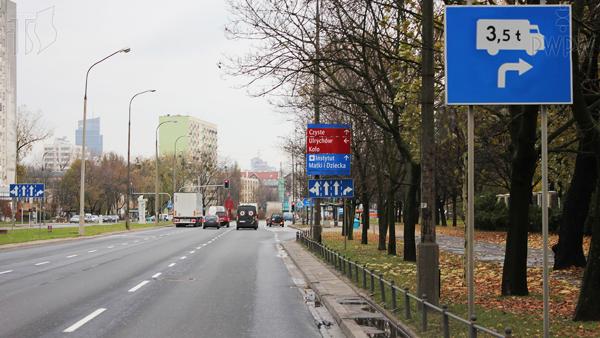
When riding a moped vehicle, can you turn right once you go past this sign?
A: Yes
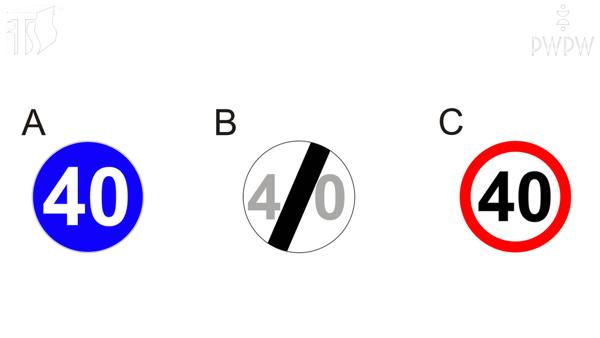
Which of these signs tells you not to exceed the speed of 40 km/h?
C: C.
Which of the following vehicles must you not overtake if you ride a motorcycle on the road, once you go past this sign?
C: A passenger car.
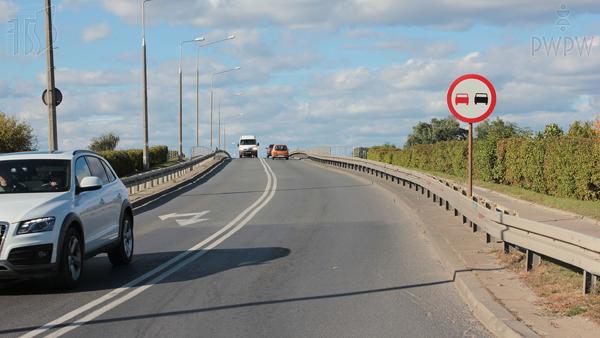
Which of the following vehicles can you overtake if you ride a motorcycle on the road, once you go past this sign?
B: A single-track motorcycle.
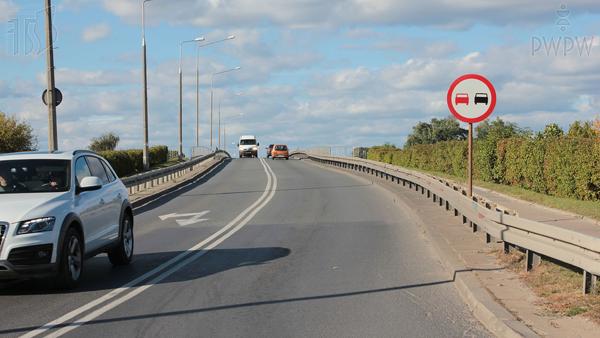
Which of the following vehicles can you overtake if you ride a motorcycle on the road, once you go past this sign?
C: A moped vehicle.
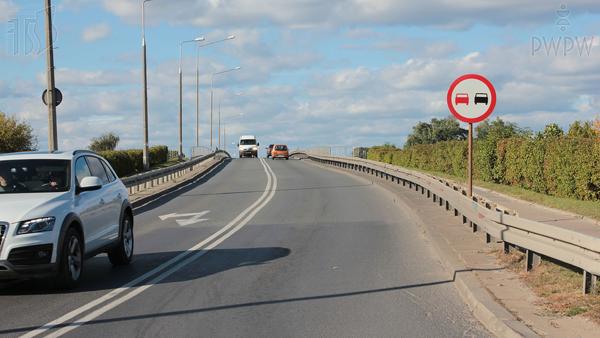
Which of the following vehicles may enter the road once you go past this sign?
A: A single-track motorcycle.
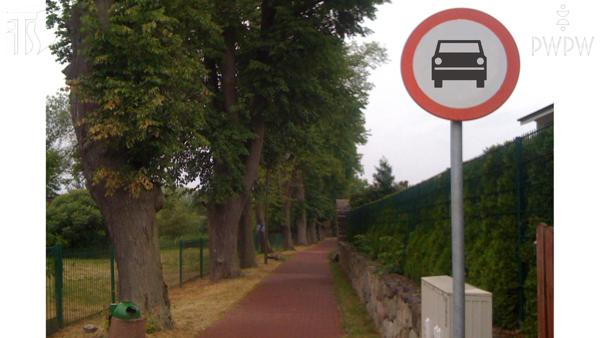
Which of the following vehicles may not enter the road once you go past this sign?
C: A motorcycle with a side car.
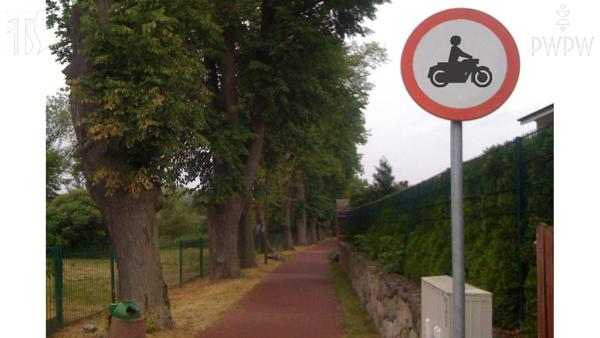
Which of the following vehicles can you overtake when you're riding a light four-wheeled vehicle (microcar, quad) on the road, once you go past this sign?
B: A single-track motorcycle.
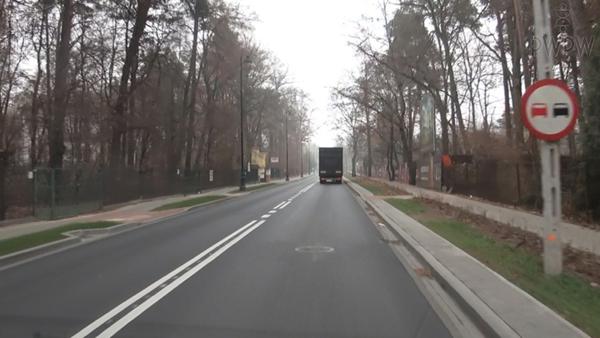
Which of the following vehicles can you overtake when you're riding a light four-wheeled vehicle (microcar, quad) on the road, once you go past this sign?
C: A moped.
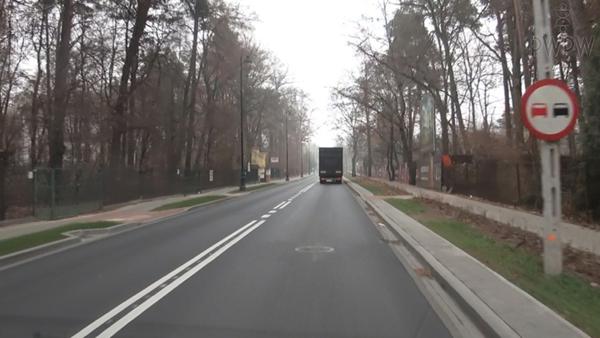
Which of the following vehicles may enter the road once you go past this sign?
A: A moped.
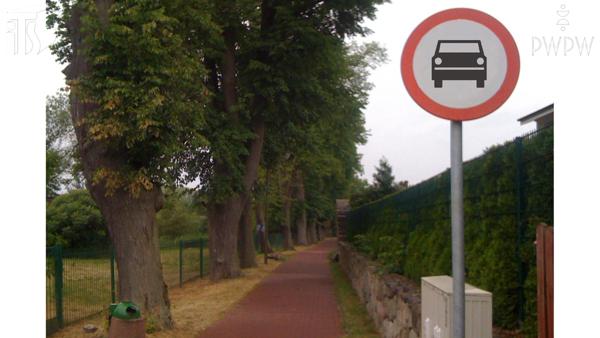
If you drive a tractor, in which of the following cases can you enter the road once you go past this sign?
A: When I perform road works on such road.
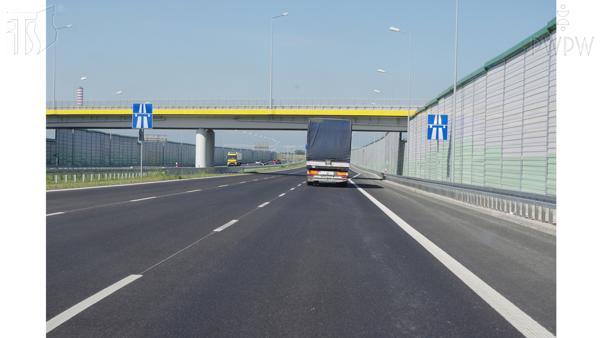
Does this sign prohibit other vehicles on the road from overtaking the tram?
B: No
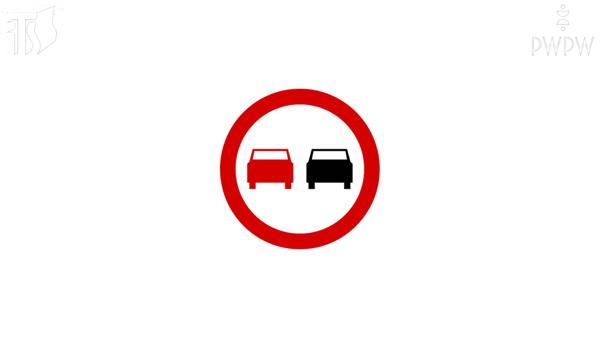
Is the permissible speed for a tram on the road marked with this sign 25 km/h?
B: No
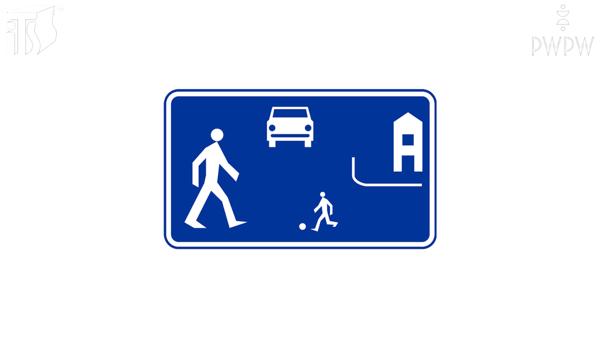
Does this speed limit apply to the tram driver?
A: Yes
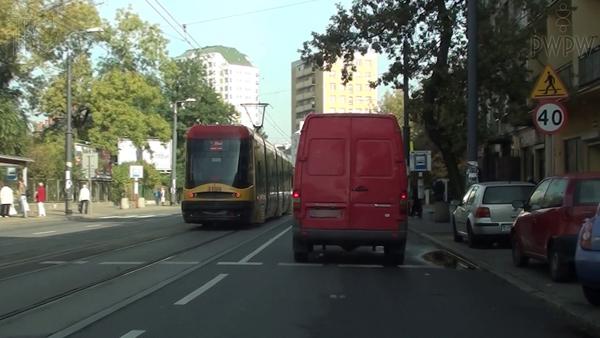
Does this sign oblige you to stop the tram before a railroad switch in every situation?
A: Yes
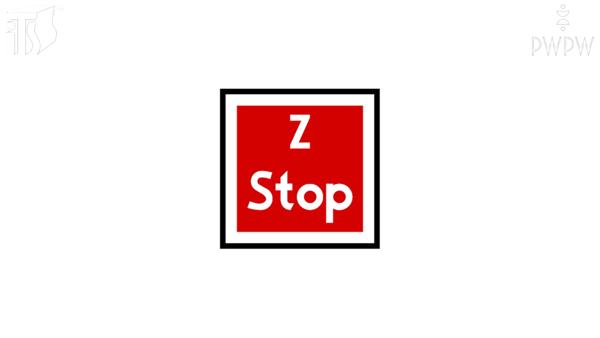
Does this sign forbid you to enter the rail switch without stopping?
A: Yes
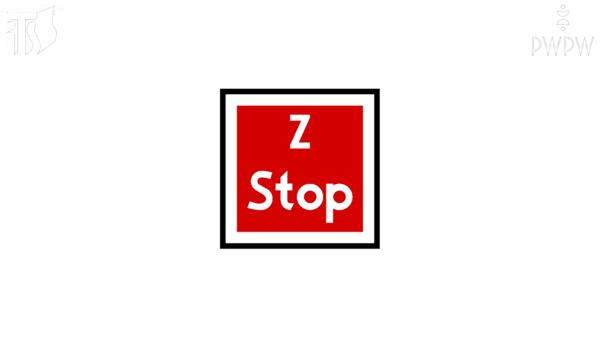
Does this sign prohibit you from exceeding the speed limit specified on the sign?
A: Yes
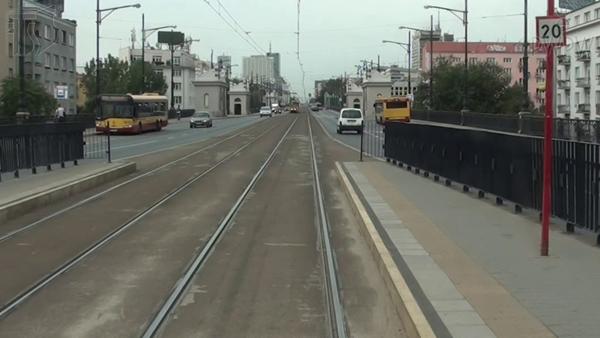
Is the prohibition expressed by this sign valid from the point of its location to the nearest crossroads?
B: No
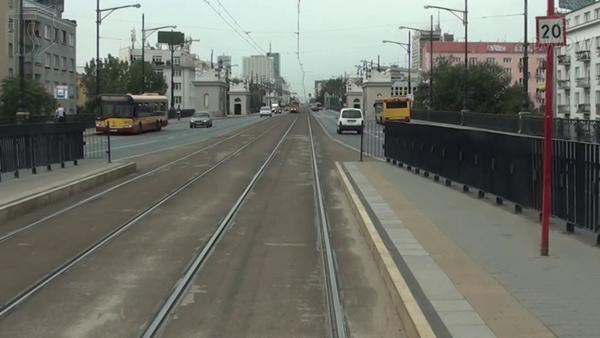
Is the prohibition expressed by this sign valid from its location to the nearest rail intersection?
A: Yes
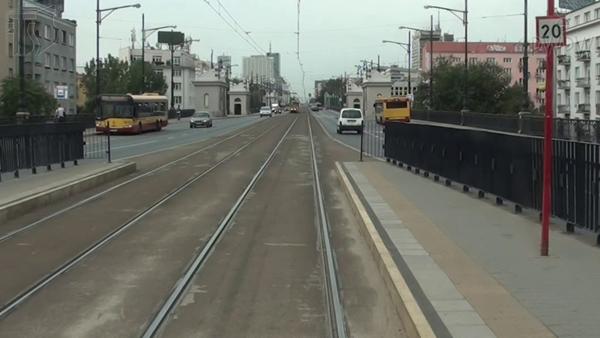
Does this sign prohibit you from entering the rail switch until it is unblocked?
B: No
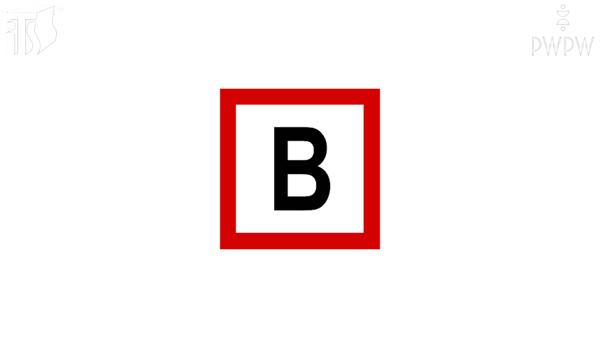
Can you drive at a speed of 20 km/h beyond this sign?
A: Yes
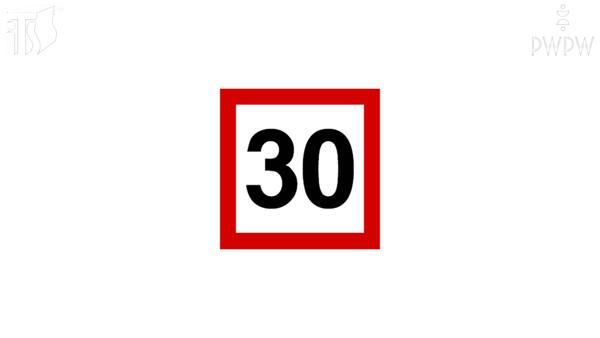
To what place does the maximum speed indicated on this sign apply to?
B: The place indicating its end with the help of an appropriate sign.
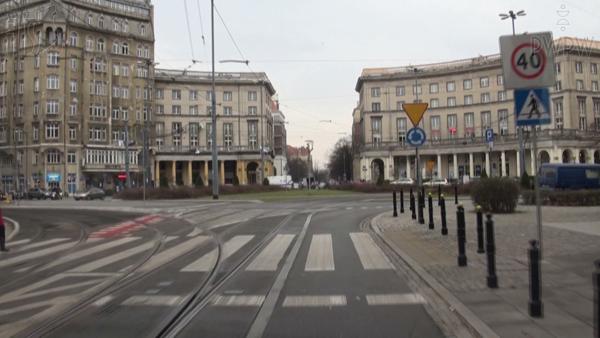
To what place does the maximum speed indicated by this sign apply to?
A: The intersection of the track.
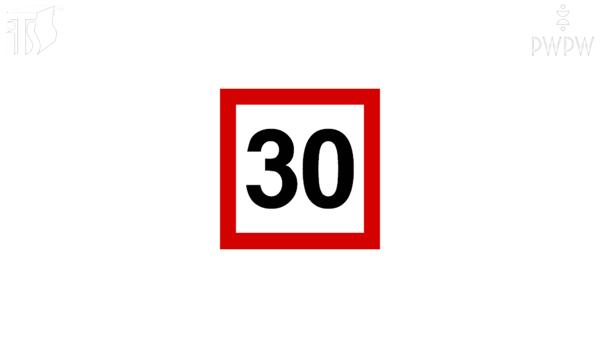
In which of the following vehicles can you enter the road marked this way?
C: In a tractor, if you are performing a cleaning job on the road.
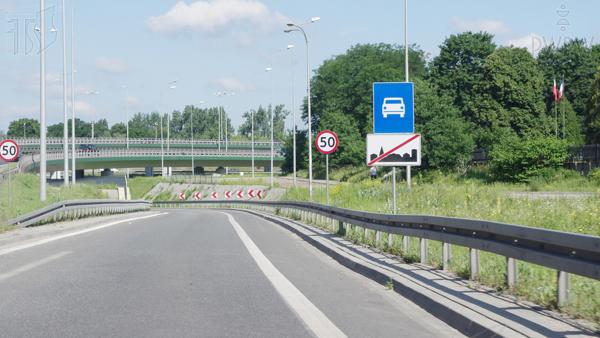
Does this sign, if not previously revoked by a sign indicating the end of a speed limit zone, apply to the nearest intersection?
B: No
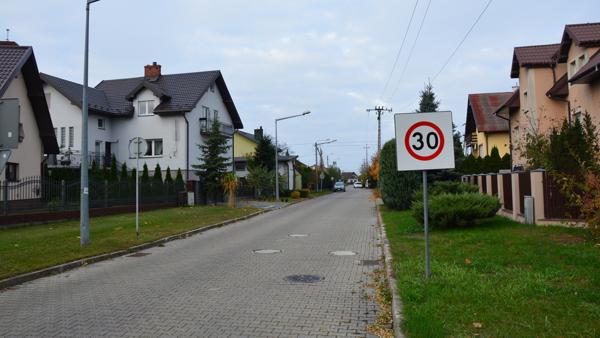
Does the depicted sign revoke the ban expressed by the B-35 "no stopping"?
B: No
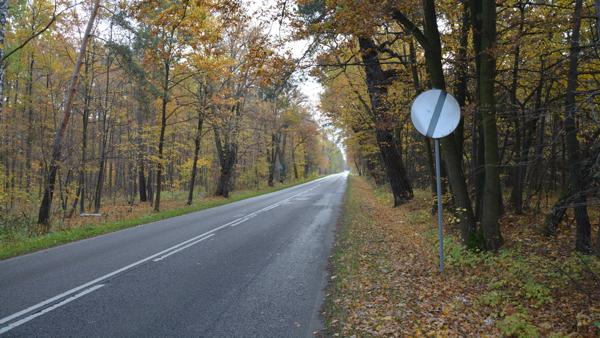
Does this sign, along with the plaque, prohibit stopping in front of it on the side of the road on which it is located?
B: No
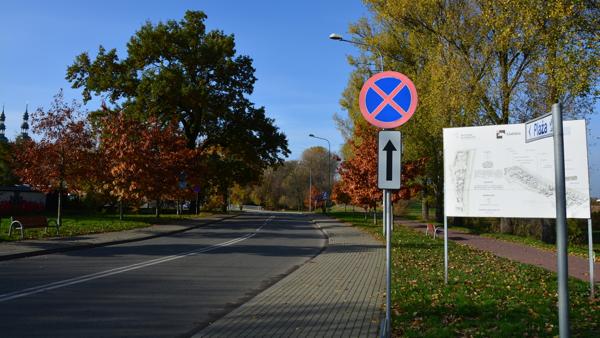
Does this sign, along with the plate, forbid stopping in front of it on the side of the road on which it is located?
A: Yes
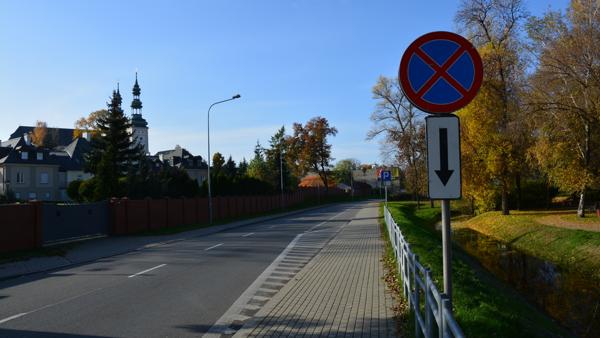
Does this sign forbid you from making a U-turn at the nearest intersection?
B: No
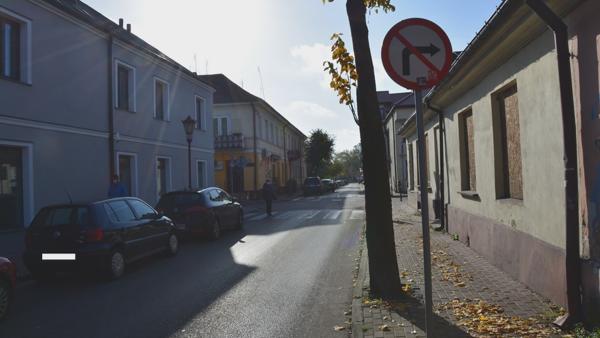
Does the presented sign apply to a moped driver?
A: Yes
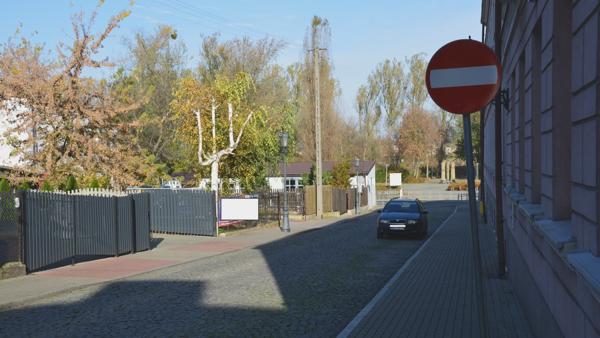
In this situation, are you obliged to turn right at the nearest intersection?
B: No
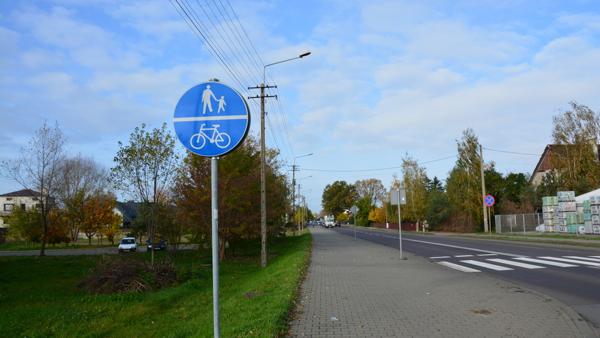
This sign indicates a road for pedestrians, which cannot be used by cyclists.
B: No
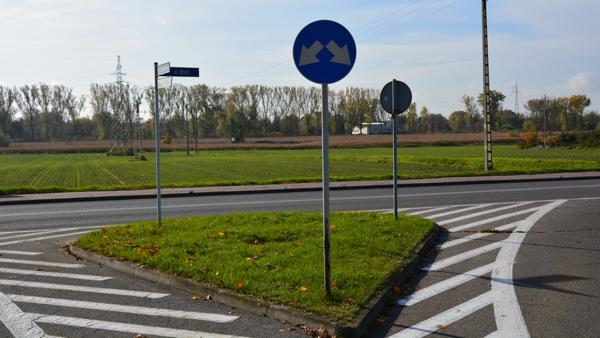
On seeing this sign, can the driver drive on its left or right?
A: Yes
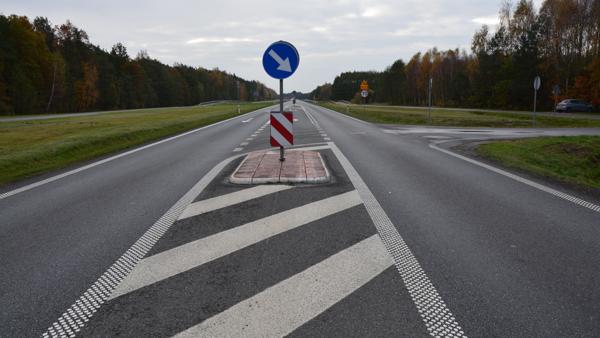
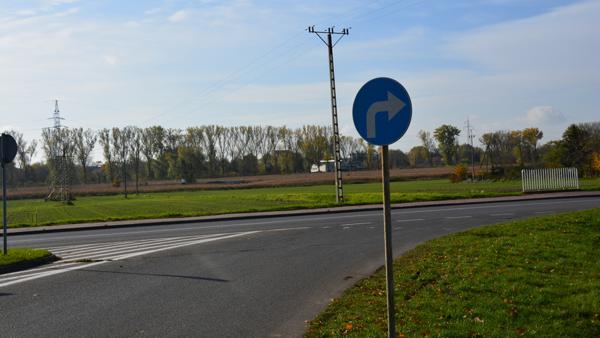
Does this sign oblige the driver to turn right at the nearest intersection?
A: Yes
Does the value given on this sign refer to the gross vehicle weight of the vehicle?
A: Yes
Can you, while exercising extreme caution, continue driving straight ahead when transporting a disabled person with a parking permit?
A: Yes
If you are transporting a disabled person with an accessible parking permit, may you, subject to special caution, ignore the presented prohibition sign?
A: Yes
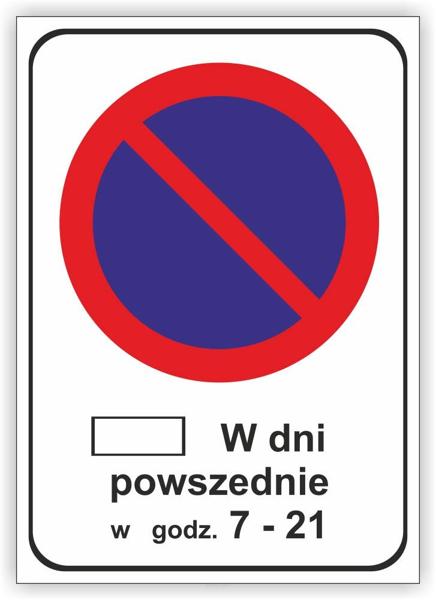
Are you exempt from complying with the visible prohibition sign when transporting passengers with reduced mobility by car?
B: No
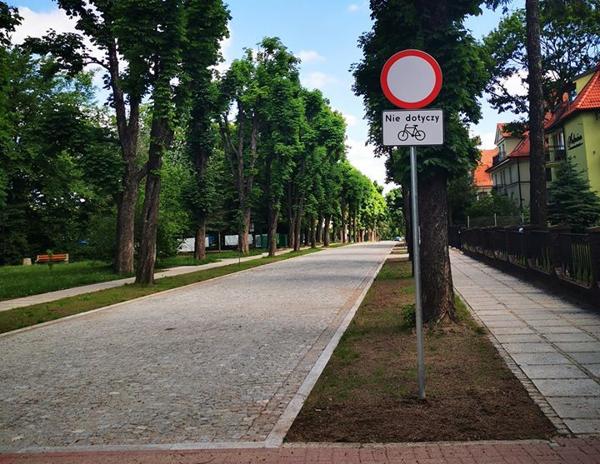
Can a driver with an accessible parking permit ignore the visible prohibition sign when driving a passenger car?
A: Yes
Can a driver with an accessible parking permit ignore the visible prohibition sign when driving a passenger car?
B: No