Information, direction, location and supplementary signs
145 questions in this category
Information signs in Poland use blue or green rectangular backgrounds and provide drivers with useful guidance about road conditions, services, and directions. Supplementary signs (tabliczki) are small plates mounted below other signs that add context such as distance, time restrictions, or vehicle categories. Direction signs use color coding: green for motorways, blue for national roads, and white for local roads.
Why This Category Matters on the Exam
Expect 2-4 questions on information and supplementary signs per exam. While these signs do not indicate prohibitions or dangers, the exam tests whether you understand their precise meaning. Questions often focus on supplementary plates that modify the meaning of the main sign above them, which catches many candidates off guard. Correctly interpreting direction signs is also tested, especially motorway junction layouts.
Common Mistakes and Tips
The biggest pitfall is ignoring supplementary plates. A parking sign with a plate showing "Mon-Fri 8-18" means parking restrictions only apply during those hours. Many candidates also confuse the pedestrian crossing information sign (blue square) with the warning sign (triangle), which have completely different legal implications. In Poland, the green motorway signs indicate roads with speed limits of 140 km/h, while blue expressway signs indicate 120 km/h limits. Direction signs in Poland also include European route numbers in green boxes, which differ from the domestic numbering system. Always read the entire sign assembly, including all supplementary plates, before answering.
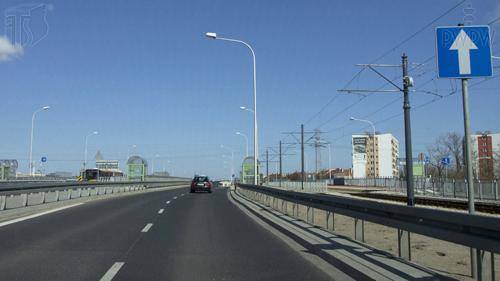
Can you expect cyclists coming from the opposite direction on this road?
A: Yes
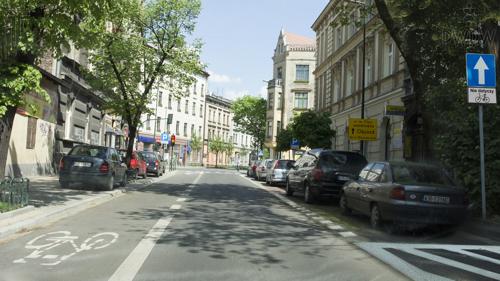
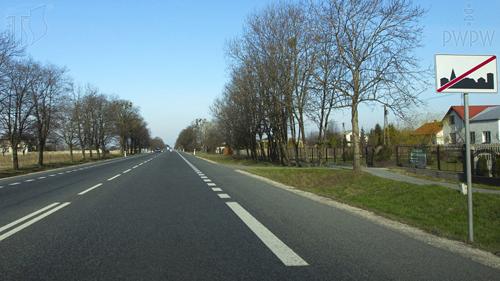
Does this sign indicate the end of the built-up area?
A: Yes
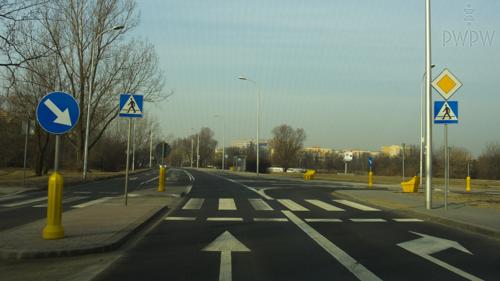
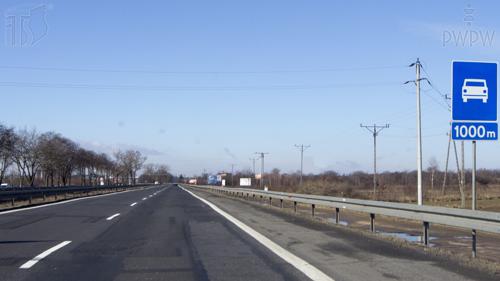
Beyond this sign, are you allowed to stop in any place by the right edge of the roadway to drop off a passenger?
B: No
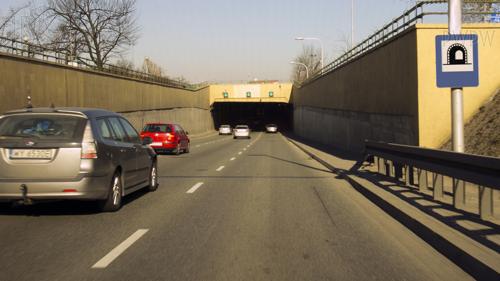
Does this sign indicate the beginning of a built-up area?
A: Yes
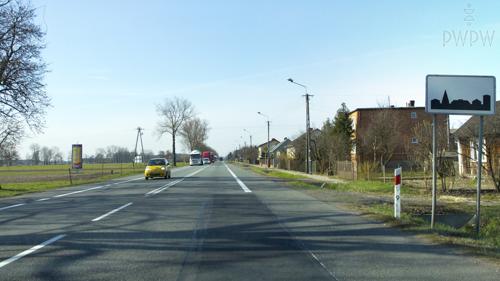
Does this sign indicate the end of a built-up area?
B: No
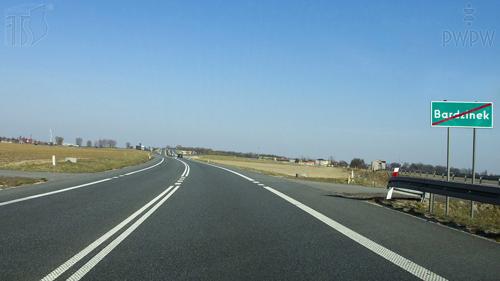
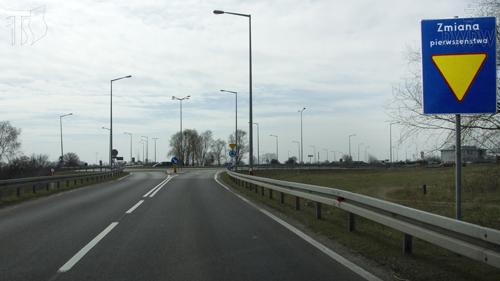
If you go straight on will you be driving on a major road?
A: Yes
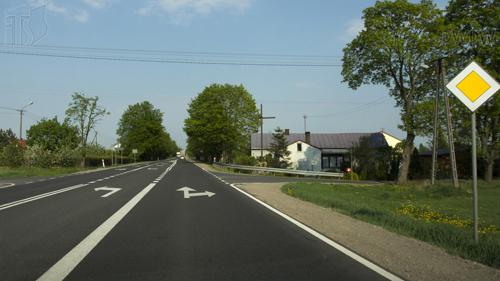
Are you informed in this situation of the end of the priority road?
A: Yes
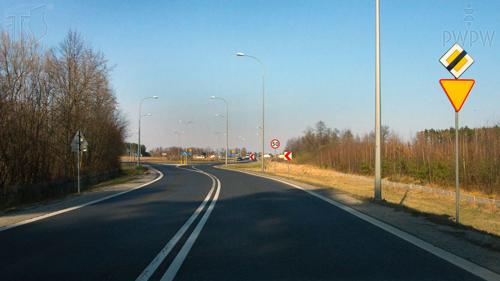
May the devices forcing slow driving beyond this sign not be marked with warning signs?
A: Yes
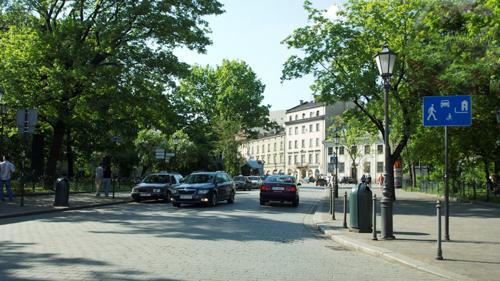
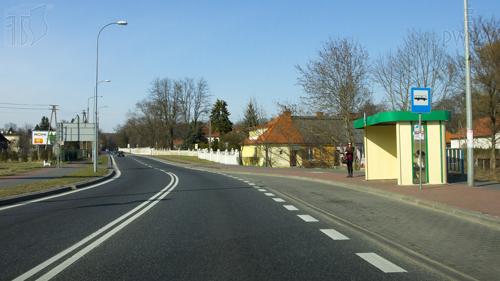
In case of the vehicle being stopped by traffic congestion, are you obliged beyond this sign to keep a distance of not less than 5 metres from the vehicle in front?
A: Yes
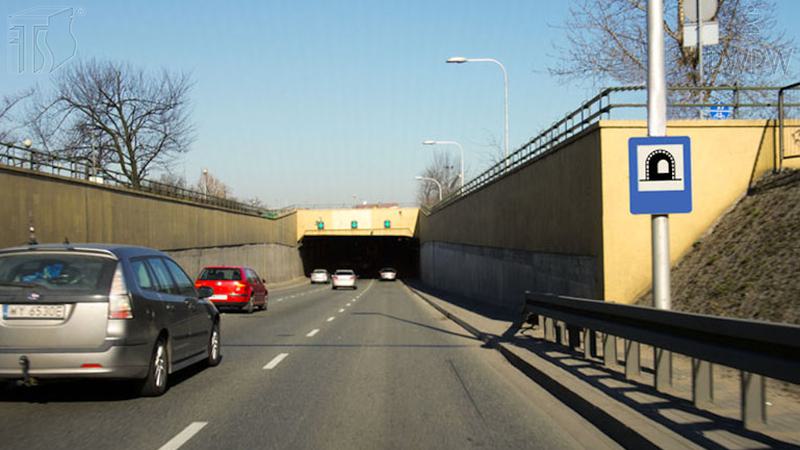
Are you informed in this situation of the beginning of a major road?
B: No
Are you allowed in this situation to use the lane by the right edge of the road on Sundays?
A: Yes
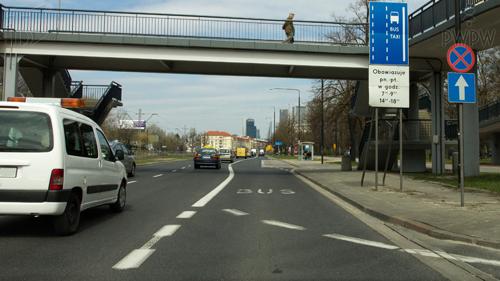
Does this sign indicate that the road you are taking is a minor road?
B: No
Are you warned in this situation of approaching an intersection at which the right of way is not established by signs?
A: Yes
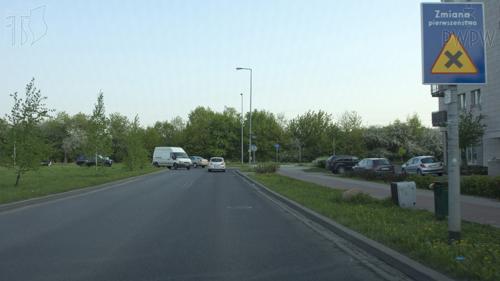
Is traffic allowed only for authorised vehicles on the right lane of the road beyond this sign?
A: Yes
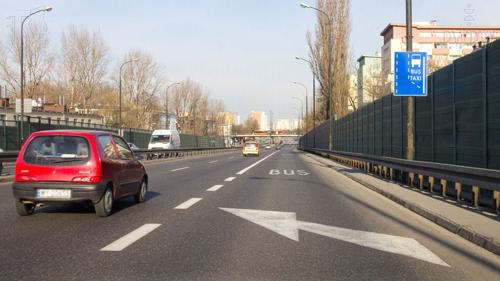
Does this sign indicate that you are obliged to drive straight ahead at the nearest intersection?
B: No
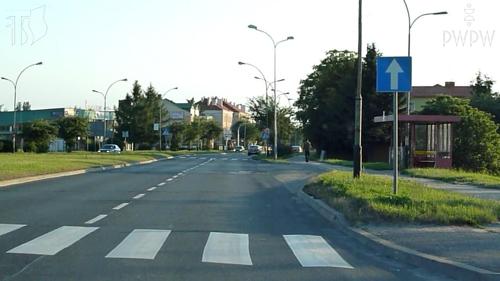
When you approach a place marked with this sign, are you obliged to exercise special caution?
A: Yes
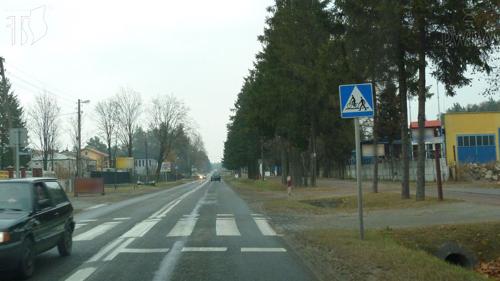
On a road marked in this way, can you drive a passenger car at a speed of 100 km/h?
A: Yes

Beyond this sign, is 120 km/h the maximum speed at which you may drive a passenger car?
B: No
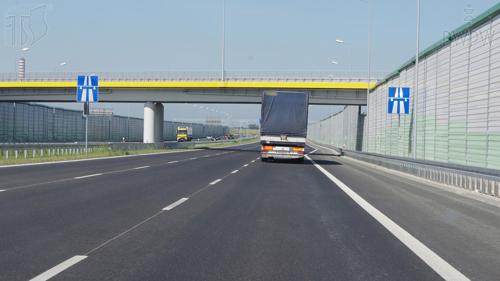
On a road, once you go past this sign, can you drive at a speed of 30 km/h?
B: No

In this situation, are you obliged to give right of way to the vehicle approaching from the right side?
A: Yes
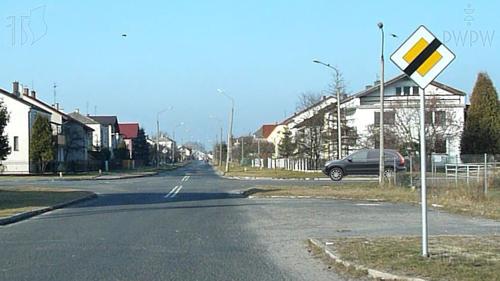
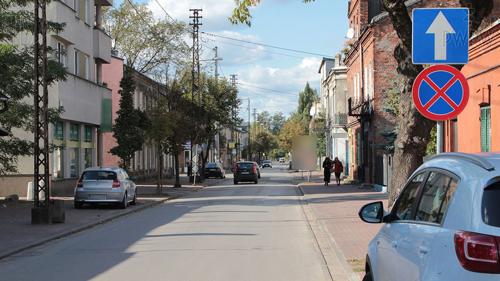
On a road, once you go past this sign, can you make a U-turn?
A: Yes
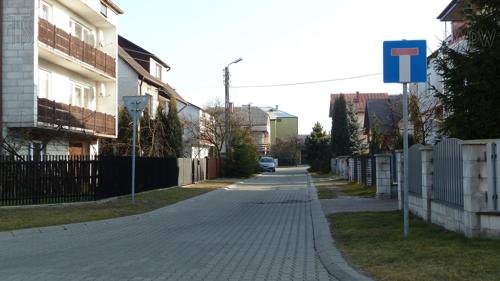
Does the first sign you see here tell you to drive with a speed of up to 50 km/h?
B: No

Does this sign inform you of approaching an exit from the motorway?
A: Yes
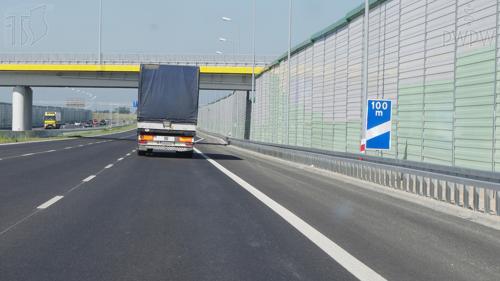
In this situation, when you're changing lanes, are you obliged to use your turn signal?
A: Yes

On a road, once you go past this sign, can you drive at a speed of 20 km/h?
A: Yes

On a road, once you go past this sign, do you have the right of way over pedestrians?
B: No

On a road, once you go past this sign, are you obliged to give the right of way to pedestrians ?
A: Yes

On a road marked this way, can you drive a light four wheeled vehicle (microcar, quad)?
B: No
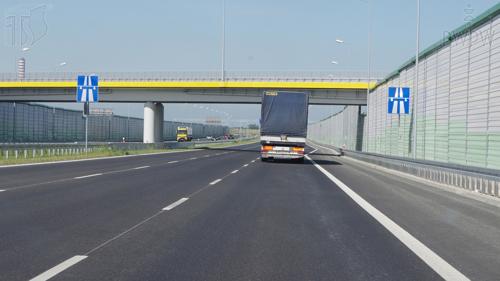
Does this sign indicate that you must turn right at the nearest intersection if you drive a passenger car?
B: No
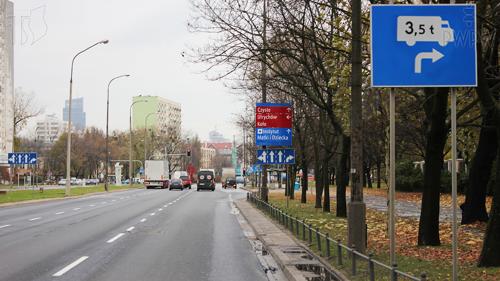
While driving a passenger car, can you turn right into the road marked this way?
A: Yes
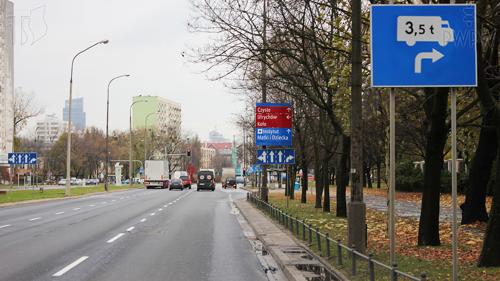
In this situation, as you continue driving, are you obliged to indicate your intention of changing lanes?
A: Yes


Does the plate under this sign indicate the real course of the road with the right of way across the intersection?
A: Yes

Does this sign inform you about the location of a youth hostel?
A: Yes

Does the sign on the right side of the roadway indicate the permitted driving directions from the individual traffic lanes?
A: Yes

In this situation, are you allowed to turn left from the traffic lane you are in?
B: No

Does this sign inform you of approaching the end of the motorway?
A: Yes

Are you allowed to turn left at the nearest intersection from the traffic lane you are in?
B: No


Does the vertical sign on the right side inform you about a place where cyclists ride across the road?
A: Yes

Does this vertical sign inform you that you are approaching a restaurant and a hotel?
A: Yes

Does the plate under this sign indicate the layout of non-priority roads?
A: Yes

Does this sign indicate that, after turning left at the intersection, you will continue moving on the major road?
A: Yes

After entering the road marked with these vertical signs, do you have the right to continue driving at a speed of 30 km/h?
B: No

Is it allowed to reverse a vehicle in a place marked with this information sign?
B: No

Are you entering the motorway in the presented situation?
B: No

While driving on this traffic lane, do you have the right to continue driving straight ahead?
B: No

You intend to make a U-turn at this intersection. Are you on the right traffic lane?
B: No

Can you perform a U-turn manoeuvre at this intersection from the outermost right traffic lane?
B: No
In this situation, seeing this horizontal sign in the form of triangles, are you obliged each time to stop before entering a road with priority?
B: No

Do you have the right to drive straight through the intersection from this traffic lane?
B: No

In this situation, do vehicles coming from the opposite direction have the right of way at the narrowed section of the roadway?
B: No
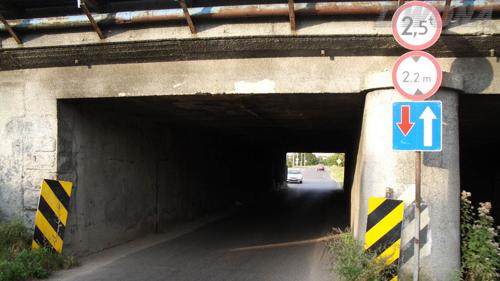
In the visible situation, do you have the right to change lanes and drive straight through the intersection?
B: No
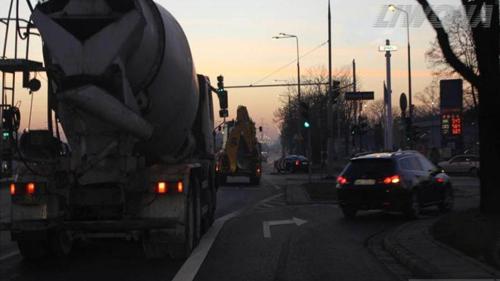
In the visible situation, do you have the right to change lanes to the left while exercising extreme caution?
B: No
In the visible situation, do you have the right to change lanes to the right?
B: No
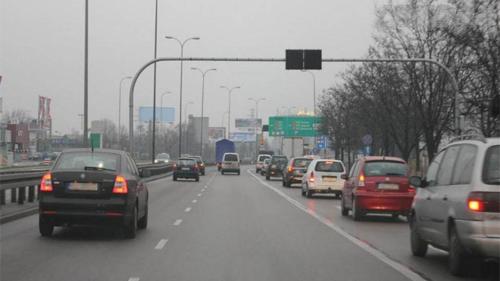
In this situation, are you warned that turning right beyond the sign you will run into a dead-end road?
A: Yes

In this situation, are you on a road with the right of way?
A: Yes

In this situation, stopping the vehicle to yield the right of way should occur directly before the mandatory stop line?
A: Yes

Do the visible horizontal signs in the form of arrows on the roadway, impose driving solely in the indicated direction from the traffic lanes on which they are currently driving?
A: Yes

Does the visible horizontal sign separate traffic lanes designated for pedestrian traffic in the same direction?
A: Yes

You are on this lane. Are you only allowed to drive straight through the intersection?
A: Yes

Are you obliged, on an internal road marked with the relevant road sign to adhere to the road signs presented here?
A: Yes
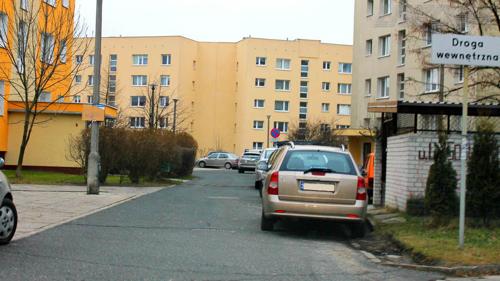
In the situation presented, are you on a road with the right of way?
A: Yes
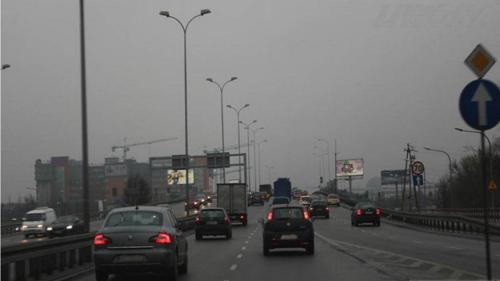
In this situation, are you approaching a place where cyclists may cross a transverse road?
A: Yes
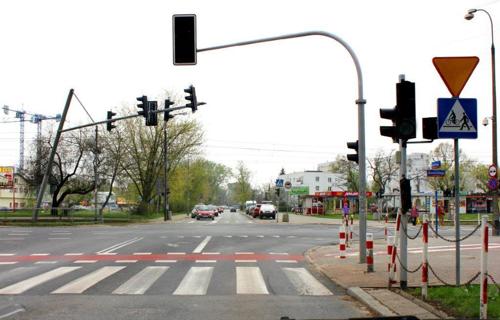
In this situation, are you approaching a crossing for cyclists and pedestrians?
A: Yes
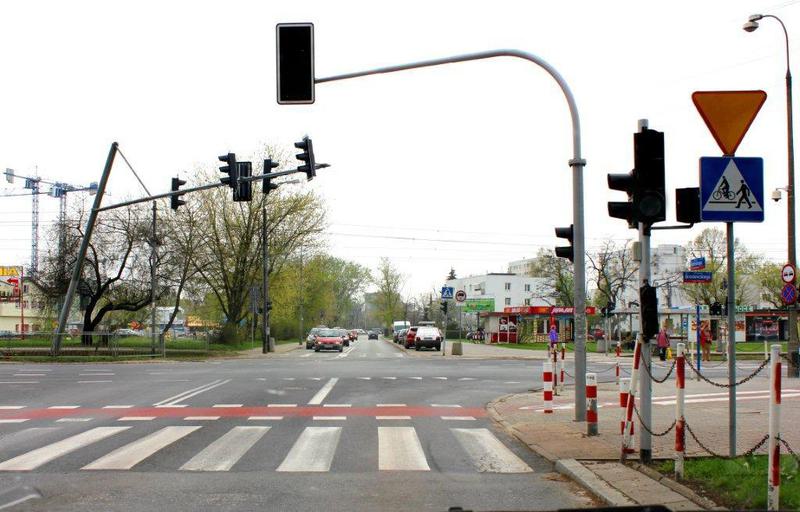
In the visible situation, are obliged to quickly return to the right side of the roadway?
A: Yes
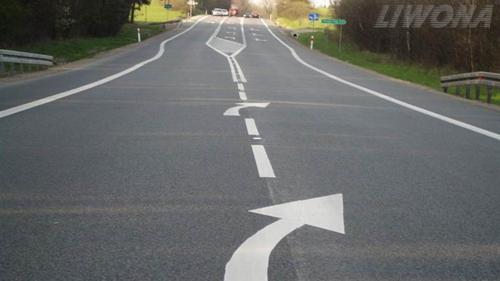
In the visible situation, do the horizontal signs on the roadway allow you to change lanes to the left?
A: Yes
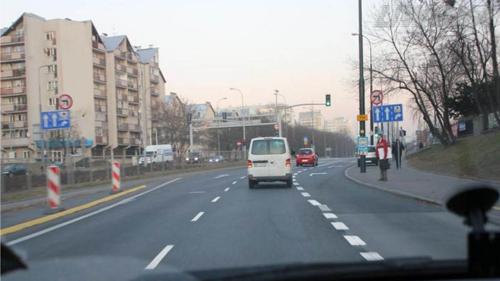
Are merging into traffic behind this information signs?
A: Yes
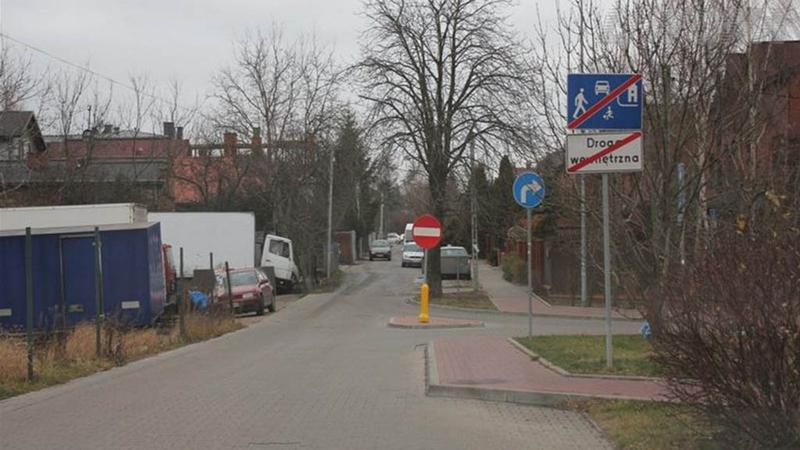
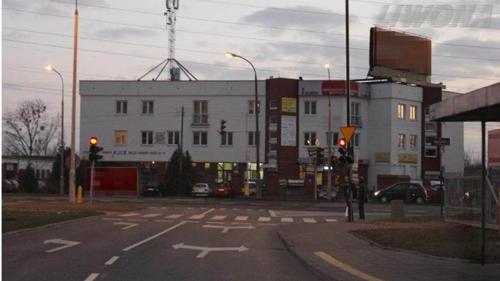
Are you entitled to turn left at the intersection from this lane after the traffic lights turn green?
A: Yes
When driving a motor vehicle, are you obliged to adhere to the orders and signals given at night outside a built-up area by the railway worker at the level crossing?
A: Yes

In the presented situation, are you obliged to yield way to the vehicle coming from the right?
B: No
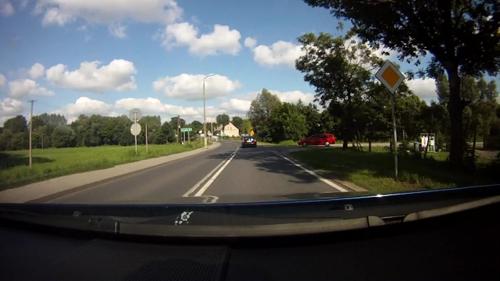
In the presented situation, do you have priority over the vehicle coming from the right?
A: Yes
In this situation, when turning left at the nearest intersection are you entering a no through road?
A: Yes
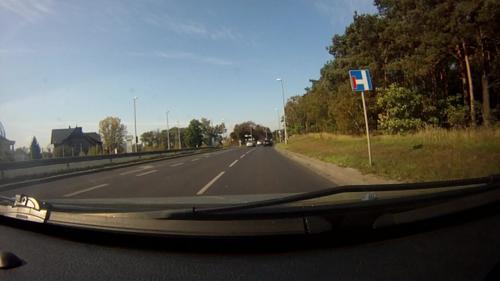
Does the visible sign indicate the end of the motorway?
B: No

Does the visible sign indicate the end of the expressway?
A: Yes

Can you expect not to see warning signs behind the visible sign compelling drivers to drive slowly?
A: Yes

Does this sign indicate the end of the expressway?
B: No

Are you allowed to turn left from the lane you are occupying at the nearest crossroads?
B: No

In this situation, are you being warned of three dangerous bends?
A: Yes

Do you always have the right of way when turning left at this crossroads?
B: No

When driving a passenger car, are you allowed to turn right after this sign?
A: Yes

Are you approaching a crossroads from a road with right of way?
A: Yes

In this situation, does the expressway end immediately after the visible sign?
B: No
In this situation, are you entitled to continue driving without stopping?
A: Yes

In this situation, are you driving on a road with right of way?
A: Yes

In this situation, are you allowed to continue driving straight ahead in the outermost right lane?
A: Yes

In this situation, are you approaching a crossroad with a side road to the left?
A: Yes

In the presented situation, are you approaching a crossroad with a side road?
A: Yes
You are driving a vehicle with an LPG installation. Does the visible sign on the right tell you to turn right in 150 metres?
B: No

Does this sign apply to vehicles with explosives or flammable materials?
A: Yes
In this situation, are you exiting a residential area?
B: No

Can you travel at any speed beyond this sign?
B: No
In this situation, are you entering a built-up area?
B: No
Does the visible sign indicate lanes intended for driving in the given directions?
A: Yes

Can you perform a U-turn in this situation?
B: No
Can you turn left at the nearest crossroads?
A: Yes

Does this sign indicate the end of a road with right of way?
B: No

In this situation, are you approaching a crossroad with a side road?
A: Yes
Does the visible plate under the warning sign indicate the layout of the tracks and roads at the tram crossing?
A: Yes

Should you exercise extreme caution in this situation?
A: Yes
In this situation, does the speed limit apply only to the outermost right lane?
B: No

You intend to turn left at the crossroads. Must you signal this manoeuvre with a left turn signal?
A: Yes

In this situation, should you exercise extreme caution even though there are no pedestrians around the crossing?
A: Yes

Should you always stop before a pedestrian crossing marked as such?
B: No
In this situation, are you approaching a vehicle service station?
A: Yes

You intend to exit the motorway in the direction towards Pruszków. Should you change lanes to the right?
A: Yes

In this situation, do the signs notify you of the end of the lane on the right side of the roadway?
B: No

In this situation, do the signs notify you of the end of the lane on the left of the roadway?
A: Yes
In this situation, do the signs notify you of the end of the expressway?
A: Yes

In this situation, are you entering the motorway?
B: No

Are you obliged to follow instructions or signs given by the pilot of the overnormative vehicle?
A: Yes
Are you allowed to increase your speed to 130 km/h beyond this sign?
B: No

Beyond this "residential area" sign, can you expect to see devices enforcing slow driving without warning signs?
A: Yes

Does this road sign warn of the beginning of the stretch of road where the average speed is controlled and recorded by a stationary recording device?
A: Yes

Does this sign indicate entry into a green transport zone?
A: Yes
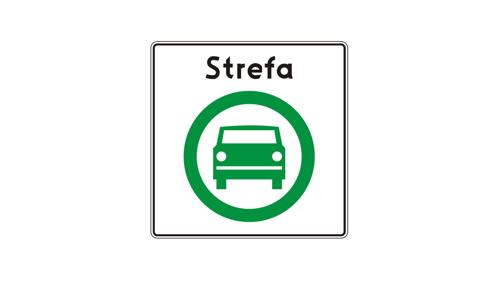
Does this sign permit only electric vehicles to enter the green transport zone?
B: No
Does this sign allow hydrogen-powered vehicles to enter the green transport zone?
A: Yes
Does this sign permit a vehicle that runs on natural gas to enter the green transport zone?
A: Yes
Can a driver expect to see pedestrians using the full width of the road beyond this "residential area" sign?
A: Yes
Does this sign indicate that you are passing in front of a driver approaching from the opposite direction?
A: Yes

Does this sign indicate an exit from a town?
A: Yes
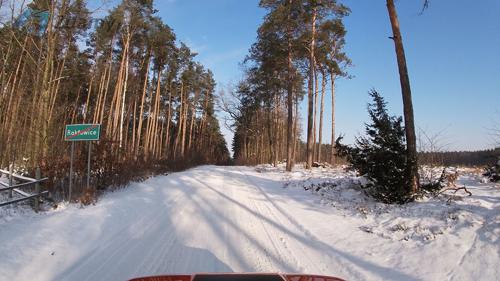
Does this sign indicate entry to a town?
A: Yes
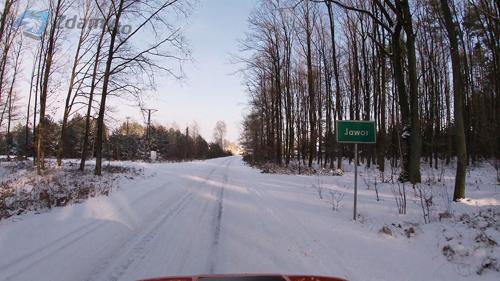
Are you entering a built-up area in the presented situation?
A: Yes
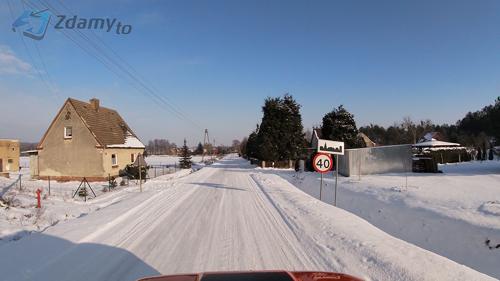
Does this sign indicate that children are accompanied at this point through the road by an authorized person?
B: No
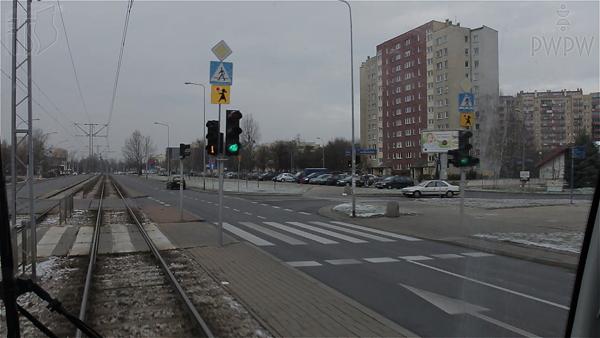
In this situation, should you anticipate that children often use this crossing?
A: Yes
Does this information sign indicate the start of a multi-track section?
B: No
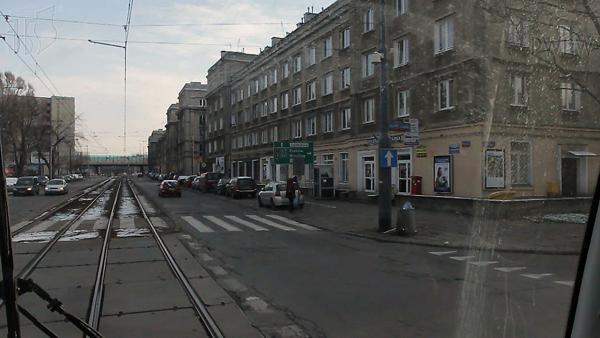
Does the sign on the overhead wire indicate that you are approaching a junction with a change induced signalling device?
A: Yes
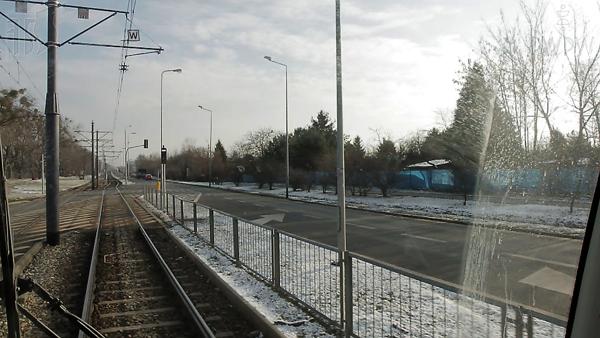
When approaching a place marked with this sign, should you reduce the speed so as not to endanger the safety of pedestrians or cyclists on the pedestrian crossing or level crossing?
A: Yes
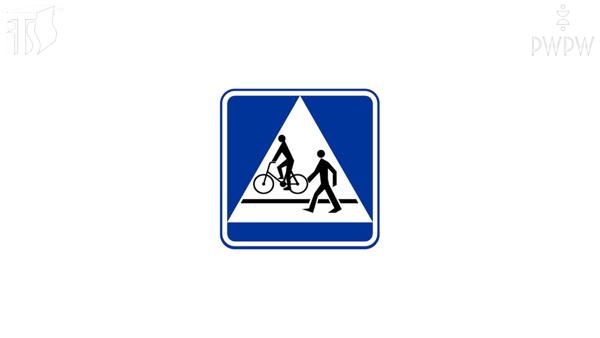
When you approach a place marked with this sign, should you reduce the speed so as not to endanger the safety of cyclists entering it?
A: Yes
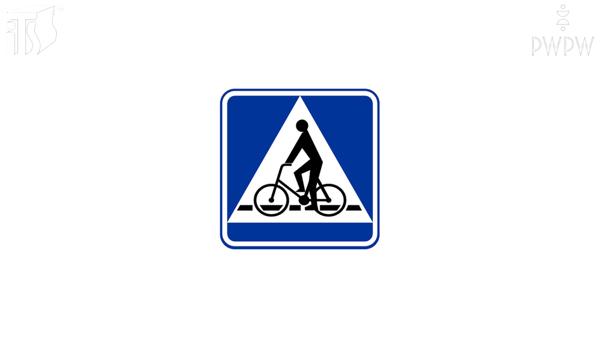
Does this sign inform you of a pedestrian crossing that may be used by cyclists?
B: No
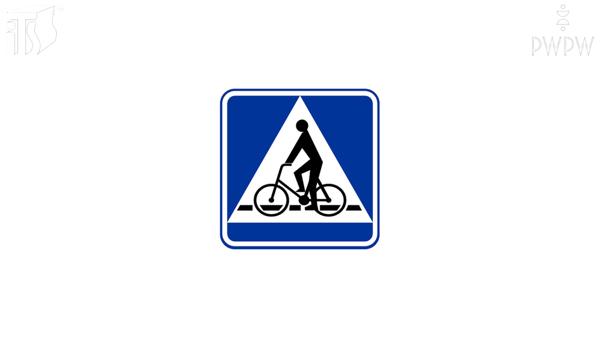
After turning right at the nearest intersection, will you be driving towards Nadarzyn?
A: Yes

Will you be driving on a one-way street beyond this road sign?
B: No

Do pedestrians using the road in this area have priority over the vehicle?
A: Yes

Can you expect unlabeled speed bumps in a zone marked as such?
A: Yes
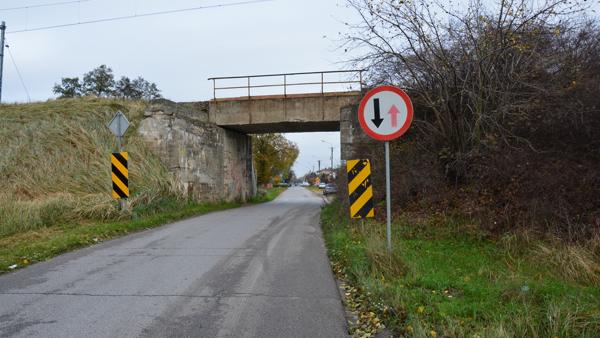
In this situation, do you have priority over the driver approaching from the opposite direction?
B: No
After turning left at the nearest intersection, will you be travelling in the direction of Prażmów?
B: No

Does this sign indicate that you are entering a built-up area?
A: Yes

Does vehicle traffic move in only one direction beyond the nearest visible sign?
B: No