Horizontal road markings
146 questions in this category
Horizontal road markings in Poland are painted on the road surface and provide guidance on lane usage, permitted maneuvers, and traffic separation. They include continuous and dashed lines, arrows, crosshatched areas, and special symbols. Polish road markings follow European conventions but have some unique characteristics that differ from UK or US standards.
Why This Category Matters on the Exam
Road markings appear in 2-3 exam questions and are often combined with situational scenarios. The exam tests whether you understand the difference between advisory and regulatory markings, particularly regarding overtaking and lane changes. Since road markings work together with vertical signs, questions may present conflicts between the two to test your knowledge of which takes priority.
Common Mistakes and Tips
The most critical rule to remember is that in Poland, a single continuous white line absolutely prohibits crossing or straddling, while a dashed line permits lane changes. When a continuous line runs parallel to a dashed line, you may only cross from the dashed side. Many candidates confuse the yellow markings (which indicate temporary road works and override white markings) with permanent markings. Polish pedestrian crossings use white parallel stripes (zebra pattern), and the exam frequently tests the legal obligations when approaching them. Arrow markings on the road are mandatory, unlike in some countries where they are merely advisory. Edge lines in Poland are continuous and mark the boundary of the carriageway.
Are you allowed in this situation to change the lane you are taking when you intend to go straight?
A: Yes
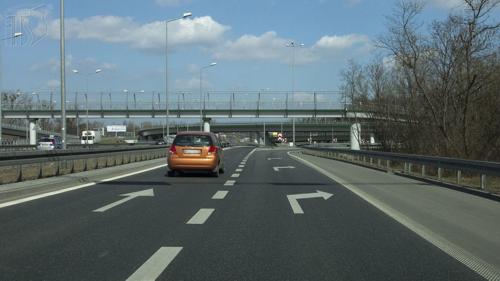
Are you allowed in this situation to drive onto the lane on the left?
B: No
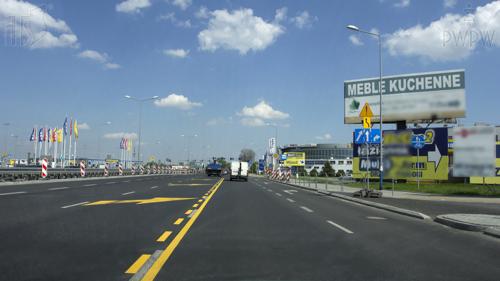
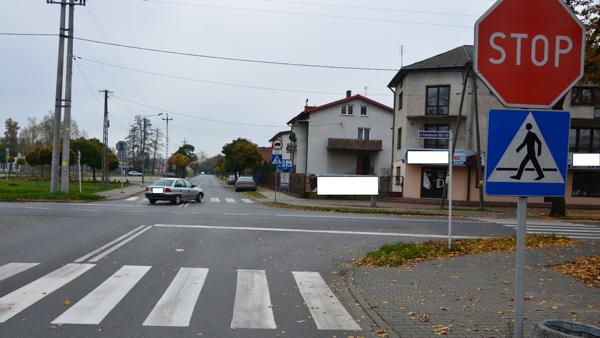
Does this horizontal sign define a place of obligatory stop, even if there is no vehicle approaching from either side?
A: Yes

Does this dashed line in this situation indicate a place to stop because of the "stop" sign?
B: No

Does this solid line in this situation indicate a place to stop because of the "stop" sign?
A: Yes

You intend to make a U-turn at this intersection. Are you taking the proper lane?
A: Yes

You are turning left at the intersection. After entering the crosswise road, do the horizontal signs allow you to take the lane by the right edge of the roadway?
A: Yes


Does the line composed of triangles indicate the place to stop your vehicle in order to give the right of way?
A: Yes


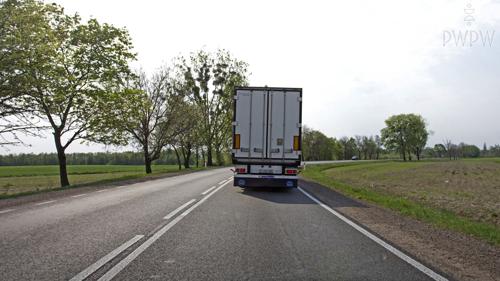
Are you allowed in this place, directly in front of the pedestrian crossing to, change the lane?
B: No

Does this horizontal triangular sign confirm the warning of an intersection with the main road?
A: Yes

Are you allowed in this situation to drive onto the adjacent right lane?
A: Yes

Does this crosswise dashed line indicate the place for conditional stopping of the vehicle?
A: Yes

Does this line indicate the place you must stop before entering the intersection?
A: Yes
Does this line indicate the stop spot that ensures the best visibility at the intersection?
A: Yes
Are you obliged to stop in the indicated place even when you have made sure that there are no other vehicles driving on the main road?
A: Yes
Are you allowed in this situation to drive onto the lane by the right edge of the road?
A: Yes

In this situation, do the red reflective point elements define the right edge of the roadway?
A: Yes
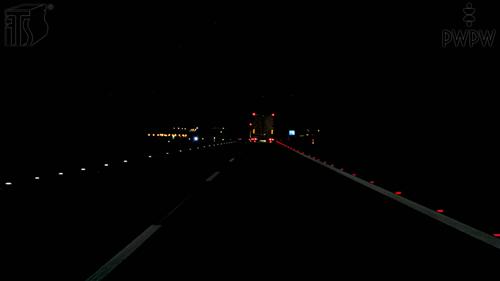
In the presented situation, is there a lane behind the line composed of red reflective road studs?
B: No
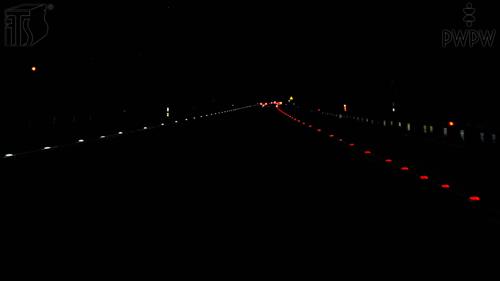
In the presented situation, is there a hard shoulder directly behind the line on the right, composed of white reflective road studs?
B: No
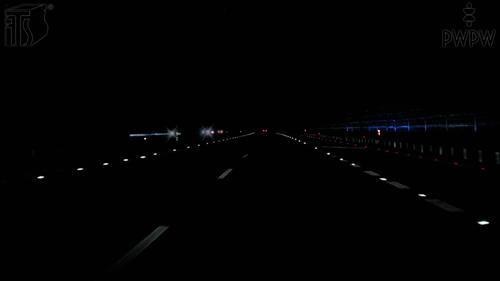
In the presented situation, do the white reflective road studs placed on the right side of the road inform you of the edge of the roadway?
B: No
Are you on a two-way road in the presented situation?
A: Yes
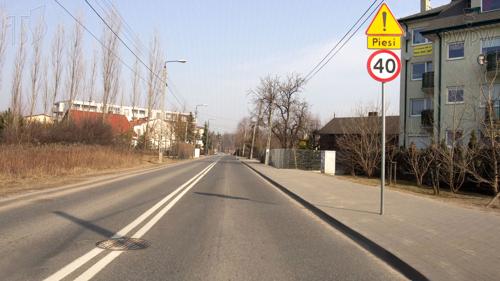
Is the right lane in this situation devoted to any vehicle?
B: No
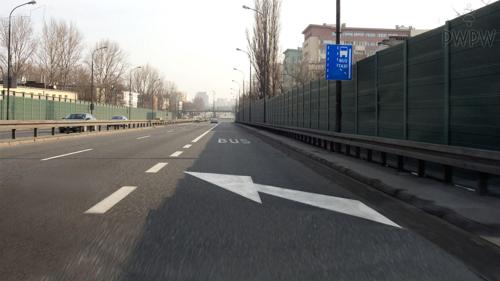
Are you changing the lane if you cross the white dashed line in this situation?
B: No
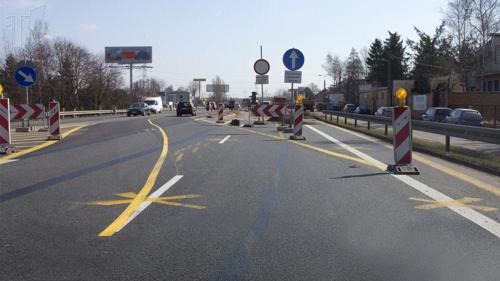
Does this horizontal sign prohibit changing lanes?
A: Yes
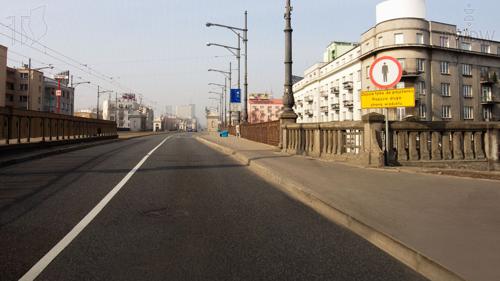
Are you allowed in this situation to drive a passenger car straight ahead on the lane you are taking?
B: No
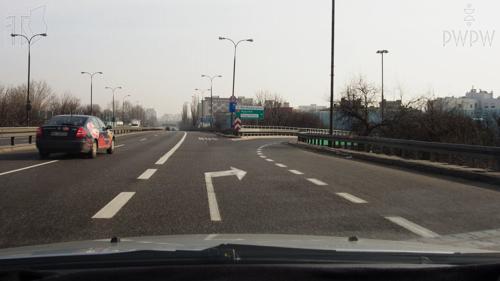
Are you allowed in this situation to use all lanes along the entire width of the roadway?
B: No
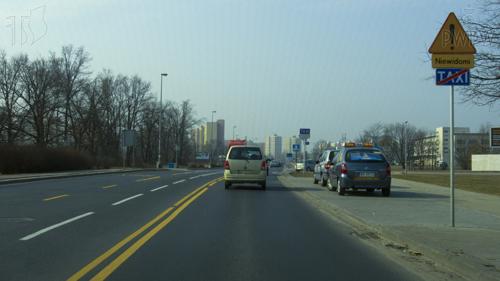
Are you allowed to turn right at this intersection from the lane you are occupying?
A: Yes
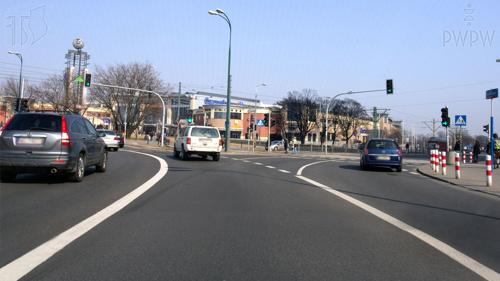
Are you allowed in this situation to change the lane you are occupying?
A: Yes
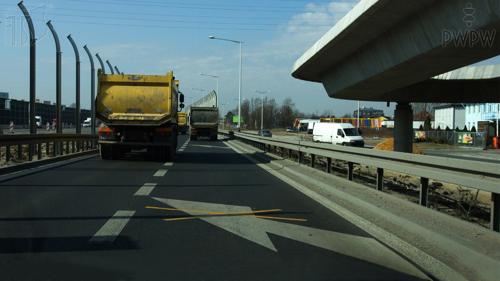
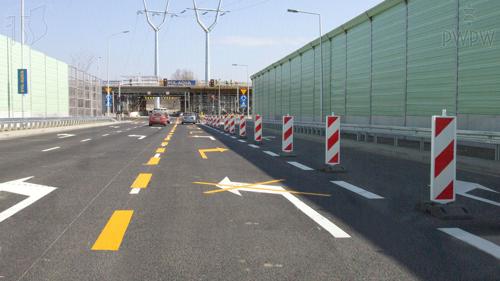
Is stopover of the vehicle allowed on this hard shoulder?
B: No
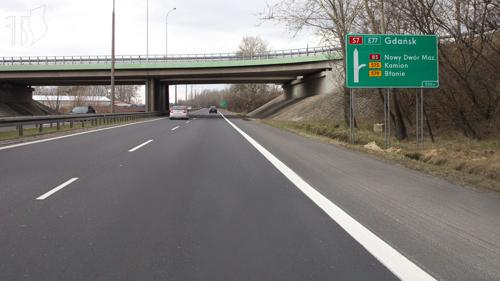
Are you allowed to stop your vehicle on this hard shoulder?
B: No
Are you allowed in this situation to change lanes in order to go straight?
B: No
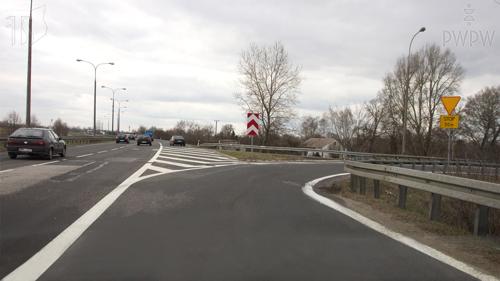
Are you allowed to make a U-turn at this junction in this situation?
A: Yes
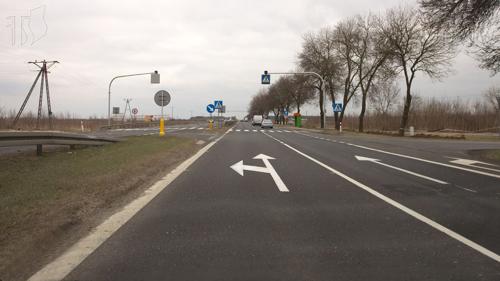
Are you allowed to make a U-turn at this intersection from the lane you are taking?
B: No
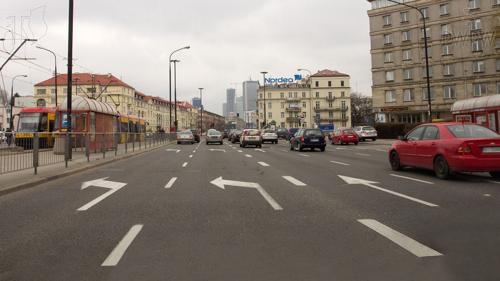
Are you allowed in this situation to drive onto the lane by the edge of the roadway?
B: No
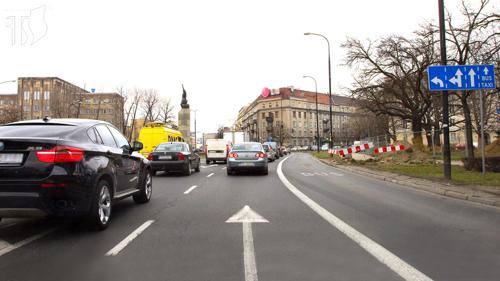
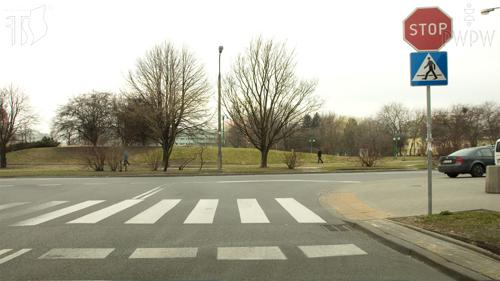
d8_orgbezmaski.jpg)
Is driving on this lane allowed only in the direction indicated by the arrow?
A: Yes
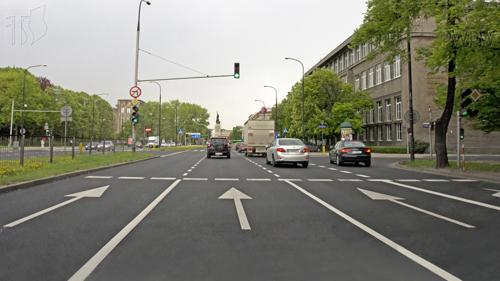
You are driving a motor vehicle. Are you allowed to go straight across the intersection from the lane you are occupying?
B: No
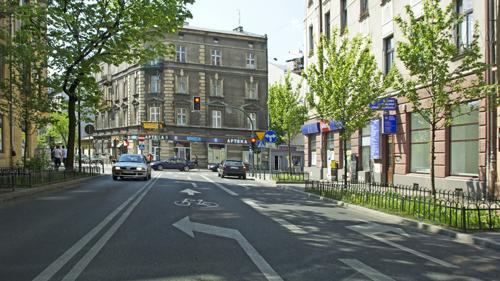
Are you allowed to change the lane in the place marked in such a way?
B: No
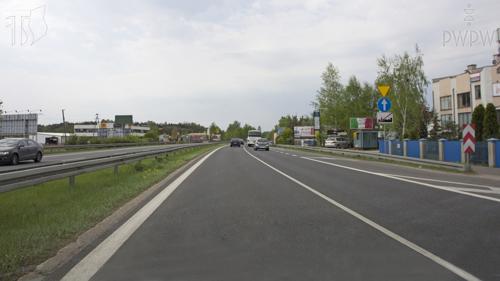
Are you allowed to stop your vehicle at this bus stop in order to drop off a passenger?
B: No
org.jpg)
Are you obliged in this situation to change the lane if you continue driving?
A: Yes
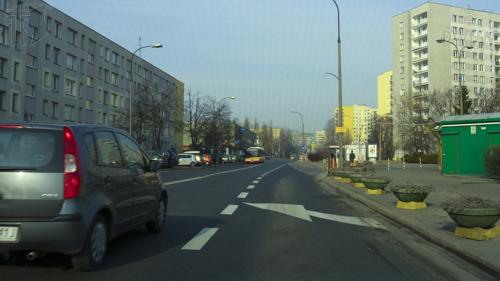
Are you allowed to turn left into the parking space situated by the road?
B: No
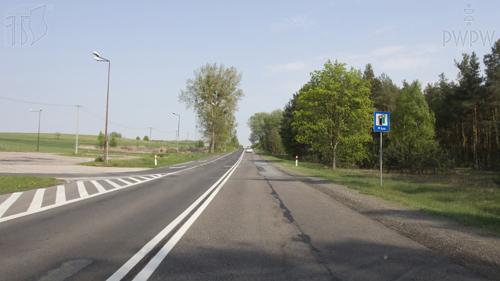
Are you allowed to drive into the parking space visible on the left side of the road marked in this way?
A: Yes
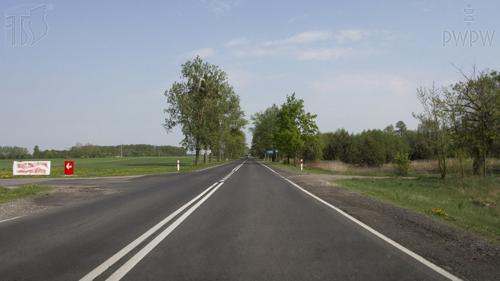
Are yo obliged to follow the yellow horizontal signs in this situation?
A: Yes
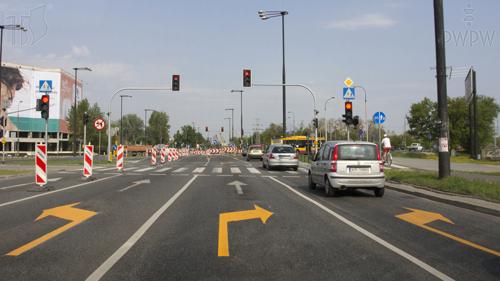
Are you allowed in this situation to drive straight on from the lane you are using?
B: No
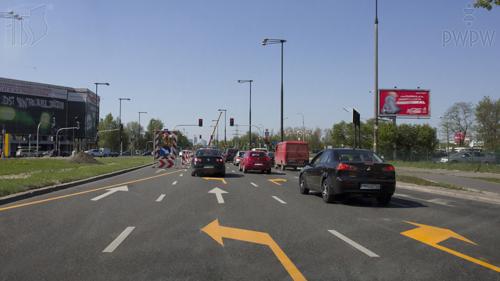
Are you allowed in this situation to change to the left lane if you intend to turn right?
B: No
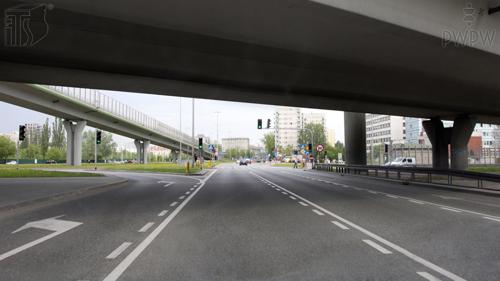
Do these horizontal signs allow you to turn left before the pedestrian crossing?
B: No
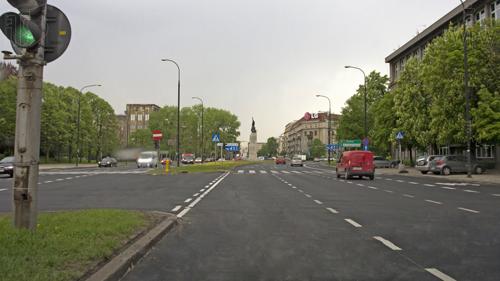
Are you allowed in this place to change the lane if you intend to drive straight on?
A: Yes
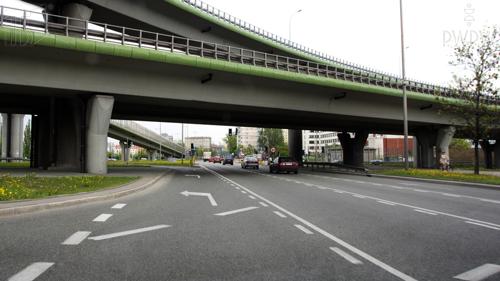
Are you obliged to stop the vehicle before the presented solid line?
A: Yes
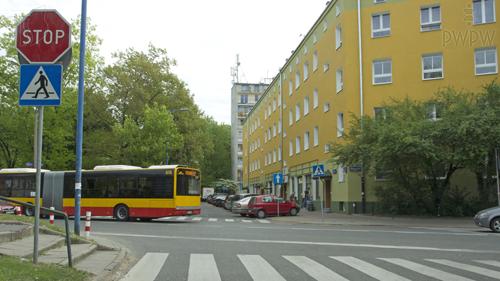
Are you allowed in this situation to drive into the intersection without stopping the vehicle before the presented solid line?
B: No
Does the horizontal dotted line visible in this intersection indicate continuation of the traffic lane occupied?
A: Yes
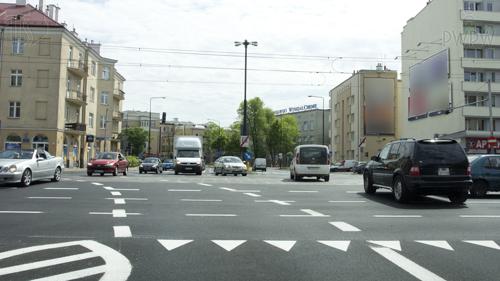
Does this triangular horizontal sign warn you of a place on the road where there is or might be a danger?
A: Yes
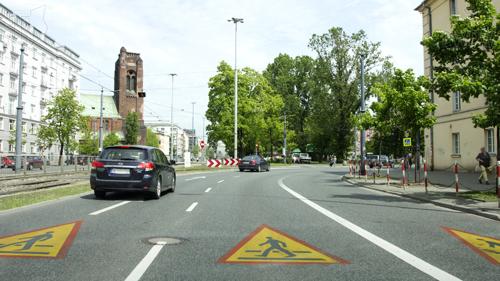
Does the line on the road composed of triangles indicate a place of conditional stop in order to yield the right of way?
A: Yes
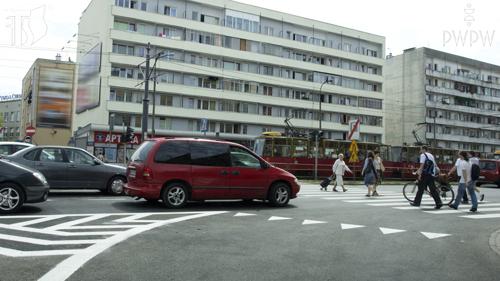
Are you allowed to overtake on the left of the vehicle moving on your lane in a place marked in such a way?
B: No
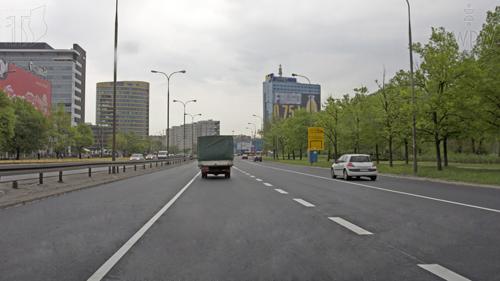
Are you allowed in this situation to drive into the petrol station through the entry on the left?
B: No
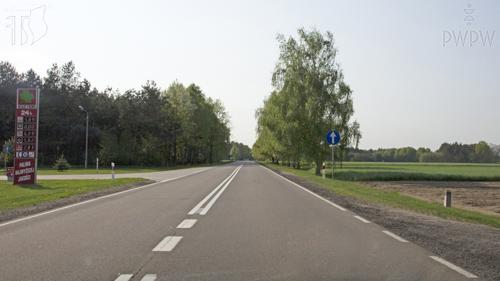
Does the horizontal sign indicate the place to stop in order to yield the right of way?
A: Yes
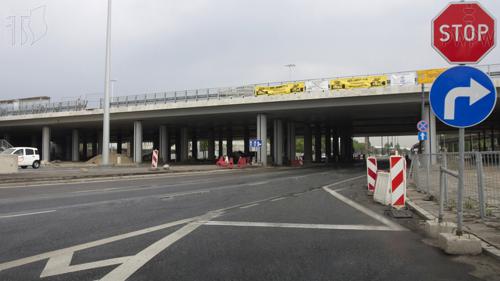
Are you allowed in this situation to comply with indications of the white arrows?
B: No

Are you allowed in this situation to turn to the parking space situated on the left-hand side of the road?
B: No

Does this horizontal sign indicate the place to stop only in the situation when there is a vehicle approaching on the transverse road?
B: No

Are you allowed in this situation to overtake the preceding vehicle?
B: No
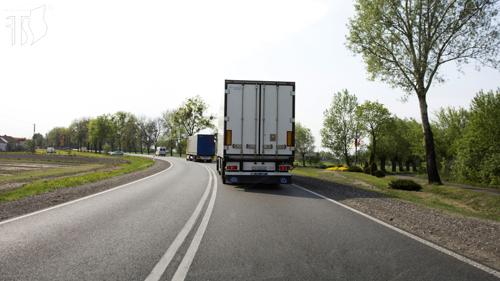
Does this line composed of white reflective road studs mark the left edge of the roadway?
A: Yes
Are you allowed in this situation to go straight across the intersection?
B: No

Do you have to comply with the yellow horizontal road signs in this situation?
A: Yes

Do these horizontal warning signs warn you of a place where there is or there might be a danger?
A: Yes
Are only authorised vehicles allowed to stop in the place marked with this stop line?
A: Yes
Do the white reflective elements mark the left edge of the road in this situation?
A: Yes
Are you allowed to drive across this intersection without stopping in the place marked with the solid line?
B: No
Does the line in front of you, composed of rectangles, indicate the place to stop the vehicle in front of the pedestrian crossing?
A: Yes
Are you allowed to turn left from the lane you are taking at the nearest intersection?
A: Yes
Can you make a U-turn from the lane marked in this way?
A: Yes
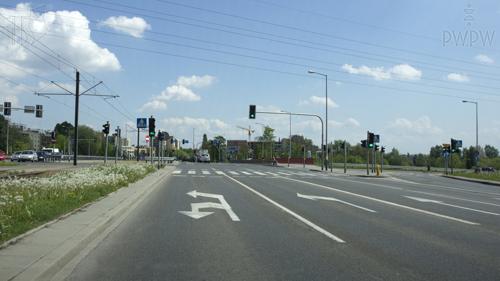
Does this "stop" sign on the roadway warn you of approaching a priority road?
A: Yes
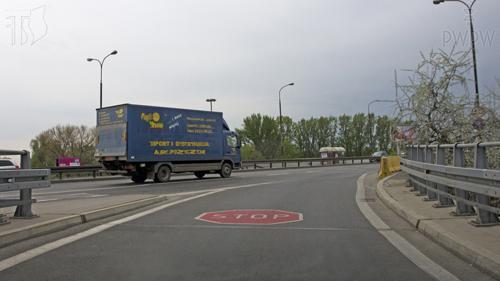
After turning left, do the signs on the crosswise roadway prohibit you from going to the right uttermost lane?
B: No
org.jpg)
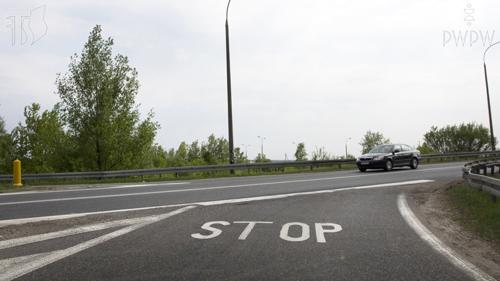
Does the word "STOP" on the roadway confirm the marking of the entry to the junction with a vertical "stop" sign?
A: Yes
Do these white reflective road studs placed on the right side on the dashed line divide the lanes in this situation?
A: Yes
Do these road markings tell you to change lanes by going to the next lane indicated by an arrow?
A: Yes

Does this road marking allow you to go straight through the intersection using this lane?
B: No
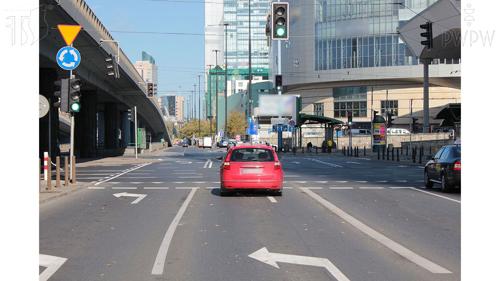
Does this road marking allow you to make a U-turn?
A: Yes

Does this road marking allow you to go straight in this lane?
B: No

Can you stop a passenger car in a spot designated as a stop area (a zigzag line)?
B: No
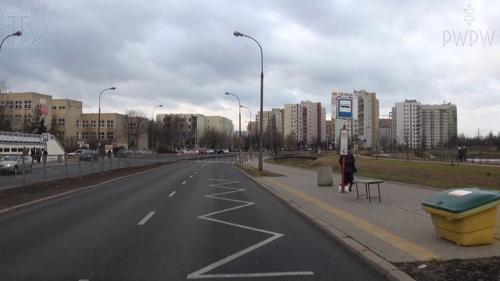
Does this road marking designate a parking lane?
A: Yes
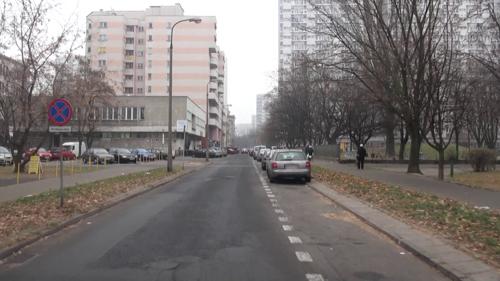
On a line marked by triangular road markings, are you unconditionally obliged to stop the vehicle?
B: No
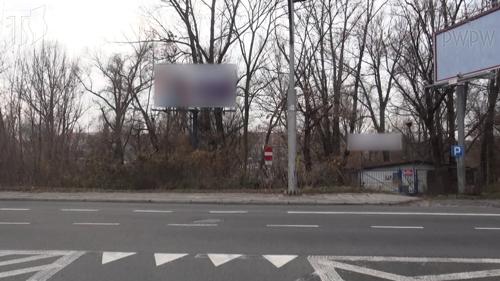
Does a broken line in front of a pedestrian crossing indicate a conditional stopping area?
A: Yes
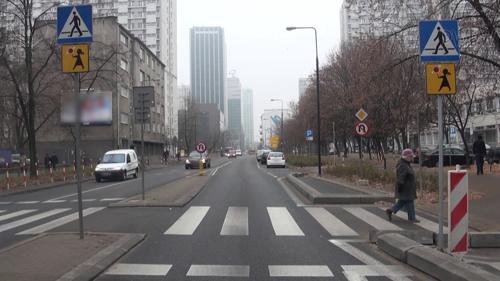
Do the visible road markings in the right lane indicate the start of an exit from the motorway?
B: No
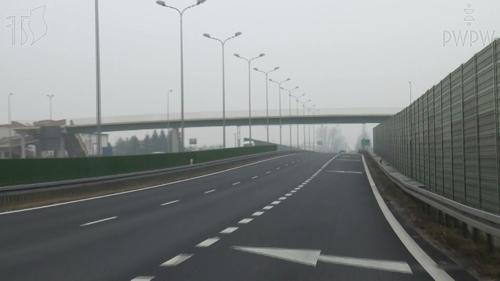
Are you allowed in this place to change your lane to the lane by the right edge of the road?
B: No
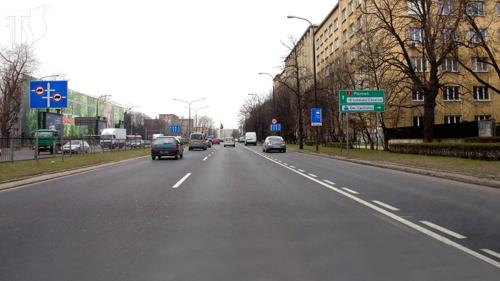

In this situation, are you allowed to start overtaking?
B: No

In this situation, are you required to change lanes?
A: Yes

In this situation, are you allowed to drive over the double solid line on the roadway?
B: No

In this situation, are you required to change lanes?
A: Yes

In this situation, are you required to drive straight ahead at the intersection?
A: Yes

Are you allowed to change to the left lane in this place?
B: No

In this situation, are you allowed to stop the vehicle on the surface closed to traffic?
B: No

Are you allowed at this intersection to make a U-turn from the traffic lane you are in?
A: Yes

In this situation, are you driving on a one-way roadway?
B: No

Are you allowed only to turn left at this intersection?
B: No

In this situation, are you allowed to turn left from the traffic lane you are in?
B: No

Are you allowed to start overtaking a vehicle at this section of the road?
B: No

Are you allowed to start overtaking a vehicle at this section of the road?
B: No

Are you allowed at this intersection to turn right from the traffic lane you are in?
B: No

In this situation, are you allowed to drive onto the roadway surface on the left side?
B: No

In this situation, are you allowed to turn left in order to park the vehicle on the pavement?
B: No

In this situation, are you allowed to use the surface on the left side to park the vehicle?
B: No

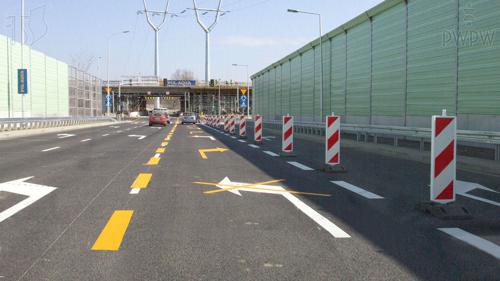
Can you stop the vehicle on the hard shoulder in the presented situation?
B: No
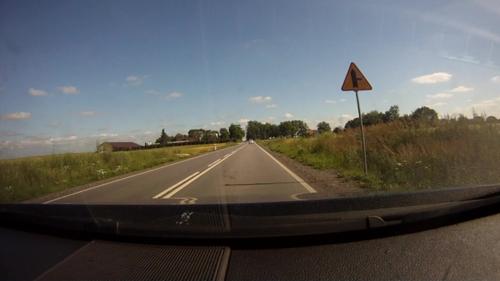
In the presented situation, can you overtake the cyclist if it will require slightly crossing the solid line?
B: No
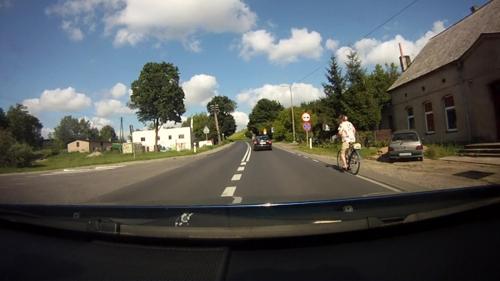
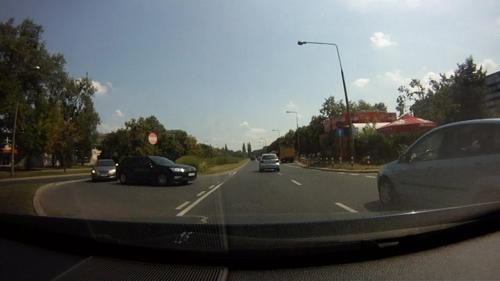
In this situation, are you allowed to perform a U-turn?
B: No

Does the visible double continuous line separate lanes for traffic travelling in the same direction?
B: No
In this situation, can you continue driving in the left lane if the right lane is free?
A: Yes

In this situation, are you driving on a one-way traffic road?
B: No

In this situation, are you driving on a two-lane carriageway?
A: Yes

In this situation, can you change to the right lane?
A: Yes

In this situation, can you change lanes to the left?
B: No

In this situation, can you stop at the yellow line on the right?
B: No
In this situation, can you continue driving on this lane if the two lanes on the right are free?
A: Yes

In this situation, are you allowed to continue driving in the middle lane?
A: Yes

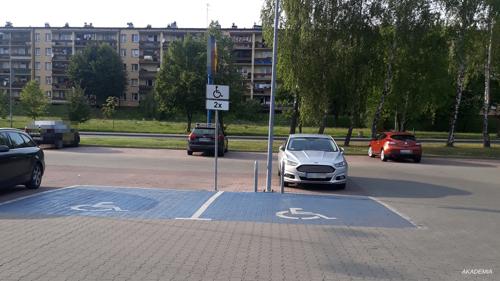
Are you allowed to park in the marked areas for disabled people, if the parking time does not exceed 15 minutes?
B: No
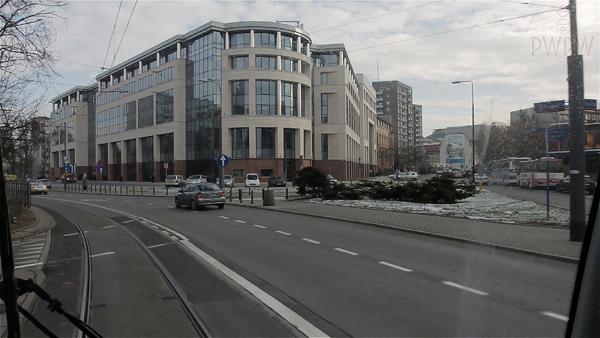
Does this horizontal marking indicate that the tram driver should expect vehicles that may enter the dedicated track on the right?
B: No
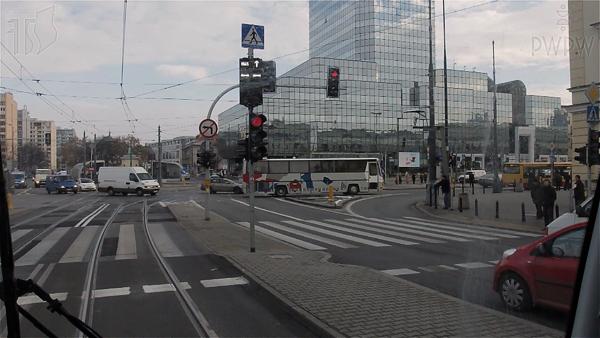
In this situation, is the tram driver obliged to stop just before the line outlined by triangles?
A: Yes
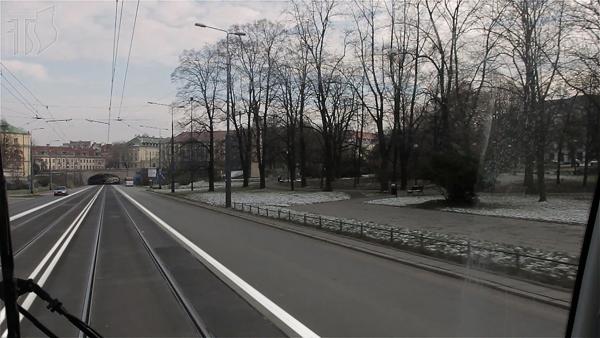
Does this solid line visible on the right permit other vehicles to enter the track?
B: No
In this situation, should you anticipate vehicles that may want to enter the track from the left side?
A: Yes
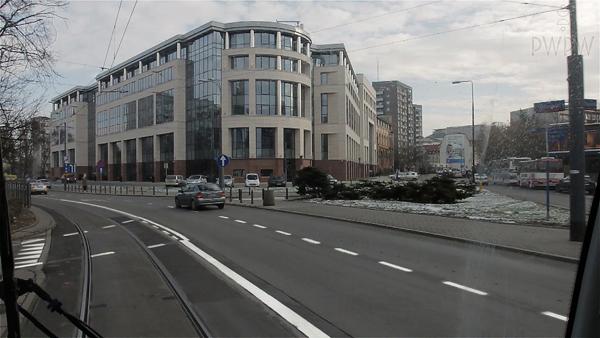
Do you have the right to drive up to the signalling device when driving through the line marked by rectangles, in the presented situation?
B: No
In this situation, are you obliged to stop the tram just before the line constituting of triangles?
B: No

Does the visible broken line on the roadway indicate a stop for trams, buses or trolley buses?
A: Yes
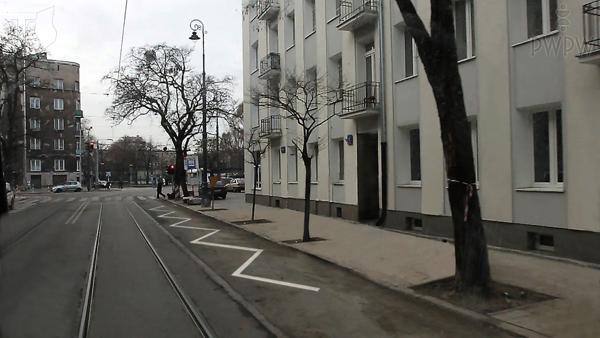
Does the visible broken line on the road indicate a parking place for the disabled?
B: No
Does this road marking allow you to continue riding a moped vehicle in this lane?
B: No

In this situation, is the outermost right lane only intended for rail vehicles?
B: No

Is it permissible to perform a u-turn from the occupied lane at this intersection?
A: Yes

Is it permitted to turn left from the occupied lane or make a U-turn at this intersection?
A: Yes

Can you turn right at this intersection from the occupied lane?
A: Yes

Can you change lane from the one you are currently occupying so that you can turn right?
B: No

Are you permitted to make a U-turn from the occupied lane at the visible intersection?
B: No

Can you make a U-turn from the lane you are occupying at the nearest roadway link?
A: Yes

Is it permitted to drive straight ahead or right from a lane with the visible horizontal sign?
B: No
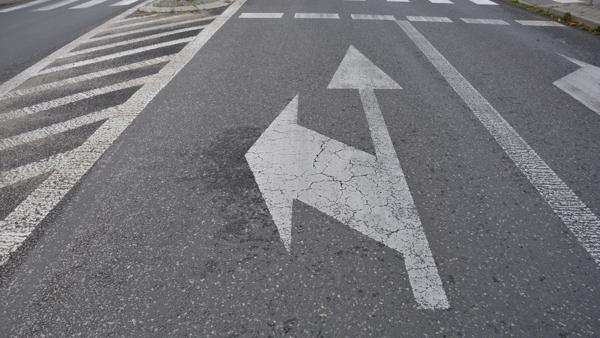
Does the visible line consisting of rectangles indicate a place of absolute stop before the pedestrian crossing?
B: No
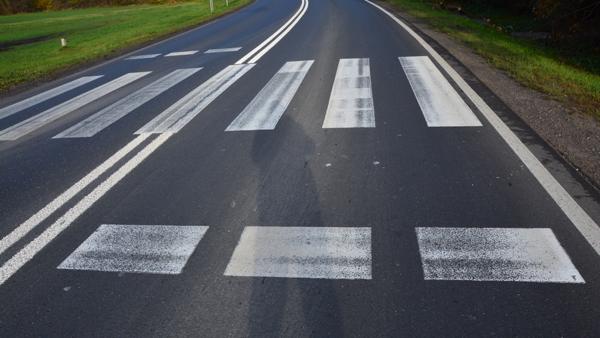
The visible line separating traffic lanes is a line that can be crossed by drivers travelling in the opposite direction.
B: No
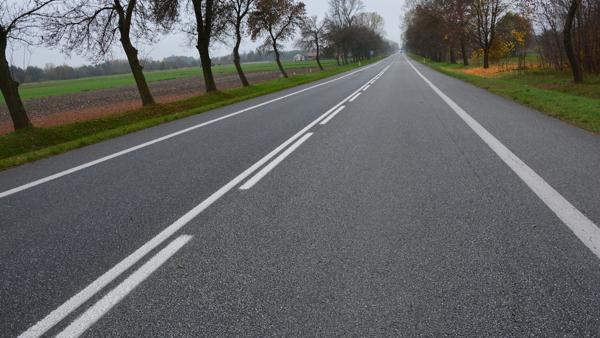
Is the visible line separating traffic lanes where the lines are longer than the gaps a broken line?
A: Yes
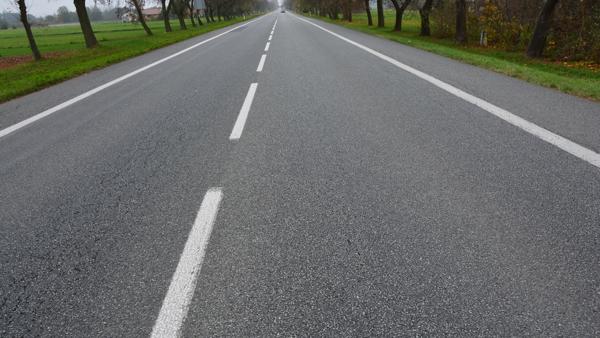
Does the visible "bus stop line" signify a roadway on which driving is prohibited?
B: No
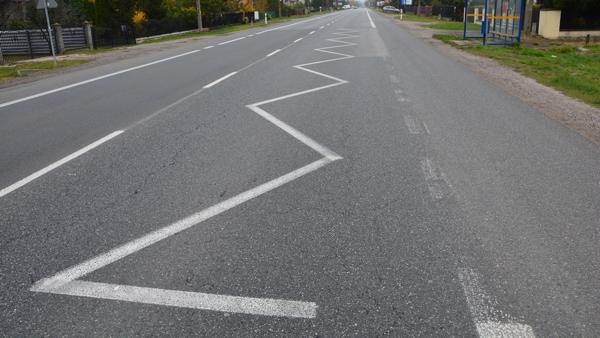
Does the visible horizontal line indicate the stopping point of a vehicle only when a red signal flashes?
B: No
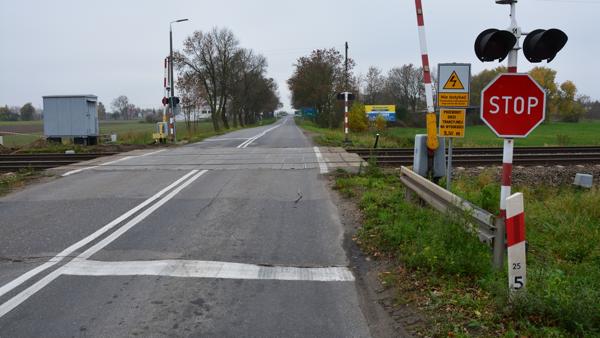
Are you always obliged to stop before the designated line prior to entering the visible intersection?
A: Yes