Vehicle driving technique
191 questions in this category
This category covers the technical aspects of operating a vehicle, including proper steering technique, gear selection, engine braking, cornering, and handling emergencies such as skids and tire blowouts. Modern driving techniques emphasize smooth inputs, anticipatory driving, and eco-friendly practices. Understanding vehicle dynamics helps you respond correctly to dangerous situations.
Why This Category Matters on the Exam
Driving technique questions appear in 2-3 exam questions, typically presenting emergency scenarios (skid on ice, tire blowout at speed) and asking for the correct driver response. The exam also tests eco-driving principles, which have become increasingly important in Polish traffic education. Wrong answers here indicate a lack of practical driving understanding.
Common Mistakes and Tips
The most frequently tested scenario is understeer and oversteer: on a slippery surface when the rear of the car slides outward (oversteer), you must steer in the direction of the skid (countersteering) without braking. For front-wheel skids (understeer), release the accelerator and wait for grip to return. Many candidates incorrectly answer that you should brake hard in a skid. Engine braking is recommended for long descents, particularly in mountainous areas of southern Poland, as it prevents brake fade. When cornering, decelerate before the curve and accelerate gently through it, never brake mid-corner. Eco-driving principles tested on the exam include: shift up early (around 2000-2500 RPM), anticipate traffic flow to avoid unnecessary braking, and maintain steady speeds. On wet surfaces, drive in the tire tracks of preceding vehicles where less water accumulates.
Which of the following actions should you perform to move off smoothly?
A: Gradually disengage the clutch pedal.
What might be the result of too weak pressure on the brake pedal of a passenger car?
A: Lengthening of the braking distance.
What might be the result of too strong braking of a passenger car not fitted with the ABS?
B: Losing steerability.
Which of the following ways of braking in a passenger car fitted with the ABS is the most effective?
B: Fast and strong pressing of the brake pedal.
Which of the following action should be taken when the operating ABS pushes out the brake pedal while braking?
A: Sustain the pressure on the brake pedal.
In which of the following situations can the ABS help a driver in sustaining steerability?
A: While braking, when the vehicle started laterally skidding.
Which of the following results may you cause when moving off uphill you release the emergency brake lever too early in relation to releasing the clutch pedal?
B: Rolling down of the vehicle.
You are driving at the speed of 80 km/h. What starting position will ensure optimal trajectory on the bend?
B: By the line dividing the lanes - on the right side of the roadway.
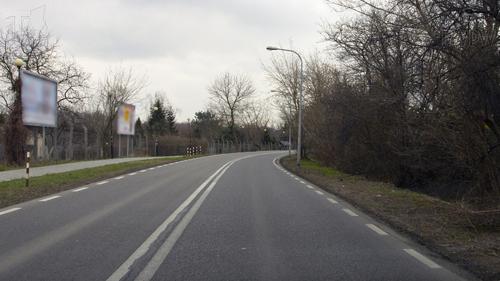
You are driving at the speed of 90 km/h. What starting position will ensure optimal trajectory on the bend?
C: By the right edge of the road.
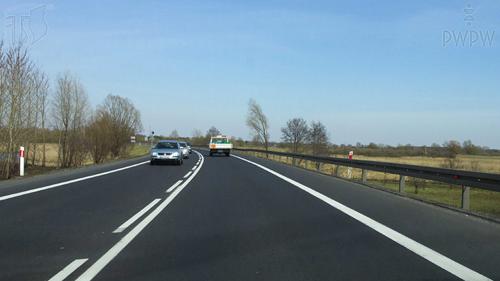
How should you behave in order to accelerate the passenger car properly on a flat part of the road?
B: Accelerate to such speed in lower gear that after switching to the next gear the vehicle does not jerk and does not choke.
How will you position the driver's seat before you start driving?
A: In such a way as to have free access to the equipment of the car used to drive and steer the car.
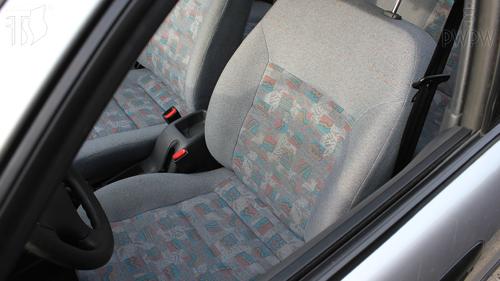
In what order should you perform the following activities when preparing to drive a vehicle?
C: Position the driver's seat, mirrors and fasten the seat belts.
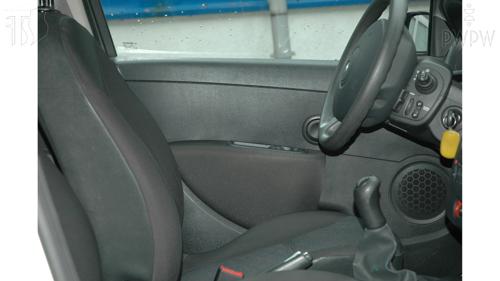
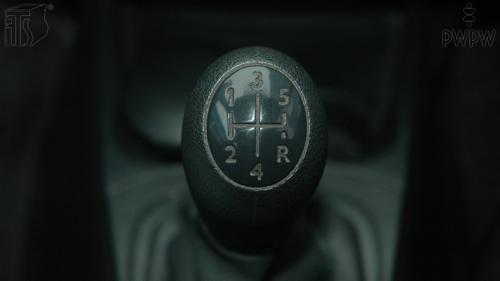
In what gear should you start driving on a dry surface?
B: The lowest.
While driving a passenger car, what should you see in properly-adjusted external mirrors ("rear-view mirrors")?
B: The area behind the car and the sides of the car.
In what way should you brake in an emergency situation, if the vehicle is equipped with anti-lock braking system (ABS)?
A: Firmly press on the brake pedal without releasing it when the ABS system is activated.
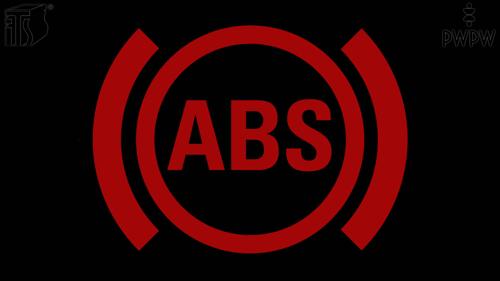
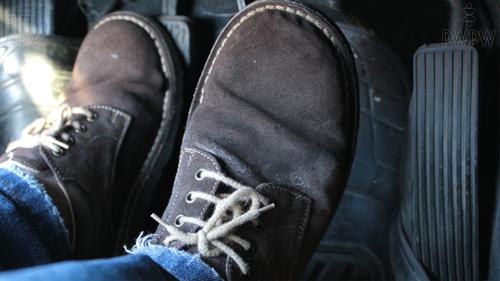
At what point, while driving a passenger car, will you press the clutch pedal if you want to routinely (intentionally) brake when you're travelling at high speed?
C: When the speed drops to the minimum speed for the gear I'm going in.
How will you counteract the centrifugal force while turning left in a four-wheeled vehicle?
B: I will brace my right foot against the footrest.
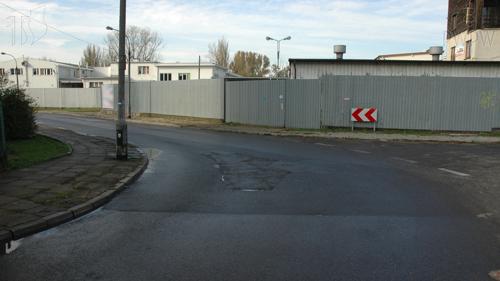
What body position should you maintain when going down a hill in a four-wheeled vehicle?
A: A sitting position, with the body weight shifted towards the rear axle.
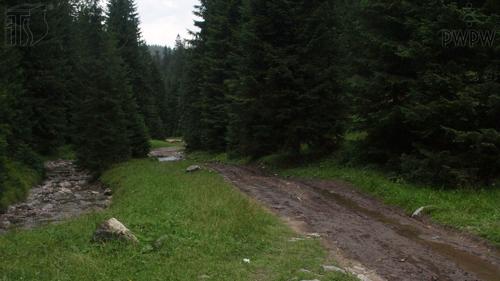
What body position should you maintain when going up a hill in a four-wheeled vehicle?
B: A standing position, with the body leaned towards the front axle.
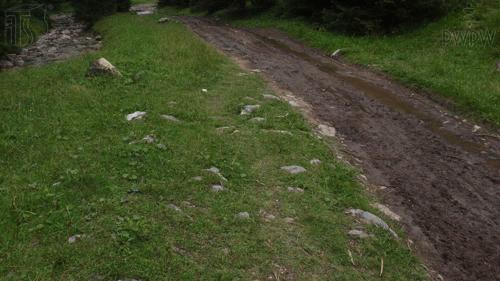
What is not recommended to do when you go around a bend in a four-wheeled vehicle?
C: To suddenly close or open the throttle.
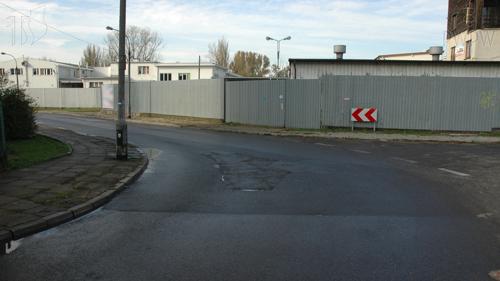
Which gear is appropriate to start driving a passenger car on a dry surface?
B: First.
A properly adjusted external mirror on a passenger car shows:
C: a part of the vehicle side and the space behind it corresponding to the vehicle side.
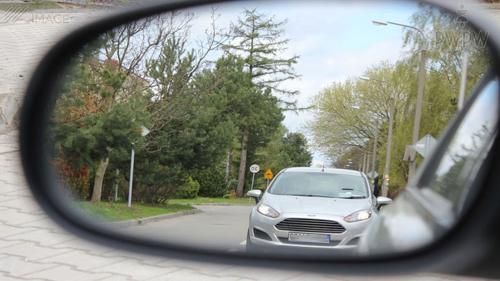
Which of the following emergency braking techniques should be applied in a passenger car fitted with ABS?
A: Quickly and firmly depress the brake pedal.
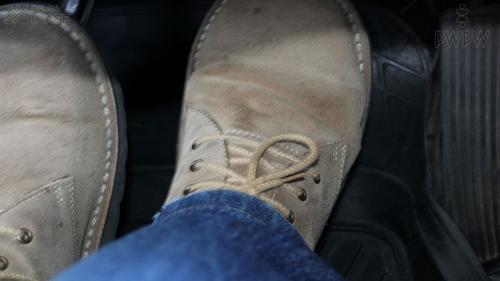
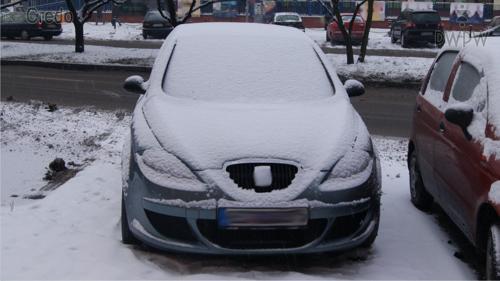
Which of the following activities are you obliged to perform before driving the vehicle shown?
C: Wipe off snow on the car glass, engine cover, roof and mirrors.
How should you behave when entering a section of a road covered with puddles?
A: Limit driving speed.
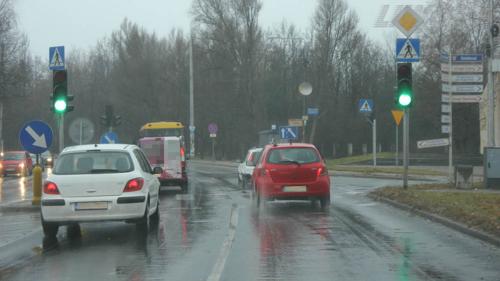
Which driving lane should you take in the initial stage when performing a manoeuvre at the left turn shown here?
C: Go close to the right edge of the roadway.
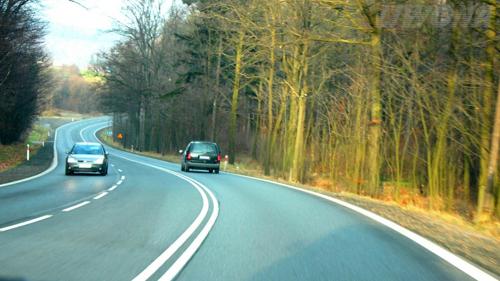
Which of these driving techniques applies to the term "eco-driving"?
B: Using the engine to reduce driving speed.
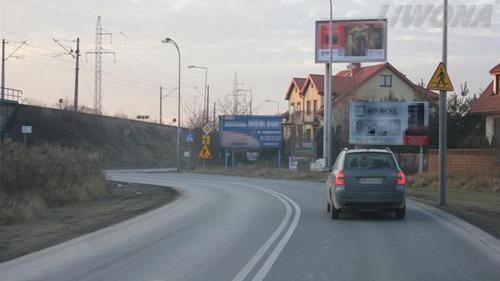
Whic of these driving techniques applies to the the term "eco-driving"?
B: Avoiding sudden braking and acceleration.
What should the proper driving technique involve in this road situation?
A: Choosing the proper driving speed.
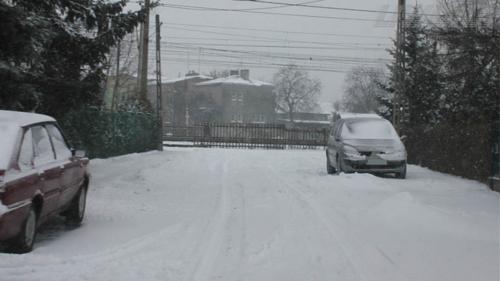
How can you make it easier to drive a passenger car out of a sticky snow?
A: By reversing a few times and moving forward.
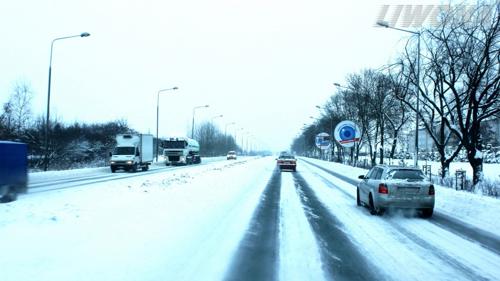
What should be the safe following distance between columns of lorries?
B: Not less than 500 metres.
You are driving a lorry. Which of the following factors should you take into account to keep a safe distance from the vehicle in front?
A: Speed of the vehicles.
Which of these atmospheric factors reduces the possibility of skidding?
A: Black ice
How should a tram driver brake?
B: In such a way as not to pose danger to traffic.
You are driving a tram. How should you react when weather conditions deteriorate, e.g. snowfall or leaves falling.
A: I should reduce the speed, adjusting it to the prevailing conditions.
Are you required to reduce the speed to maintain a safe distance from the slower moving vehicle next to you?
A: Yes

What should a tram driver do before driving, immediately after closing the door?
A: Carefully observe the surroundings and give a signal departure using the bell.
Which position of the tram driver is correct when manually adjusting the rail switch?
C: Facing the tram.
How should the tram driver behave before leaving the cabin onto the road, beyond the tram stop, to manually set the rail switch?
B: Park the tram and make sure that he can safely leave the cabin.
How should you behave when driving a tram during lightning storms and you are concerned about lightning strikes?
B: Continue driving, the inside of the tram is safe.
How should a tram driver behave when driving through places with lowered overhead lines e.g. under a viaduct?
A: Reduce speed over the entire section of the lowered overhead lines.
How should the tram driver drive when approaching an intersection?
A: Coasting or braking.
In what situation can the tram driver safely drive through the rail switch?
C: When the switch points properly cling.
What behavior is required of a tram driver driving through the rail switches and frogs?
B: To reduce the speed.
Which rule of the driving technique should be adhered to by the tram driver when entering a sharp bend of the track?
C: To reduce speed.
What impact has the position of the tram driver's seat on the operation of the control devices?
C: It has a crucial impact.
If a wheel slip occurs in a tram during start-up, you must stop, and then:
A: repeat the start-up gently.
What should a tram driver do upon sudden appearance of a vehicle on the tracks directly in front of the tram?
B: Decisively brake trying hard to avoid a collision.
How should you start-up a tram.
A: In a manner that prevents the wheels from skidding.
What should a tram driver do after setting the tram in motion?
B: Speed up the tram to the desired speed, and drive as long as possible on the freewheel.
How should a tram driver pass through the section isolator placed on the overhead line?
B: Coasting or braking.
What should be the distance from a preceding tram while driving?
B: Enough to allow a collision-free stop of the vehicle.
How should you behave when entering the tram stop?
B: Brake smoothly and decisively.
How do you brake after getting the tram out of a skid?
A: With less force so as to prevent further locking of the wheels.
What should you assume when determining the distance from a preceding tram?
A: that the driver may suddenly brake
What may determine the safe distance from a preceding tram?
B: The current weather conditions.
You are driving a tram. What should you do when approaching a puddle located on the trackway?
B: Drive through with the least possible speed.
How should a tram driver behave, if the railheads are flooded with water on a considerable section?
A: Stop the tram.
How should the tram driver behave, if he notices stones in the grooves of the rails?
C: Remove the stones before driving through such section of the track.
How should the tram driver behave in increasing traffic intensity?
C: Slow down and increase the distance from the preceding tram to lower the level of risk.
How should the tram driver behave when it starts raining?
A: Apply a softer start-up.
What should the tram driver do before driving onto the rail switch?
B: Look at the switch point and signalling device indicating the direction of the rail switch.
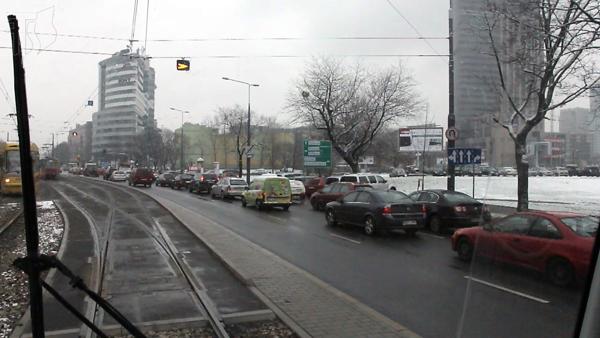
What should the tram driver do, seeing the signalling device indicating a change in the position of the rail switch to the right?
A: Take a look at the switch points to make sure it is positioned in the right direction.
What does the proper technique of driving a tram consist of?
C: A gentle start-up, coasting as long as possible and gentle braking.
What is the main factor determining the braking distance of a motorcycle?
C: The type of surface on which the vehicle is moving.
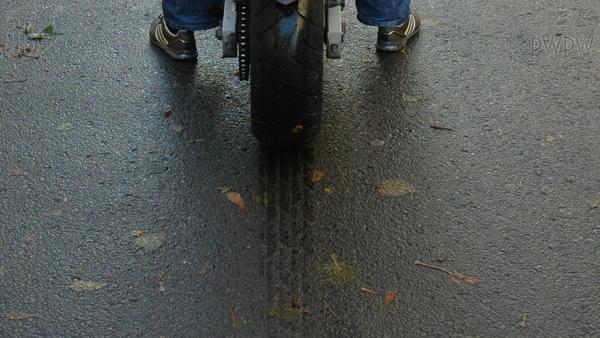
Approximately, how much does the braking distance of a motorcycle increase if its speed doubles?
C: Four times.
What distance should you keep from a vehicle in front of you if you ride a motorcycle in a built-up area?
B: A distance necessary to avoid a crash in the event of the preceeding vehicle stopping.
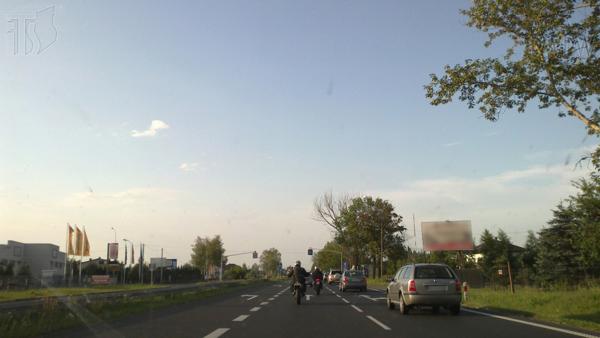
What's the minimum distance between moving motorcycle columns?
C: 500 m.
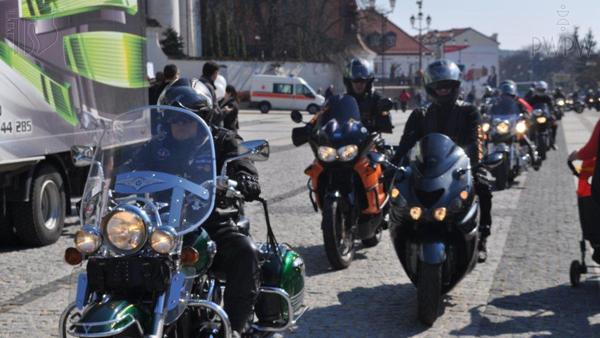
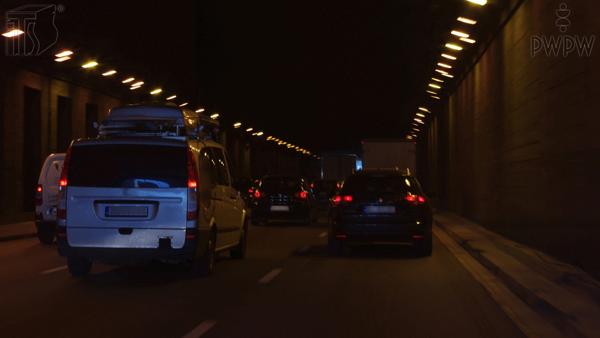
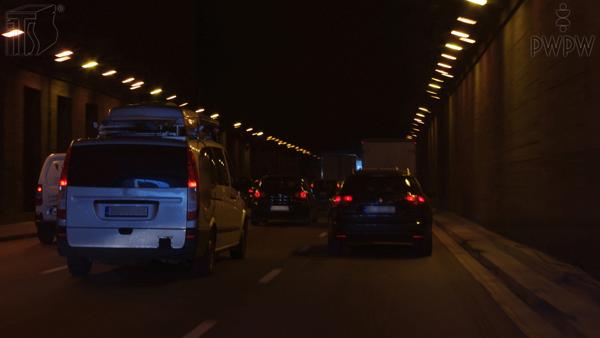
What minimum distance should you keep from the vehicle in front of you when you get stucked in a traffic jam in a tunnel?
B: 5 m.
While riding a motorcycle, when should you start braking if you intend to go round a sharp bend on the road?
C: Sufficiently in advance in order to avoid braking while I'm turning.
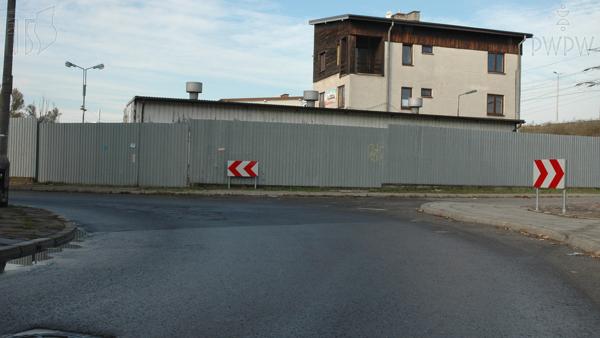
What should the position of the motorcycle be in order to achieve optimum effectiveness of braking?
A: Vertical.
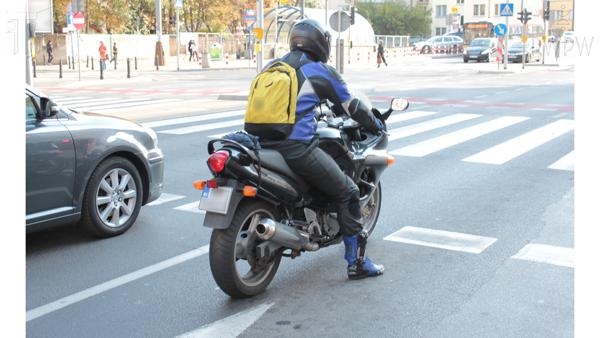
What should you do while riding a motorcycle, immediately before you enter a sharp bend?
A: Adjust the speed in such a way as to avoid braking while I'm turning.
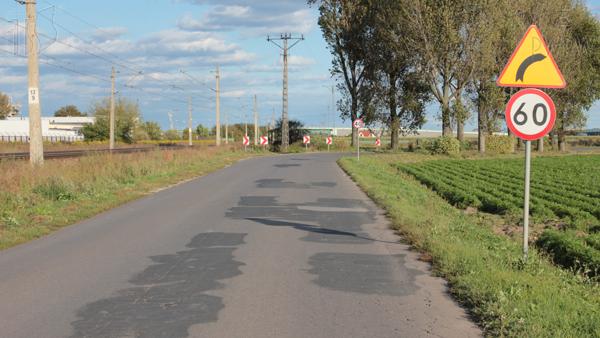
What distance should you keep from a vehicle in front of you if you ride a moped in a built-up area?
B: A distance necessary to avoid a crash in the event that the vehicle in front of me stops.
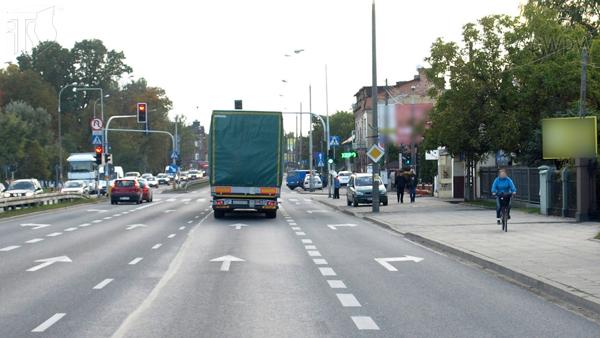
While riding a moped, when should you start braking if you intend to go round a sharp bend on the road?
C: Sufficiently in advance in order to avoid braking while I'm turning.
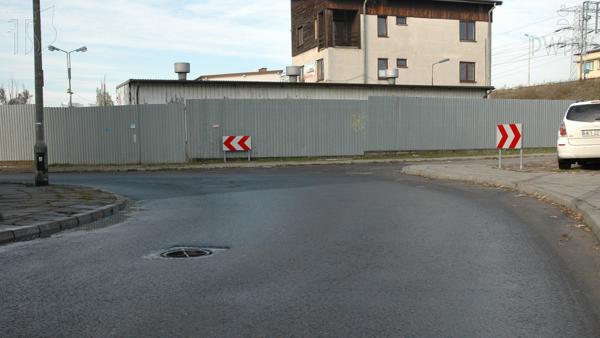
What is the main factor determining the braking distance of a moped?
C: The type of surface on which the vehicle is moving.
Approximately, how does the braking distance of a moped increase if its speed doubles?
C: Four times.
What factor should you particularly pay attention to while riding a moped, in order to keep a proper distance from the vehicle in front of you?
A: The condition of the surface of the road.
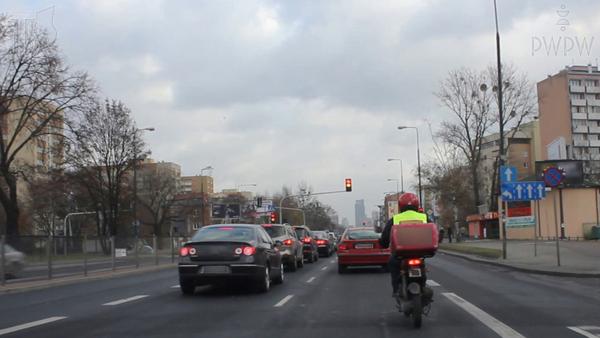
What's the minimum distance between moving moped columns?
A: 200 m.
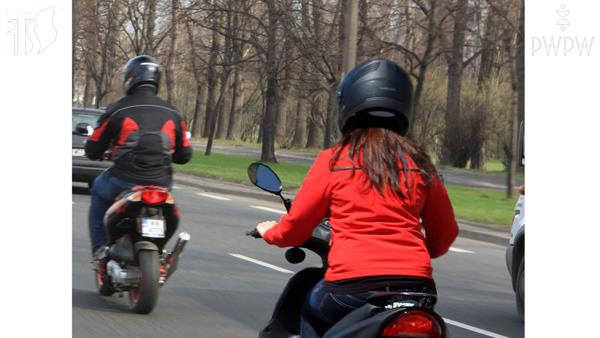
What's the minimum distance you should maintain from the vehicle in front of you when you get stucked in a traffic jam in a tunnel?
B: 5 m.
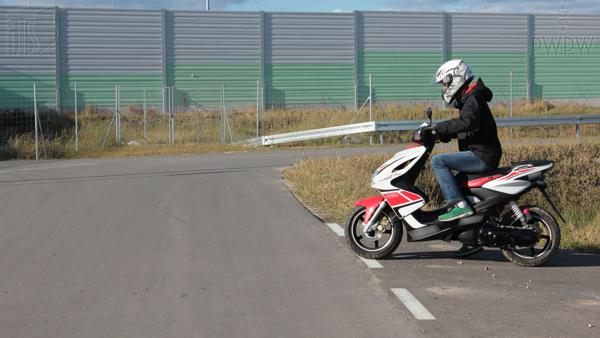
What should the position of a moped be in order to achieve the optimum effectiveness of braking?
A: Vertical.
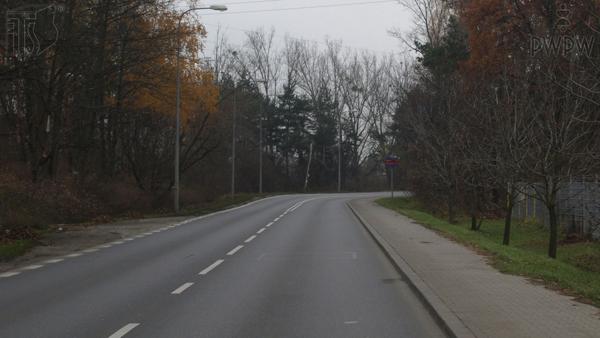
What should you do while riding a moped, immediately before you enter a sharp bend?
A: Adjust the speed in such a way as to avoid braking while I'm turning.
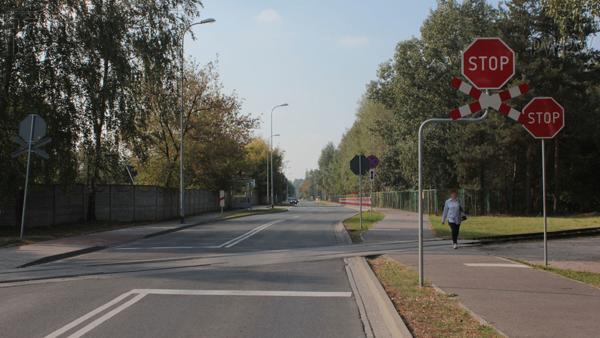
How should you cross a railway line on a motorcycle?
A: At an angle close to a straight angle.
Can riding a motorcycle on road markings be dangerous?
B: Yes, road markings may be slippery regardless of weather conditions.
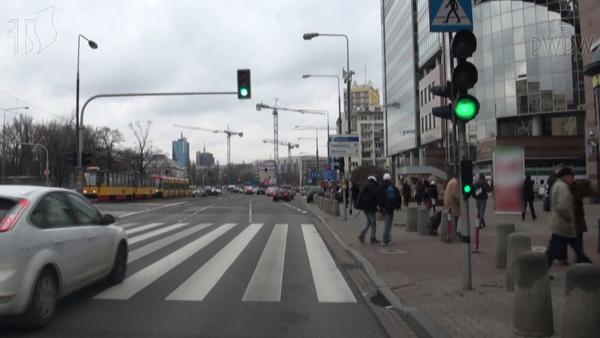
How should you brake if you ride a motorcycle in a mountainous area?
C: By using both brakes and braking with the engine.
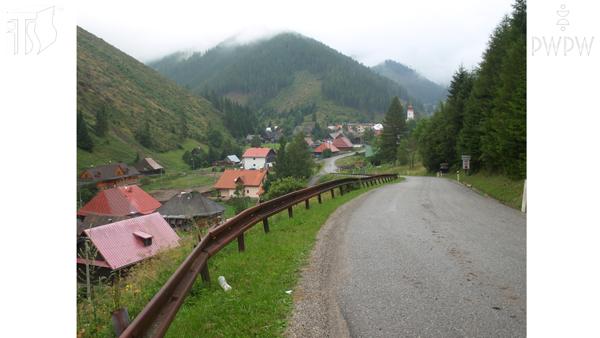
How should you ride a motorcycle on a dirt road?
A: By raising yourself lightly on the footrests.
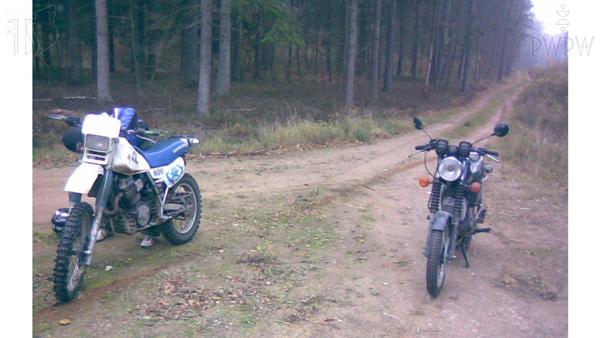
How should you go over a drain when riding a moped?
A: By avoiding riding over the metal elements of the drain.
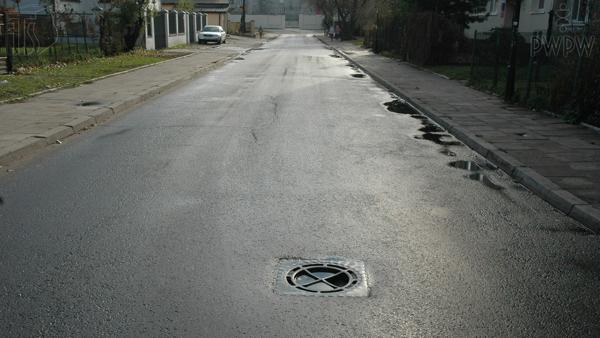
How should you cross a railway line on a moped?
A: At an angle close to a straight angle.
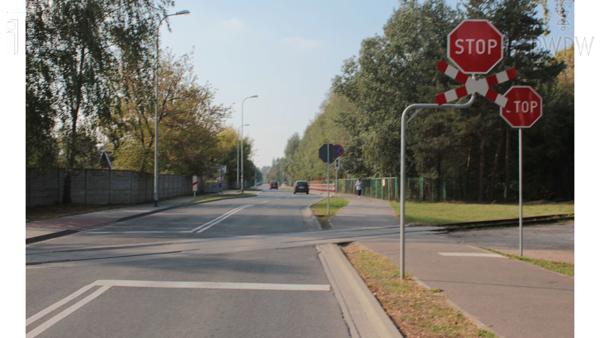
Can riding a moped on road markings be dangerous?
B: Yes, road markings may be slippery regardless of weather conditions.
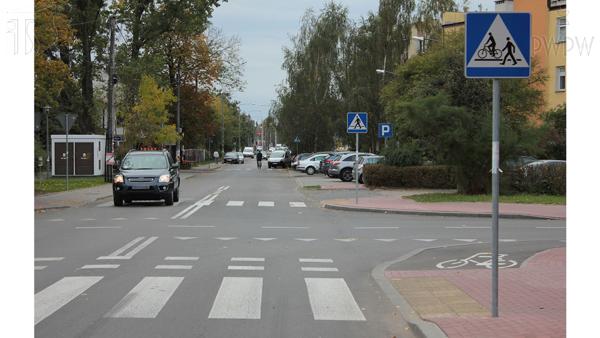
How should you brake if you ride a moped in a mountainous area?
C: By using both brakes and braking with the engine.
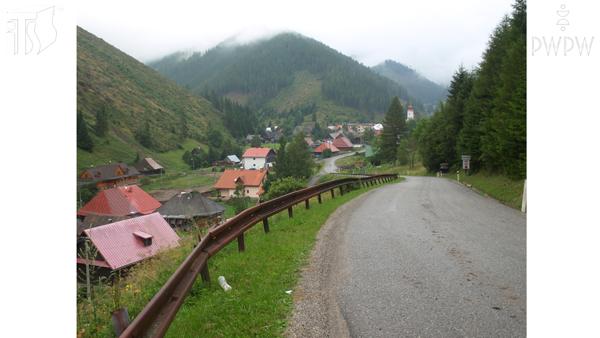
How should you ride a moped on a dirt road?
A: By raising yourself lightly on the footrests.
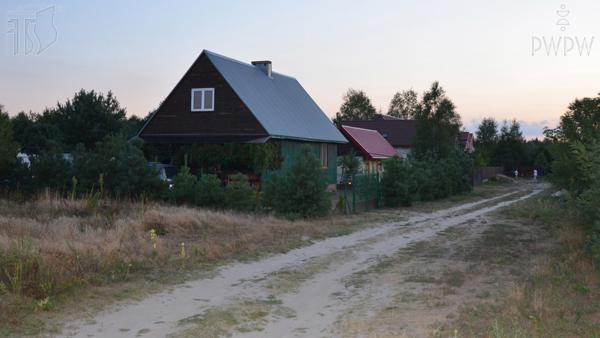
What may happen if you start moving and you release the clutch too abruptly?
A: The front wheel will go up or the engine will stall.
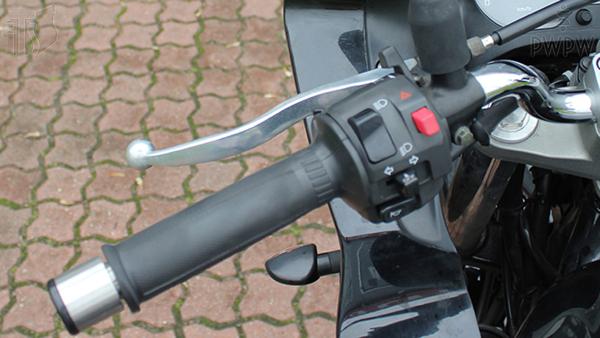
When riding a motorcycle, how can you achieve an engine braking effect?
A: By reducing acceleration and not using the clutch.
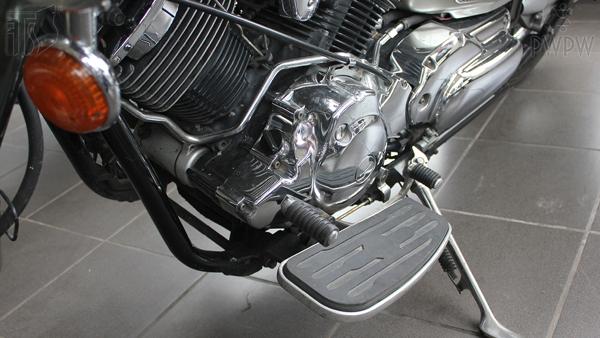
How will you brake on a wet surface?
A: Using the front and rear brakes.
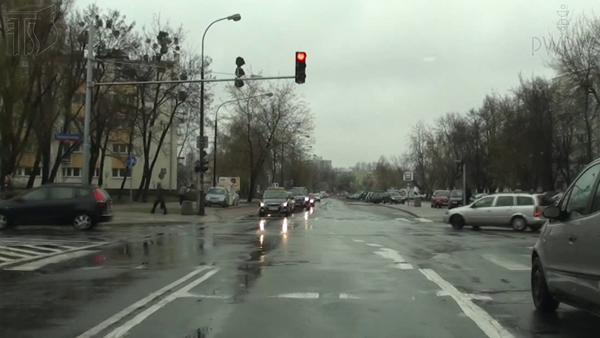
What will happen if, while braking on a motorcycle, the anti-lock braking system is initiated (ABS)?
B: This will help me to bypass obstacles without releasing the brake.
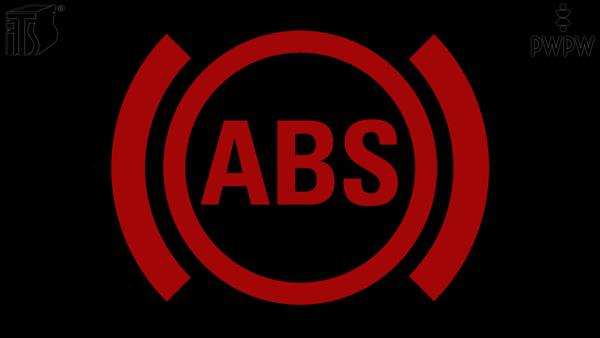
How should you brake on a wet surface?
A: With the front and rear whee brakes.
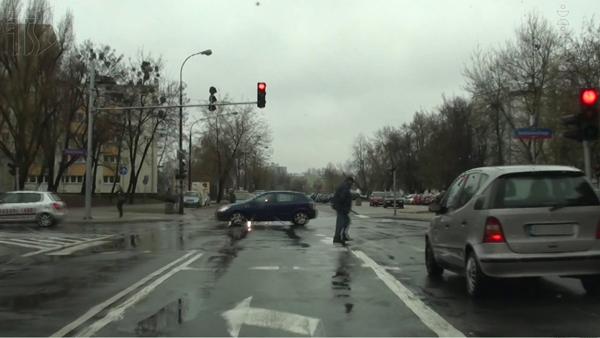
What is the main factor determining the emergency braking distance of a tractor?
B: The type of surface on which the vehicle is travelling.
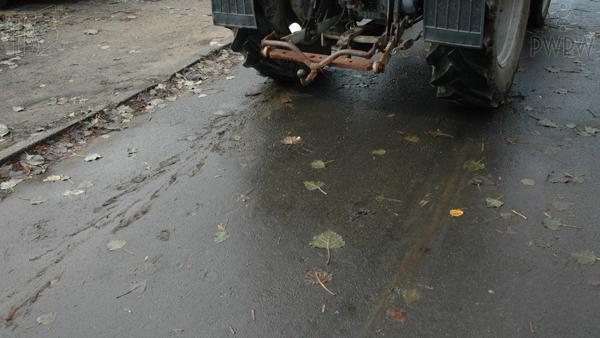
What should you first of all pay attention to when adapting the distance of a tractor from the vehicle driving in front of it?
B: To prevailing weather conditions and the type of road surface.
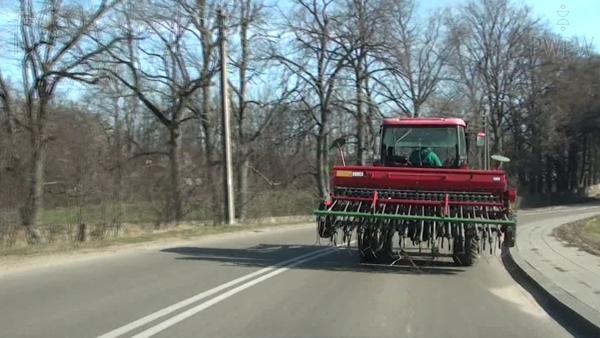
What is the main factor determining the grip of a tractor's tyres on a dry road?
B: The type of surface of such road.
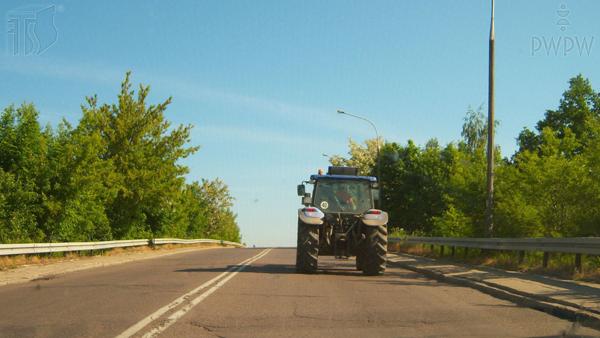
What may be the consequences of a reduced grip of the tyres of a tractor, caused by a change in the condition of the surface?
A: The lengthening of the braking distance.
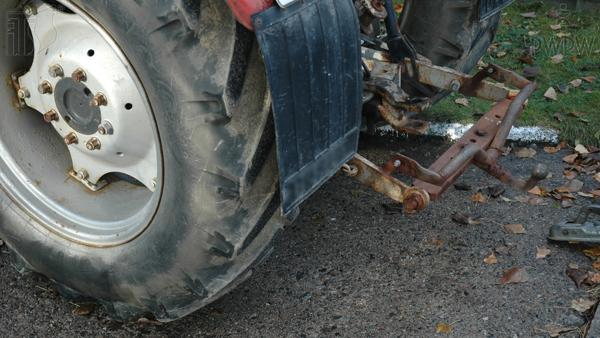
Which gear should you use in order to start moving a tractor on an icy surface?
C: The gear which requires you to apply the lowest possible driving force of the wheels.
What is the order of emergency braking, of a combination vehicle consisting of a tractor and a trailer equipped with a pneumatic braking system?
B: The trailer will start braking first.
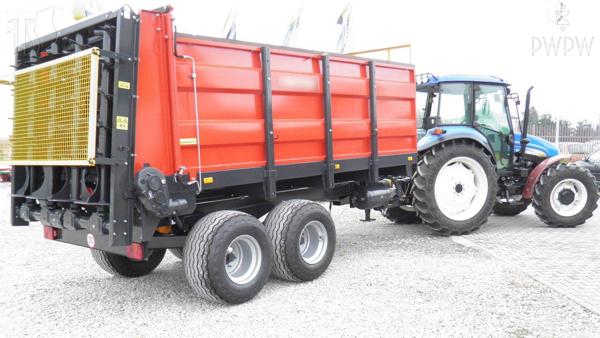
How will you achieve the greatest efficiency of engine braking if you drive a combination vehicle consisting of a tractor and a trailer?
C: I will put the vehicle in the lowest gear possible, taking into account the rotations of the engine.
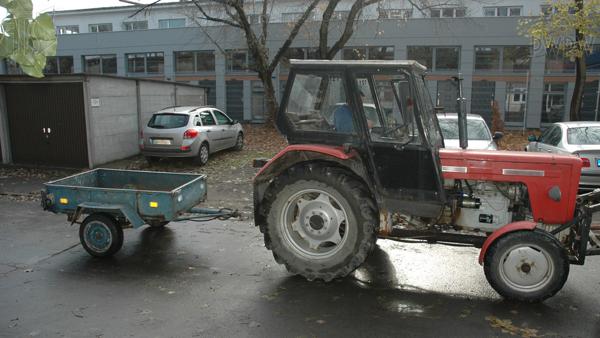
When driving a tractor with a loaded trailer, what should you do before entering a long section of the road going upwards?
A: Engage such a gear that guarantees that it will get to the top without reducing gears.
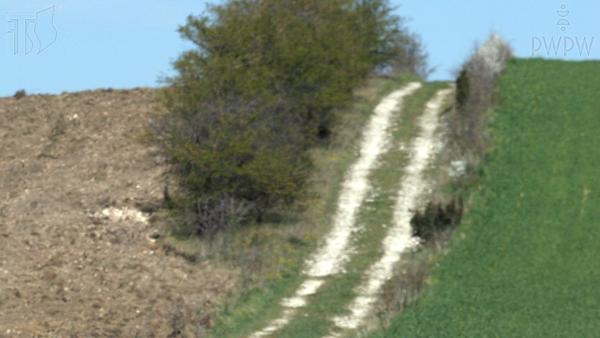
What should you do if you drive a tractor with a trailer on a slippery surface?
A: I should turn on the front drive, if the tractor is equipped with one.
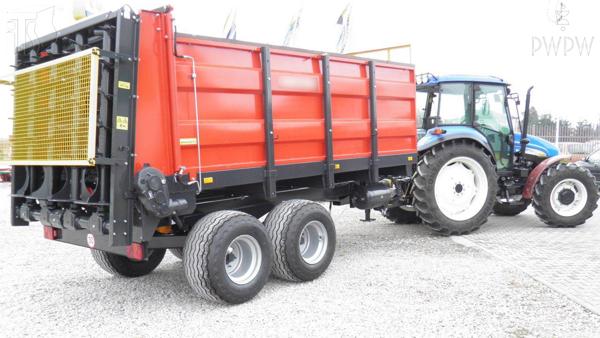
By approximately how much does the braking distance of a truck increase if the speed doubles?
C: Four times.
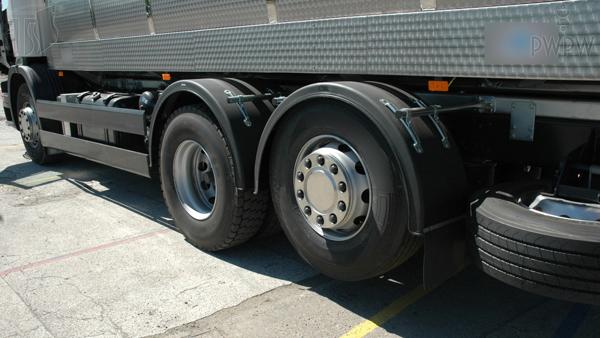
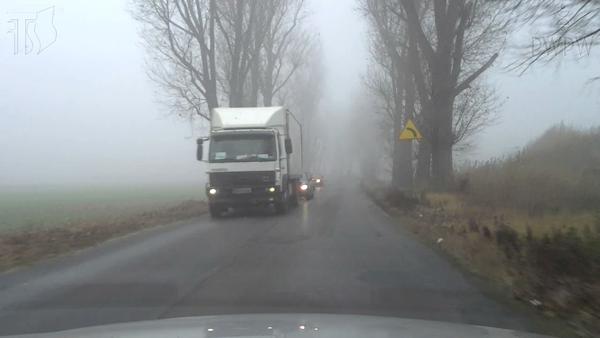
Which of the following measures may improve safety while driving a truck in fog?
B: Keeping a safe distance from the preceding vehicle.
In what order should you perform activities preparing you to drive the truck?
B: Position the driver's seat, adjust the mirrors and fasten the seat belts if the truck is equipped therewith.
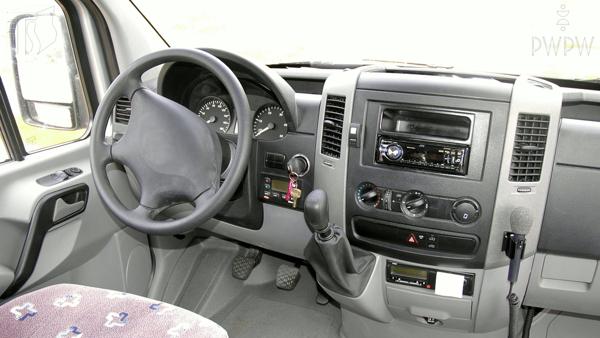
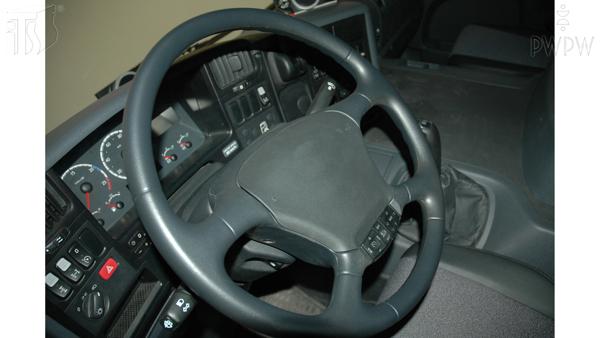
What is the correct position of the hands on a steering wheel while driving a truck on a motorway?
B: Left hand on "9 o'clock", right hand on "3 o'clock".
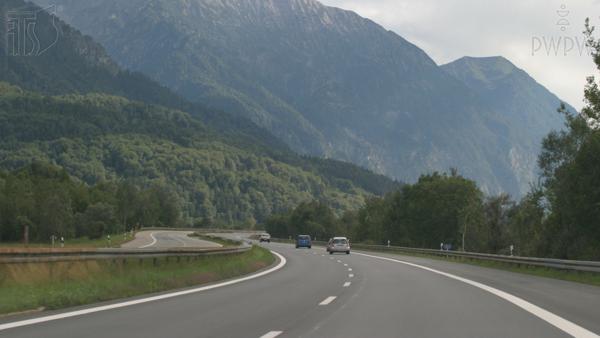
How should you proceed when driving a loaded truck downhill?
C: Use the retarder to brake or brake with the engine.
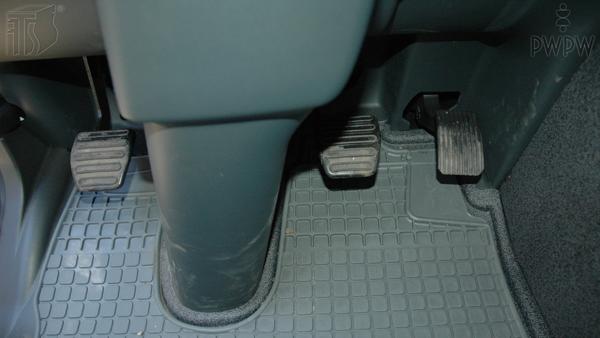
While driving a truck, at which point will you press the clutch if you intend to brake?
C: When the speed of the vehicle drops to minimum for the current gear.
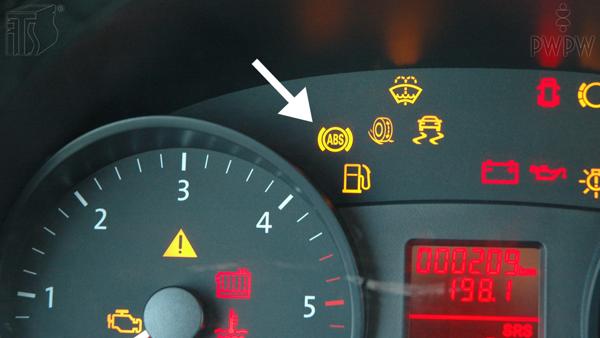
What should you do if you have to perform an emergency braking manoeuvre with a truck equipped with anti-lock braking system (ABS)?
A: Firmly press the brake and clutch pedals and do not release them untill the ABS system activates.
By approximately how much does the braking distance of a bus increase if the speed doubles?
C: Four times.
What is the main factor determining the grip of a bus's tyres on a dry road?
A: The type of surface of such road.
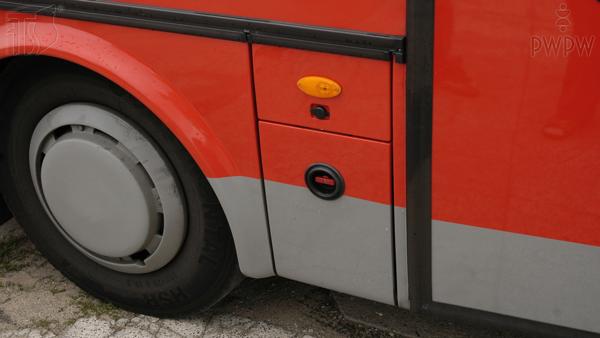
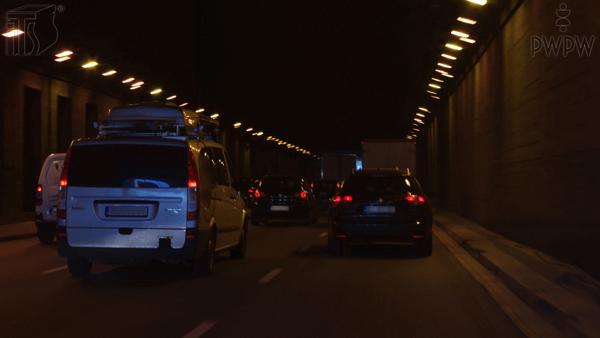
What minimum distance must you keep from a preceding vehicle if you drive a bus outside a built-up area, in a tunnel whose length exceeds 500 m?
B: 50 m.
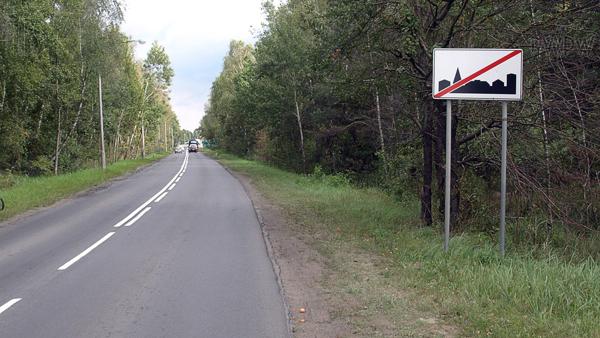
What distance should you keep from the preceding vehicle on the road once you go past this sign and if you drive a bus whose length is over 7 m?
A: A distance allowing the vehicles overtaking to safely go in front of the bus.
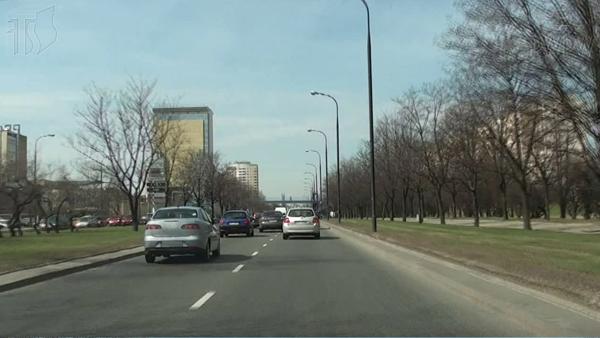
What distance from the preceding vehicle should you keep if you drive a bus in a built-up area?
C: A distance necessary to avoid a collision in the event that the preceding vehicle brakes.
What distance should be maintained between two organized columns of buses?
C: At least 500 m.
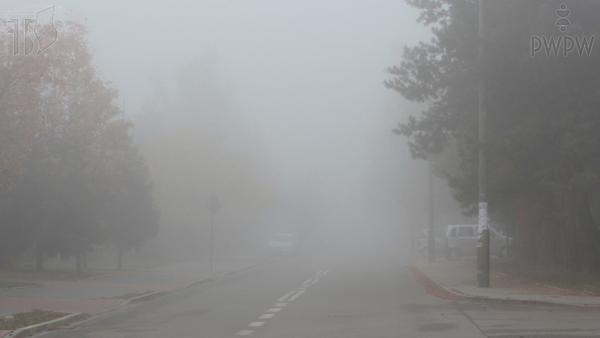
Which of the following activities may improve safety while driving a bus in fog?
B: Keeping a larger distance from the preceding vehicle.
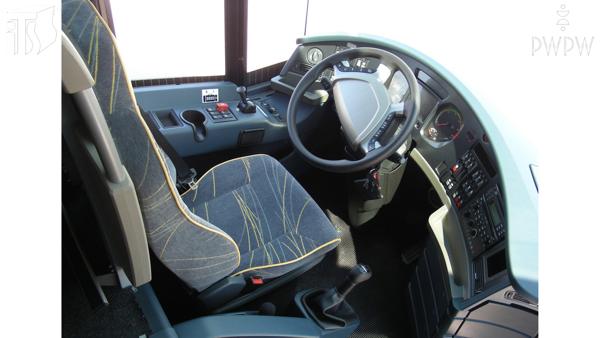
What should be the position of the seat of a bus driver?
C: Such that the leg is slightly bent at the knee when pressing the clutch pedal all the way down.
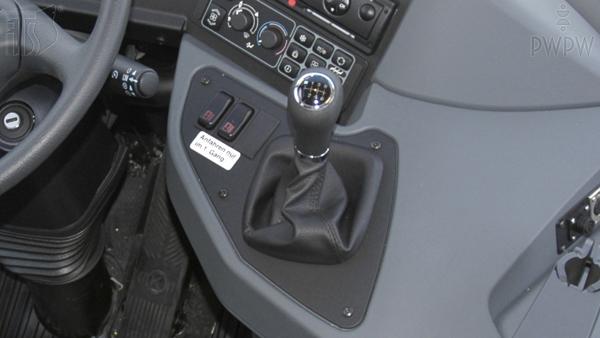
In which gear will a bus start moving forward in good road conditions, on a flat surface?
A: The lowest gear, as specified by the manufacturer.
What is the most effective way of speeding up a bus?
B: By changing gears in such a way that the RPM of the engine is not lower than the starting value of the green area on the tachometer.
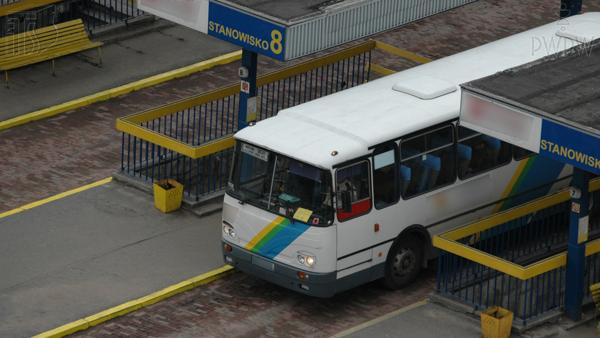
While driving a bus, which of the following activities should be performed in order to achieve the highest efficiency of braking with the engine?
C: If possible engage the lowest gear.
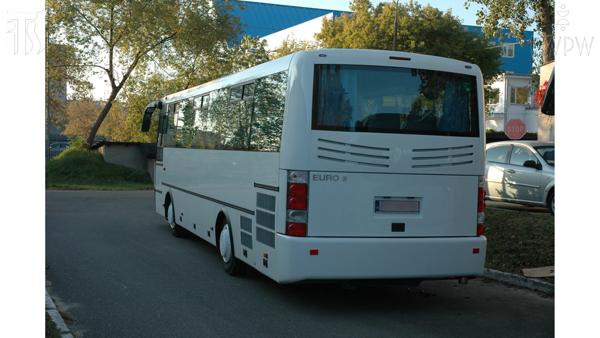
In this situtaion, should you start braking?
A: Yes

What distance should you maintain from the preceding tram?
C: Safe, necessary to avoid a collision.
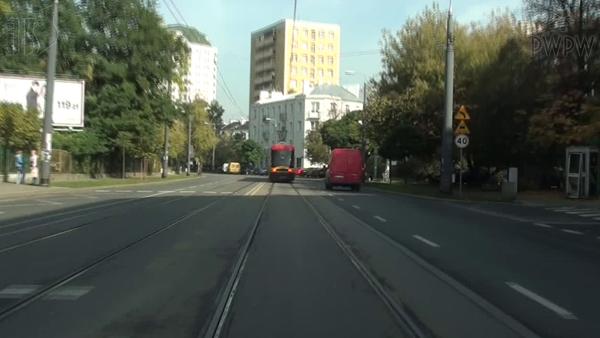
How do you perform service braking in a tram?
A: By seamlessly pressing the brake pedal no further than the limiter, to stop at a particular place with a single pressing of the pedal.
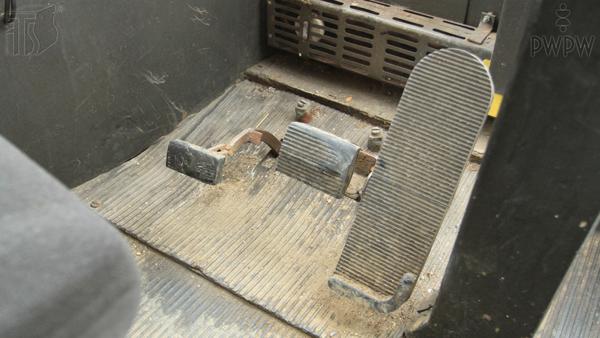
Can you drive through the section isolator with the drive pedal depressed (acceleration)?
B: No, because this may cause damage to the overhead line and the pantograph.
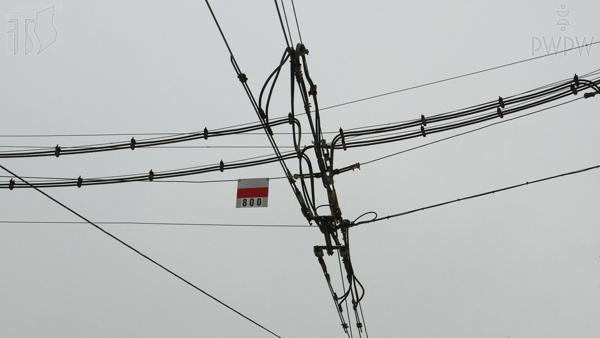
Which railroad switch is responsible when driving on/under the switch points?
B: The right-handed facing switch.
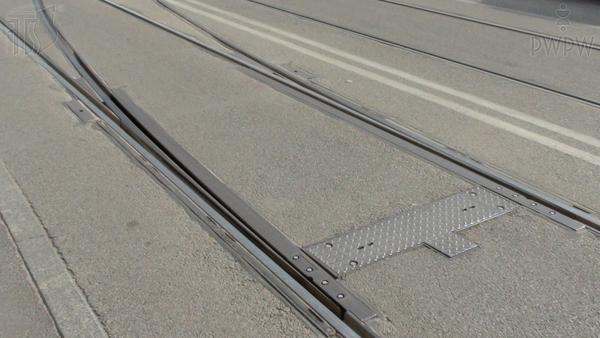
What should be taken into consideration when passing through the tram frog?
B: The shallow grooves.
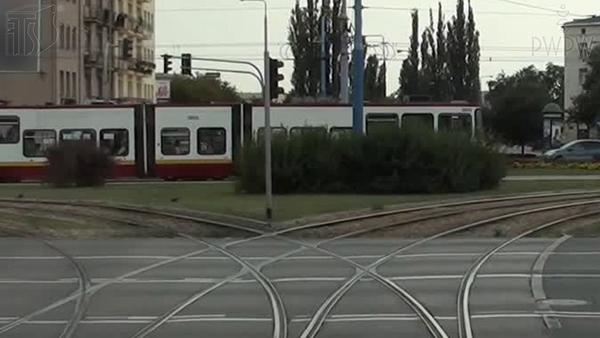
What should you do upon occurrence of an excessive wheel slip (Spinning) during start-up?
B: Reduce the intensity of the tram's acceleration.
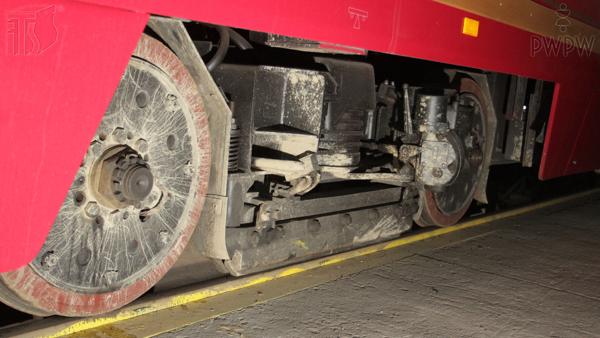
How should you execute sudden braking of the tram?
C: Press the brake pedal beyond the limiter and release the dead man's lever.
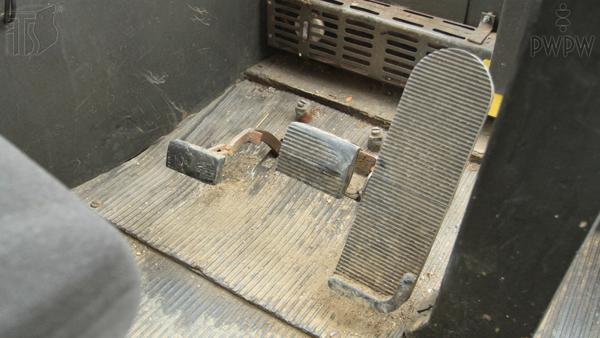
What distance should you keep from the car travelling in front of you?
B: The distance necessary to avoid a crash in the event that the car in front of you brakes or stops.
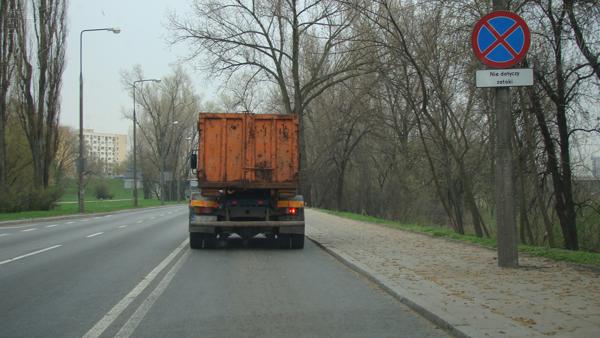
Approximately, by how much does the braking distance increase if speed is doubled?
A: Four times.
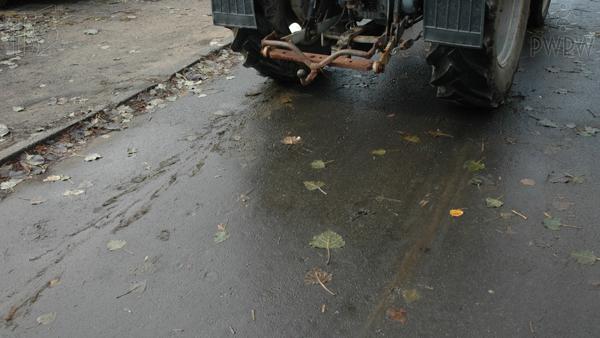
What does the safe distance you are required to keep while driving behind another car depend on?
A: On the speed with which you're driving.
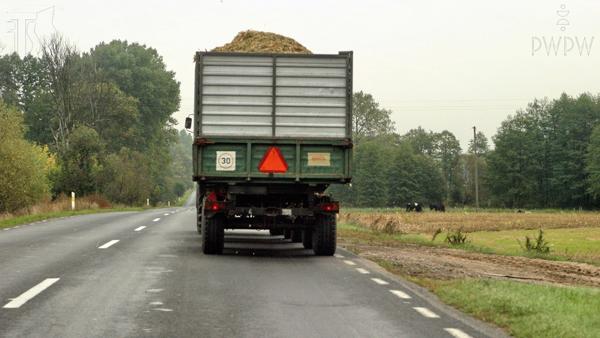
What is the distance of the agricultural tractor from the preceding vehicle dependent on?
A: The situation on the road and the reaction time of the driver.
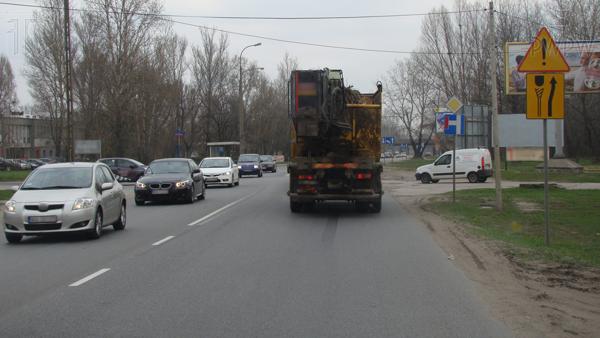
How should you drive a bus on a bend of the road?
A: Smoothly adjust the trajectory, taking into account the angle of the bend.
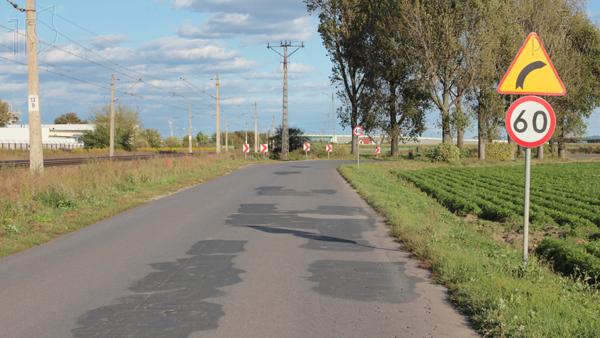
How should you respond to the side skidding of the front wheel when riding a motorcycle on a dirt road?
B: Balance the weight of your body and appropriately operate the throttle grip and the handlebars.
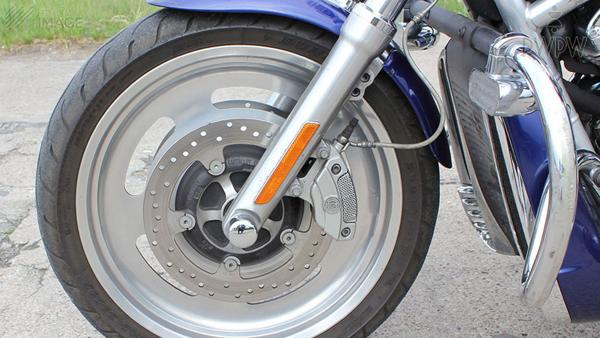
Which of the following reactions of the moped can you expect, if while starting abruptly, you release the clutch lever without increasing the engine revolutions?
A: Stall of the engine.
Which of the following reactions of the moped can you expect, if you use the front brake too abruptly?
B: The vehicle may fall over.
Which of the following methods of braking is the most effective for a moped on a slippery surface?
C: With both brakes simultaneously.
Which of the following ways of braking should be used if there is a need to abruptly decrease the speed of the motorcycle on a long downhill ride?
C: Engine braking and simultaneously braking with the front and rear brakes.
Which of the following riding techniques should you apply while riding a motorcycle on a dirt road with a sand setting bed?
A: Rising up with the legs bent and supported on footrests and balancing the body to keep the balance.
Which of the following factors has the greatest effect on the motorcycle braking distance when riding in good weather conditions?
B: The speed at which the motorcycle is moving.
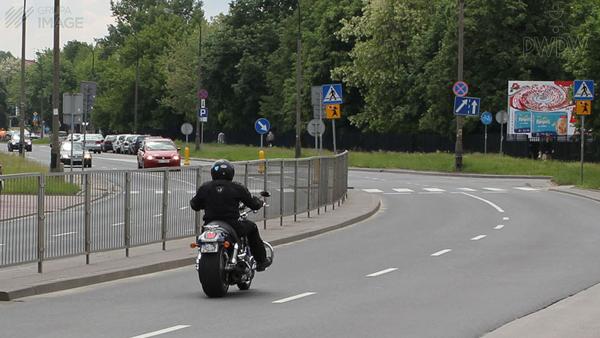
What minimal distance should be kept between columns of mopeds?
B: 200 metres.
If the braking distance of the motorcycle you are riding at the speed of 30 km/h is 6 metres, increasing the speed to 60 km/h will result in:
B: increasing the braking distance to 24 metres.
Which of the following options should you choose when driving a tractor on a muddy terrain?
B: Turn on the differential lock.
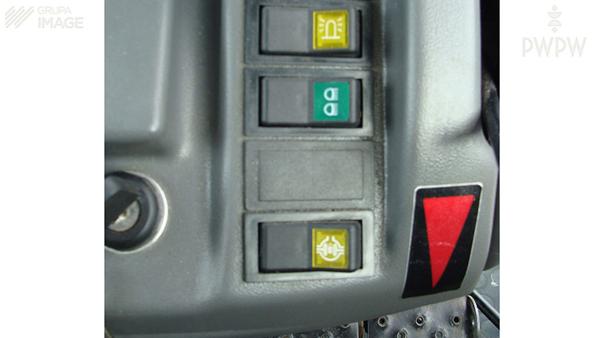
While driving an agricultural tractor on a winding road, is it recommended to turn on a differential lock?
B: No, because it may damage the mechanism.
When should you not turn on the front wheel drive of an agricultural tractor?
A: When driving on a paved road, unless it is necessary to overcome temporary resistance.
In which of the following cases is it not recommended to turn on a differential lock in an agricultural tractor?
B: While driving on a winding road.
Which of the following techniques should you use when driving downhill?
A: Engage a lower gear, the greater the slope.
While driving an agricultural tractor with one-axle trailer through a curve, you should take into account that:
A: the trailer is moving on a smaller radius than the tractor.
Which of the following factors determines to the greatest extent the length of an agricultural tractor's braking distance during emergency braking?
A: The type of the road surface.
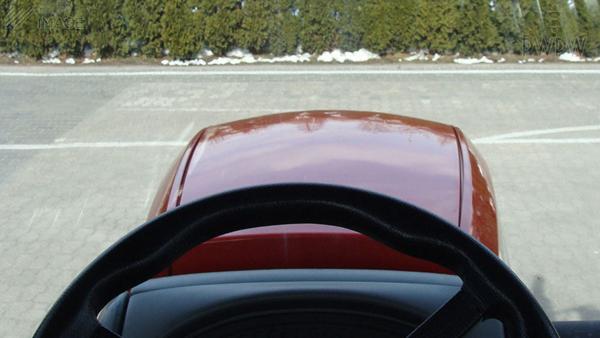
Which of the following factors should you take into account when adjusting the distance from the preceding vehicle during a drive?
A: The type of the road surface and conditions on the road.
Which of the following factors does the agricultural tractor's tyres grip depend on?
C: The type and condition of the road surface.
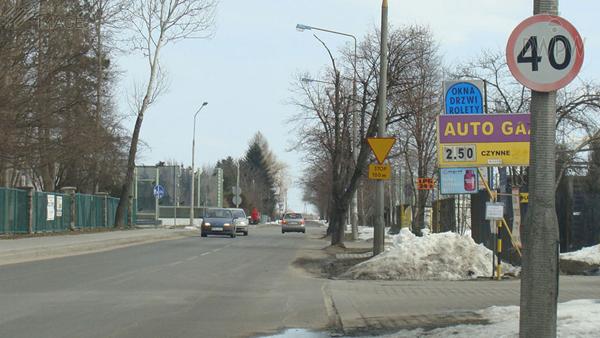
Which of the following factors has an impact on the increase of the braking distance of an agricultural tractor?
A: Decrease of the grip the tyres have on the road.
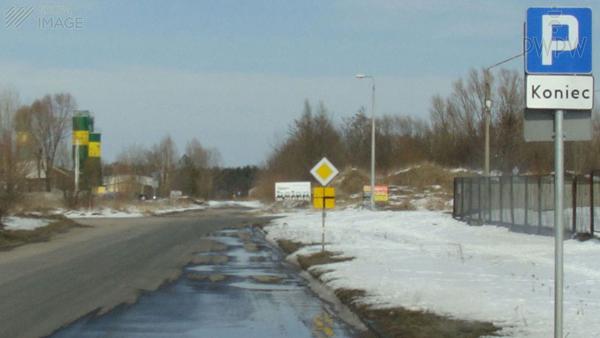
How does a wet road after the rain affect the braking distance?
B: It extends the braking distance.
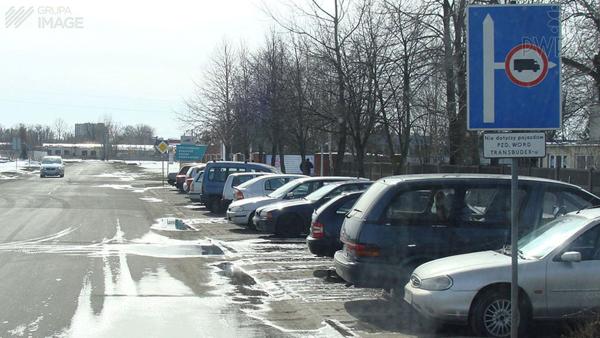
The distance between the moving columns of agricultural tractors cannot be shorter than:
C: 200 meters.
How many meters distance from the vehicle in front are you obliged to keep while stopping in a tunnel?
A: At least 5 meters.
How many times will the braking distance lengthen if you double the speed of the bus that you are driving?
B: Four times.
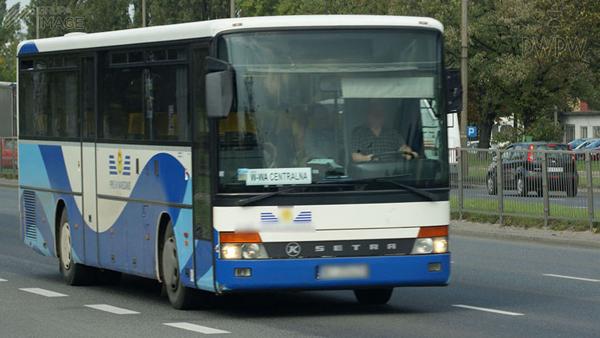
In which of the following situations should you use the speed retarder when driving a bus in a mountainous terrain?
A: Always while braking.
In which of the following situations can the ABS of a bus be ineffective when braking?
B: When driving on uneven road surfaces.
In what position should you adjust the driver’s seat when preparing to drive a bus?
B: In such a position relative to the steering equipment so that you can press the clutch pedal with the leg slightly bent.
Which of the following ways of stopping the bus before the intersection on a dry road surface is appropriate?
C: Depressing the brake pedal and in the final braking stage the clutch pedal.
In which of the following cases do you get the most effective braking in a bus with a retarder?
B: At high engine revolutions.
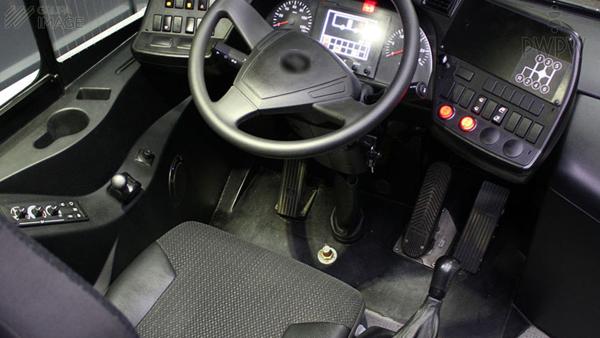
Which of the following activities should you do to initiate engine braking?
C: Shift down gear so that engine revolutions increase.
Which of the following activities should you perform when braking rapidly in an emergency?
C: Simultaneously depress the brake and clutch pedals.
In what road conditions is the technique of engine braking particularly recommended when driving an agricultural tractor?
A: On a slippery surface.
Which of the following braking techniques should you use to considerably decrease the speed of an agricultural tractor driven on a very slippery surface?
A: Engine braking.
While driving a farm tractor downhill should you turn off the gear?
A: No.
In what way does doubling of the motorcycle speed affect the braking distance?
B: It quadrouples the braking distance.
Which of the following factors has the greatest impact on the grip of the truck tyre to the ground?
C: The type and condition of the road surface.
You are driving a motorcycle in the rain. How should you react when you notice that the rear tyre of your vehicle is losing grip?
B: Slow down immediately, reducing first of all the engine rpm.
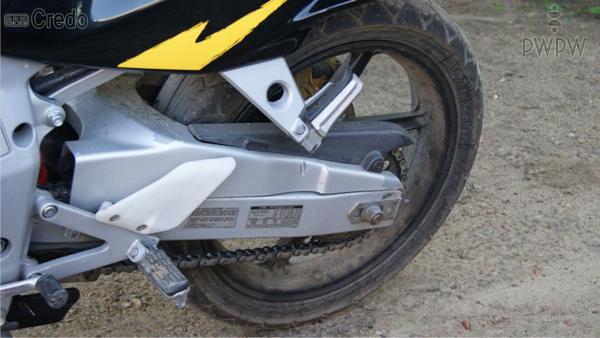
Which of the these actions should you perform when riding a motorcycle, and need to overcome a sharp bend of the road?
B: Adjust the speed early enough so as not to apply the brake at the bendof the road .
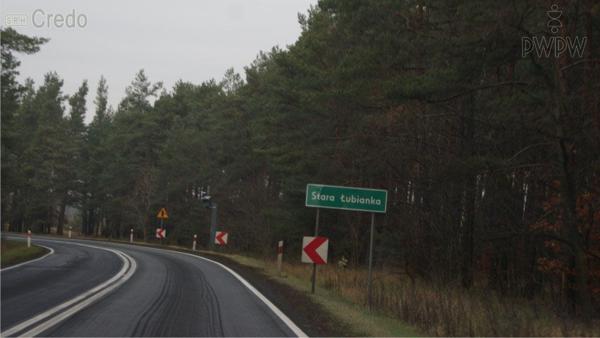
How many metres distance from the preceding vehicle should you maintain when stopping in the tunnel due to a traffic jam?
B: Noless than 5 metres.
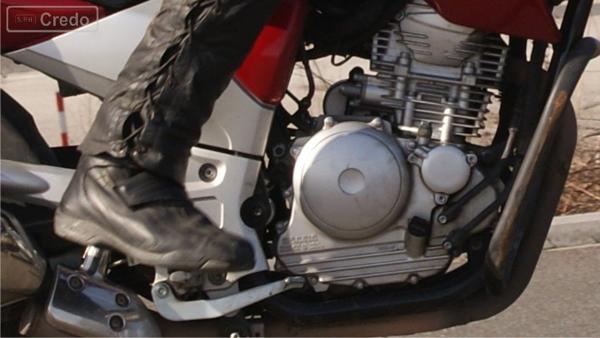
When riding a motorcycle, what effect do you obtain from engine braking?
A: slightly releasing the accelerator without using the clutch lever.
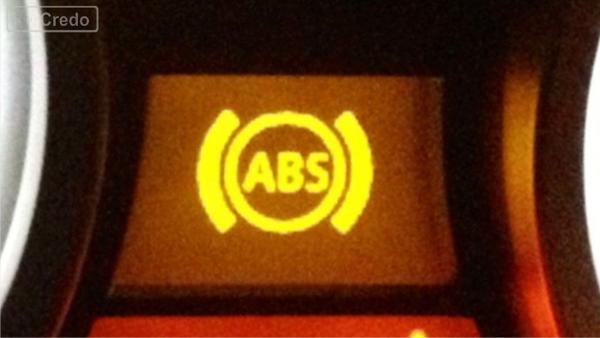
How do you effectively stop a vehicle with an ABS?
B: By pressing the brake pedal all the way.
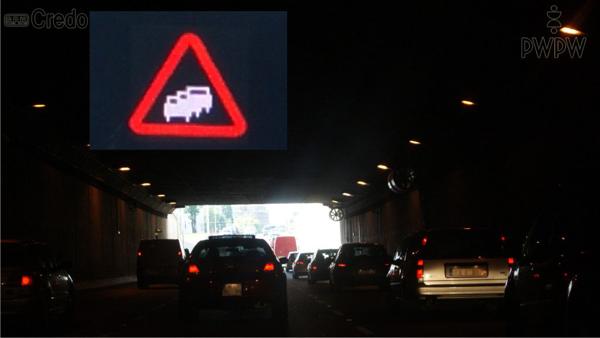
How should you behave upon missing an exit on a road with heightened traffic?
C: Drive further to a place where you can safely stop the vehicle.
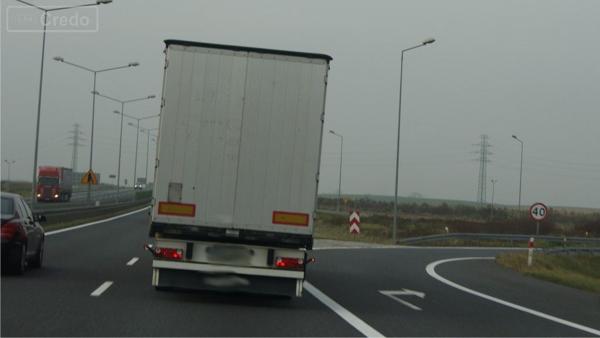
How should you behave when forced to continue driving behind a driving lesson vehicle, without the possibility of overtaking?
A: Maintain an appropriate distance, bearing in mind what kins of mistakes the driver might make.
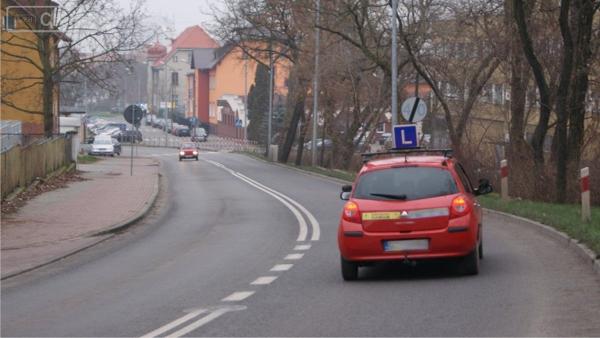
You are travelling on a road at the maximum permitted speed, and in spite of that you see a vehicle approaching from behind and blinking the lights. What do you do in this situation?
C: I'll drive to the edge of the road to allow for an ovetaking manoeuvre.
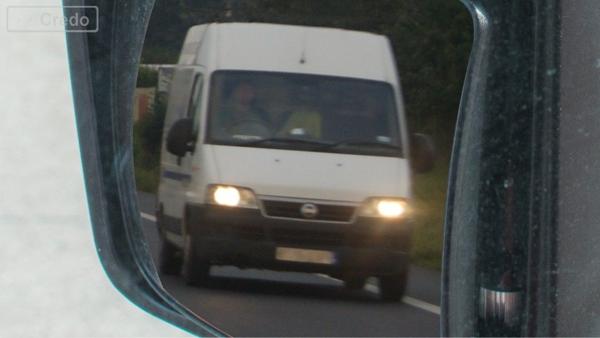
What do you do if another vehicle suddenly appears in front of you at an intersection, forcing the right of way?
C: Limit the speed and prepare for sudden braking.
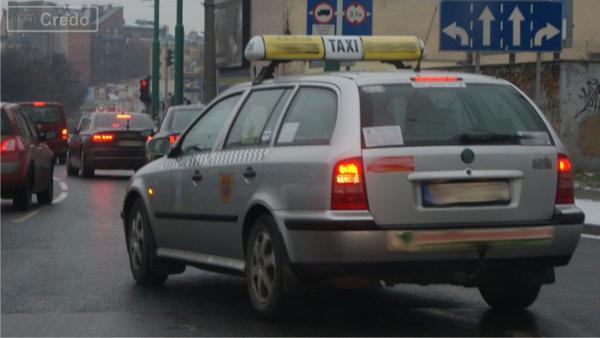
With overheating of the brakes the braking performance:
B: may decrease.
Too high pressure in the lorry tyres:
B: may lengthen the braking distance of the vehicle.
How should you behave in the event of missing an exit on a road with heightened traffic?
C: Continue driving to a place where can safely stop the vehicle.
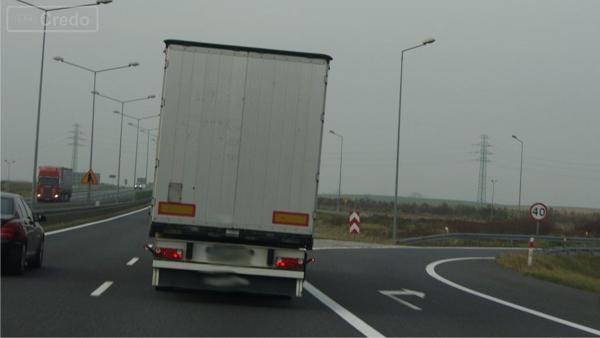
How should you negotiate a bend when driving a truck?
A: By smoothly adjusting the trajectory, taking the bend into account.
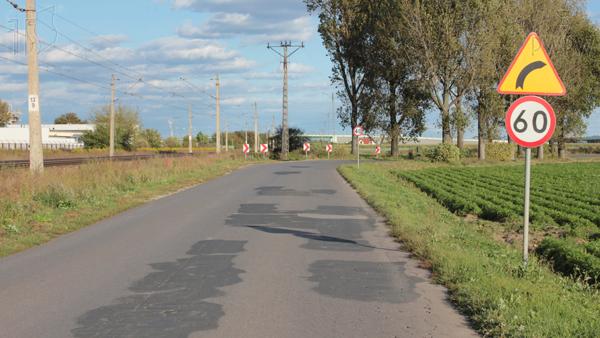
Which of these methods of braking a lorry equipped with an ABS system guarantees the fastest way of stopping the vehicle?
B: Simultaneously pressing the brake and clutch pedals as strong as possible.
How does doubling of the lorry speed influence the length of the braking distance?
B: It increases the braking distance by four times.
When driving in fog, the braking distance:
A: may increase due to the wet road.
How should you hold a steering wheel when driving a truck straight on?
C: With the left hand holding the steering wheel between 9 and 10 o'clock and the right hand between 2 and 3 o'clock.
Which of the following driving techniques is the best when driving a loaded lorry downhill?
A: Driving downhill with an appropriately chosen gear and using the retarder.
What is the minimum distance you must maintain from the vehicle in front of you when driving a 6-tonne lorry at the maximum permitted speed on this road?
B: 40 m.
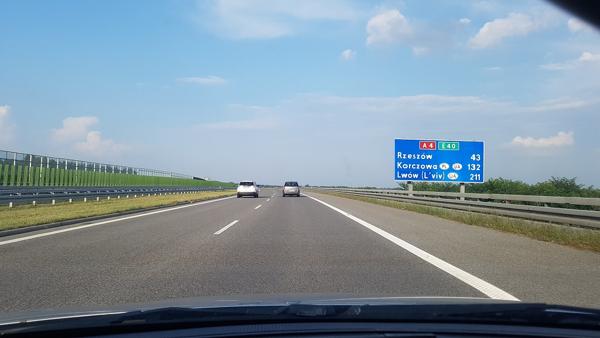
What is the minimum distance you must maintain from the vehicle in front?
C: 40 m if you are travelling at 80 km/h.
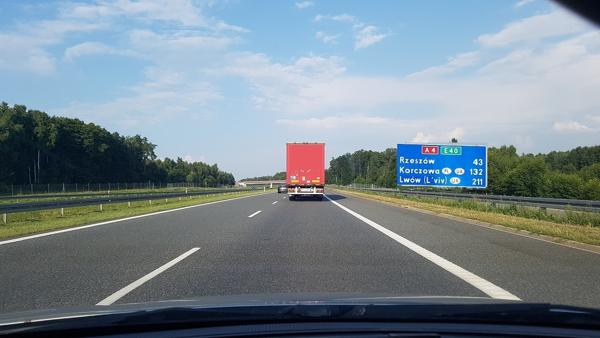
What is the required minimum distance between organised columns of motorbikes travelling on a motorway?
C: 500 m.