Using external lights and vehicle signals
106 questions in this category
Poland requires vehicles to use lights at all times, day and night, throughout the entire year. This is a significant difference from many countries where daytime lights are optional. The rules cover dipped headlights (low beam), full beam (high beam), fog lights, daytime running lights, and the use of audible signals such as the horn.
Why This Category Matters on the Exam
Lighting rules generate 2-4 exam questions that test specific scenarios: when to switch between light types, when fog lights may be used, and proper horn use. Since Poland's mandatory all-day lighting rule differs from many other countries, it is frequently tested. Incorrect use of high beam or fog lights is both dangerous and illegal, making this a priority safety topic.
Common Mistakes and Tips
The most important Polish-specific rule is that dipped headlights or daytime running lights must be used 24 hours a day, 365 days a year, regardless of weather or visibility conditions. Failing to use lights results in a fine. High beam must be switched to dipped beam when within 150 meters of an oncoming vehicle, when following another vehicle at close distance, or when driving in built-up areas with sufficient street lighting. Rear fog lights may only be used when visibility drops below 50 meters. A common exam mistake is thinking daytime running lights are sufficient at night. They illuminate only the front of the vehicle and do not activate tail lights. The horn may only be used to warn of danger, and its use is prohibited in built-up areas except to prevent an accident.

You are driving a vehicle in the built-up area. Is it prohibited in the presented situation to use the horn?
B: No

Are you obliged in this situation to use the low beam lights or daytime running lights?
A: Yes

Are you allowed to drive with the daytime running lights on in decreased air clarity?
B: No


Is it allowed to use a sound signal in this situation?
B: No

Are you obliged to use the low-beam lights in this situation?
A: Yes

Can you use the horn if the presented vehicle starts to change the lane while you are overtaking?
A: Yes

Are you allowed in this situation to drive with the front fog lights on?
B: No
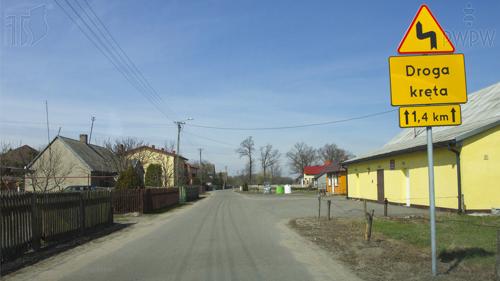
When parking on the road in this situation, are you obliged to switch on the position lights or parking lights?
A: Yes
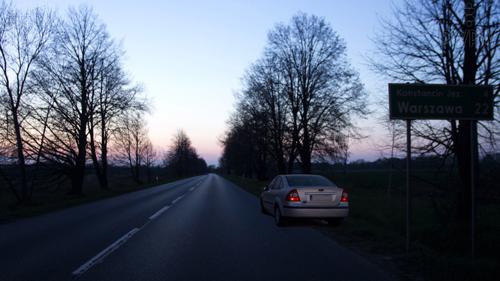
After passing the vehicle in this situation, are you allowed to change the low beam lights into high beam lights?
A: Yes

When driving a motor vehicle in these conditions, are you allowed to use position lights only?
B: No
Are you allowed in this situation to drive a vehicle with high-beam lights switched on?
B: No
org.jpg)
Can you drive with high-beam lights switched on in this situation?
B: No

Are you allowed in this situation to use daytime running lights instead of low beam lights?
A: Yes
.jpg)


If you are driving with your low-beam lights turned on in heavy rain limiting visibility, can you also use the front anti-fog lights?
A: Yes

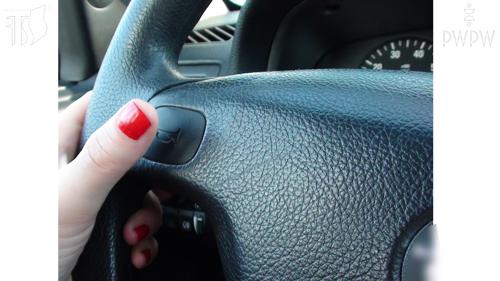
If you park your car at night on an unlit road, are you obliged to use position or parking lights?
A: Yes
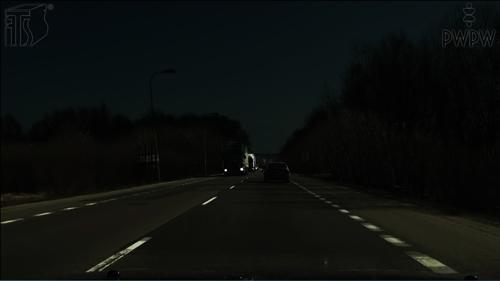
In this situation, can you use high-beam lights?
B: No

In this situation, should you change high-beam lights to low-beam lights?
A: Yes

In this situation, can you use daylights?
B: No

In this situation, are you obliged to change high-beam lights to low-beam lights?
A: Yes

Does the obligation to use low-beam lights in the car apply only to the winter period?
B: No



Are you allowed to use high beam lights in this situation?
B: No

Are you allowed to use high-beam lights in this situation?
B: No


Are you allowed to switch on emergency lights when you are driving a hauled vehicle?
B: No
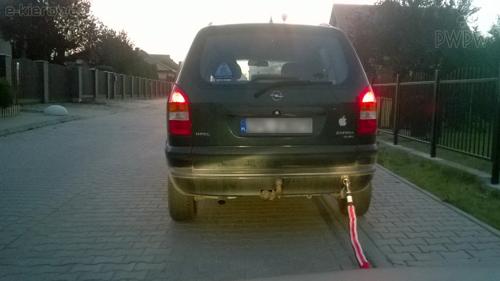
Are you allowed to use low-beam lights and front fog lights at the same time during these weather conditions?
A: Yes
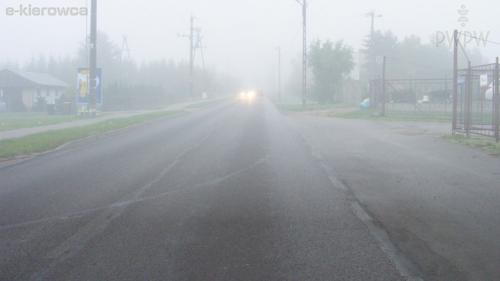
Are you allowed to drive with daytime running lights switched on in these weather conditions?
B: No
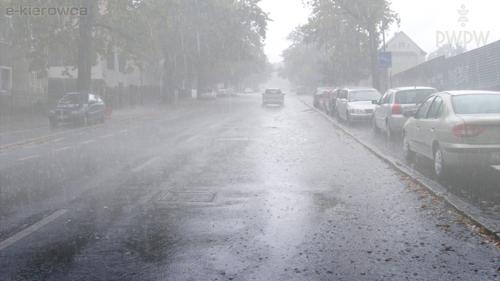
Are you allowed to use high-beam lights in this situation?
B: No

Are you obliged to use low-beam lights in this situation?
A: Yes

In this situation, are you allowed to use the horn in order to induce the driver of the preceding vehicle to leave the intersection faster?
B: No

Are you obliged to use low-beam lights in this situation?
A: Yes

Are you permitted to use the rear fog lights, if fog restricts visibility to a distance of 100 m?
B: No
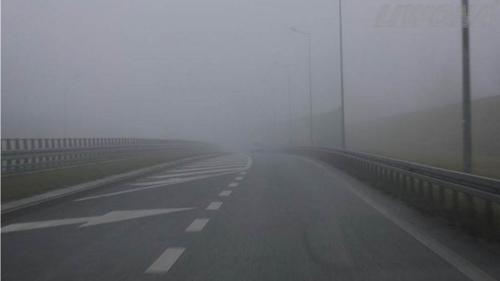
Are you allowed to use the rear fog lights if the fog restricts visibility to a distance less than 50 m?
A: Yes
Is it prohibited during the day to give warning signal with the main beam headlights, if this may cause blinding to other drivers?
A: Yes
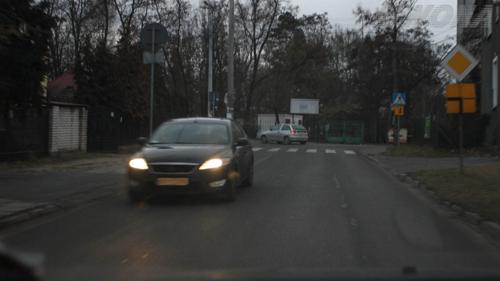
Are you allowed in this situation to use the sound signal to urge on stationary vehicles?
B: No

Are you allowed in this situation to use the sound signal to urge on the cyclist?
B: No

Are you allowed to use the headlights in this situation?
B: No

In this situation, are you required to use a sound signal to alert children that you are approaching the pedestrian crossing?
B: No

In the present situation, is the driver allowed to switch on the driving beam?
B: No
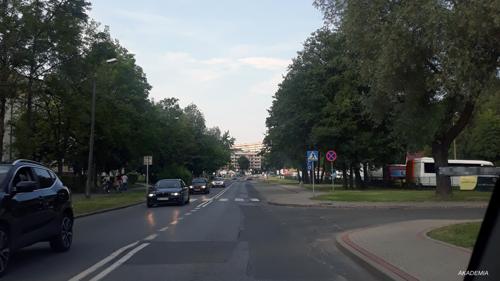
You are about to continue on a priority road. Do you need to use your left indicator?
A: Yes

You are about to turn left at the next intersection. Do you have to turn on your left indicator?
A: Yes

You intend to continue on a priority road. Do you have to turn on your right indicator?
A: Yes
Are you obliged to switch on your hazard lights beyond this sign to indicate that the damaged vehicle is stationary?
A: Yes
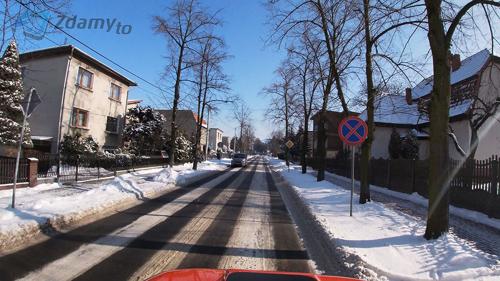
Are you entitled to drive with your daytime running lights on in these weather conditions?
A: Yes
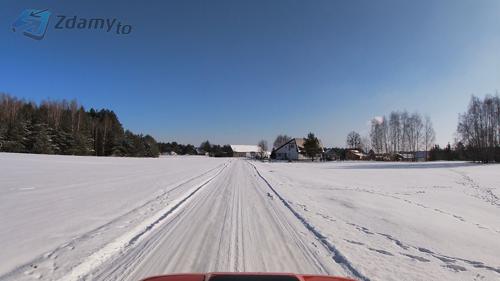
When is a tram driver required to adapt the speed to the prevailing conditions of the road?
A: Always.
What is the maximum permissible speed of the tram in a built-up area in the hours 5:00 - 23:00 (if the road signs do not indicate otherwise)?
B: 50 km/h
Is it necessary to reduce the speed of the tram when passing the rail switch?
B: Yes, it is mandatory.
If the speed of the tram determines the ability to stop safely, on what in particular should the tram's speed be adjusted to?
A: The condition of the track and visibility of the road.
When can a tram driver increase the speed negotiating a curve of the road?
B: When the last carriage leaves the curve.
At what permissible speed can you drive in a residential area?
C: 20 km/h
How should you behave to drive at a safe speed?
A: Maintain the speed to avoid collision with the preceding vehicle.
What's the maximum speed at which you can ride a motorcycle, once you drive past these signs?
B: 140 km/h.
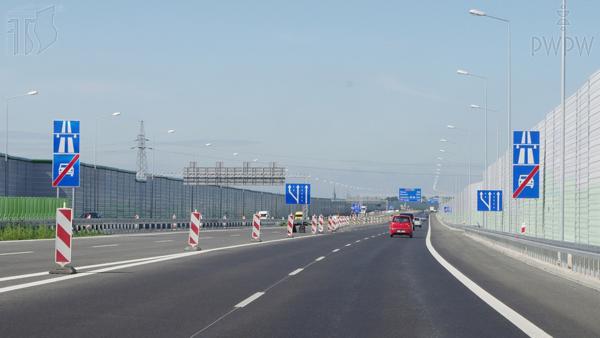
At what speed can you ride a motorcycle on a dual carriage express road?
A: 105 km/h.
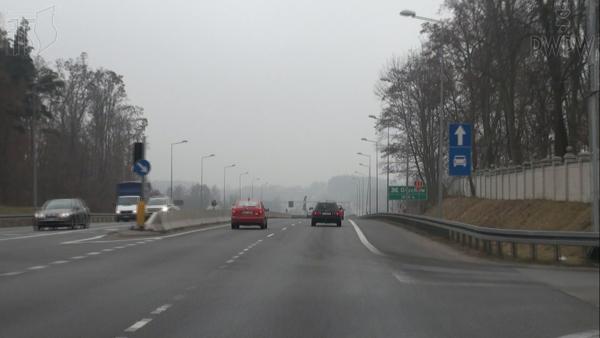
What's the maximum speed at which you can ride a motorcycle once you go past these signs on the road?
C: 120 km/h.
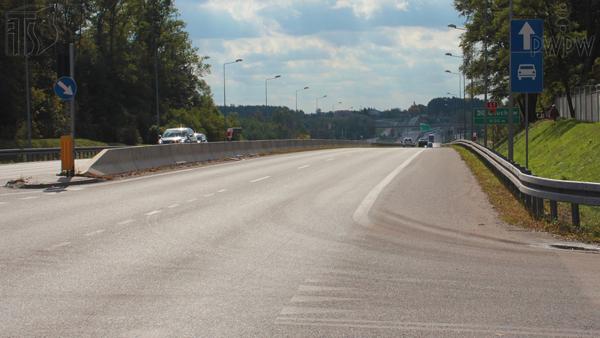
At which of the following speeds can you ride a motorcycle if you carry a six-year-old child?
C: 30 km/h.
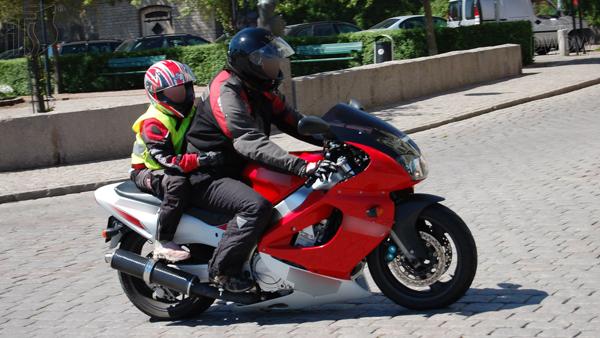
What's the maximum speed at which you can ride a motorcycle once you go past this sign, if you carry a five-year-old child?
A: 20 km/h.
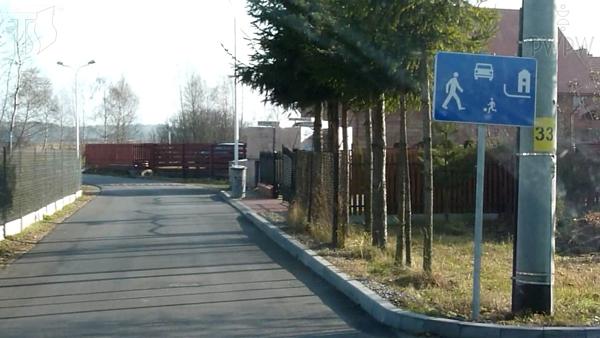
Which of the following speeds can you ride a moped, if you carry a six-year-old child?
C: 30 km/h.
What maximum speed can you ride a moped past this sign, if you’re transporting a five-year-old child?
A: 20 km/h.
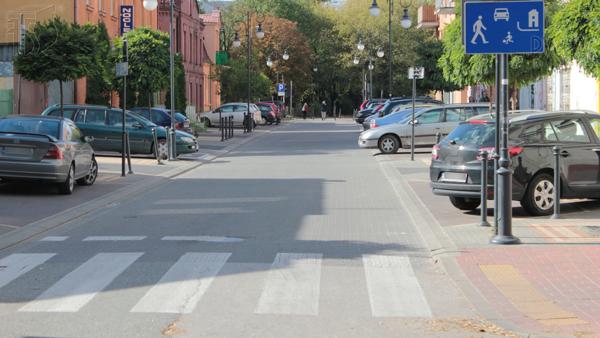
What's the maximum speed at which you can drive a tractor without a trailer once you go past this sign?
A: 30 km/h.
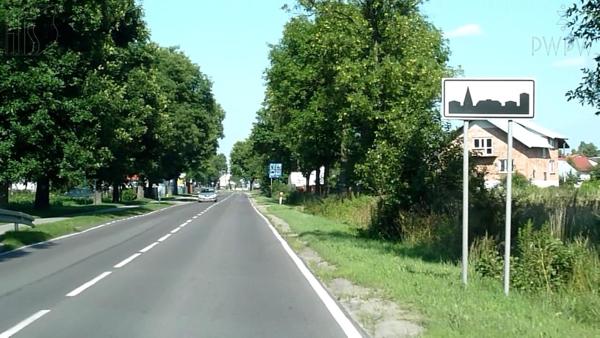
What's the maximum speed at which you can drive a tractor with a trailer once you go past this sign?
B: 20 km/h.
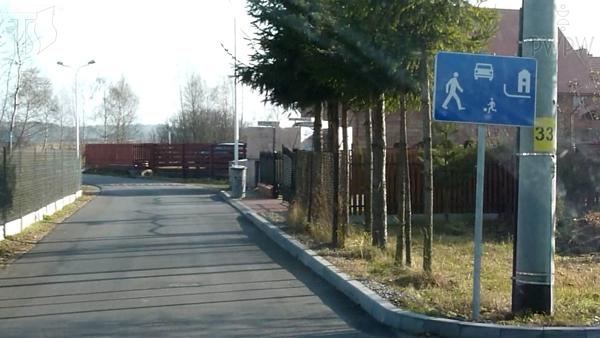
What's the maximum speed at which you can drive a with a trailer on a road marked like this?
C: 30 km/h.
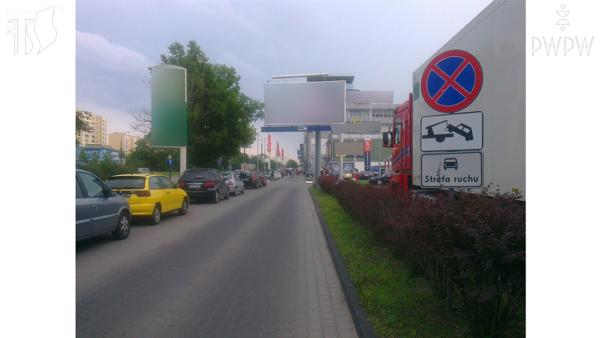
What's the maximum speed at which you can drive a tractor if you transport a team of labourers in a trailer?
A: 20 km/h.
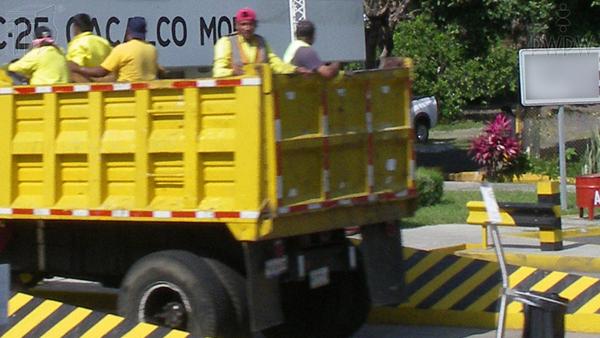
If you drive a tractor, what's the maximum speed that you can reach outside a built-up area?
C: 30 km/h.
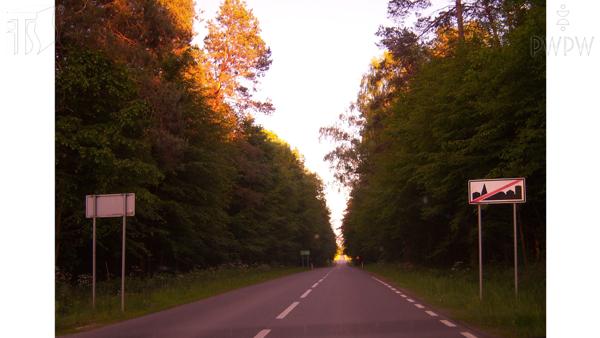
If you drive a truck with a gross vehicle weight of over 3.5 t, what's the maximum speed at which you can drive on the road once you go past this sign?
C: 80 km/h.
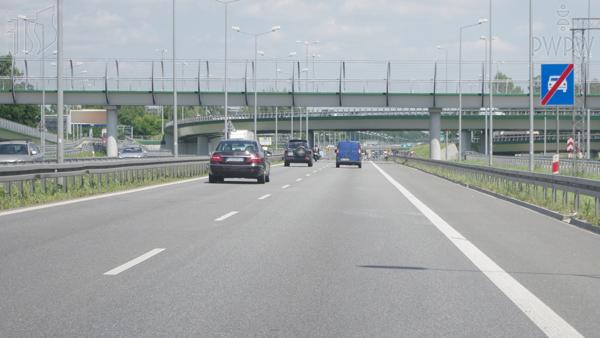
If you drive a truck with a gross vehicle weight of over 3.5 t, what's the maximum speed at which you can drive on the road once you go past this sign?
C: 70 km/h.
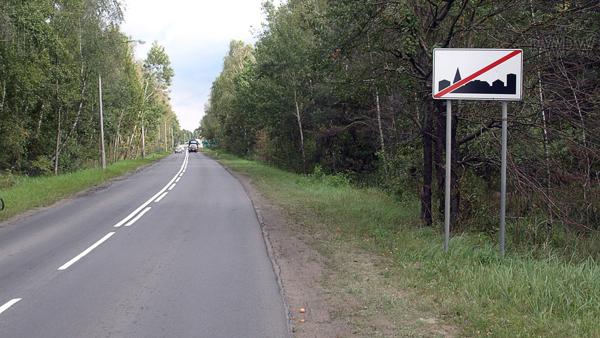
If you drive a truck with a gross vehicle weight of over 3.5 t in a built-up area, can you drive at a speed of 70 km/h once you go past this sign?
B: No.
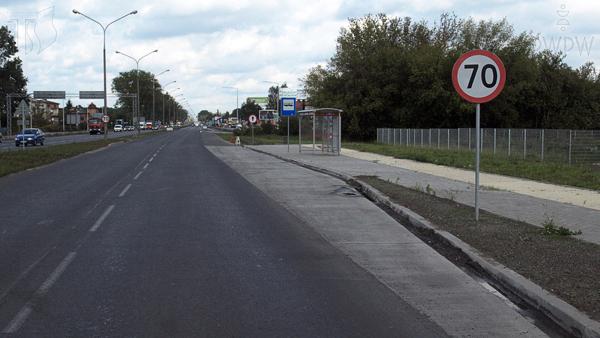
If you drive a truck with a gross vehicle weight of over 3.5 t, what's the maximum speed at which you can drive on an express road?
A: 80 km/h.
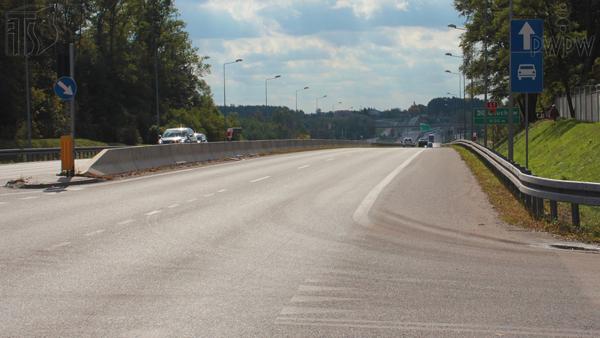
If you drive a truck with a gross vehicle weight of over 3.5 t, what's the maximum speed at which you can drive once you go past this sign?
A: 70 km/h.
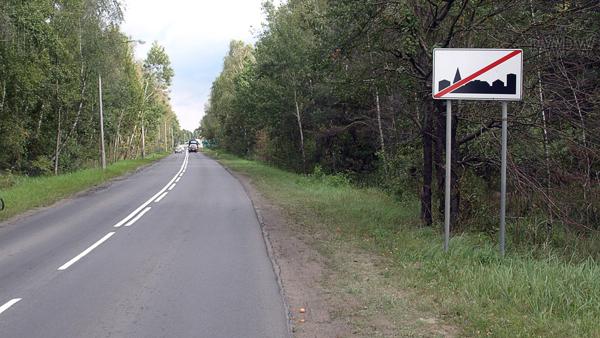
If you drive a truck with a gross vehicle weight of over 3 t, what's the maximum speed at which you can drive on a motorway?
B: 80 km/h.
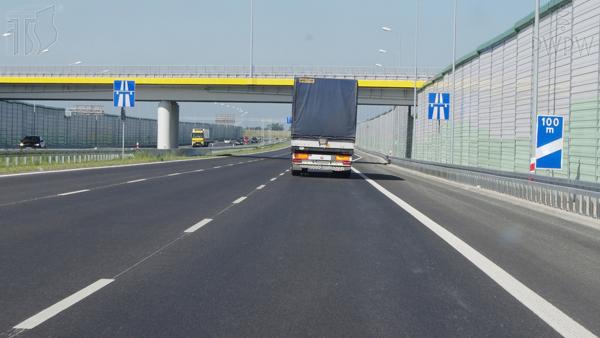
What's the maximum speed limit for a bus which does not meet the additional technical conditions on a road marked like this?
A: 80 km/h.
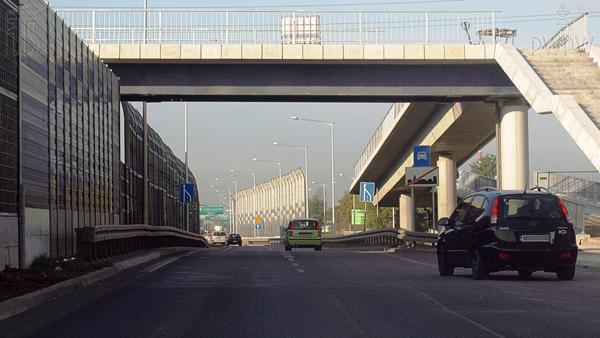
If you drive a bus, what's the maximum speed at which you can drive once you go past this sign?
C: 70 km/h.
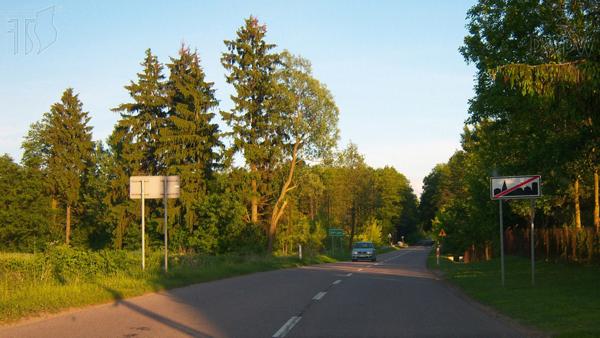
If you drive a bus in a built-up area, can you drive at a speed of 80 km/h on a road marked like this?
B: No.
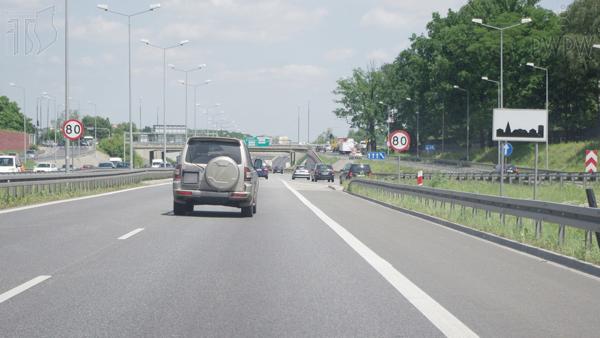
If you drive a bus with a light trailer, what's the maximum speed at which you can drive once you go past this sign?
A: 80 km/h.
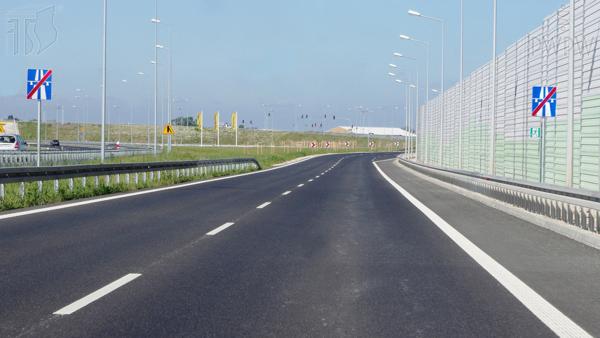
If you drive a bus whose maximum speed limit is up to 100 km/h, what's the maximum speed at which you can drive on the road once you go past this sign?
B: 80 km/h.
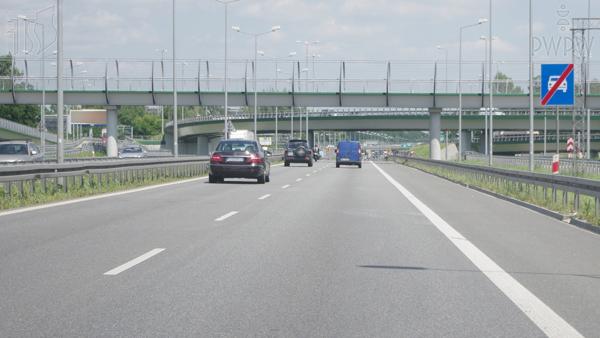
If you drive a bus whose maximum speed limit is up to 100 km/h, what's the maximum speed at which you can drive on the road once you go past this sign?
A: 80 km/h.
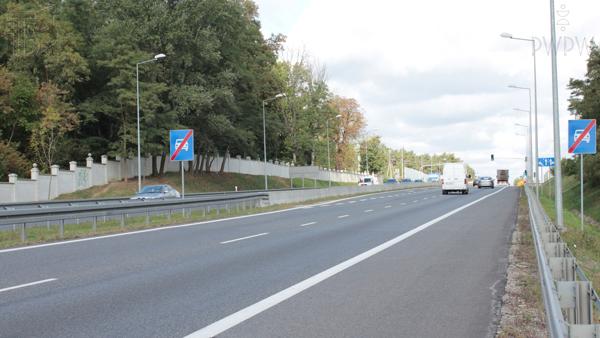
What's the maximum speed at which you can drive a bus on a motorway, if the bus meets the additional technical conditions?
A: 100 km/h.
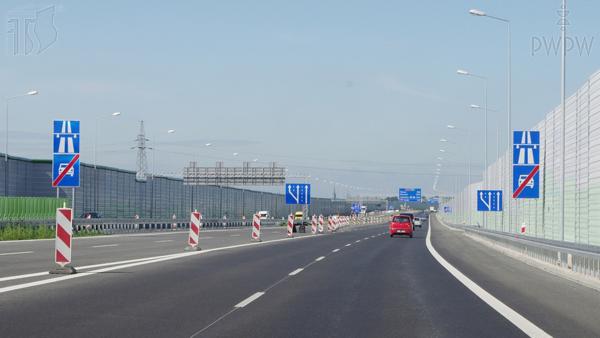
If you drive a car whose length is up to 6 m, what's the maximum speed at which you can drive on a road once you go past this sign?
C: 80 km/h.
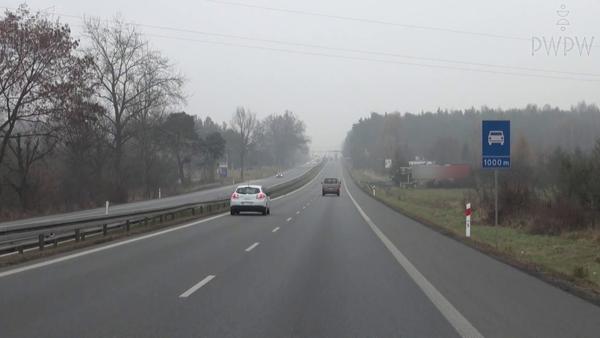
If you drive a car with up to 15 seats, what's the maximum speed at which you can drive on the road once you go past this sign?
C: 80 km/h.
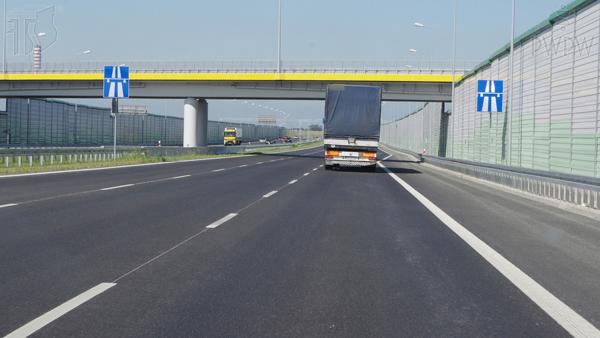
If you drive a bus with up to 15 seats, what's the maximum speed at which you can drive on the motorway?
C: 80 km/h.
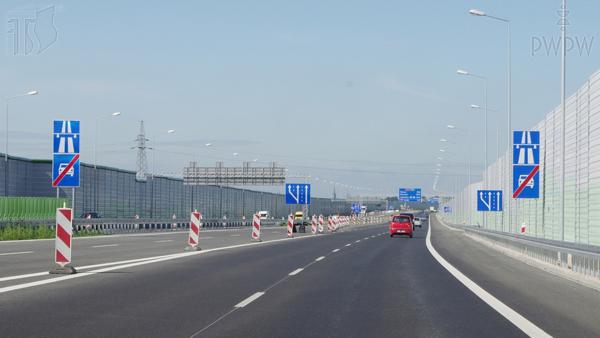
If you drive a bus that meets the additional technical conditions, what’s the maximum speed at which you can drive on the road once you go past this sign?
C: 100 km/h.
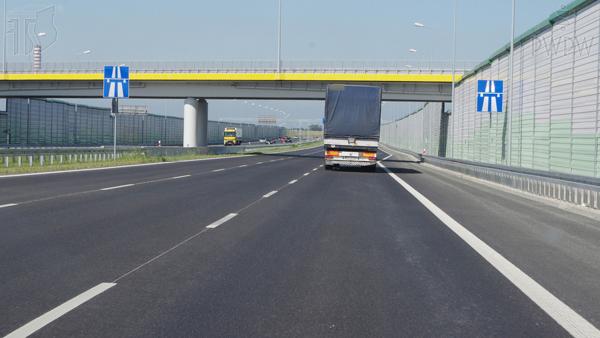
At what speed can you drive a bus?
A: At a speed that ensures control over the vehicle.
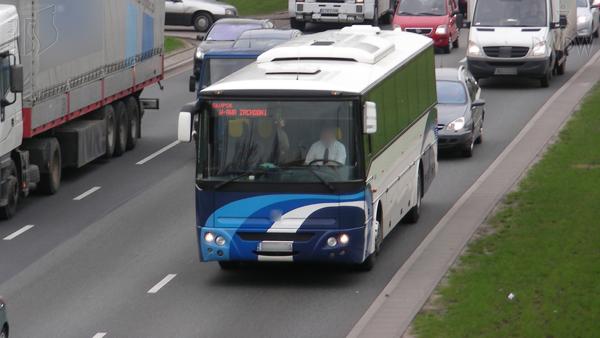
At what speed can you drive a bus?
C: At a speed, which does not cause an obstacle to other drivers.
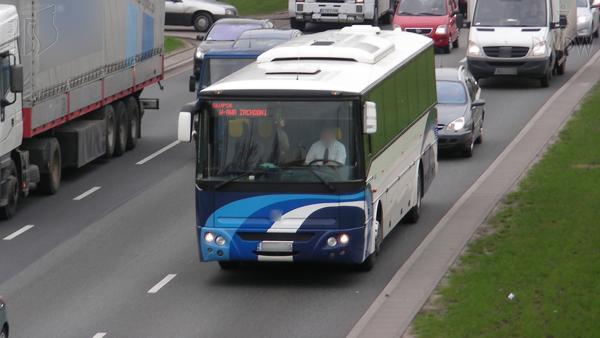
With what maximum permissible speed can you drive a tram on single carriageway with one traffic lane in each direction, marked with this sign?
B: 70 km/h
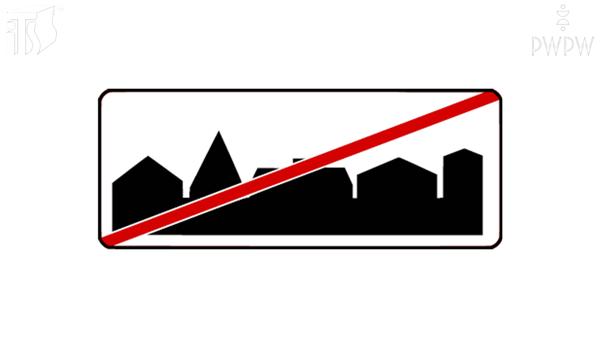
At what speed should you drive past the tram rail switch?
B: At a safe speed.
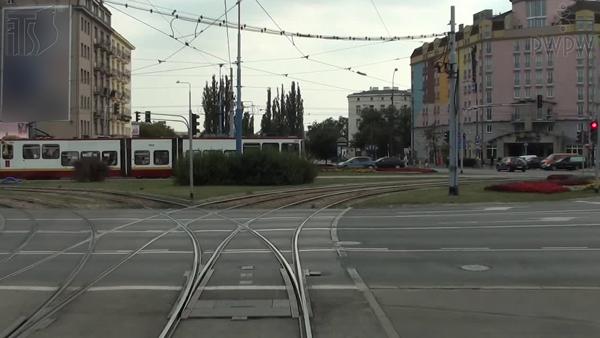
What is the permissible speed of the tram on a road marked by this sign in a built-up area in the hours 5:00 - 23:00?
A: 50 km/h.
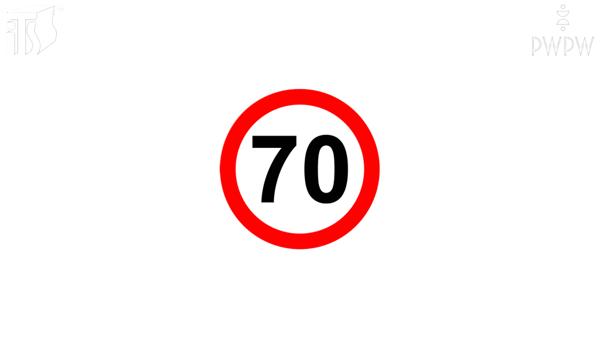
At what speed can you drive a tram on a road marked by this sign, in a built-up area in the hours 5:00 - 23:00?
A: 50 km/h.
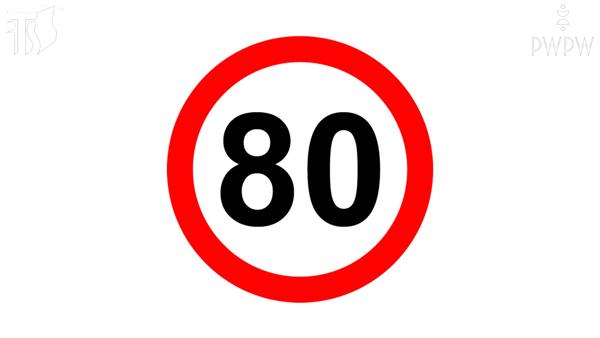
At what maximum speed are you allowed to drive on the road beyond this sign if you are driving a lorry of gross vehicle weight rating over 3.5 tons?
A: 80 km/h.
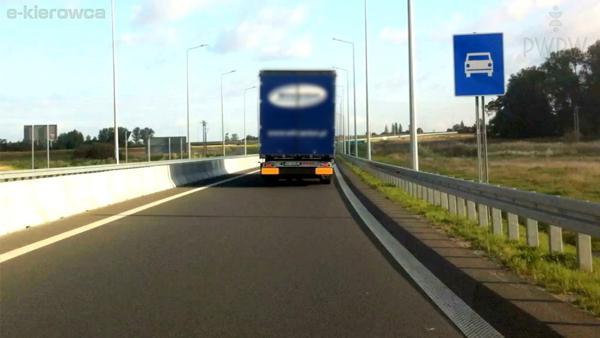
You are driving a lorry of gross vehicle weight rating over 3.5 t outside a built-up area. What is the maximum speed permitted beyond this prohibitory sign?
B: 80 km/h.
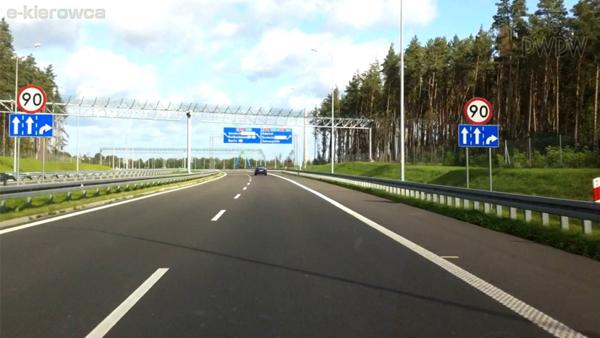
What is the maximum speed allowed beyond these signs when you are carrying a six-year-old child in the sidecar of a motorbike?
B: 40 km/h.
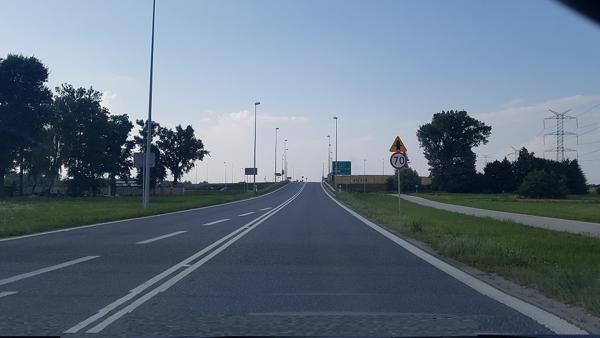
At what speed is a motorbike not allowed to travel on this road?
C: 80 km/h if you are carrying a 6 year old child.
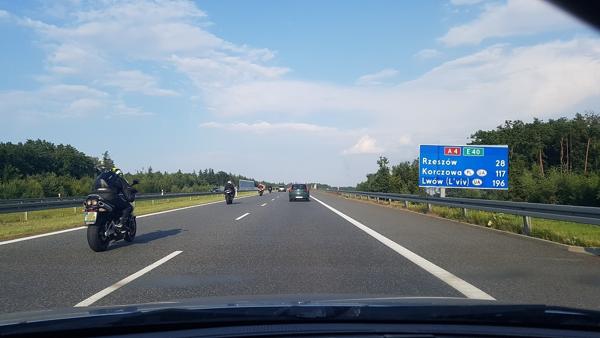
Which of the speed limit signs does not apply to the driver of a moped?
C: C.
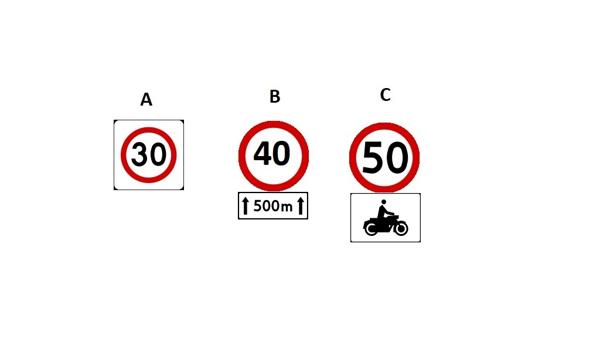
Who does the speed limit expressed by these signs apply to?
B: Motorbike rider.
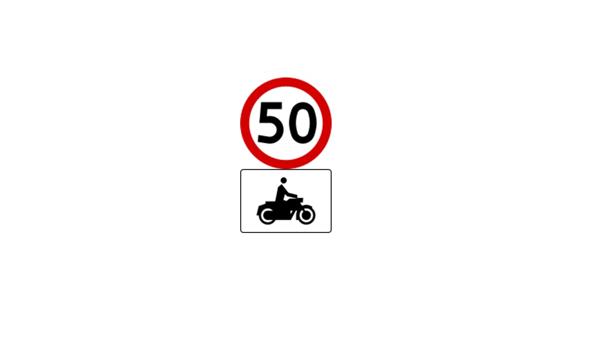
What is the maximum speed permitted in a built-up area when you are carrying a five-year-old child on a light quadricycle?
B: 40 km/h.
What is the maximum speed permitted for a bus on a motorway?
A: 100 km/h if it meets the additional technical conditions stipulated by the legislation.
At what speed is the bus driver allowed to continue driving past this prohibition sign?
C: 50 km/h when towing a trailer regardless of the GVM of the combination.
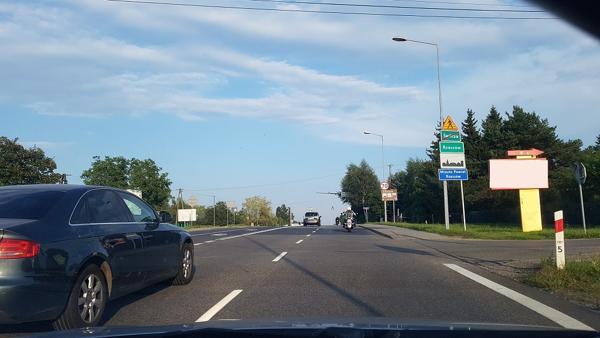
Can you exceed the speed limit by no more than 10km/h when transporting a disabled person with a parking permit?
B: No
Is the maximum speed for a passenger car on the road limited behind this sign?
B: Yes, to 140 kmph.
.jpg)