Warning signs
132 questions in this category
Warning signs in Poland follow the European convention of red-bordered triangles with pictograms inside. These signs alert drivers to hazards ahead and require increased vigilance. If you are familiar with UK or US road signs, you will notice that Polish warning signs share the triangular shape but use different pictograms and placement rules.
Why This Category Matters on the Exam
Warning signs are one of the most heavily tested categories on the Polish driving theory exam. You can expect 3-5 questions directly related to recognizing and interpreting these signs. Since each question carries 3 points for specialist questions or 1 point for basic ones, misidentifying warning signs can quickly erode your score. Many candidates fail because they confuse similar-looking warning signs or do not understand the required response.
Common Mistakes and Tips
The most frequent mistake is confusing the "dangerous curve" sign with the "winding road" sign, or misinterpreting the distance plates that often accompany warning signs in Poland. Remember that Polish warning signs are typically placed 150-300 meters before the hazard outside built-up areas and 50-100 meters within them. Unlike in the US where diamond-shaped yellow signs are used, Poland exclusively uses the European triangular format. Pay special attention to Poland-specific warnings like the "tram crossing" sign and the "wild animals" sign, which appear frequently on rural Polish roads. When you see a warning sign, always consider reducing speed even if no specific speed limit is posted.
Are you warned in this situation of a single dangerous bend to the right?
A: Yes
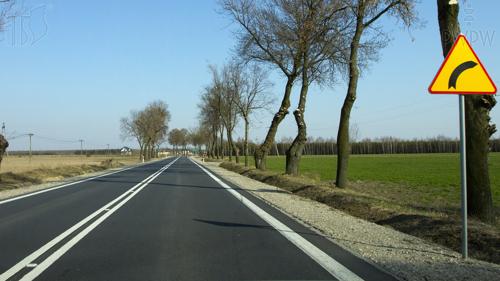
Are you warned in this situation of a few dangerous bends to the left?
B: No
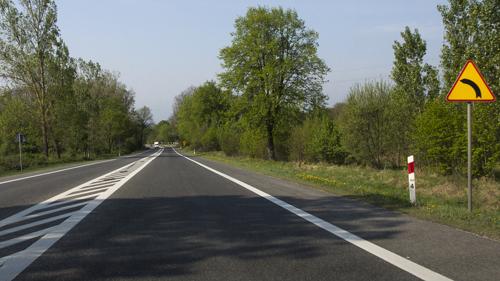
Are you warned in this situation of two dangerous bends?
B: No
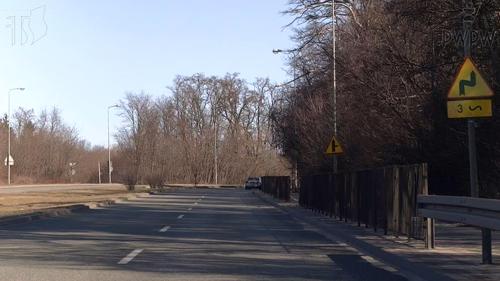
Are you warned in this situation of two dangerous bends, the first to the left?
A: Yes
org.jpg)
Are you warned in this situation of an intersection where there are no right of way signs?
A: Yes
org.jpg)
Does the sign on this board inform you of a place on the road where there is, or there might be a danger?
A: Yes
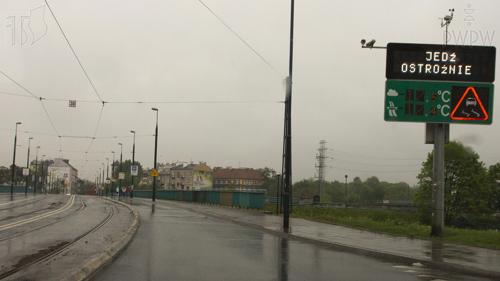
Do you have to exercise particular caution in the presented situation?
A: Yes
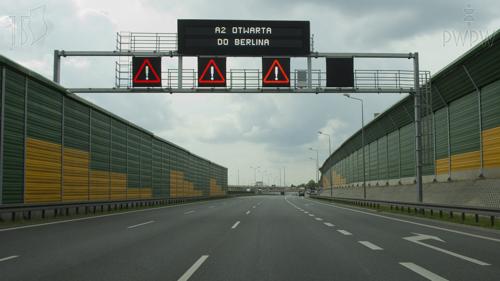
In the presented situation, are you warned of an intersection with a one-way minor road?
A: Yes
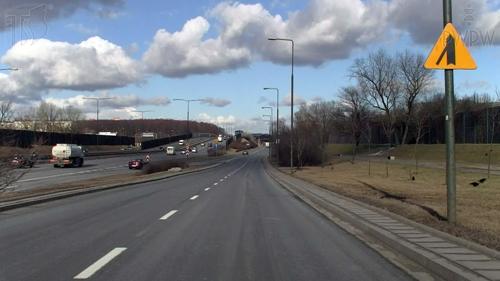
In the presented situation, you are warned of an intersection with a major road. Does the plate under the sign indicate its actual route?
A: Yes
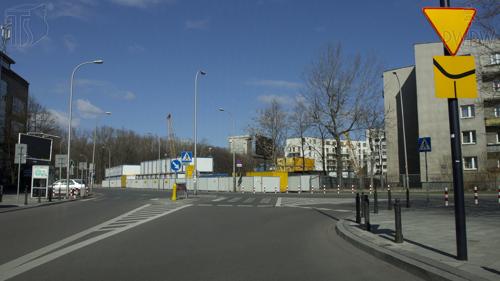
Are you warned in this situation of a level crossing with full barriers or half-barriers?
A: Yes
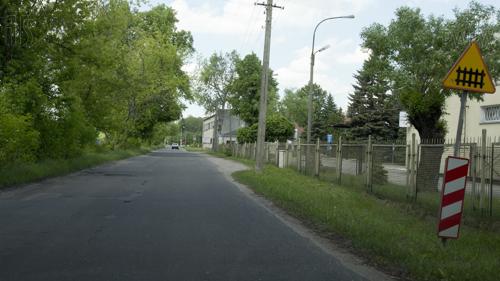
Are you warned in this situation of a level crossing with full barriers or half-barriers?
B: No
org.jpg)
Are you warned in this situation of a level crossing with half-barriers?
B: No
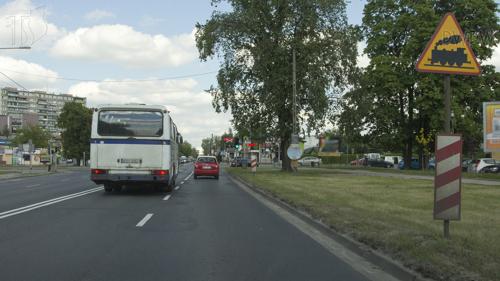
Are you warned in this situation of a transverse unevenness of the roadway?
A: Yes
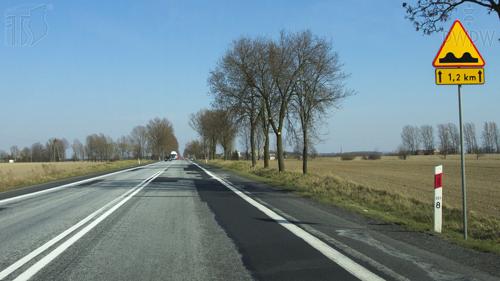
Are you warned in this situation of a 1.2 km-long rough roadway beyond this sign?
A: Yes
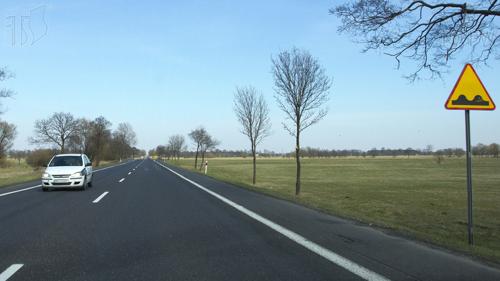
Are you warned in this situation of a hump on the road intended to slow down the traffic?
B: No
Are you warned in this situation of hump on the roadway intended to slow down the traffic?
A: Yes
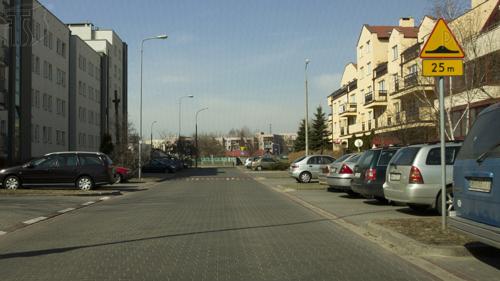
Does the board placed under this warning sign indicate the sign's distance from a dangerous spot?
A: Yes
Are you warned in this situation of road narrowing which may cause impediments to the traffic?
A: Yes
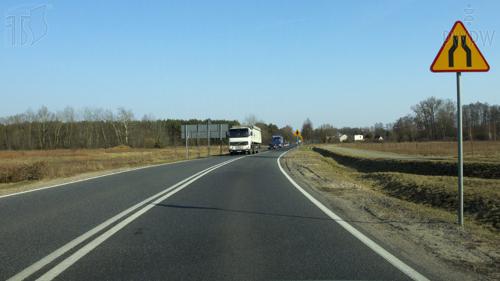
Are you warned in this situation of a junction with the road on the right?
B: No
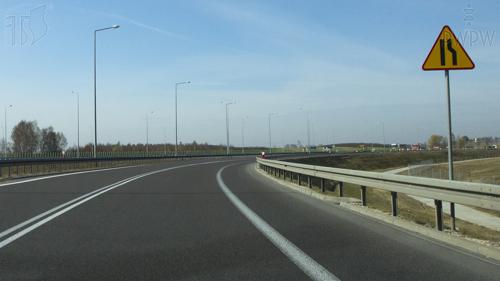
Do you need to be prepared for impediments to traffic in this situation?
A: Yes
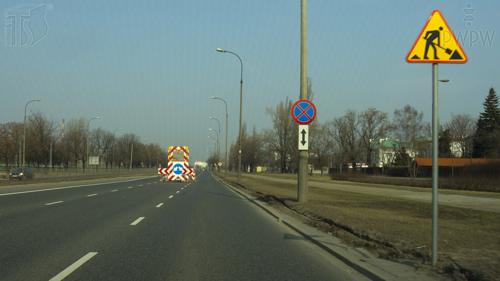
Are you warned in this situation of a pedestrian crossing marked on the road?
A: Yes
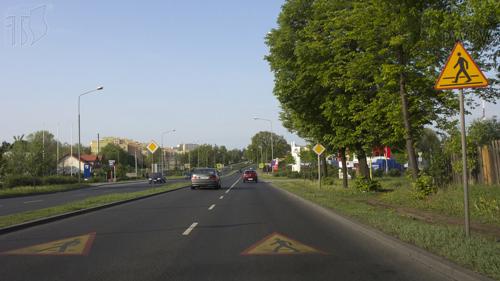
Are you warned in this situation of a place on the road frequently attended by children or of proximity of such a place?
A: Yes
org.jpg)
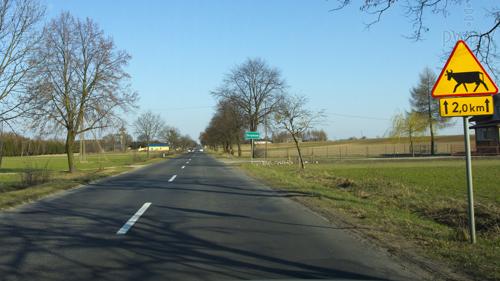
Are you warned in this situation of a possible encounter with farm animals on the road?
A: Yes
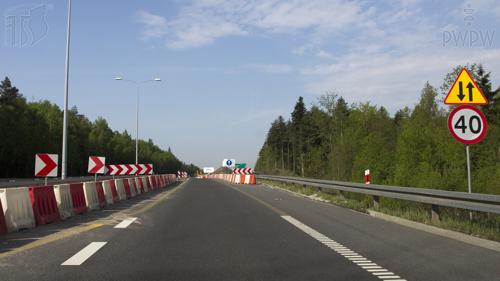
Are you warned in this situation of a place where two-way traffic begins?
A: Yes
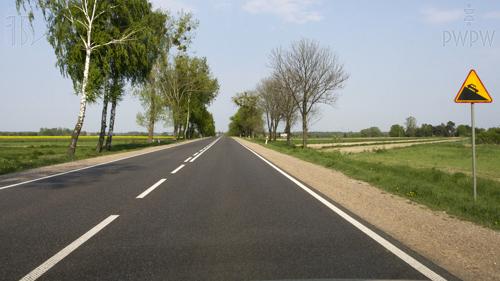
Are you warned in this situation of a steep uphill road?
B: No
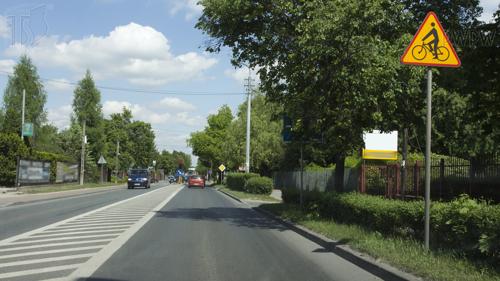
Are you warned in this situation of a place where cyclists emerge onto the road or cross it?
A: Yes
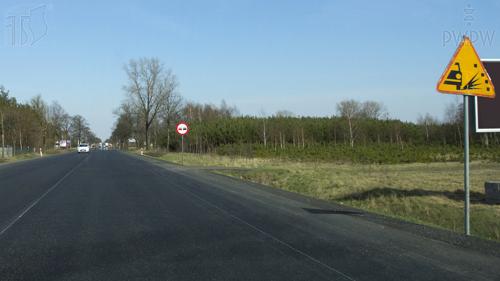
Are you warned in this situation of a road covered with gravel which may be discarded from under the wheels of moving vehicles?
A: Yes
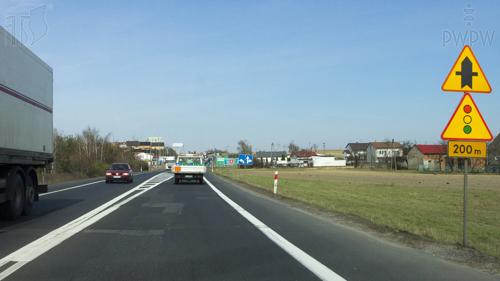
Are you warned in this situation of a place where the traffic is directed by traffic lights?
A: Yes
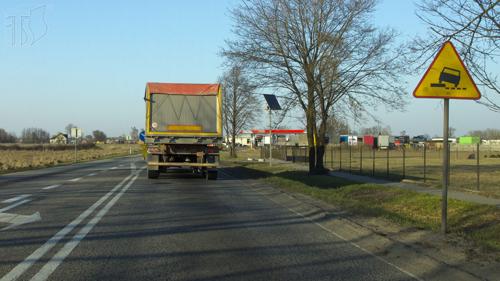
In the presented situation, when pulling over, should you do it carefully and slow down significantly if the need be?
A: Yes
Will you be warned beyond this sign of every single bend on the road?
B: No
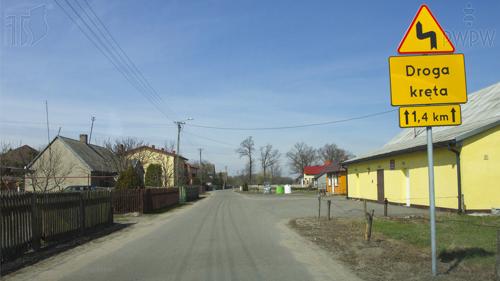
Are you warned in this situation of a snowfall?
B: No
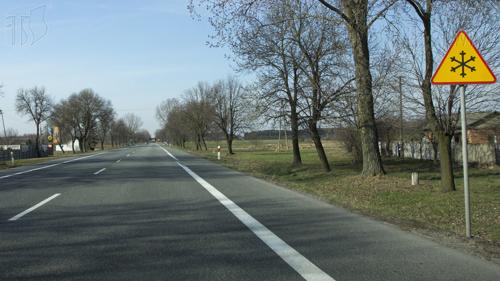
Are you warned in this situation of frequent occurrence of traffic jams?
A: Yes
org.jpg)
Are you warned in this situation of three dangerous bends, the first one to the left?
A: Yes
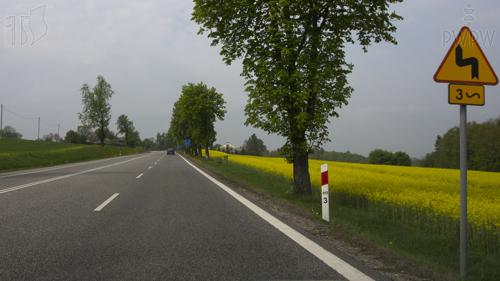
Does the plate under this sign indicate the end of the road with dangerous bends?
A: Yes
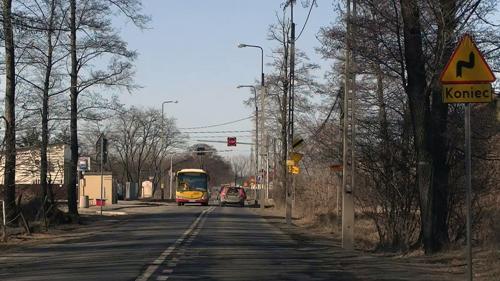
Does this sign warn you of a place where two-way traffic begins?
A: Yes
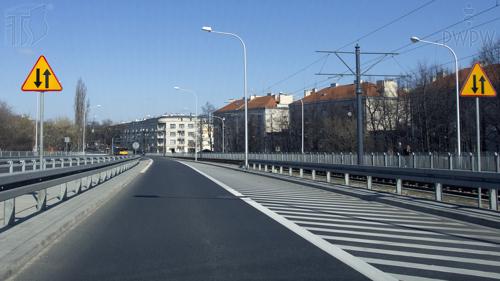
In the presented situation, is the distance between the warning sign and the dangerous spot up to 100 metres?
A: Yes
Does this sign warn of a road section where you must exercise particular caution due to ruts on the surface of the road?
A: Yes
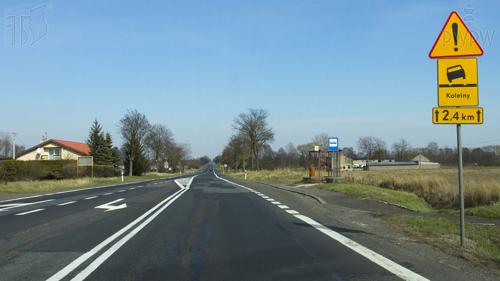
Does this sign warn of a crossroad in which priority is not determined by the road signs?
A: Yes
org.jpg)
Is the distance between the warning sign and the dangerous spot in the presented situation between 150 and 300 metres?
B: No
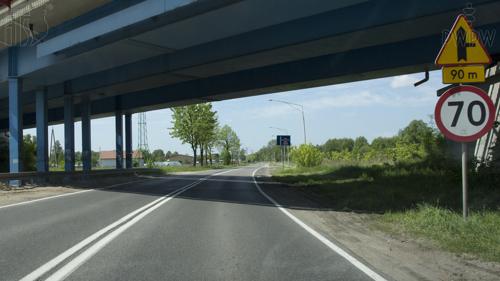
Are you warned in this situation of a level crossing fitted with full barriers or half-barriers?
A: Yes
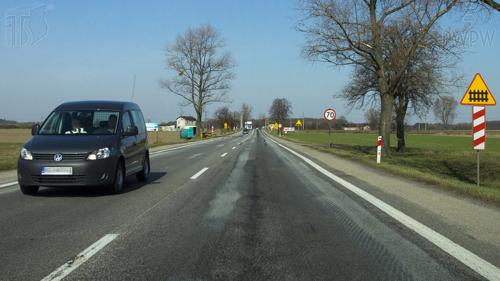
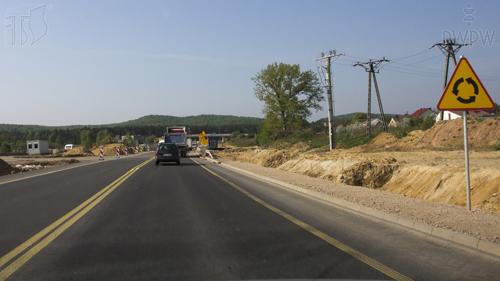
In the presented situation, are you warned of an intersection in which the traffic flows around a traffic island or a square in the direction indicated on the sign?
A: Yes
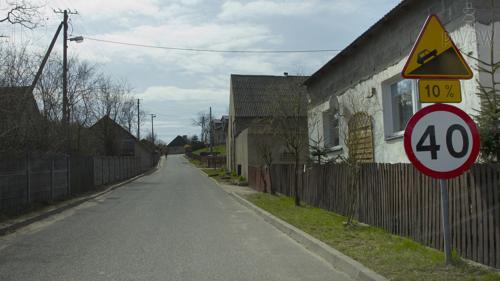
Are you warned in this situation of a considerable road elevation?
A: Yes
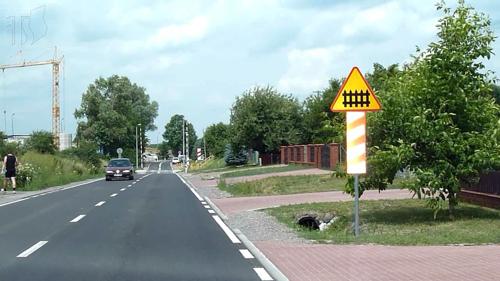
Do you always have to stop before you enter a railway crossing marked with this sign?
B: No

Once you go past these signs, should you expect the road to narrow on both sides?
A: Yes

Does this sign warn you of an area that experiences intense precipitation?
B: No
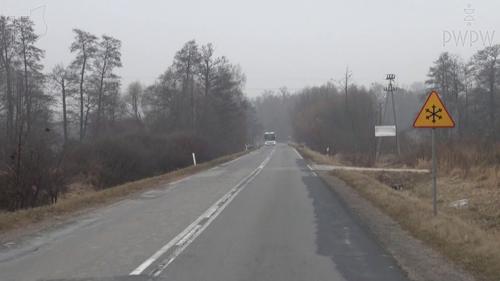
Does this sign warn you of the possibility of black ice on the road?
A: Yes
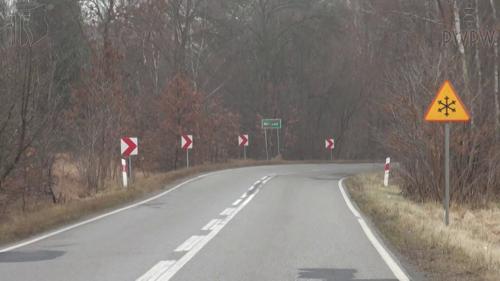
Can you expect an oncoming vehicle after passing this warning sign?
A: Yes

Are you warned in this situation of a danger following from an unexpected change in the traffic direction?
A: Yes
org.jpg)
Does this sign warn you of approaching an intersection with a one-way street without right of way from which traffic flows from the left side?
B: No

Does this sign warn you of approaching an intersection with a road on the left without right of way?
A: Yes

In this situation, are you being warned of an intersection with a side road?
A: Yes

In this situation, are you approaching a road narrowing on the right?
A: Yes

In this situation, are you being warned of a road narrowing on the left?
A: Yes

In this situation, are you being warned of two dangerous bends, the first to the right?
A: Yes

Does the plate under the warning sign indicate an unexpected change in the driving direction?
A: Yes

In this situation, are you approaching a multi-track level crossing?
A: Yes

Does the plate under the warning sign indicate an unexpected change in the driving direction?
A: Yes

In this situation, are you being warned of an intersection with a major road on the right?
B: No

Does this warning sign mean that you are approaching several dangerous bends, the first of which is to the right?
B: No

Does this warning sign mean that you are approaching a place where two-way traffic starts?
A: Yes


Are you warned of a significant elevation of the road in this situation?
A: Yes


In the situation presented, are you approaching a level crossing without a barrier?
B: No


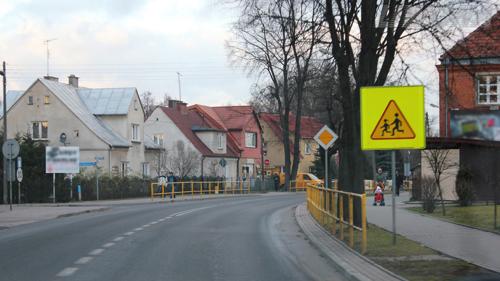
If you drive straight ahead, are you approaching a place where a two-way traffic begins?
A: Yes

In the situation presented, are you approaching a level-crossing with barriers?
A: Yes

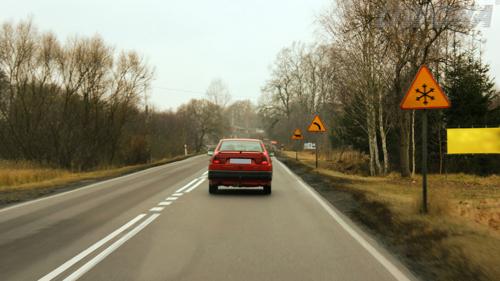
In this situation, are you warned of the possibility of black ice occurring on the road?
A: Yes
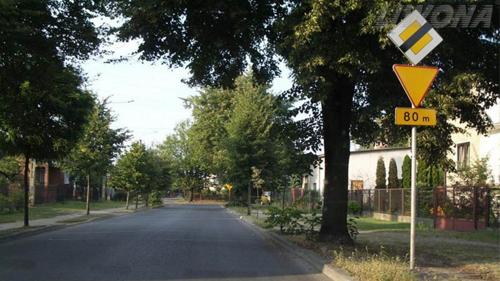
In this situation, are you approaching a road with the right of way?
A: Yes
In the situation presented, are you warned of the transverse unevenness of the road surface caused by potholes?
B: No

In the situation presented, does the visible sign warn you of two dangerous bends, the first of which is to the direction indicated on the sign, and the second of which may be to the left or to the right?
B: No

In the situation presented, does the visible sign warn you of frequent snowfall over a distance of 2 kilometres?
B: No

In the situation presented, does the visible sign warn you of a dangerous bend to the right?
A: Yes
In the situation presented, does the visible sign warn you of driving through tram tracks?
A: Yes

In the situation presented, does the visible sign warn you of the possibility of encountering frost or black ice on the road?
A: Yes

Does the visible sign warn you of the possibility of encountering wild animals on the road?
A: Yes

Does the sign in the situation presented, warn you of a narrowing on both sides of the road, which may pose an obstruction traffic?
A: Yes

Does the sign visible in the situation presented, warn you of the possibility of encountering wild animals on the road?
A: Yes

Does the visible sign in the situation presented, warn you of the possibility of encountering frost or black ice on the road?
A: Yes

Does the visible sign in the situation presented, warn drivers travelling on a one-way road of approaching a point where a two-way road begins?
A: Yes

Does this sign warn you of a danger?
A: Yes

Does this sign warn of possible road frosting or doves on the road?
A: Yes

In this situation, are you approaching an intersection of roads where the priority is determined by road signs?
A: Yes

Does this sign warn that you are approaching a crossroads with a one-way road entrance on the left-hand side?
B: No
In this situation, are you warned of approaching a crossroads without right of way?
A: Yes
Does this sign warn you of approaching a crossroads with a side road to the left?
A: Yes
In this situation, are you warned of a place on a road that is particularly frequented by children or of the proximity of such a place?
A: Yes

In this situation, are you warned of a designated pedestrian crossing?
B: No
In this situation, are you warned of a narrowing on both sides of the road that could impede traffic?
A: Yes

In this situation, are you warned of road narrowing that may impede traffic?
A: Yes
In this situation, are you warned of road narrowing that may impede traffic?
A: Yes

In this situation, are you approaching a crossroads with circular traffic?
A: Yes

In this situation, are you approaching a crossroad with a one-way side road to the right?
A: Yes

In this situation, are you approaching a railway crossing?
B: No

Should you expect three dangerous bends beyond this sign, all of which may be to the left?
A: Yes

Does this sign warn of the possibility of ice on the roadway?
A: Yes

Does this sign warn of a dangerous turn to the right?
A: Yes

Does this sign warn of an intersection with a road on the right without the right of way?
A: Yes
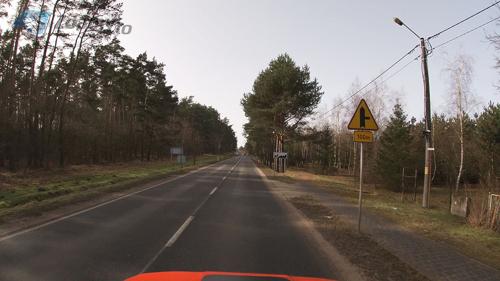
Do warning signs oblige the tram driver to exercise particular caution?
A: Yes
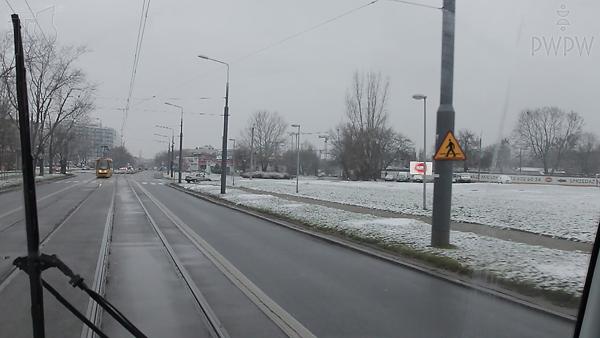
Is the tram driver obliged to adhere to the warning signs?
A: Yes
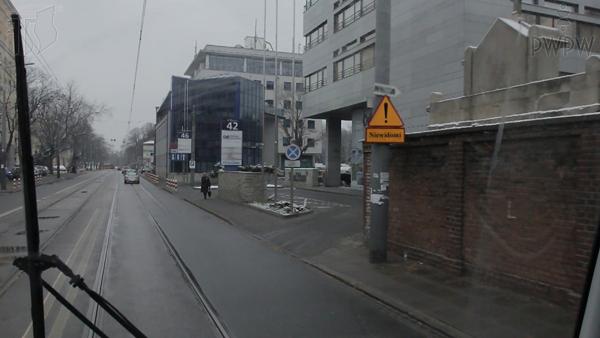
Does this sign warn you of approaching a place particularly frequented by children?
A: Yes
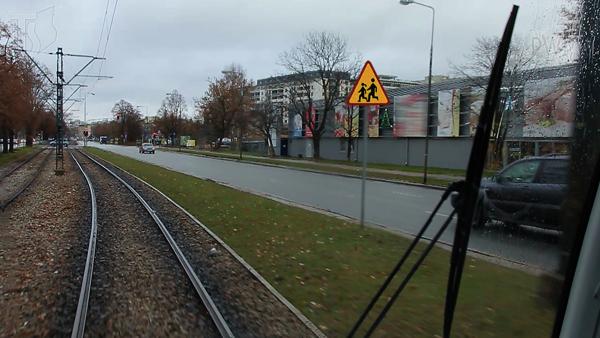
Upon seeing this warning sign, should the tram driver expect vehicles entering on to the track?
A: Yes
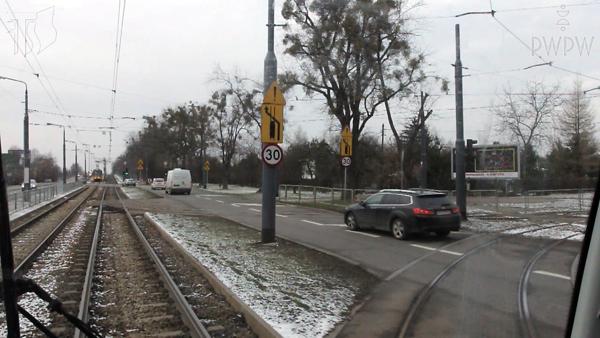
Does this sign oblige you to exercise particular caution and adjust the speed to be able to properly and quickly respond to a dangerous situation?
A: Yes
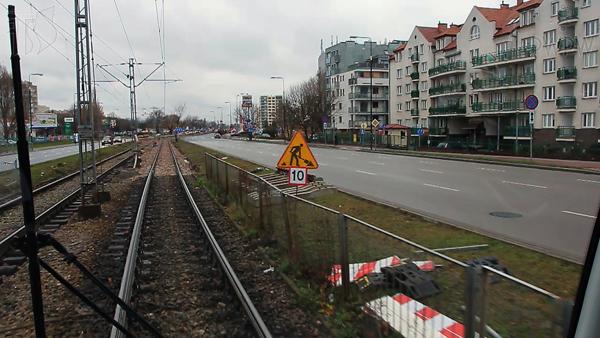
Does this sign oblige you to exercise particular caution?
A: Yes
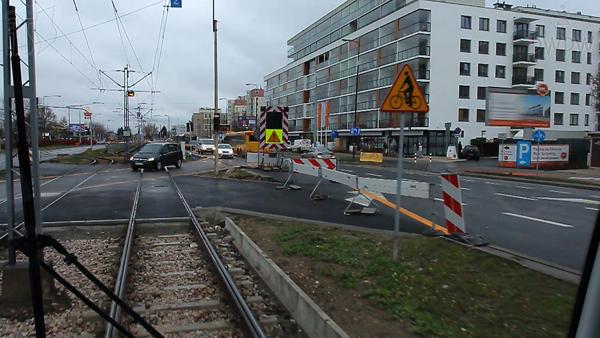
Does the warning sign "frosty road" oblige the tram driver to exercise particular caution?
A: Yes
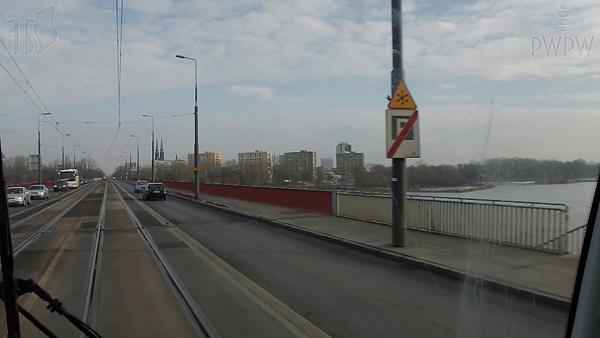
Does this warning sign indicate the right of way for trams?
B: No
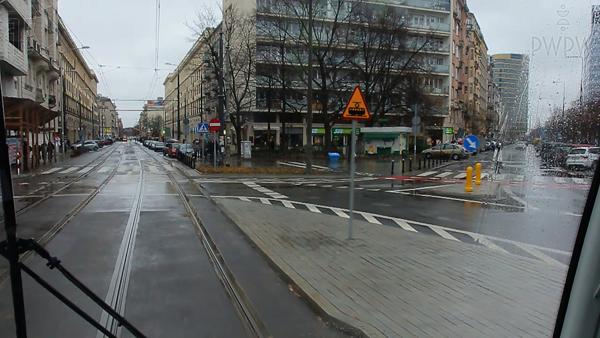
Does this warning sign apply to the tram driver?
A: Yes
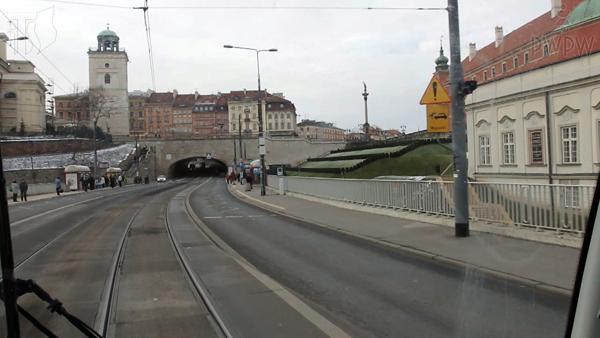
Does this warning sign inform you that in a distance no longer than 100m you will encounter the beginning of road works?
A: Yes
Should you expect bicycle traffic beyond the warning sign visible in the foreground?
A: Yes
Does this sign warn you of a multilateral rail switch?
B: No
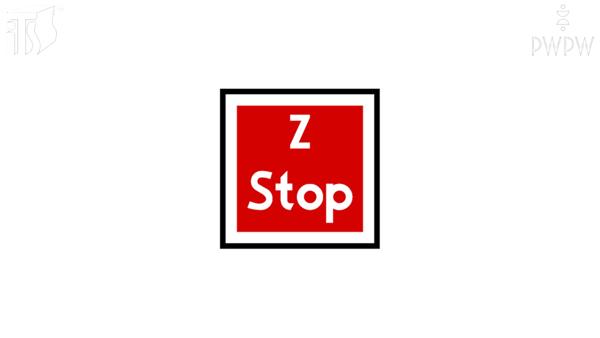
Does this sign warn you of approaching a place, where tram traffic is directed by traffic lights?
A: Yes
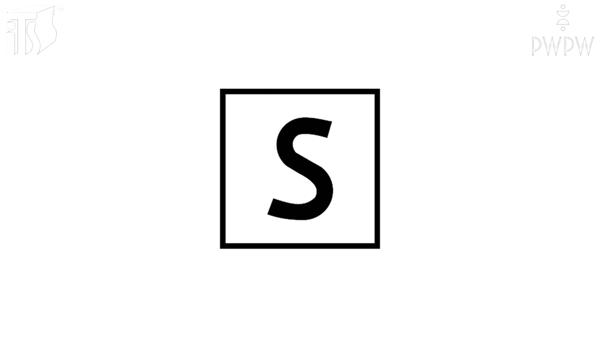
Does this sign inform of a approaching a junction, where the tram induces a phase dedicated for it?
A: Yes

Does this sign warn of approaching a significant elevation of the tram track by the value provided in the sign?
B: No
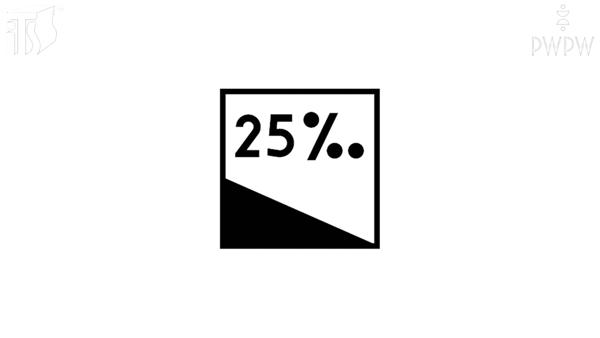
Does this sign inform you of a significant longitudinal drop in the tram track by the value given on the sign?
A: Yes
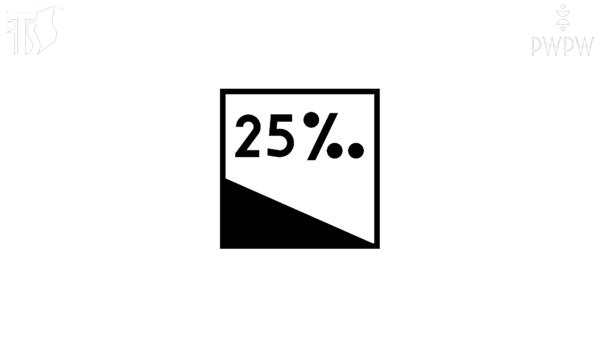
Does this sign inform you of a significant elevation of the tram track by the value given on the sign?
A: Yes
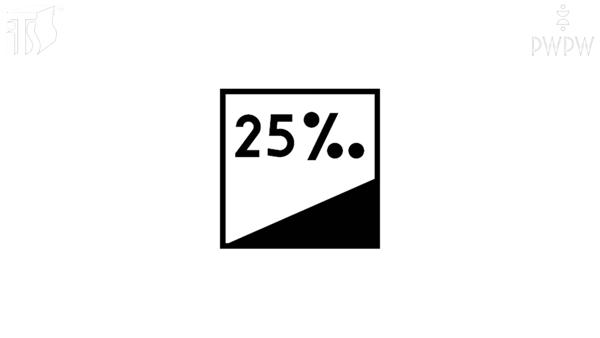
Does this sign inform you of approaching an intersection with traffic lights, whereby turning upon leaving the intersection, you are obliged to yield the right of way to traffic users going straight ahead?
A: Yes
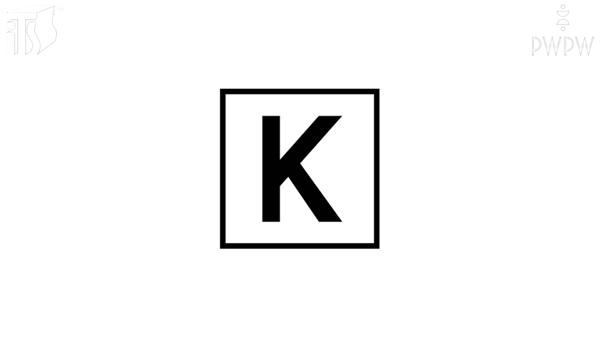
Does this sign oblige you to exercise particular caution?
A: Yes

Does this sign warn of an uncontrolled intersection?
A: Yes

Does the visible sign warn of two dangerous turns, the first to the right and the second to the left?
B: No
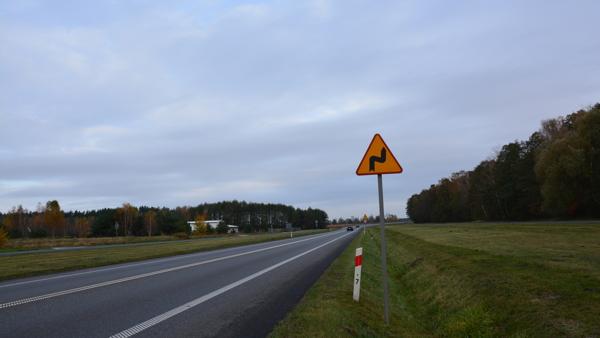
Does the visible sign warn of two dangerous turns, of which the first is right and the second may be to the left?
A: Yes
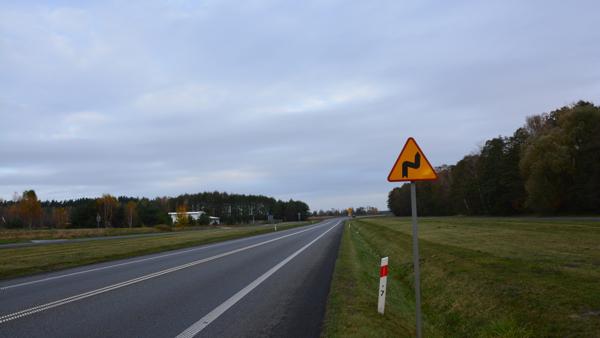
This sign warns of two dangerous turns, both of which may be to the right.
A: Yes
Does the visible sign warn you that you are approaching a ferry crossing?
B: No
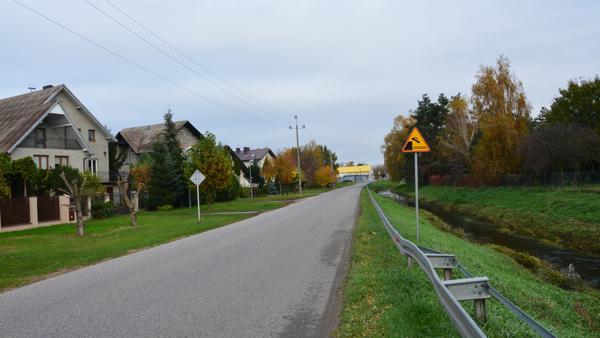
Does the visible sign warn about a section of road leading along a water reservoir?
A: Yes
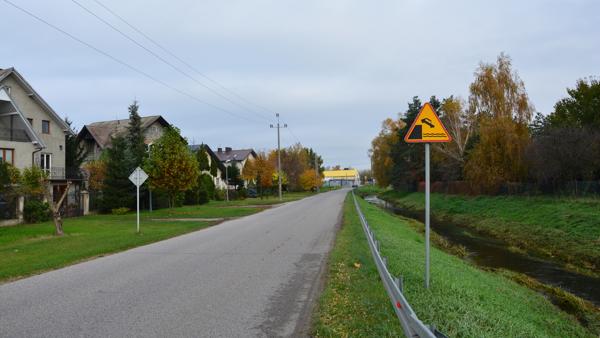
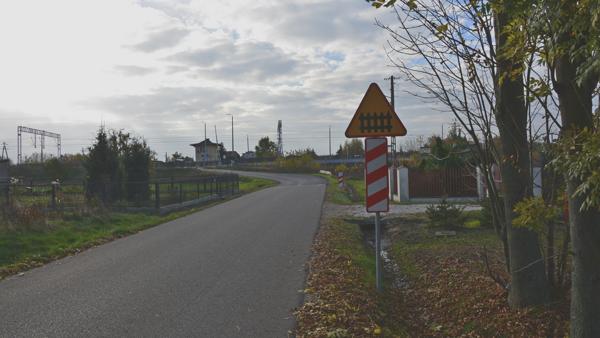
Does the visible sign warn of a railway crossing equipped with half-barriers?
B: No
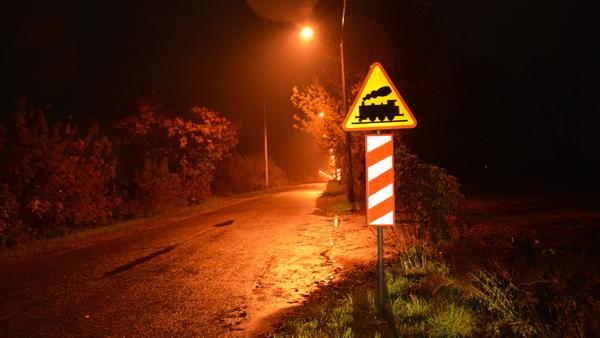
Does the visible sign warn of a level crossing that may be equipped with traffic lights?
A: Yes
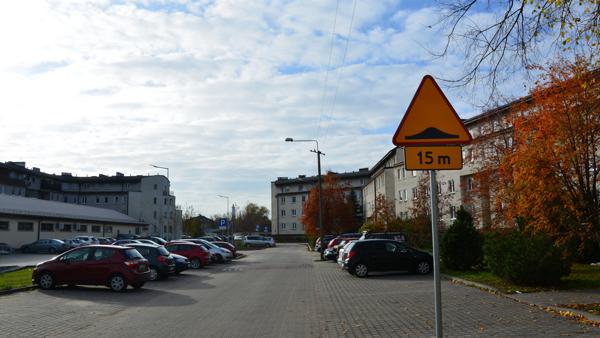
Does the visible sign warn of a bulge on the roadway designed to slow down vehicle traffic?
A: Yes
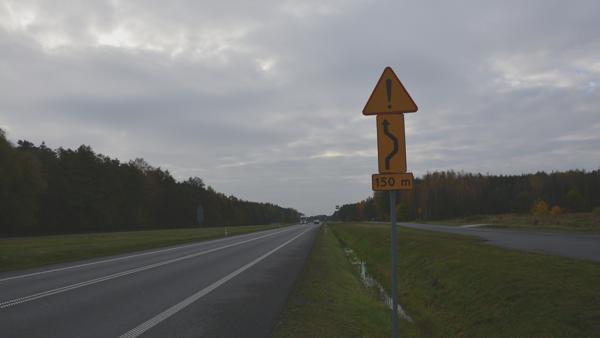
Does the visible sign warn of two dangerous turns, the first of which is to the right?
B: No
In this situation, are you approaching an intersection with a track that has the right of way?
A: Yes
1.jpg)
Can you expect glazed frost behind this sign?
A: Yes
.jpg)