Vehicle position on the road, entering and exiting intersections, stopping and parking
104 questions in this category
This category covers where your vehicle should be positioned on the road, how to properly enter and exit intersections, and the regulations governing stopping and parking in Poland. Since Poland uses right-hand traffic, the default driving position is as far right as practicable. Stopping and parking rules are specific and strictly enforced, with numerous situations where parking is prohibited.
Why This Category Matters on the Exam
Vehicle positioning and parking rules generate 3-5 questions per exam. The exam tests precise knowledge of minimum distances from crossings, intersections, and other features where parking is prohibited. These questions often use specific measurements that must be memorized. Incorrect parking answers are a common reason candidates lose critical points.
Common Mistakes and Tips
In Poland, you must not park within 10 meters of a pedestrian crossing, 15 meters from a public transport stop sign (or 15 meters from the ends of a bus bay), and 10 meters from an intersection. On one-way streets, you may park on either side. A frequently tested rule is the distinction between stopping (temporary, driver remains) and parking (leaving the vehicle). Many candidates from the UK forget that in Poland you drive on the right side and must park on the right side of the road in the direction of traffic. On roads outside built-up areas, you should position your vehicle as far right as possible, even if the road appears empty. When entering an intersection to turn left, position yourself close to the center of the road or in the left lane of a multi-lane road.
Is it allowed in this situation to pull over?
B: No
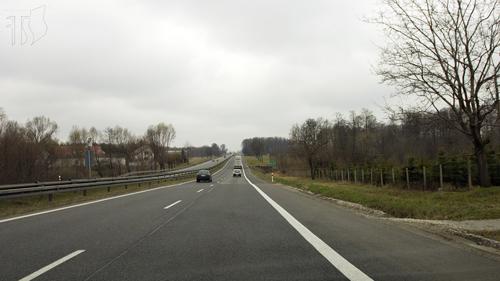
Are you allowed to wait at the nearest junction for the possibility of making a U-turn within the lane dividing the roadways?
A: Yes
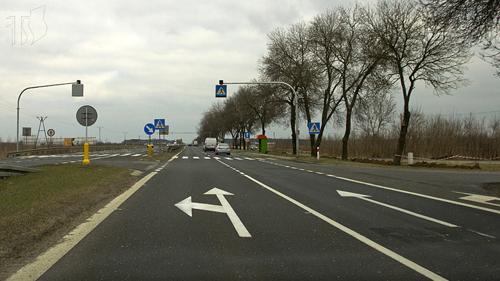
Are you taking the proper lane in this situation?
B: No

Will you be able in this situation to turn left properly from the right lane you are taking?
B: No
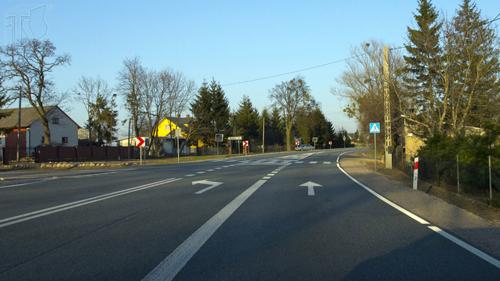
If you intend to turn right in this situation, should you continue further on the lane you are occupying and change it immediately before the junction?
B: No
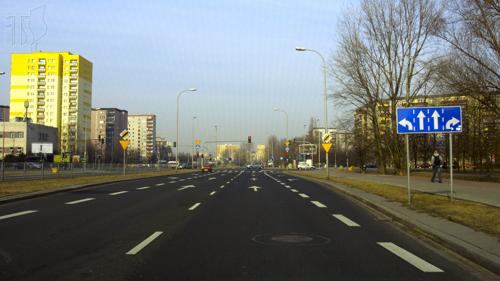
If in this situation you intend to go to Gdańsk, should you change the lane to the left one?
B: No
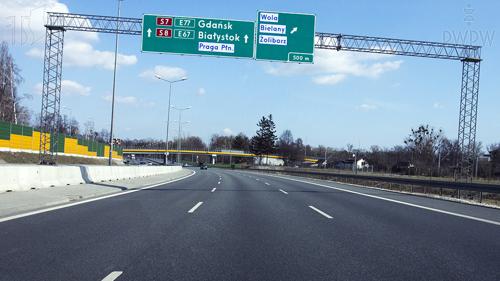
In this situation, can you go straight on to any lane if there are no other vehicles in the tunnel?
B: No
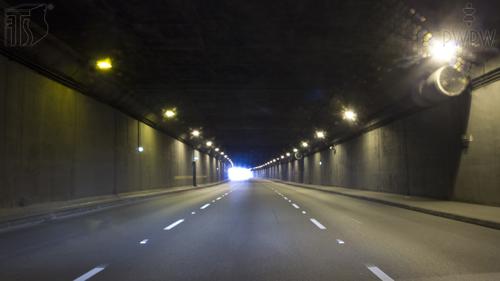
Is it allowable to stop the vehicle 11 metres beyond this road sign?
B: No
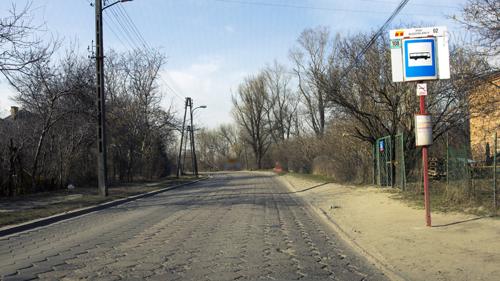
Is it allowed in this situation to stop the vehicle on the lane between the roadways?
B: No
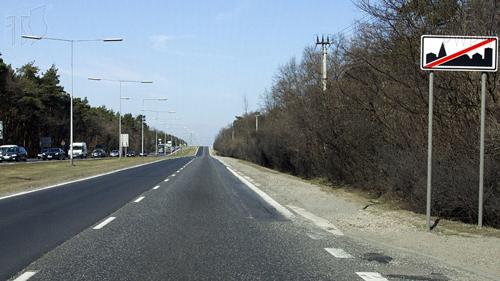
Are you allowed to park the vehicle in the presented lay-by?
B: No
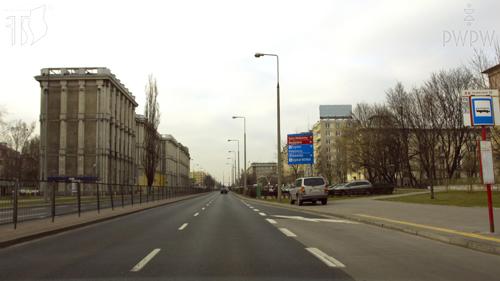
Are you allowed in this situation to park the vehicle on the hard shoulder?
B: No
Are you allowed in this situation to stop your vehicle on the hard shoulder immediately behind this sign if it does not impede the movement of other vehicles?
B: No
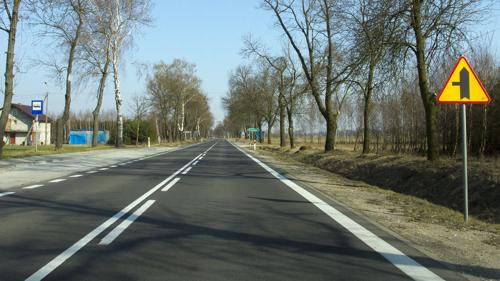
Are you allowed to stop your vehicle on this bridge, in order to drop off passengers?
B: No
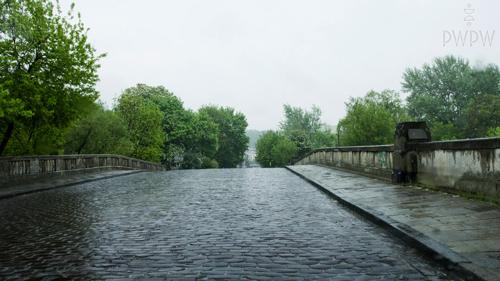
Are you allowed to stop the vehicle directly behind this pedestrian crossing?
B: No
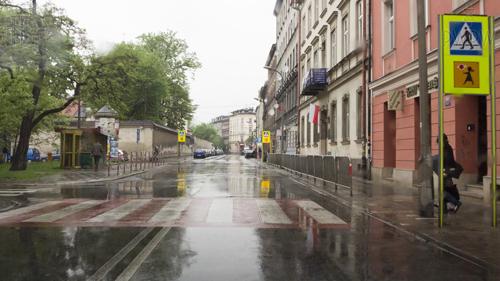
Are you allowed to park the vehicle beyond this sign if you leave enough space for pedestrians and vehicles?
B: No
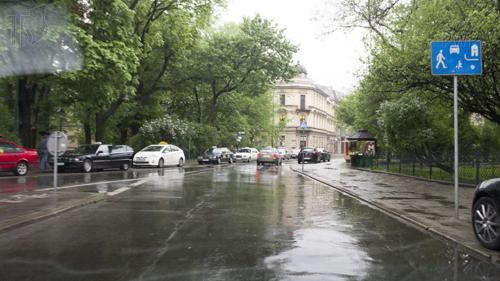
Are you allowed to park the vehicle on the pavement in front of these signs?
B: No
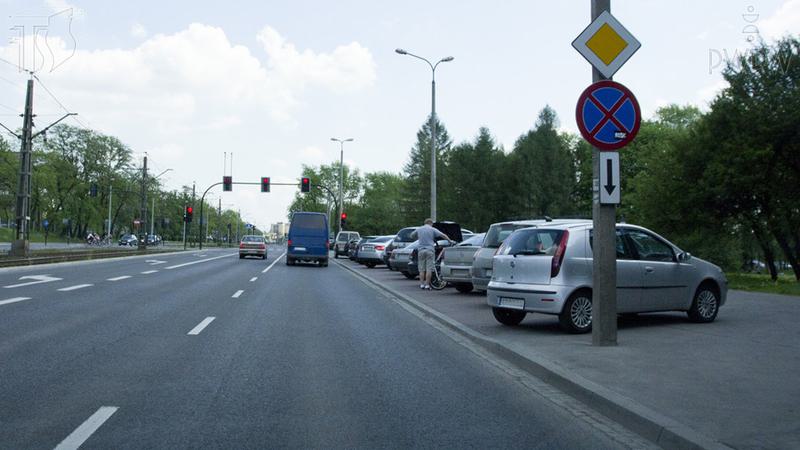
In this situation, are you permitted to stop your vehicle on the pavement within 3 metres of the visible bus shelter?
B: No
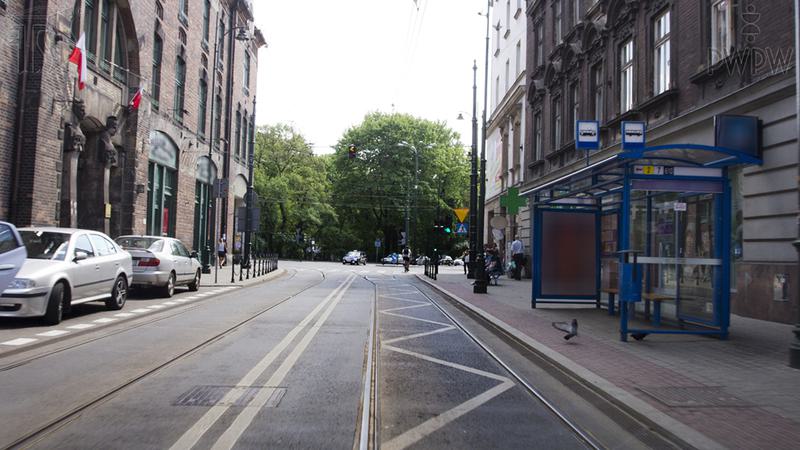
Are you obliged in this situation to take the left lane beyond this sign?
B: No
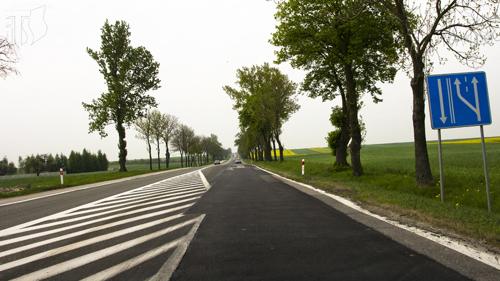
Where all the lanes for driving straight ahead are free, are you obliged to take the left lane?
B: No
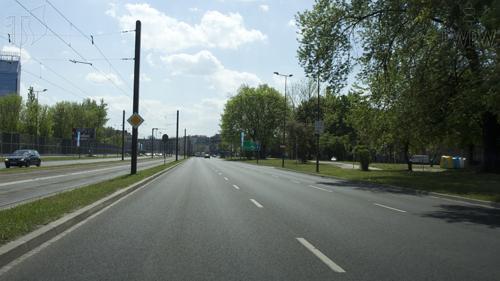
Are you allowed in this situation to stay on the left lane, when there are no vehicles driving on the right lane?
B: No

Are you allowed to park your vehicle directly behind this sign?
B: No

Are you allowed to park on the bridge in this place?
B: No

Should you change into the left lane in this situation, leaving the right lane for slower vehicles?
B: No

Was it proper to change lanes in this situation?
A: Yes

Are you allowed to stop directly beyond this level crossing to drop off a passenger?
B: No
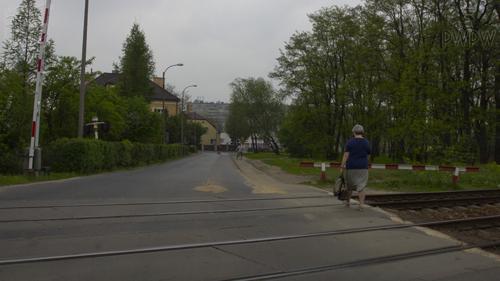
Are you allowed in this situation to drop off a passenger in this lay-by?
B: No

Are you allowed to stop the vehicle on the roadway directly behind this junction?
B: No
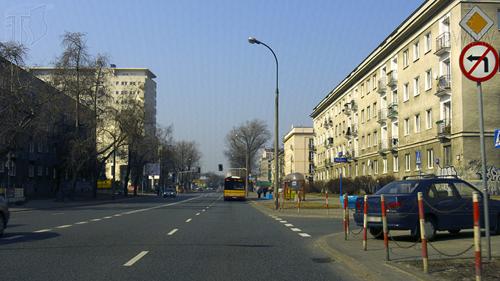
Are you obliged to stop your vehicle before the last car of a tram?
B: No

Are you allowed to drive onto the solid line dividing the traffic lanes?
B: No
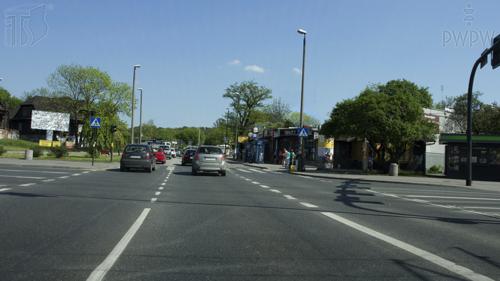
Is it allowed to stopover at the entry to the gate?
B: No

When driving at the speed of 50 km/h should you slow down while approaching the closest junction when the situation on the right hand side of the road is not adequately visible?
A: Yes
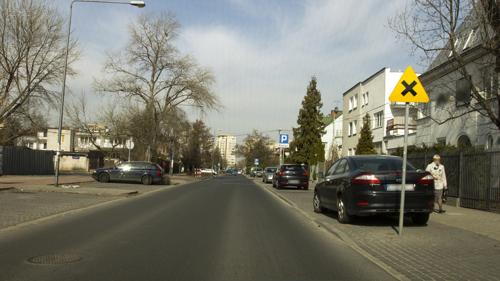
Can you stop your vehicle in any place if there is a need to yield the right of way to the vehicle?
B: No
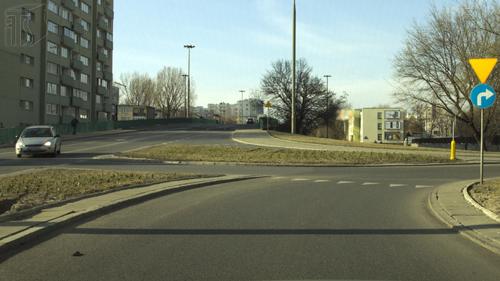
Are you allowed in this situation to overtake the vehicle and then change lanes, if you want to leave the highway at the nearest exit?
A: Yes
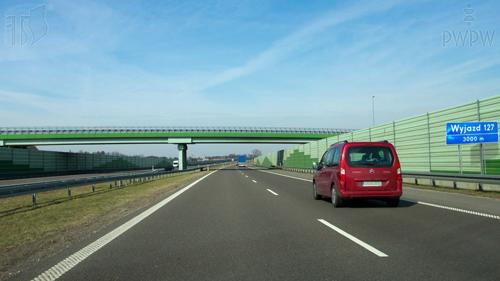
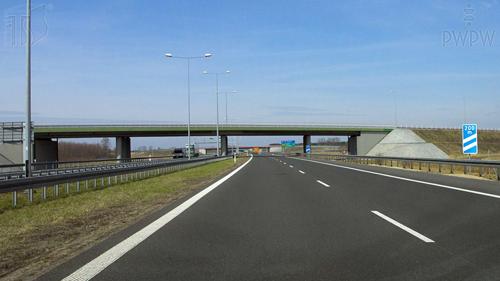
Is it forbidden to stop vehicles in this place?
A: Yes
org.jpg)
You intend to go straight ahead. Are you allowed to drive directly by the right edge of the roadway on the presented section of the road?
B: No
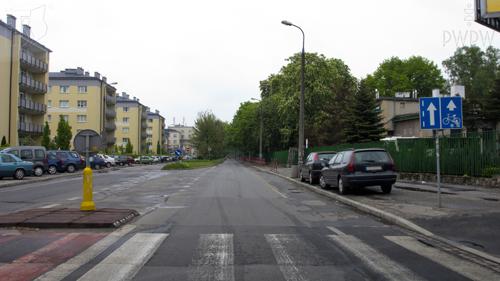
In this situation, can you continue driving in the left lane?
B: No

In this situation, are you obliged to continue driving in the right lane?
A: Yes

Is it permitted to stop the car in a tunnel?
B: No

If you stop a car on a sidewalk, do you have to allow a 1.5 m wide passage for pedestrians?
A: Yes
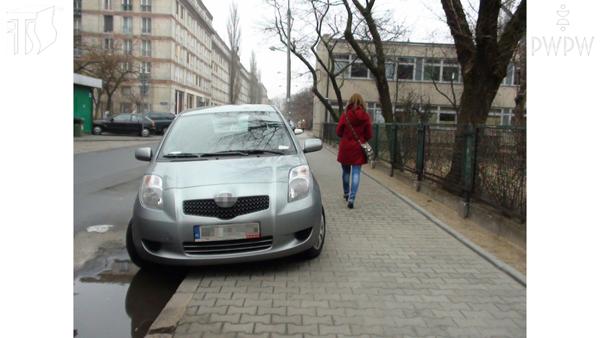
If you intend to go straight, can you enter this intersection from any lane?
B: No

Can you park the car at a distance of 5 m from a pedestrian crossing?
B: No

On this road, once you go past this sign, can you park the car at any place on the road, provided that this does not constitute an obstacle to traffic?
B: No
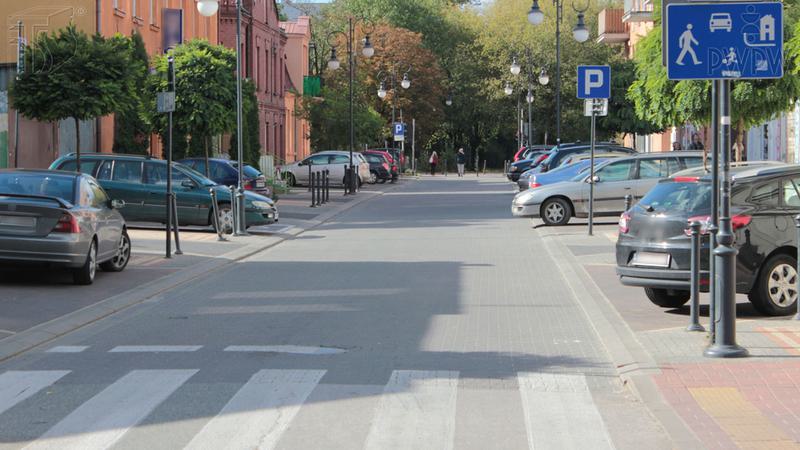
If you stop a car on a sidewalk, do you have to ensure that pedestrians have a passage of at least 2.5 m wide?
B: No

Can you stop a car on a sidewalk, leaving a passage of 2 m, if this causes an obstacle to pedestrian traffic?
B: No
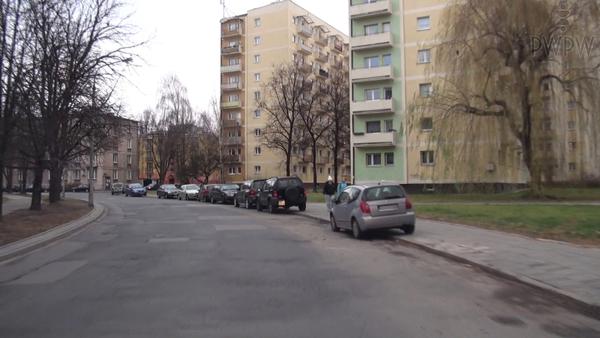
In this situation, should you change lanes to the right?
A: Yes

Should you change to the middle lane in this situation when you intend to go straight on?
A: Yes
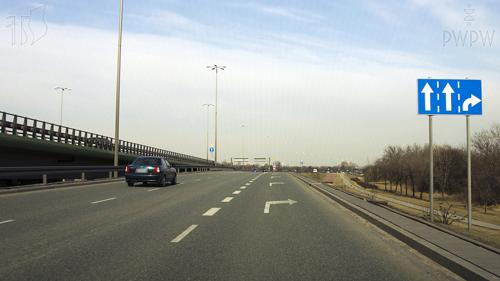
In this situation, intending to turn left, can you enter this intersection from any lane?
B: No


In this situation, are you allowed to park the vehicle on the pavement on the right side at the distance of 11 meters from the sign indicating a bus stop?
B: No

In this situation, are you allowed to stop the vehicle in the bay?
B: No

In this situation, are you obliged to stop and wait until the bus drives out of the bay?
B: No

In this situation, in a built-up area, are you obliged to allow the bus driver to drive out of the bay onto the roadway?
A: Yes

In this situation, are you allowed to occupy more than one lane?
B: No

Are you allowed to park the vehicle on the roadway in this place?
B: No

Are you allowed to stop the vehicle on the roadway in this place?
B: No

In a built-up area, on a two-way roadway with low traffic, are you allowed to park the vehicle at the left edge of the roadway?
A: Yes

Are you allowed to park the vehicle in the cycle lane shown on the left side?
B: No

In this situation, are you allowed to drive on the roadway occupying its entire width?
B: No

You intend to turn left. In this situation, are you obliged to approach the centre of the roadway?
A: Yes

On the presented two-way road, are you allowed to park the vehicle by the right edge of the roadway immediately past the pedestrian crossing?
B: No


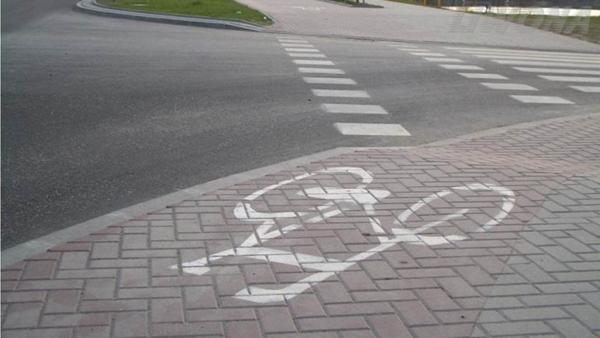
In this situation, are you permitted to stop the vehicle for a while on the roadway in order to drop off a passenger?
B: No
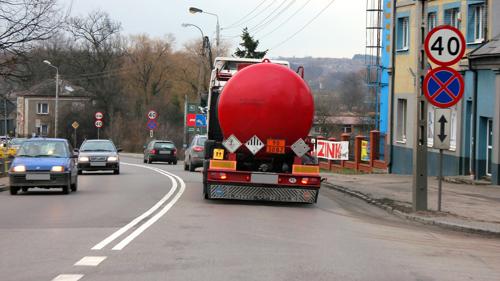
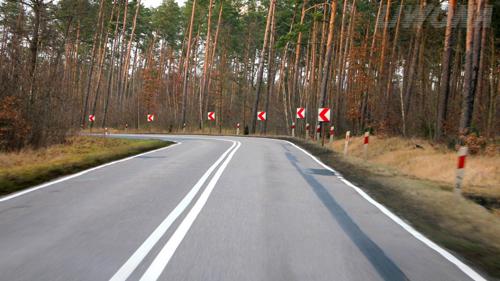
Are you allowed in this situation to park a motor vehicle on the roadway behind the sign?
B: No
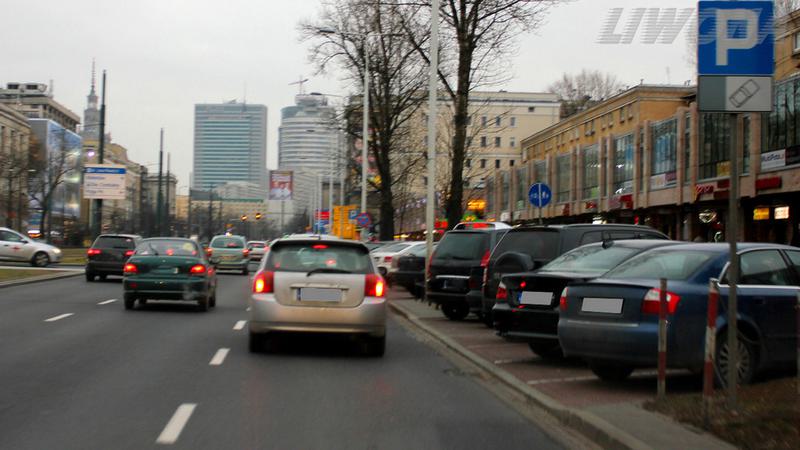
Is it permitted behind the visible prohibition sign to stop a motor vehicle on the pavement?
B: No
In this situation, are you obliged after performing an overtaking manoeuvre to enter the right traffic lane?
A: Yes

Is it prohibited in this situation, to stop the vehicle on the right hard shoulder of this road?
A: Yes
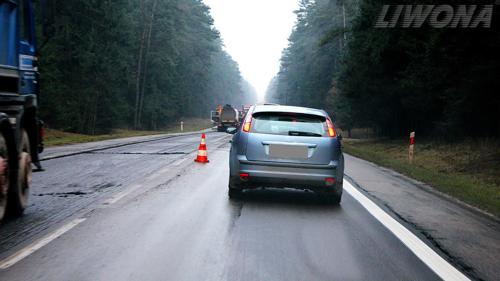
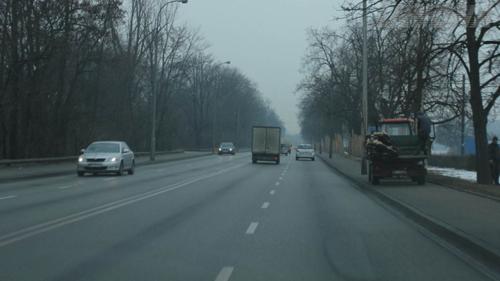
Is it allowed in the presented situation to stop the vehicle on the roadway?
B: No
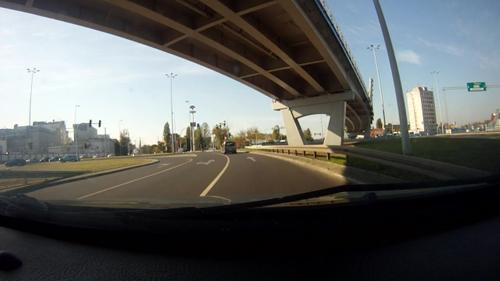
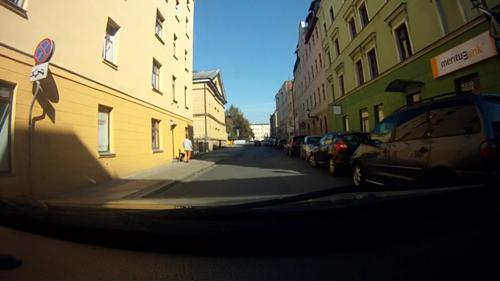
Is it permitted to stop here?
B: No

Is it permitted to stop here?
B: No
In this situation, are you allowed to stop the vehicle at the roadside?
B: No

In this situation, is it permitted to stop at the right edge of the roadway?
B: No

In this situation, can you continue driving in the left lane?
B: No

In this situation, are you allowed to park your vehicle at the roadside?
B: No

In this situation, when entering the tunnel, are you obliged to keep a distance of at least 100 meters from the preceding vehicle?
B: No

In this situation, are you allowed to stop at the left edge of the roadway?
A: Yes

In this situation, are you allowed to stop at the right edge of the roadway?
B: No

You are travelling on the highway and intend to exit it. Will you start braking when you enter the exit lane?
A: Yes
Are you allowed to drive in any lane on the motorway regardless of the traffic situation?
B: No

Has the driver of the combination of vehicles, who stopped in the middle of this roadway, behaved appropriately towards the driver of the emergency fire service vehicle?
B: No
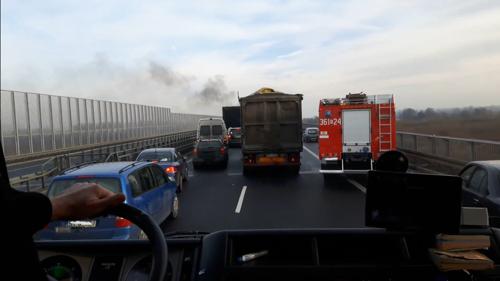
Did the vehicle drivers properly ensure the free passage of the emergency vehicle?
B: No
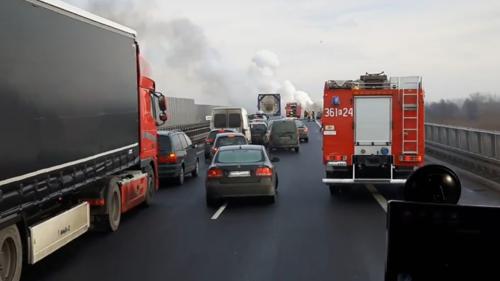
Have the drivers of these vehicles facilitated the free passage of emergency vehicles by creating the so-called "emergency corridor"?
A: Yes

Are you obliged to near the right edge of the way, to allow the emergency vehicle, coming from behind, to pass?
A: Yes
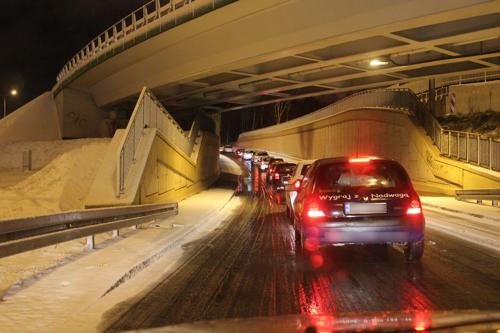
You need rest. Are you allowed to pull over for a short while on the presented hard shoulder?
B: No

Are you allowed to continue driving straight on the current lane if there are no other vehicles on the right half of the road?
B: No
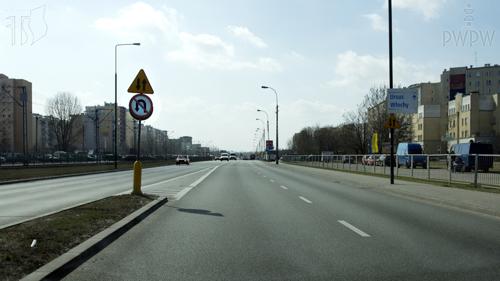
Is it proper in this situation to continue driving on the same lane?
A: Yes

In this situation, is it permissible to continue driving in the left lane if the right lane is free?
B: No

Is it permissible to stop a vehicle directly behind a visible indicator post?
A: Yes
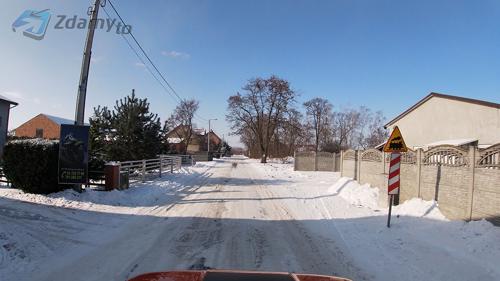
Is it permitted to stop a vehicle in a residential zone?
A: Yes
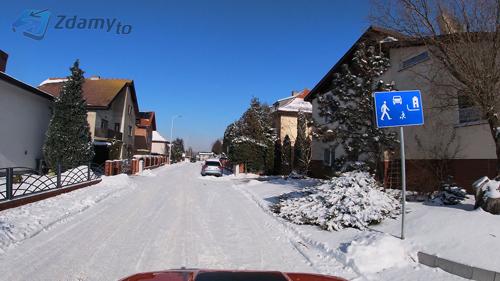
Is it prohibited to stop a vehicle on a flyover to drop off a passenger?
A: Yes
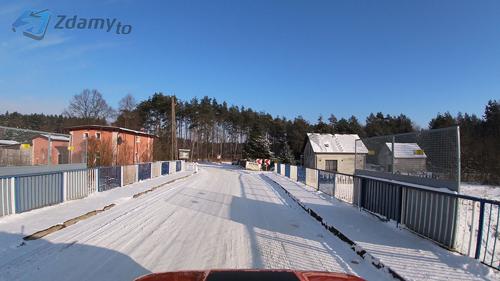
Are you allowed to stop at this point on the carriageway?
B: No
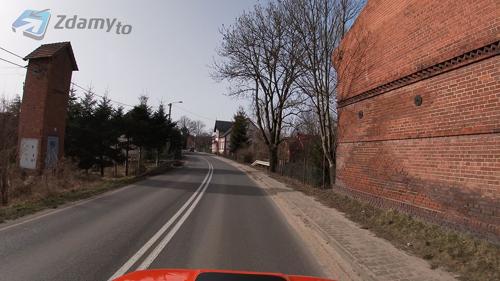
Are you permitted to stop on the left-hand edge of the carriageway at this point?
B: No
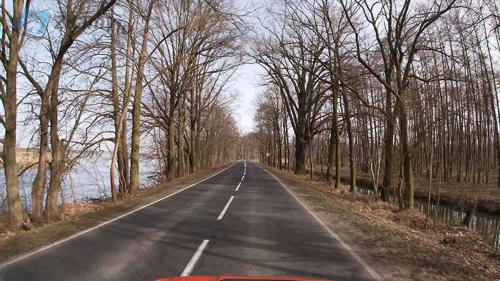
Are you entitled to stop a passenger car on the road at this point to drop off a passenger?
B: No
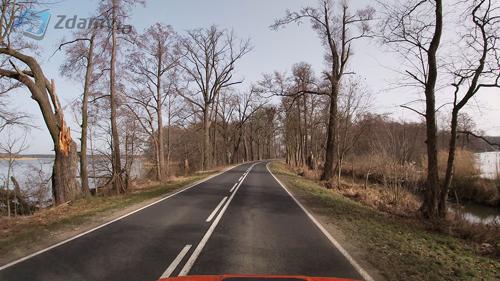
How can you turn right with a tractor and trailer, if the dimensions of the combination vehicle do not make it possible for you to start the manoeuvre from the right edge of the road?
A: You can start the manoeuvre without keeping to the right edge of the road.
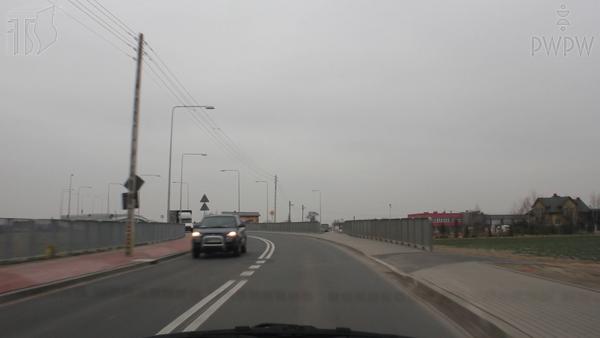
While driving a bus, how will you turn right at the intersection?
C: You will choose the trajectory, taking into account that the back of the bus wings to the side during a turn.
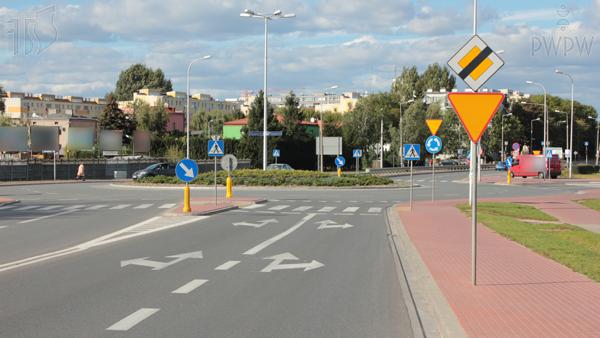
Should you go close to the middle of the road if you intend to turn left onto the visible two-way traffic road?
A: Yes

Should you approach the left edge of the roadway if you intend to turn left onto the visible two-way traffic road?
B: No
You are driving on a one-way road and intend to turn left. Should you move closer to the left edge of the road you are occupying?
A: Yes

Are you obliged to enter the right traffic lane after changing direction to the left?
B: No

Can you take any lane on the road you are entering after changing direction to the left?
A: Yes