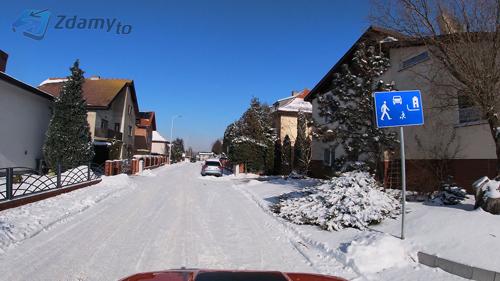
Importance of special caution towards other road users, exiting vehicle, securing vehicle
134 questions in this category
This category addresses the legal obligation of "special caution" (szczegolna ostroznosc) toward vulnerable road users, the proper procedure for exiting a vehicle safely, and how to secure a parked vehicle against rolling or theft. Polish traffic law specifically defines situations requiring heightened awareness and imposes additional responsibilities on drivers.
Why This Category Matters on the Exam
Expect 2-3 questions on this topic, often presenting scenarios near schools, playgrounds, or areas with elderly pedestrians. The concept of "special caution" is a legal term in Polish traffic law with specific implications for liability. Questions about exiting the vehicle and securing it test practical knowledge that prevents common accidents like dooring cyclists.
Common Mistakes and Tips
"Special caution" in Polish law means increased vigilance and readiness to react to danger. It is legally required near schools, playgrounds, in residential zones, and when encountering children, elderly persons, or disabled persons on or near the road. When exiting your vehicle, you must check mirrors and look behind before opening the door, particularly to avoid striking cyclists. The Dutch reach method (using the far hand to open the door) is recommended. When leaving a parked vehicle, you must engage the handbrake, turn off the engine, remove the key, and lock the vehicle. On a slope, turn the front wheels toward the curb (downhill) or away from the curb (uphill) and leave the vehicle in gear. Many candidates overlook the requirement to leave the vehicle in a way that does not obstruct traffic or create a hazard.
Should you begin braking your vehicle in this situation?
A: Yes

When joining the traffic in this situation are you obliged to exercise particular caution?
A: Yes

Are you obliged in this situation to exercise particular caution when driving from the road into the property?
A: Yes

When emerging from the property onto the road, are you obliged to exercise particular caution?
A: Yes

When emerging from the dirt road onto the hard surface road, are you obliged to exercise particular caution?
A: Yes

When exiting the lay-by, are you obliged to exercise particular caution?
A: Yes

Are you obliged to exercise particular caution when turning right in this situation?
A: Yes

Are you obliged to exercise particular caution in this situation?
A: Yes

Are you obliged to exercise particular caution in this situation?
A: Yes

Are you obliged to exercise particular caution in this situation?
A: Yes

Are you obliged to exercise particular caution in this situation?
A: Yes

Are you obliged to exercise particular caution when driving in the fog?
A: Yes

When passing the presented vehicle are you obliged to exercise particular caution?
A: Yes

When driving behind the vehicle marked in such a way are you obliged to exercise particular caution?
A: Yes

Do you have to exercise particular caution when approaching the stopping place of a vehicle marked in such a way?
A: Yes

Are you obliged to stop the vehicle in this situation?
A: Yes
org.jpg)
Are you obliged to exercise particular caution when passing a vehicle marked in such a way?
A: Yes
org.jpg)
Are you obliged to exercise particular caution in this situation and stop the vehicle if the need be?
A: Yes

Are you allowed to get out of the vehicle without making sure that you will not cause danger to traffic?
B: No

Are you allowed to open the door of the vehicle without making sure that you will not cause danger to traffic?
B: No
May a vehicle left as such, in this situation impede traffic or parking for other drivers?
A: Yes
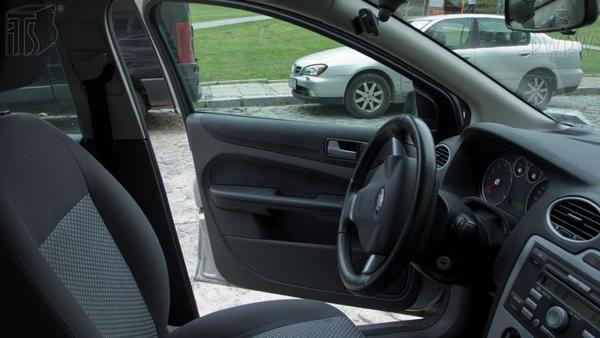
When leaving the slow traffic lane, are you obliged to exercise particular caution?
A: Yes

Are you obliged to exercise particular caution when reversing?
A: Yes

Are you obliged to exercise particular caution beyond this sign when changing from the right to the left lane?
A: Yes
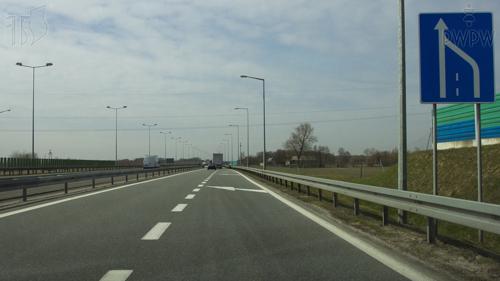
Are you obliged to slow down in this situation?
A: Yes
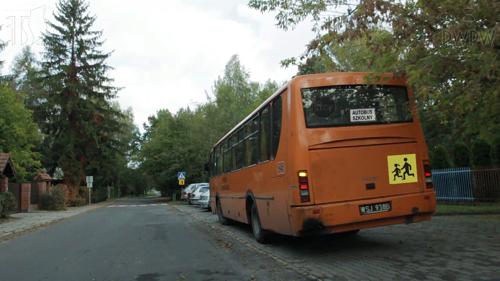
Should you limit your trust to this traffic user in this situation and start braking?
A: Yes

Should you exercise particular caution when emerging from the field onto a hardened road?
A: Yes

Are you obliged to exercise particular caution in this situation?
A: Yes

Is the vehicle left unattended in the parking lot properly protected against being started by unauthorized person?
B: No

Are you always obliged to exercise special caution, while driving?
B: No
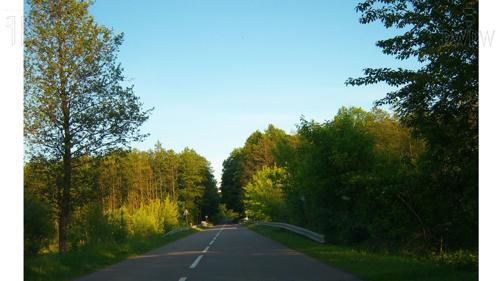
While driving in thick fog, are you always obliged to exercise special caution?
A: Yes

Are you always obliged to exercise caution, while driving?
A: Yes

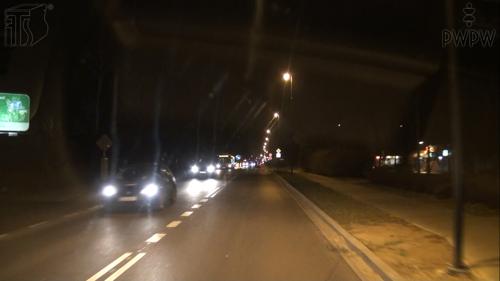

In this situation, before you overtake the cyclist, are you obliged to sound the horn?
B: No

In this situation, when entering the property, are you obliged to give the right of way to the pedestrian?
A: Yes

Are you obliged to give the right of way to pedestrians on a yard with no designated pavements and road?
A: Yes

On this road, once you go past this sign, are you obliged to give the right of way to pedestrians in all circumstances?
A: Yes
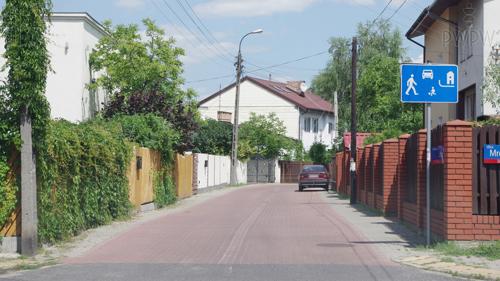
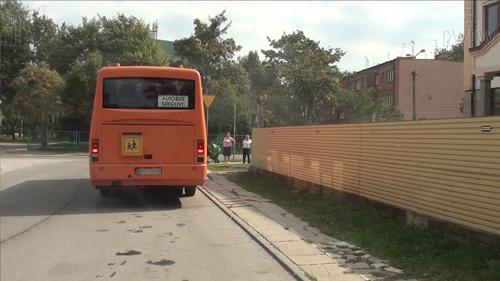
Driving past a school bus, are you always obliged to exercise special caution?
A: Yes
On a road marked this way, are you obliged to give the right of way to the pedestrian in all circumstances?
B: No
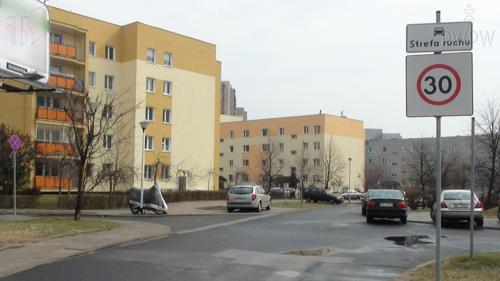

In this situation, are you obliged to exercise special caution?
A: Yes

On this road, once you go past this sign, are you obliged to give the right of way to the pedestrian walking in the middle of the road?
A: Yes
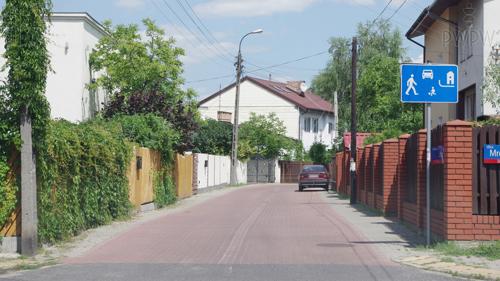
In this situation, are you obliged to apply the rule of limited trust?
A: Yes

Can you, as a driver, move away from a car which engine is running?
B: No
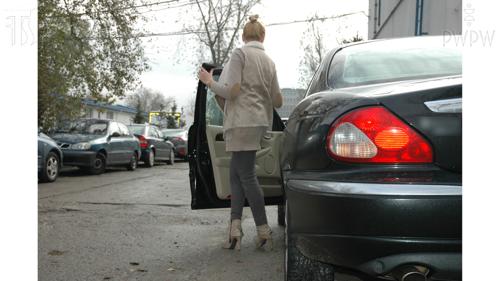
While driving behind a learner driver, do you have to exercise special caution?
A: Yes

Did the driver properly secure the car before leaving it?
A: Yes

Did the driver properly secure the car for the duration of the stopover?
B: No

Is the conduct of the diver, who left the parked car, correct?
B: No

Are you obliged to exercise particular caution when passing the tram stop situated as shown?
A: Yes

In this situation, are you obliged to exercise particular caution?
A: Yes

In this situation, are you obliged to exercise particular caution?
A: Yes

In this situation, are you obliged to exercise particular caution?
A: Yes

After parking a vehicle, are you allowed to move away from it for no longer than one minute when the engine is running?
B: No
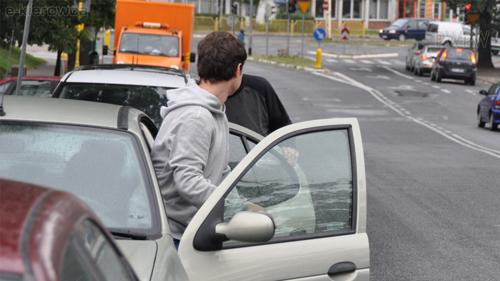
Are you obliged to secure the vehicle parked on a hill against rolling down?
A: Yes
In this situation, are you allowed to enter behind the traffic lights if you do not hinder pedestrian traffic?
B: No
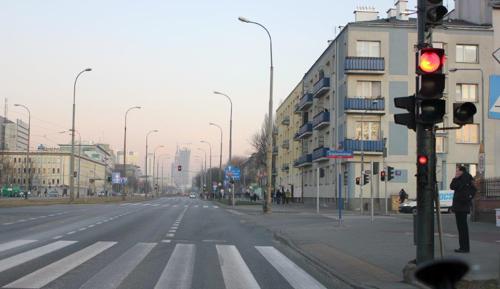
In this situation, are you obliged to exercise special caution?
A: Yes


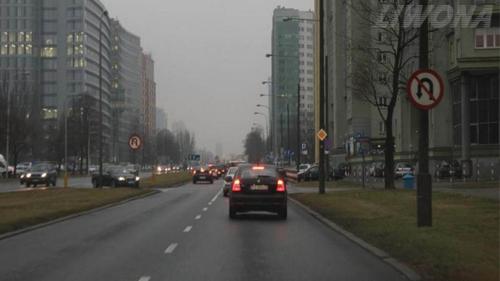
In the visible situation, are you obliged to exercise special caution?
A: Yes
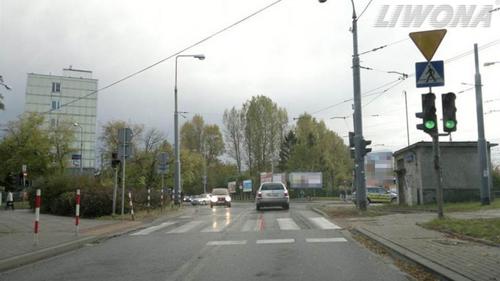
Is it necessary to exercise special caution in the presented situation?
A: Yes

Are you required in the presented situation to exercise special caution beyond the visible warning sign?
A: Yes

Upon stopping a vehicle for inspection, can the driver exit the vehicle without the permission of the traffic officer?
B: No
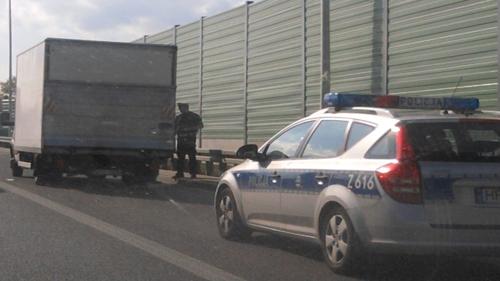
Upon stopping a vehicle for inspection, should the driver keep his or her hands on the steering wheel?
A: Yes
Should you exercise extreme caution in this situation?
A: Yes

Should you exercise extreme caution in this situation?
A: Yes

You are driving on a priority road. In this situation, should you refrain from driving further, if necessary?
A: Yes

In this situation, when approaching an intersection, are you absolved from the obligation of exercising extreme caution?
B: No

Should you exercise extra caution in the situation presented?
B: No

When driving past the visible tram stop, are you absolved from the obligation to exercise extra caution?
B: No

When reversing, in the absence of other road users on this stretch of road, can you refrain from exercising extra caution?
B: No

Can you refrain from exercising extra caution in this situation?
A: Yes

Should you reduce your speed and exercise extra caution in this situation?
B: No
Should you exercise extra caution and reduce your speed in this situation?
B: No


Do you have to be extra careful when approaching a junction from a priority road?
A: Yes
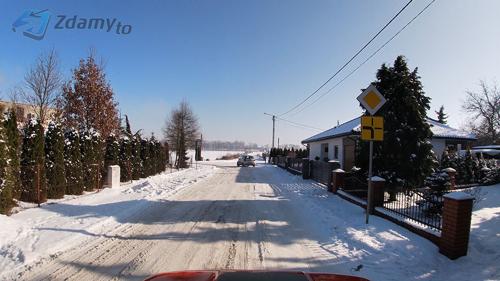
In this situation, are you obliged to exercise extreme caution when driving past a vehicle from the opposite direction?
A: Yes
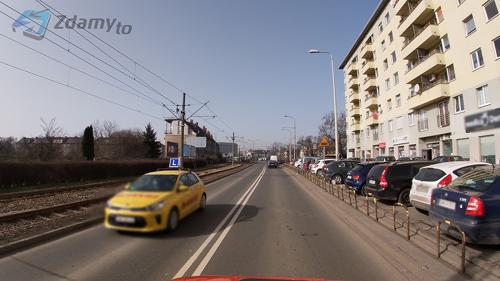
Should you use the horn in the presented situation, in order to warn the cyclist of your intention to overtake?
B: No

When turning right at the intersection, are you required to exercise particular caution?
A: Yes

In this situation, are you obliged to signal the intention to change your direction of driving?
A: Yes
After performing a turn manoeuvre, are you obliged to immediately turn off the indicator?
A: Yes
In this situation, are you obliged to signal the intention to change your direction of driving?
A: Yes

When passing next to a tram at a tram stop not situated at the sidewalk, are you obliged to exercise particular caution?
A: Yes
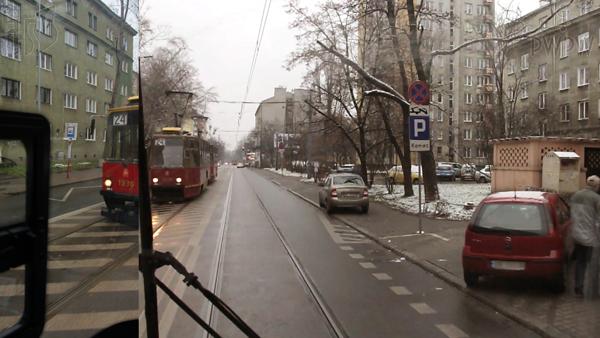
Are you allowed to stop signalling the intention to change the direction of travel immediately after you start the manoeuvre?
B: No

In this situation, are you required to use an indicator when changing the driving trajectory?
A: Yes

In this situation, are obliged to signal the intention to turn left?
A: Yes

Is a tram diver allowed to use a hand-held mobile phone, when driving?
B: No
When driving, is a tram driver allowed to use a mobile phone if it does not require holding the phone in his hand?
A: Yes
When driving a tram, are you allowed to talk on a mobile phone requiring you to hold the receiver or microphone in your hand?
B: No
In this situation, when passing next to the tram stop, are you obliged to exercise particular?
A: Yes
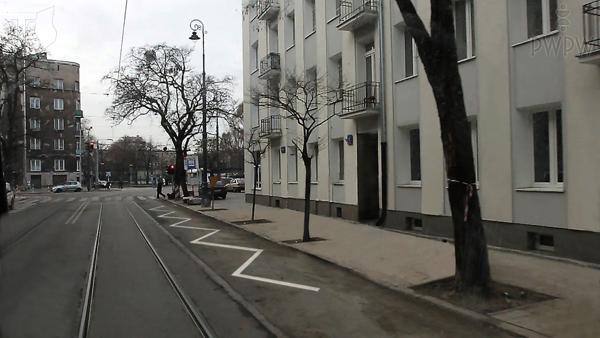
When driving a tram, are you allowed to talk on the mobile phone, if you are not holding the receiver or microphone in your hand?
A: Yes
In this situation, are you obliged to signal the change of driving direction?
A: Yes
Which of the following activities are forbidden when you ride a moped?
B: Using a mobile telephone while riding, if this requires holding the phone in my hand.
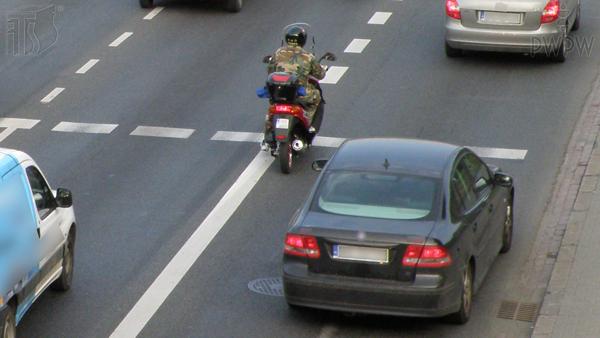
When you drive a tractor, what is your duty when you perform maintenance works on the road?
A: I should turn on the yellow flashing light.
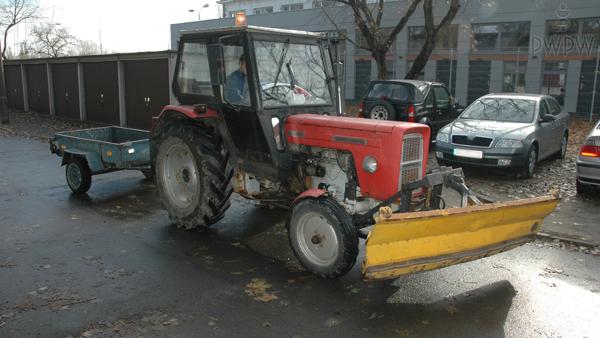
When you drive a tractor for the purpose of performing maintenance work, which of the following provisions are you excused from adhering to?
A: Driving on the road.
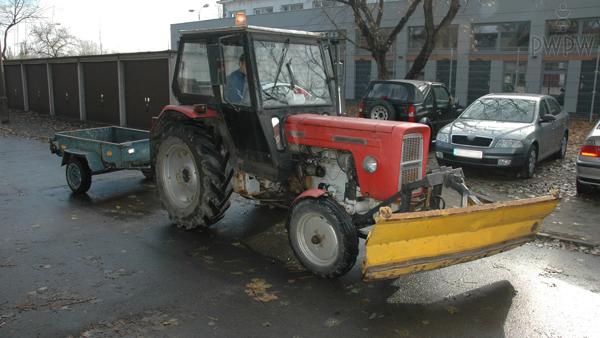
What must a bus driver carrying passengers not do?
C: Smoke cigarettes.
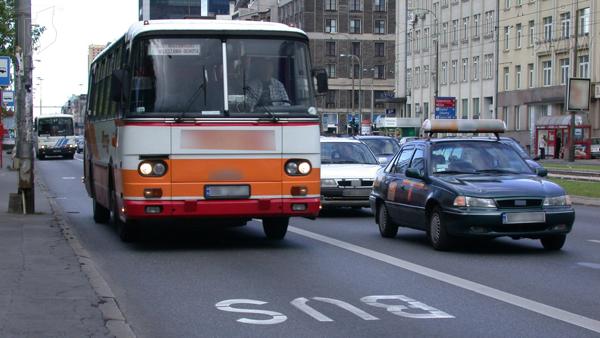
What must you not do when you drive a bus transporting passengers?
A: Eat.
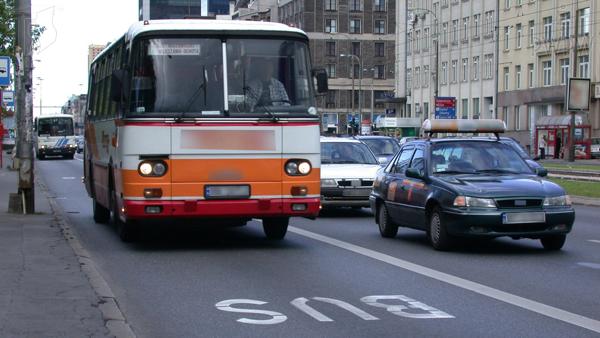
What must a bus driver transporting passengers do before driving off?
B: Make sure that all doors are closed in the bus.
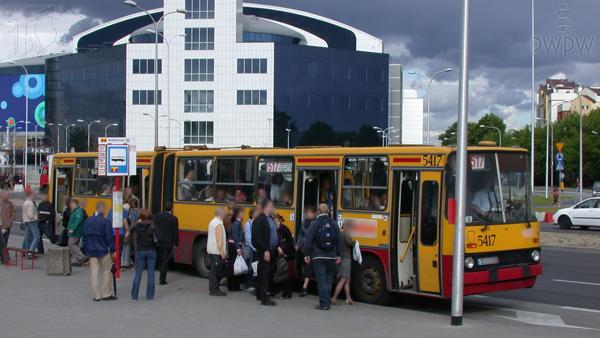
When turning in this situation, are you obliged to signal your intention to change the driving direction?
A: Yes
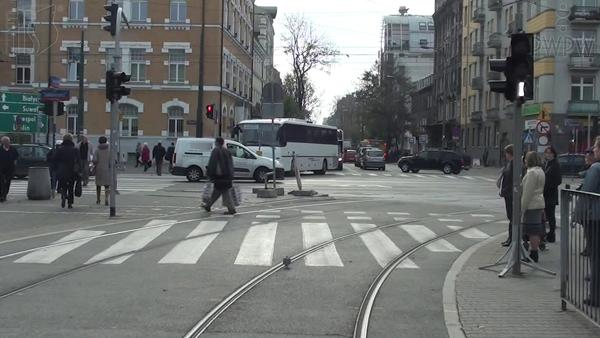
In this situation, are obliged to signal your intention to turn?
B: No

In this situation, are you obliged to signal the intention to turn?
A: Yes

Can you in this situation use the sound signal?
A: Yes


Are you obliged to exercise particular caution, in this situation?
A: Yes

Are you obliged to exercise particular caution in this situation?
A: Yes

Which of the following activities are you not allowed to perform while riding a motorcycle?
B: Using a mobile phone while riding, if this requires you to hold the phone in your hand.
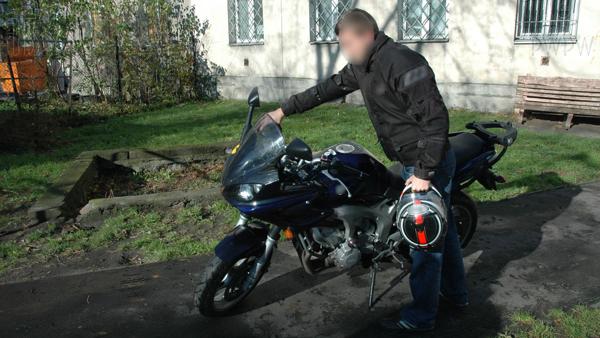
Are you allowed to eat while driving a bus?
B: Yes, if another person is not transported in the bus.
In which of the following cases are you obliged to give short sound signals when driving an agricultural tractor in the fog?
A: While passing a stationary vehicle or object outside a built up area.
In which of the following cases are you required to give short horn blasts while driving a bus in the fog?
B: While overtaking outside a built-up area.
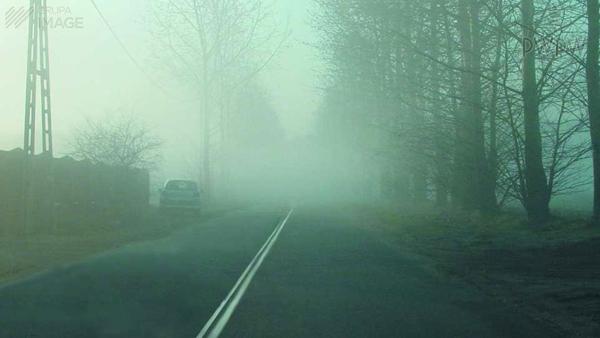
Which of the following activities must you not perform when carrying passengers on the bus?
A: Consume food.
While driving a bus, are you allowed to consume food?
A: Yes, when you are not carrying passengers.
If you are driving an overnormative vehicle, are you obliged to be especially careful?
A: yes
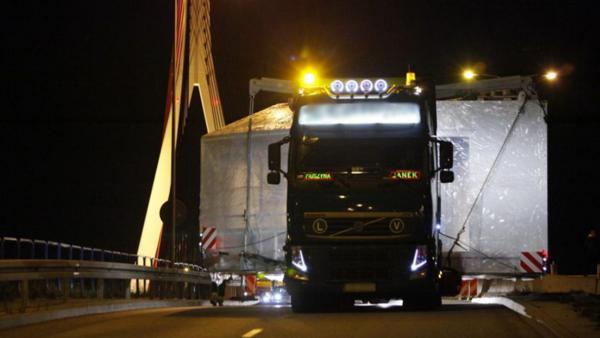
What is a police officer entitled to during traffic control?
A: To establish the identity of the vehicle's driver based on data from the National Identification Register.
Should you exercise extreme caution when passing by the visible tram stop?
A: Yes

Should you exercise extreme caution when passing by the visible bus stop?
B: No

Should you use the sound signal when driving past the bus in the adjacent lane?
B: No

In this situation, should you use the sound or light signal when approaching the pedestrian crossing?
B: No
In this situation, can a moped driver use the sound signal to hurry up a person crossing the road?
B: No

Are you obliged to exercise extreme caution in this situation?
A: Yes

Are you obliged to exercise extreme caution in this situation?
A: Yes

Are you obliged to exercise extreme caution in this situation?
A: Yes

Are you obliged to exercise extreme caution when turning into a roadside facility?
A: Yes

Are you obliged to exercise extreme caution when changing driving directions?
A: Yes

Are you obliged in this situation to exercise extreme caution?
A: Yes

Are you obliged to exercise extreme caution in this situation?
A: Yes

Are you obliged to exercise extreme caution in this situation?
A: Yes

Are you obliged to exercise extreme caution when passing a vehicle marked at the front and rear with a visible blue plate and activated hazard lights when a disabled person is boarding or alighting?
A: Yes
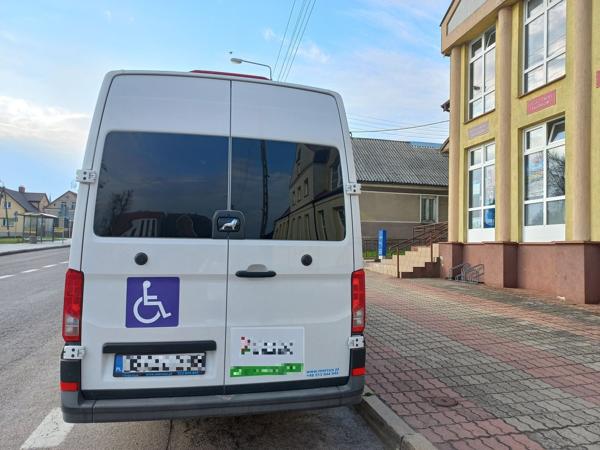
When passing a vehicle marked with the visible blue plate at the front and rear and with the hazard warning lights on, are you always obliged to stop whenever a disabled person is getting in or out of the vehicle?
B: No
Upon seeing a person with visibly impaired mobility crossing the road outside of a pedestrian crossing, the driver of the vehicle:
A: must stop the vehicle to allow them to pass,
When passing a vehicle with such a placard, hazard warning lights on, and a disabled person exiting, should you exercise extra caution and stop if necessary?
A: Yes
Upon seeing a person with a white cane crossing the road, you should:
A: stop the vehicle to allow them to pass
Should you assume that a disabled person walking on the pavement (pedestrian way) will not adhere to traffic rules?
B: No
Are you obliged to exercise extreme caution at all times when driving in a residential zone?
B: No