Vehicle spacing and braking
187 questions in this category
Maintaining proper spacing between vehicles is crucial for safety and is specifically regulated in Polish traffic law. The safe following distance depends on speed, road conditions, weather, and vehicle condition. Braking distance increases exponentially with speed and is significantly affected by road surface conditions. Understanding these relationships is tested both conceptually and mathematically on the exam.
Why This Category Matters on the Exam
Expect 2-3 questions involving following distance rules and braking distance calculations. The exam often presents scenarios asking what happens to stopping distance when speed doubles (it quadruples) or when the road is wet (braking distance increases by up to 100%). These mathematical relationships are fundamental to safe driving and are reliably tested.
Common Mistakes and Tips
On motorways and expressways in Poland, the minimum following distance must equal at least half the speedometer reading in meters (e.g., at 100 km/h, maintain at least 50 meters). For general driving, the two-second rule is recommended: pick a fixed object and ensure at least two seconds elapse between the car ahead passing it and you passing it. Double this to four seconds in rain, and multiply further on ice. The total stopping distance equals reaction distance plus braking distance. At 50 km/h, the total stopping distance on dry road is approximately 28 meters (14m reaction + 14m braking). Many candidates forget that doubling the speed quadruples the braking distance (not doubles it), because kinetic energy increases with the square of speed. On wet roads, braking distance can increase by 50-100%, and on ice, it can increase by up to ten times.
What distance should you keep while passing another vehicle in a passenger car?
B: Safe, dependent on the width of the road and traffic conditions.
What distance should you keep when passing a stationary obstacle on the road in a passenger car?
C: Safe, depending on the width of the road and traffic conditions.
What distance should you keep when overtaking a passenger car?
A: Safe, dependent on the width of the road and traffic conditions.
What distance should you keep when overtaking a motorcycle?
C: Safe but not shorter than 1 metre.
What distance should you keep while overtaking a group of pedestrians?
C: Safe but not shorter than 1 metre.
In what way does doubling of the speed of a passenger car influence the braking distance?
B: It quadruples the braking distance.
What distance from the preceding vehicle should you keep when driving a passenger car outside the built-up area in a tunnel 600 metres long?
A: Not shorter than 50 metres.
Which of the following factors has direct influence on the stopping distance of the passenger car?
A: The driver's reaction time.
Which of the following factors has direct influence on the stopping distance of the passenger car?
B: The speed and the condition of the road surface.
Approximately, by how much does the braking distance increase if speed is doubled?
A: Four times.
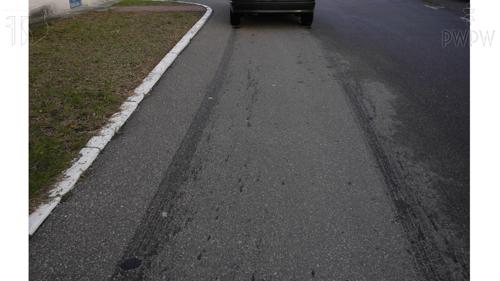
What minimum distance should you keep from the car in front of you when stuck in a traffic jam in a tunel?
B: 5 m.
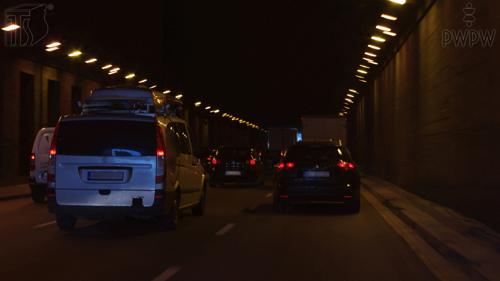
What should you pay most attention to while you're passing another vehicle?
C: To keeping a safe distance.
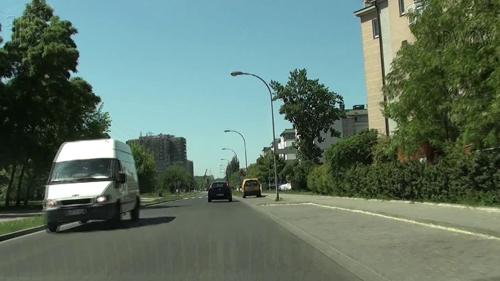
What does a safe distance you should keep while driving behind another car depend on?
A: On the speed with which you're driving.
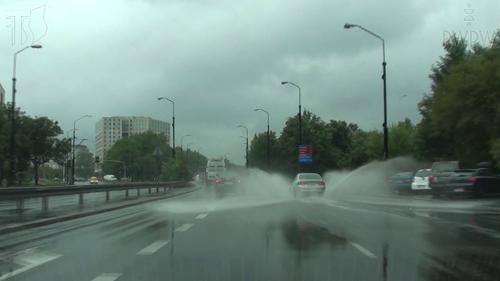
What can you expect while braking forcefully in these road conditions?
C: Decreased traction of the wheels to the road.
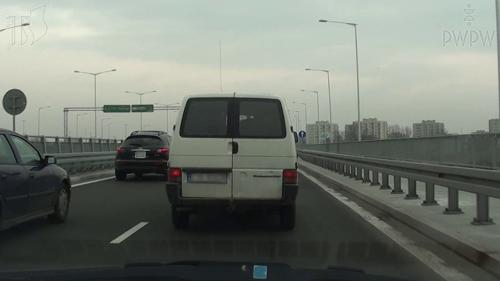
What distance from the preceding car are you required to keep when stopping in a traffic jam in a tunnel?
B: Not shorter than 5 metres.
Can leaves lying on a roadway have an impact on the braking distance of a vehicle?
B: Yes, because they may extend the braking distance.
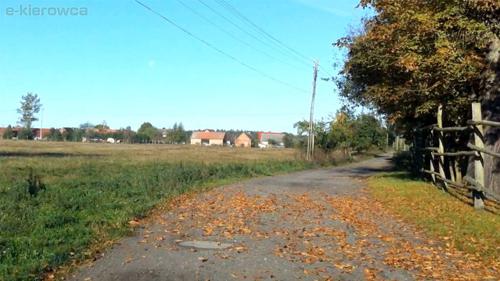
Which of these factors has a direct influence on the braking distance?
A: driving speed.
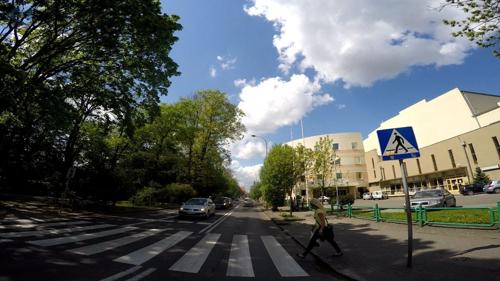
Which of these factors has a direct influence on the braking distance?
B: the condition of the brakes
What factors have an influence on the total perception and reaction time of a vehicle driver?
B: Visibility on the road, the complexity of the traffic situation.
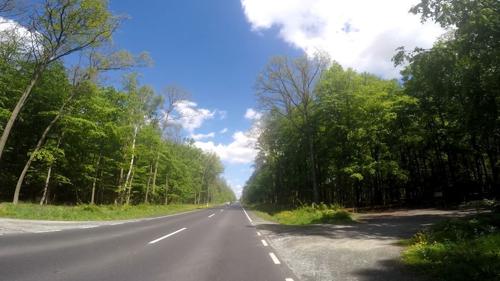
What distance should you maintain when overtaking a cyclist or a moped?
A: No less than 1 metre.
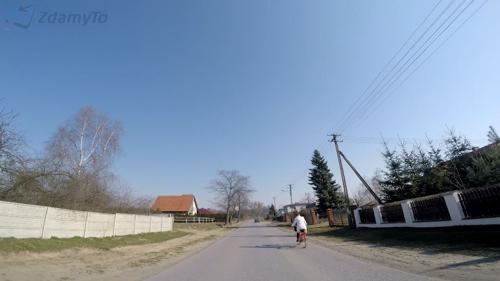
What distance from the preceding vehicle should you maintain standing before an interection, waiting for the green signal?
B: A safe distance.
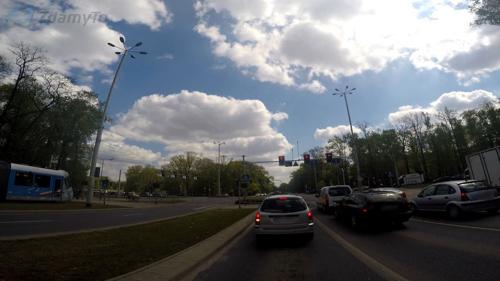
What distance from the preceding vehicle should you maintain standing before an interection, waiting for the green signal?
C: A safe distance.
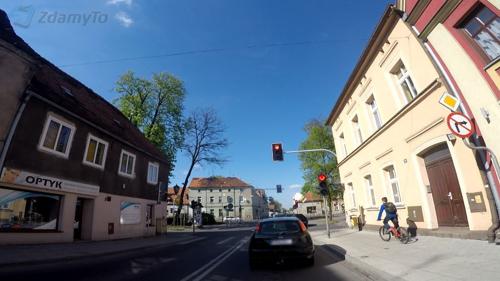
What distance must you maintain from the obsatcle you are driving past?
B: Safe.
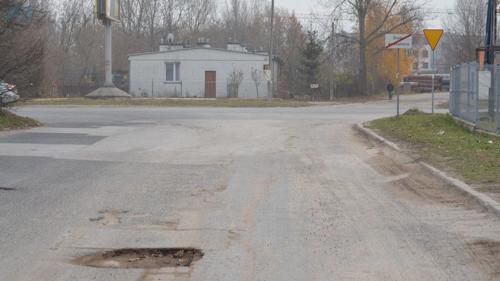
What distance must you maintain when driving past?
C: Safe.
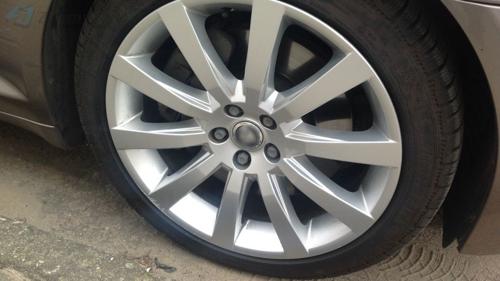
Which of the these elements of equipments or vehicle construction has a significant effect on safety during braking?
C: The ABS system
How does the braking distance of the vehicle change dependent on the speed increase?
A: The braking distance increases with an increase in speed.
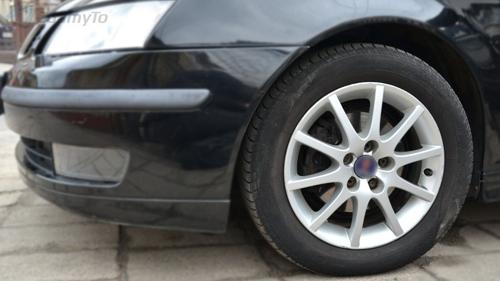
What factors and circumstances should be taken into account when choosing a safe speed for the prevailing road conditions?
B: Type of surface and the prevailing road conditions.
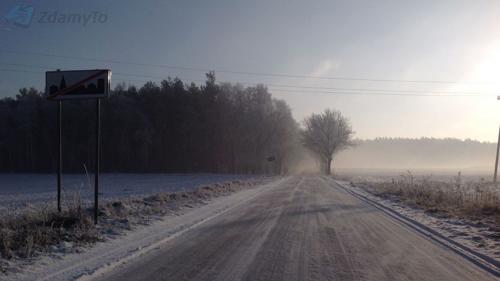
Which of the values below should you take into account when establishing the distance between the vehicle in front?
A: The speed of the vehicles.
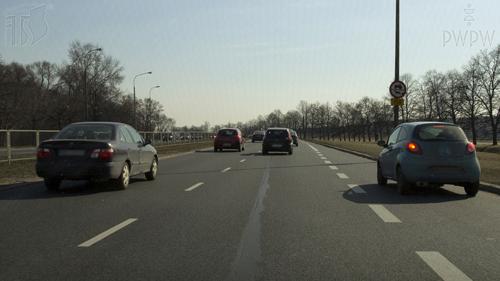
What distance should you maintain when overtaking a motorcyclist?
C: Not less than 1 m.
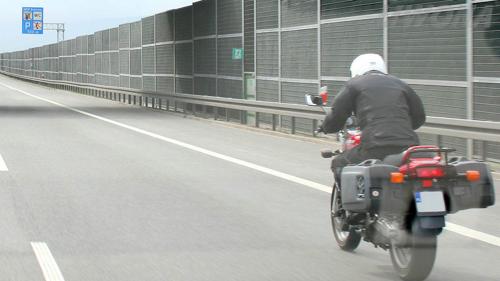
Which braking method do you apply in the event of an ABS failure on a slippery surface?
A: Pulse braking.
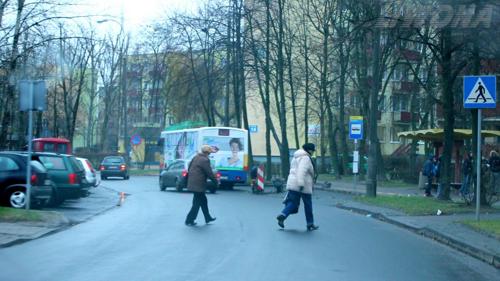
When are you obliged to change to the right lane after an overtaking monoeuvre?
C: When i'm sure that there is no risk of "cutting in" on the vehicle being overtaking.
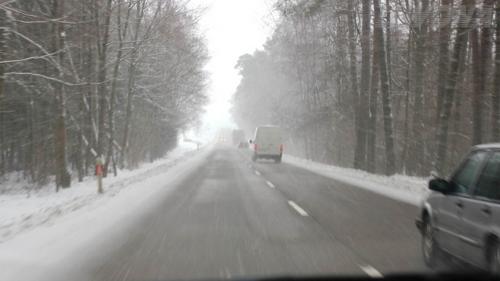
Whic of these factors has a direct impact on the total stopping distance of a passenger car?
C: The reaction time of the vehicle driver.
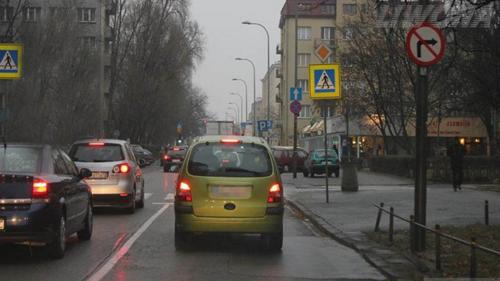
Which of these factors has a decisive influence on the determination of the distance from the vehicle in front of us?
C: Speed of the vehicle.
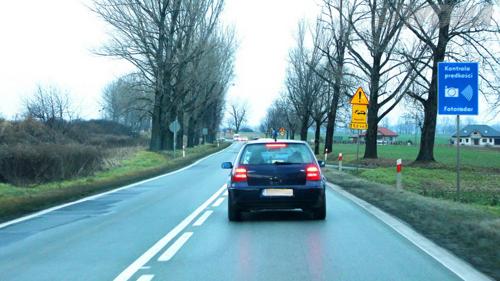
Which of these factors should you take into account when executing an overtaking manoeuvre?
B: Maintaining a safe distance.
By how much does the braking distance increase, if you double the speed?
C: 4 times.
You are travelling on the highway and intend to exit it. At what point do you start braking before the exit from the highway?
B: After entering the start of the exit lane (exit).
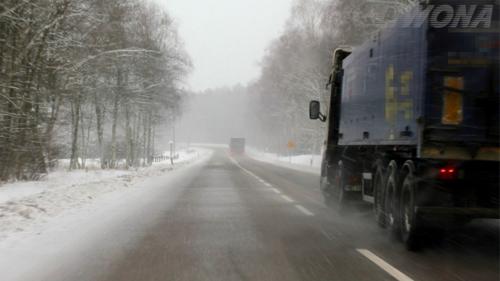
Should speed and distance from other road users be adapted to the road surface condition?
B: Yes, because the condition of the road surface has a significant impact on braking distances.
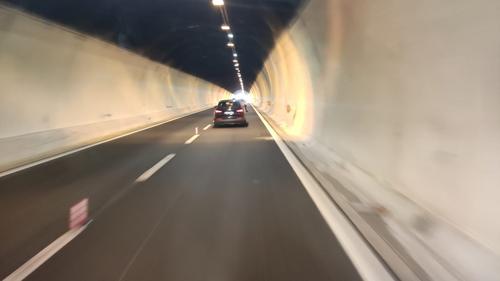
At what speed should the driver of a passenger car drive behind this vehicle if the tunnel is outside a built-up area and its length is 600 m?
A: Such speed as to maintain a distance of at least 50 m.
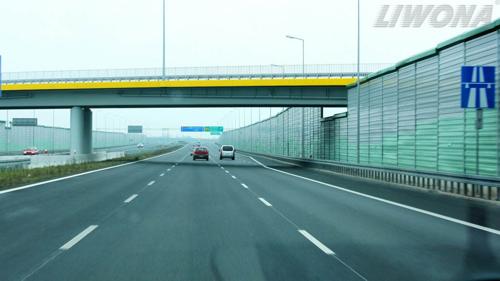
What is the minimum distance you must maintain from the vehicle in front of you if you are travelling on this road with your passenger car at the maximum permitted speed?
B: 70 m.
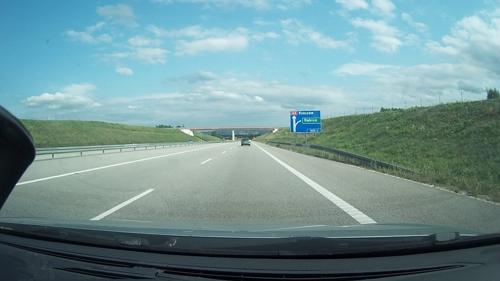
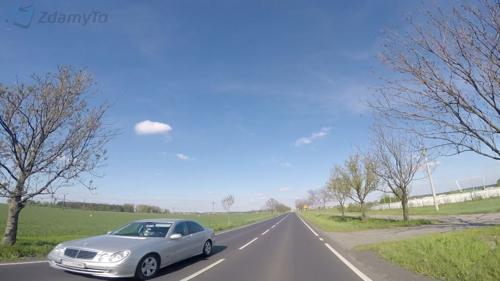
What distance from the preceding vehicle should you maintain when driving a passenger car on this road?
B: A distance necessary to avoid a collision should the preceding vehicle brake or stop.
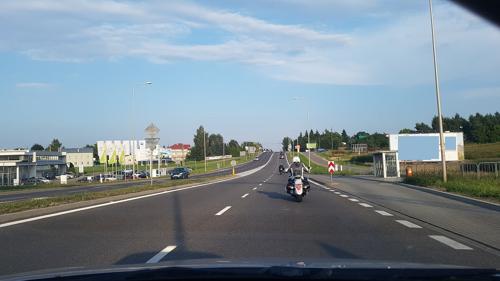
On which road does the driver have to keep a strict minimum distance from the preceding vehicle?
A: On the expressway.
Will the rail brakes work after the failure of the converter?
A: Yes.
If a tram, equipped with a shoe brake rolls on despite the brake being pressed and parking brake lights flashing, it may indicate:
C: wear of the friction linings.
For what reason should the tram driver slow down when driving through a place with lowered overhead line e.g. under a viaduct?
B: Because quick passage through such a place may damage the current collector and traction.
Should the tram driver "park" the tram prior to manual positioning of the rail switch?
A: Yes
Which of the following reasons may cause an interruption in the flow of high voltage current directly to the wagon?
C: The graphite insert of the pantograph is chipped.
What effect can a chipping of the pantograph's graphite inserts induce?
B: Excessive rocking, or even break of the overhead line.
When do you use the mechanical brake (also called parking brake)?
B: Only in the final stage of braking and during a stop.
Which of the mentioned factors induces the operation of the parking brake?
B: Pressure on the springs.
What determines the electrodynamic braking efficiency?
A: Efficiency of the traction motors.
What should you do to release (loosen) the parking brakes for towing a damaged tram?
B: Mechanically or electrically unfasten the brake release.
What kind of brake is the parking brake?
B: Passive - operates even after switching off the tram.
What effect will stopping the wagon at the point of contact between the pantograph and an insulator trigger?
A: Loss of wagon start-up and operation of the inverter.
How should you proceed to replace a blown high voltage fuse?
B: Lower the pantograph (current collector).
What should a tram driver do to safely perform the electrical connection of the carriages?
C: Lower the pantograph and disconnect the batteries.
What could be the cause of interrupting the drive during start-up if the internal bell rings and there is no indication of closed doors?
B: Emergency opening of the door by a passenger.
Which brakes are used to soft stop the tram at the tram stop?
B: The electrodynamic brake and in the final phase the parking brake.
What effect could be caused by an electrical arc formed when passing through the isolator with an enabled drive?
B: Damage to the pantograph (current collector).
What should a tram driver do when approaching a dirty rail switch?
B: Stop and clean up the rail switch before driving on it.
What does pressing the dead man's switch during a tram stop result in?
B: It enables start-up of the tram.
What effect will the use of sandboxes during start-up on slippery rails trigger?
A: Facilitates start-up - reduce wheel slip.
In which situation, are you allowed to leave the tram depot with a damaged external warning bell?
B: Under no circumstances.
Which brakes perform an emrgency function in a tram?
C: The track brakes.
What is the purpose of the drive lock circuit ("green line")?
B: It prevents the tram driving with open (half-open) doors.
What effect will the use of sandboxes when braking on slippery rails trigger?
B: It will reduce the braking distance - reduce wheel slip.
How can a tram driver adjust the braking force of the rail brakes?
C: It has no effect on regulating the braking force of the brakes.
Which of the following brakes will be activated if you release the dead man's switch while driving?
C: Emergency braking ( rail, shoe and at the minimum the electrodynamic brakes).
How should the internal mirrors on a tram be positioned?
B: To see the area of the wagon close to the door.
In what situations while driving, is the tram driver allowed to disable the driving lock?
C: It is forbidden in every situation.
What should you check first if the tram fails to move after switching on?
C: The closed door signalling device.
What voltage should the voltmeter indicate when you turn on the battery?
C: Greater than the value specified for the given type of tram.
What Should a tram driver do, if upon switching on drive the shoe brakes fail to disinhibit?
B: Undo the brake release
What effect does pressing of the pedal or tilting of the electrodynamic brake's lever "beyond the limiter" induce?
A: Activation of the rail brakes.
What most often cause loss of start-up?
A: Tram power failure (e.g. loss of overhead connection or a tram stop "on the insulator").
How should the tram driver position the right external mirror?
B: To see the side of the tram and the space behind the vehicle.
What may be the minimum tread depth of a motorcycle's tyre if it is not equipped with wear indicators?
B: 1.6 mm.
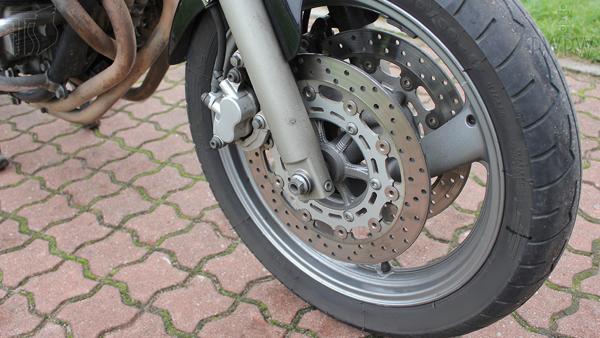
What may be the minimum tread depth of a moped's tyre if it is not equipped with wear indicators?
B: 1.6 mm.
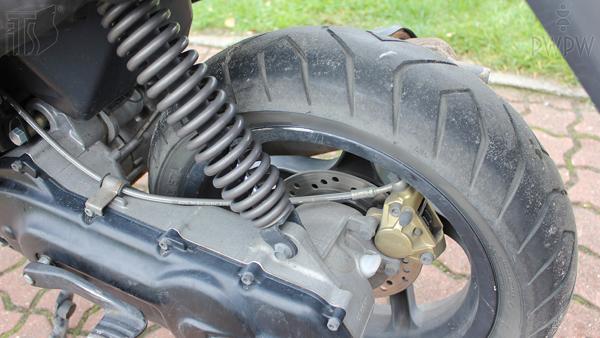
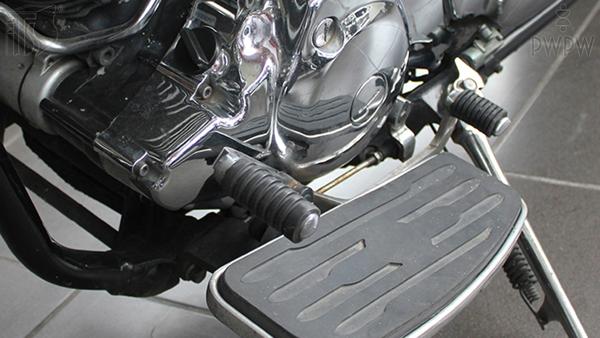
Where is the neutral position most commonly found in motorcycles equipped with a manual gear box?
B: Between the first and second gear.
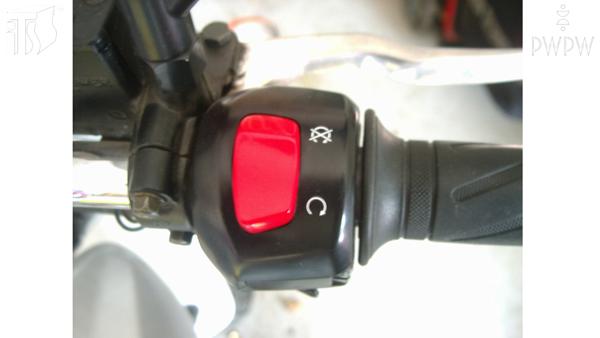
What can you use this switch for?
B: To switch off the engine.
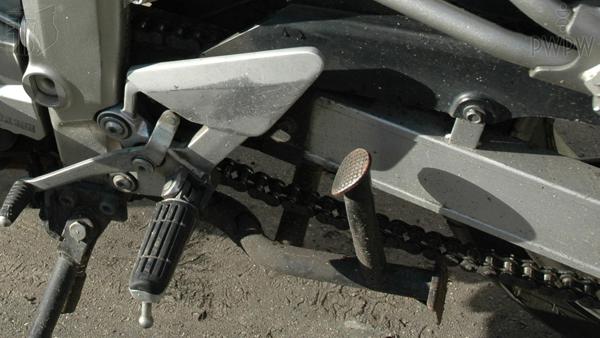
When should you regulate the tension of the drive chain of the motorcycle?
B: Immediately after you determine that it's too loose.
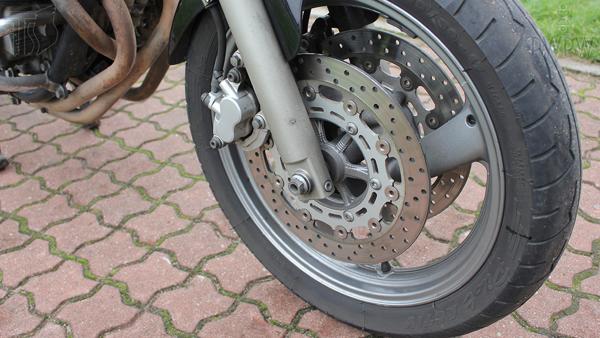
What may weaken the effectiveness of the front braking system of the motorcycle?
B: Leakage of brake fluid from a brake line.
Which of the following activities should you perform before you start riding a motorcycle?
A: Visually check the condition of the tyres.
What should you do if the oil pressure control light comes on while you're riding a motorcycle?
A: I will stop and turn off the engine.
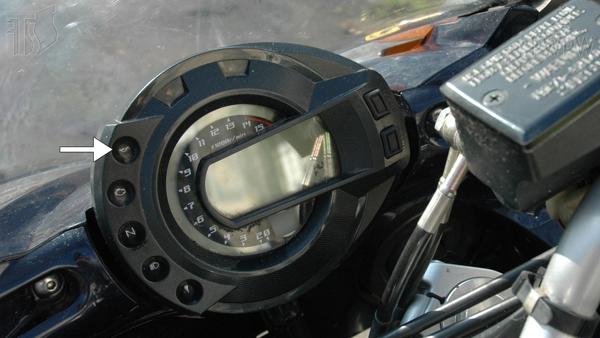
What should you first of all do before you set off on a long journey on a motorcycle?
C: Check the level of the brake fluid.
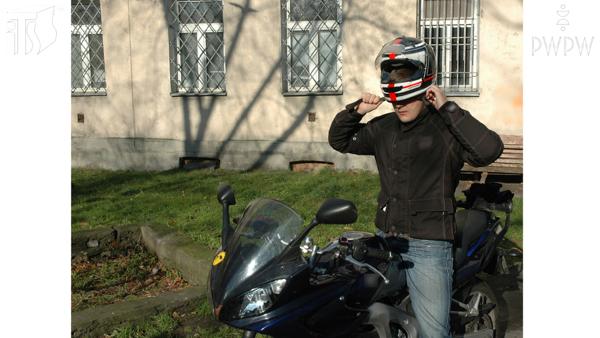
What may be the consequence of insufficient air pressure in the tyres?
C: Deterioration of tyre grip.
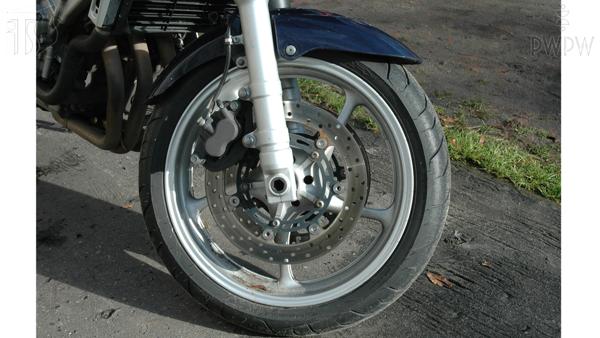
What can you use this switch for?
A: To switch off the engine.
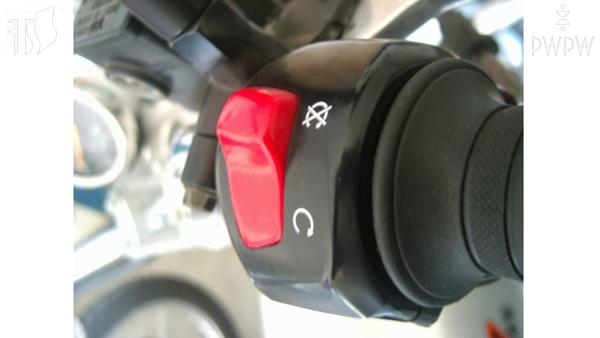
What may be the cause of the need to frequently adjust the tension of the drive chain of the motorcycle?
C: If you often accelerate abruptly.
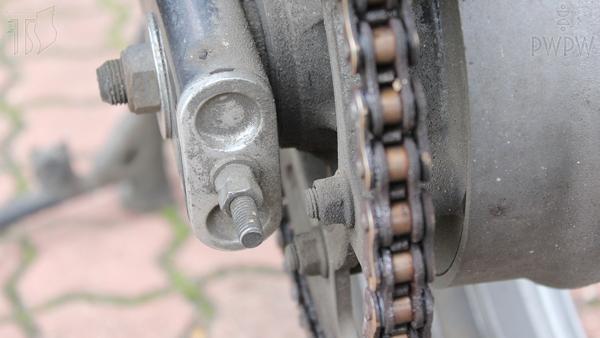
What may be the consequence of insufficient air pressure in the tyres?
C: Deterioration of tyre grip.
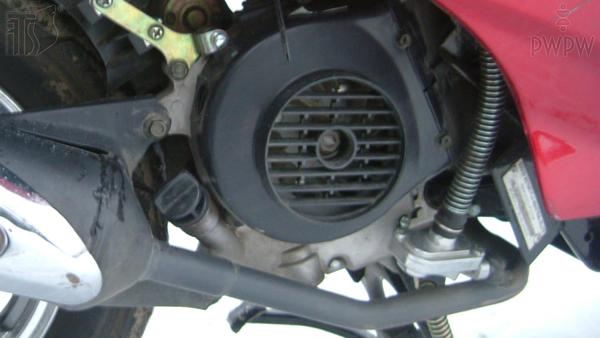
What should you do before you check the oil level in the engine?
C: Switch off the engine and wait a few minutes.
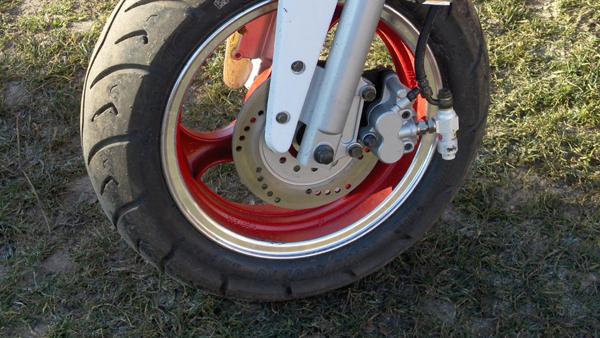
What may weaken the effectiveness of the front braking system of a moped?
B: Leakage of brake fluid from a brake line.
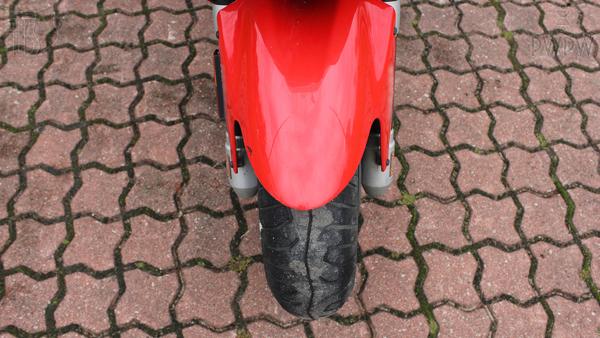
Which of the following activities should you perform before you start riding a moped?
A: Visually check the condition of the tyres.
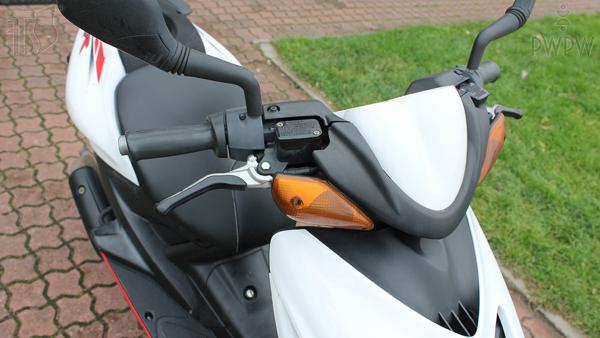
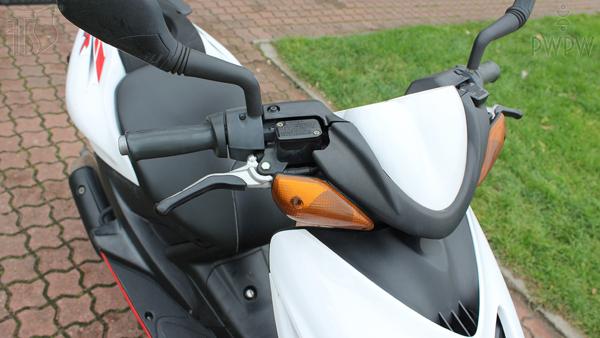
What should you first of all do before you set off on a long journey on a moped?
C: Check the level of the brake fluid.
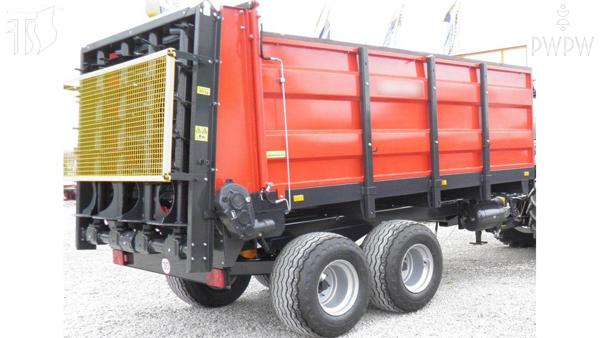
What is the colour of the power cable in trailers with a two-circuit pneumatic braking system?
A: Red.
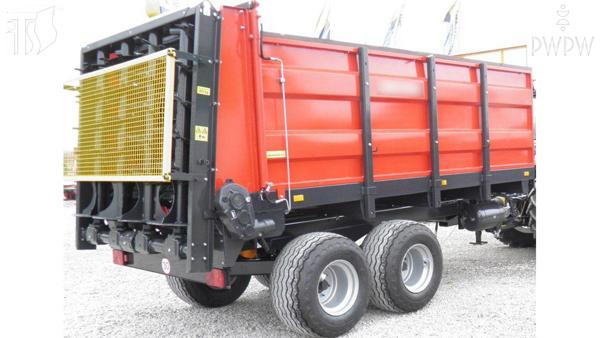
What is the colour of the control cable in trailers with a two-circuit pneumatic braking system?
B: Yellow.
What will be the effect of disconnecting the power cable of a trailer with two-circuit pneumatic braking system from a tractor?
A: The switching on of the trailer's brakes.
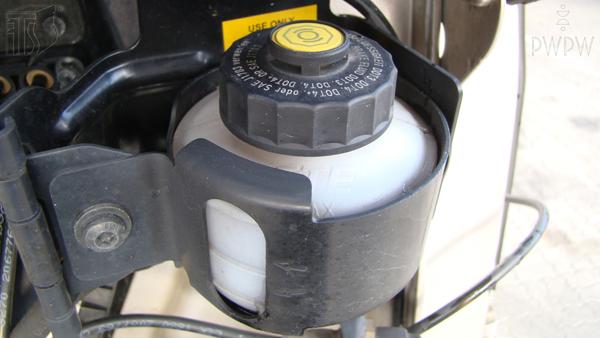
When must you check the level of the brake fluid?
B: If the lamp signalling a low level of the brake fluid does not turn off or comes on while driving.
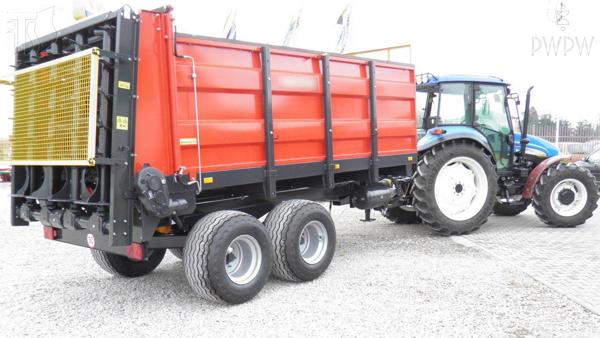
What should you do if the front part of the tractor rises after a heavy tool is attached thereto?
A: Install weights on the front wheels.
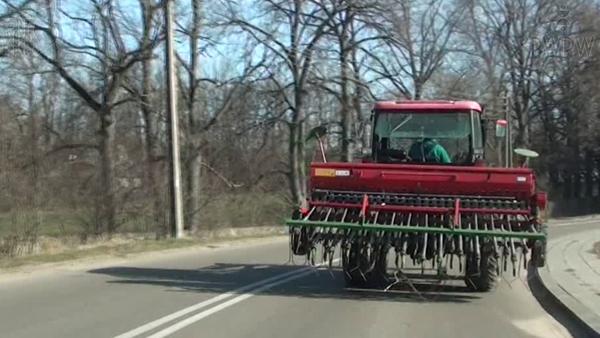
What does it indicate when the engine lubrication control light comes on?
B: That the oil pressure is too low.
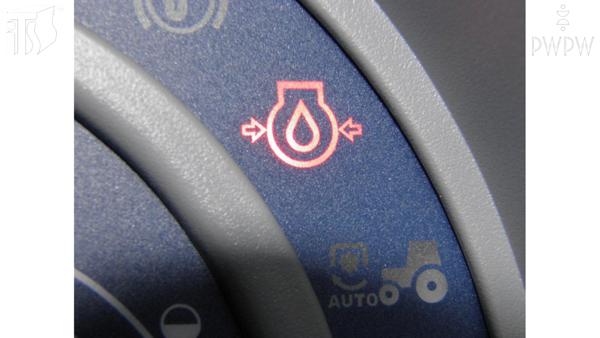
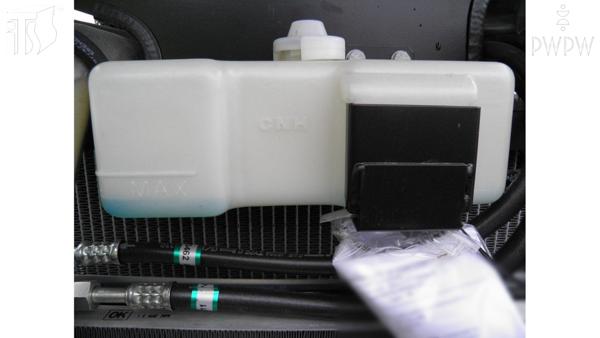
What should you do if the engine coolant of a tractor is not visible in the reservoir?
A: Check the level of the liquid in the reservoir.
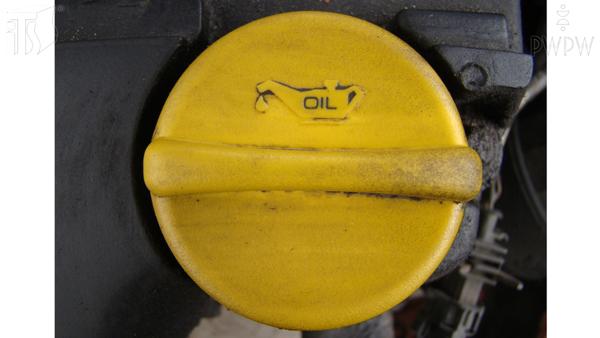
In what position of a tractor will you correctly check the oil level in the engine?
C: After parking on a flat surface.
When checking the oil level, which part on the dipstick should have oil on it in order to indicate that the oil level is correct?
B: Between the "MIN" and "MAX" levels.
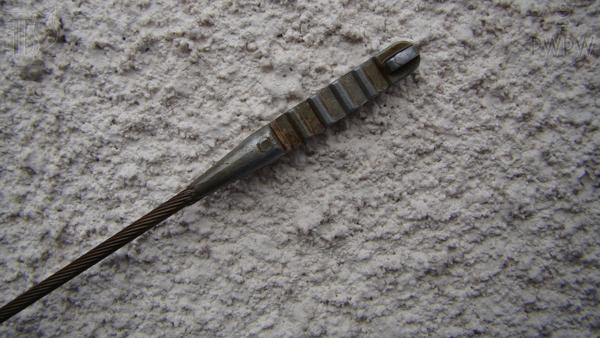
Which section on the dipstick should bear an oil mark in order to indicate that the oil level is incorrect?
A: Over the "MAX" level.
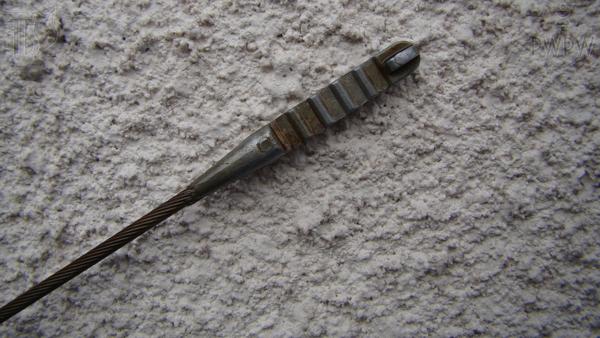
When checking the oil level, which part on the dipstick should have oil on it in order to indicate that the oil level is correct?
C: Below the "MIN" level.
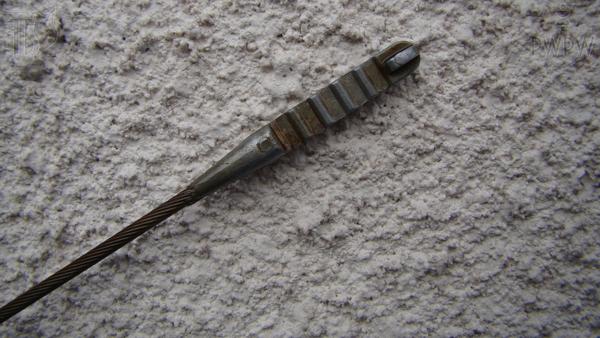
Can you start the engine of a tractor if the oil level on the dipstick is below the "MIN" level?
B: No.
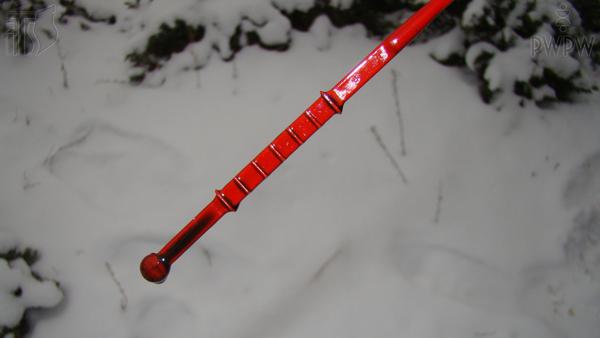
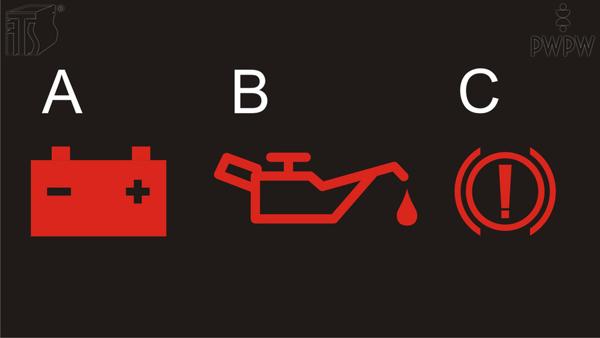
Which of the following control lights indicates that the battery is not charging?
A: A.
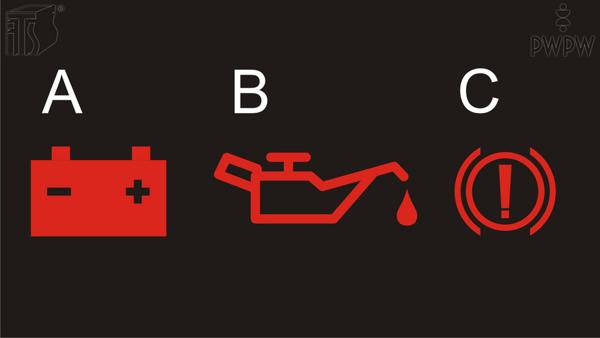
Which of the following control lights indicates that the oil level in the engine is too low?
B: B.
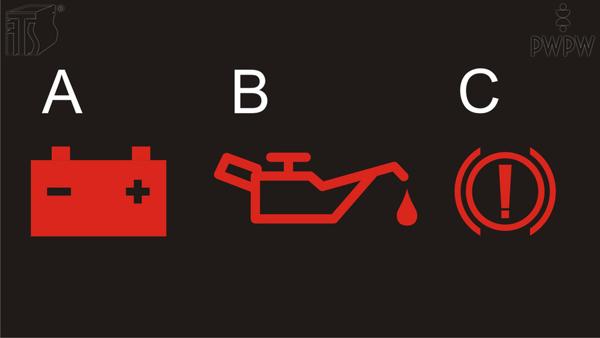
Which of the following control lights indicates that the emergency brake is on?
C: C.
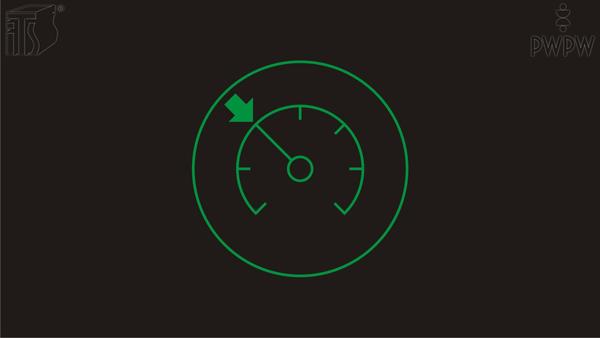
Which of the following conditions must be met to activate the cruise control?
A: The vehicle has attained the minimum speed specified by the manufacturer.
What does it signify, where the tire tread in a truck is worn to the depth of less than 1.6 mm?
B: That the tyres are excessively worn.
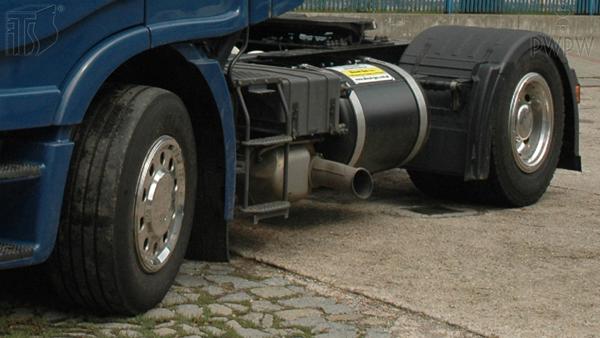
What may be the reason for a difficulty in maintaining a straight trajectory of a truck?
A: The wearing and excessive clearance in the steering system.
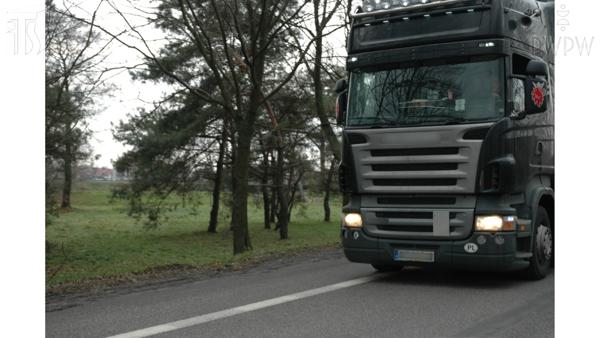
What may be the effect of too low oil level in the combustion engine?
B: Wear of the crankshaft, pistons and valves.
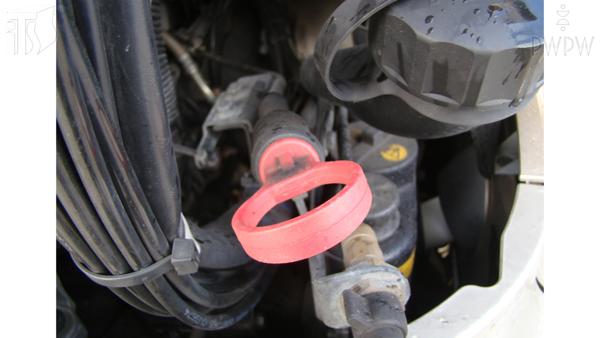
What may be the effect of too low level of the cooling liquid in the combustion engine?
C: An increase in the temperature of the engine.
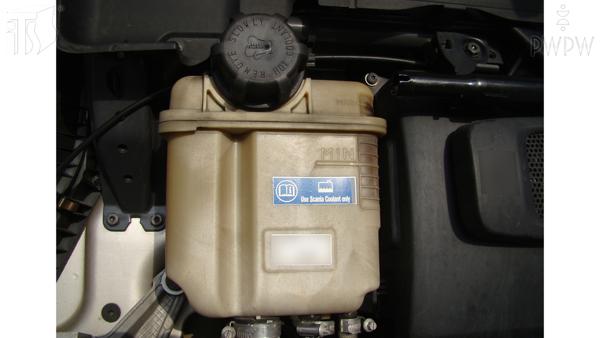
What may be the result of oil leakage from a mechanical gear box?
B: Damage to the gear box.
What may be the cause of an extended braking distance of a truck?
C: Contamination of the friction elements of the braking system with oil or lubricant.
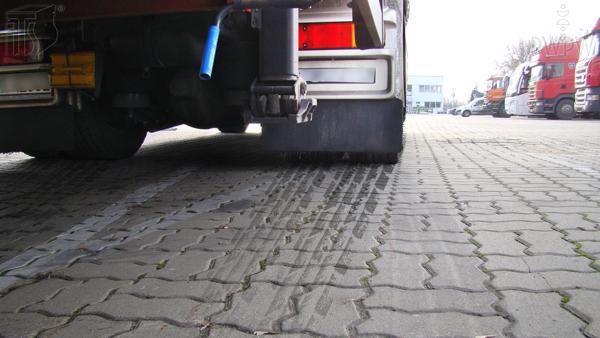
In which of the following cases can you use an emergency switch-off of the engine?
C: While stopping the vehicle.
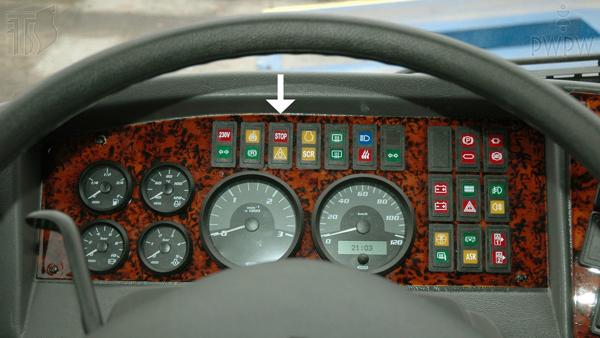
For what purpose will you use a parking brake?
B: To reduce a demand for compressed air during stops at the bus stop.
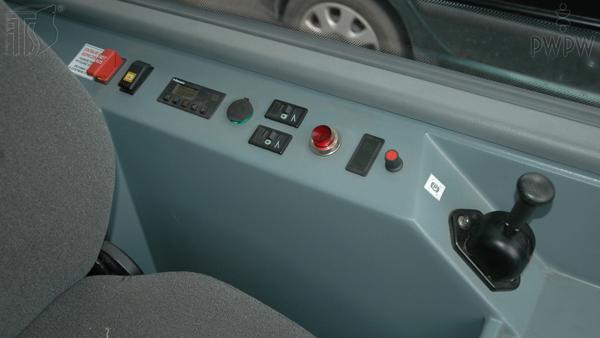
How do you activate the parking brake?
C: By opening of the bus door.
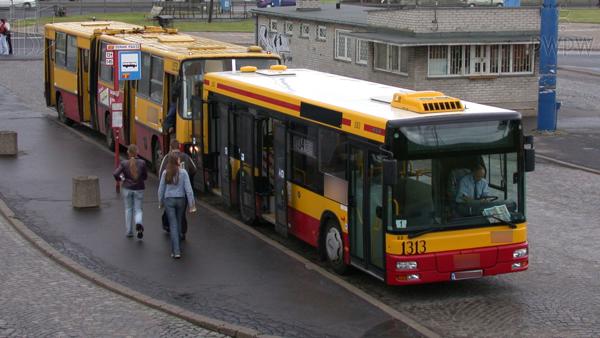
In which of the following cases can you use the emergency switch-off of the engine?
C: While stopping the vehicle.
What necessary activities should be performed by a bus driver while replacing a wheel on the road?
B: Raise the vehicle with a jack to a sufficient height to create a distance between the tyre and the surface.
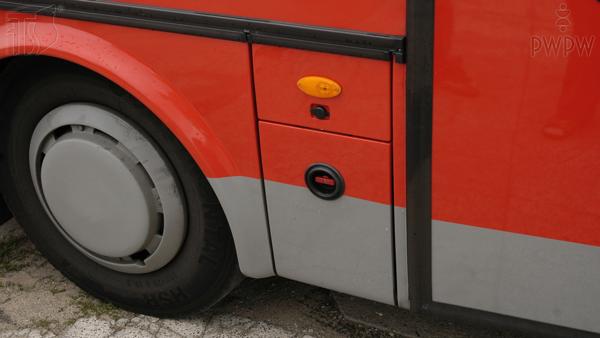
What necessary activities should be performed by a bus driver while replacing a wheel?
A: Place the jack in a place indicated by the producer.
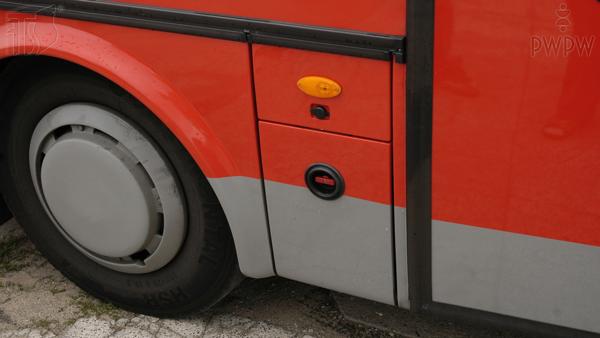
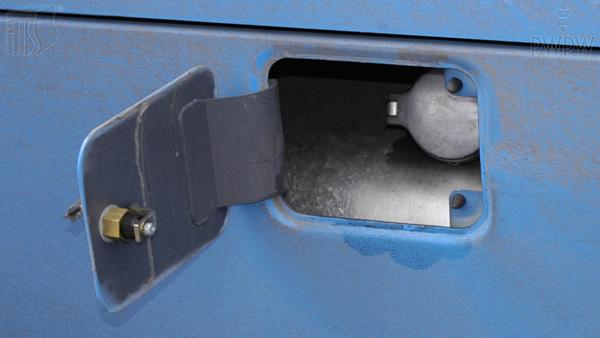
What fuel should be used in diesel engines commonly found in buses?
B: Diesel oil meeting the relevant standards.
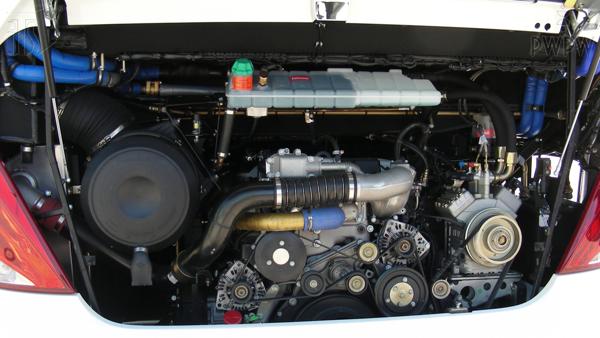
Can you add water to the cooling system of a bus engine?
A: Yes, but only in emergency situations and when ambient temperature is above zero.
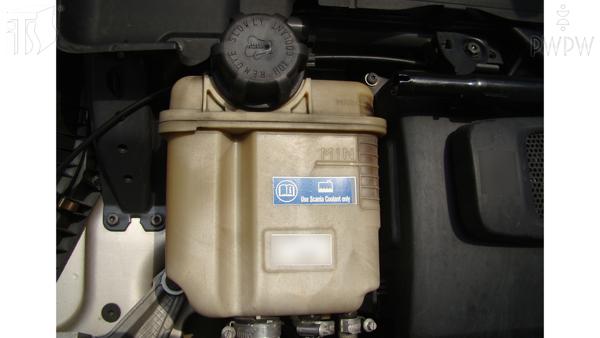
What will you use to dilute the concentrate, which is the main component of the cooling liquid?
A: Distilled water.
Which sub-assemblies of the bus are lubricated with gear oil?
B: The gear box.
When you drive a bus, how can you identify excessive clearance of the steering mechanism?
A: By an increased idle movement of the steering wheel.
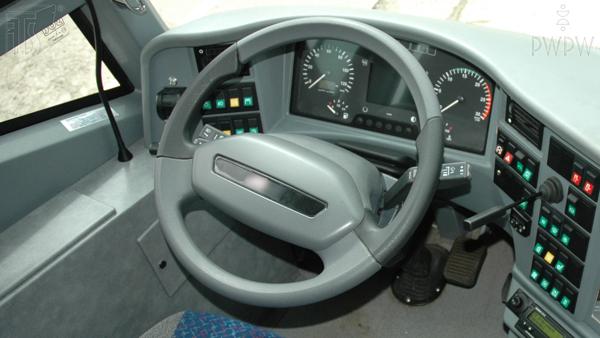
What symptom indicates a malfunction of the power steering system in a bus?
C: Significantly increased resistance of the steering wheel movement.
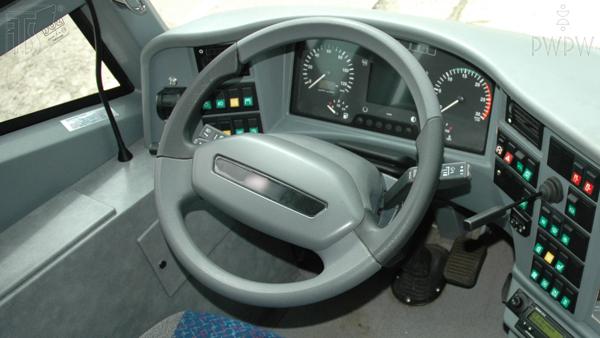
What symptoms observed while driving a bus indicates that there is excessive clearance in the universal joints of the steering system?
A: Difficulty in maintaining a straight trajectory of motion.
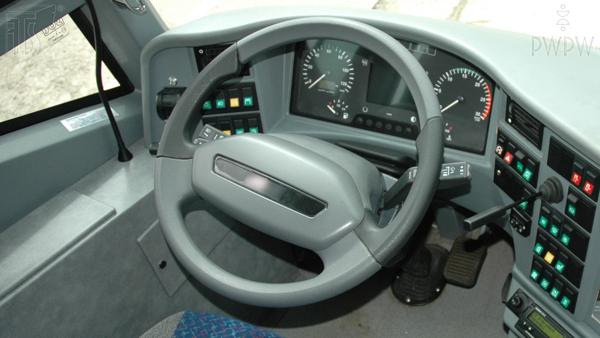
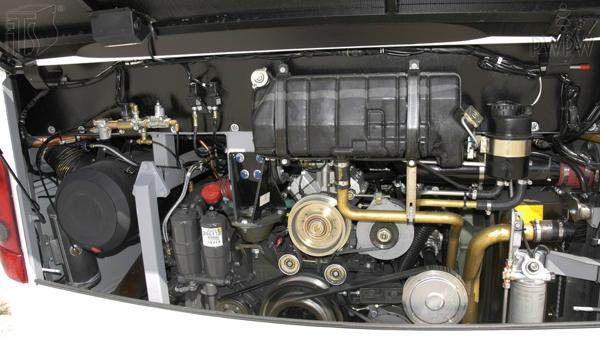
What may be the cause of lack of tightness in the pneumatic braking system applied in buses?
A: A damage to air valves.
Which of the following symptoms may indicate a malfunction of the air compressor of the brake system in the bus?
B: Reduced pressure in the pneumatic system.
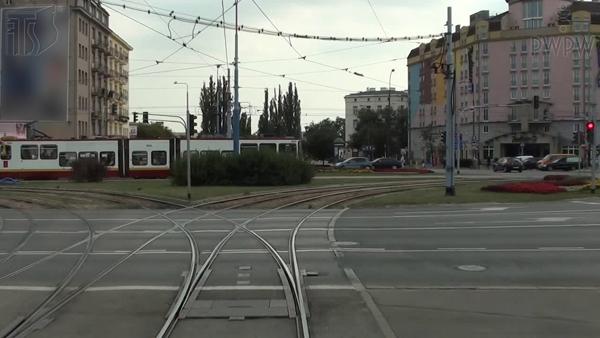
Does the rail switch positioned in such a way allow for a turning manoeuvre to the right at the intersection?
B: No
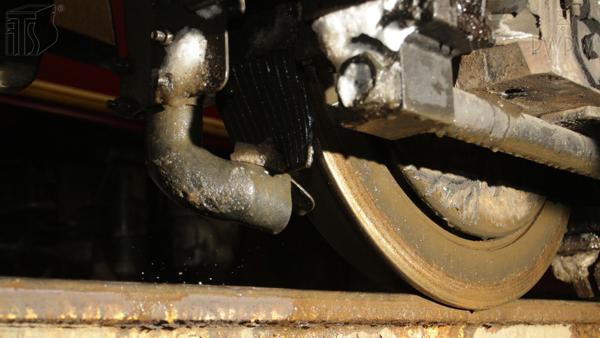
What could be the reasons for the switch points not clinging?
C: Snow covering the switch points.
In what situation is it recommended to use sandboxes constituting an equipment on the tram?
C: On slippery rail.
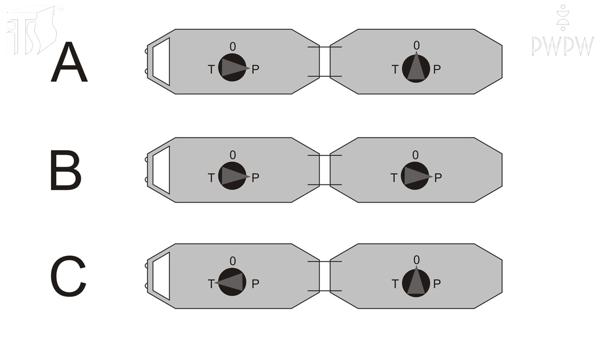
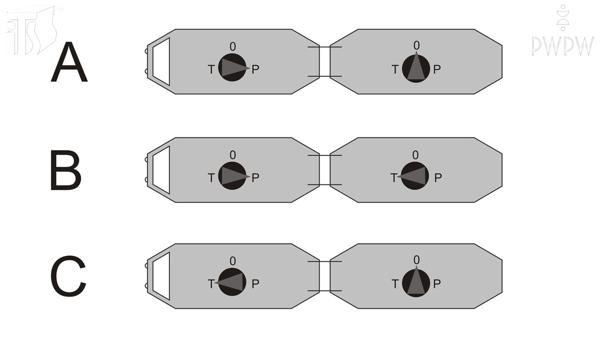
What setting of the reverser may cause the inability to drive a two-carriage tram?
B: In the first carriageit is set to "P" in the second carriage to "P".
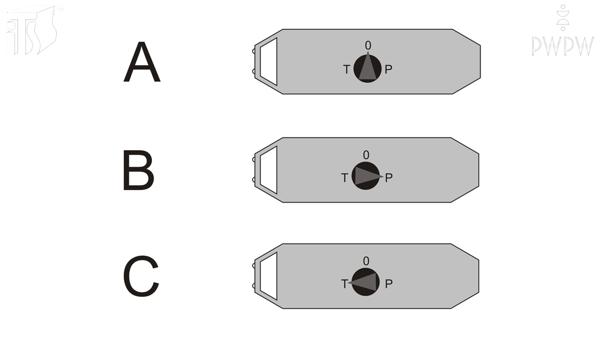
What setting of the reverser may cause the inability to drive a single-carriage tram?
A: The reverser is set to "0"
What setting of the reverser may cause the inability to drive a double-carriage tram?
B: In the first carriage the reverser is set to "P" and in the second carriage to "T".
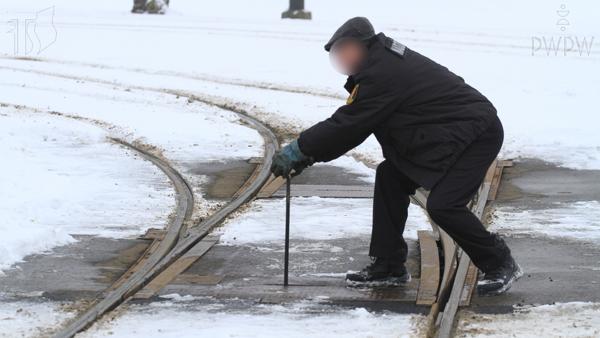
What do you use to change the position of the switch points in a mechanically-controlled railroad switch?
B: The adjuster
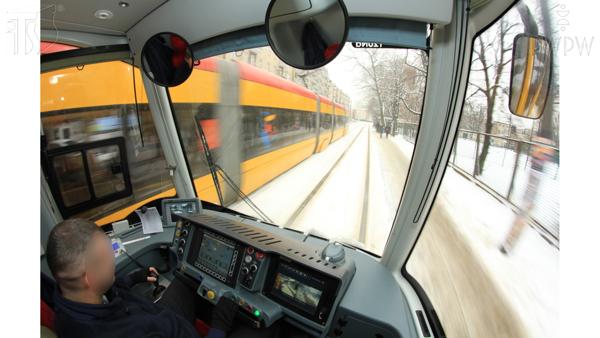
What do you use to change the driving speed?
B: The controller.
What enables the tram to drive backwards?
A: The reverser.
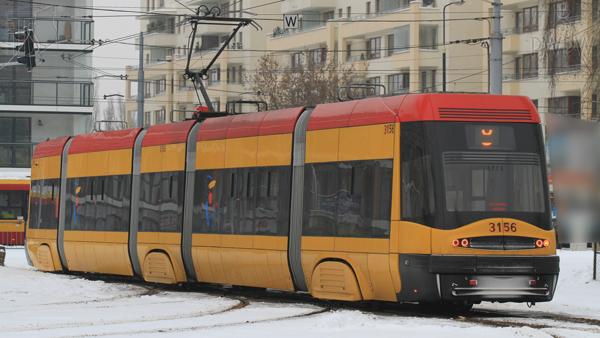
Can you continue driving with passengers, after noticing a breakdown in the door closing mechanism, in the first wagon?
A: No.
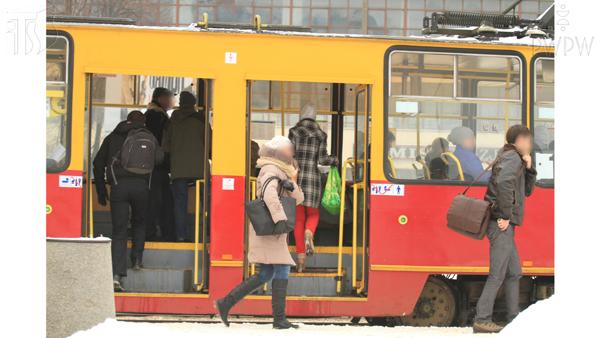
Which of the following types of brakes can not be checked at the depot?
B: The electrodynamic brakes
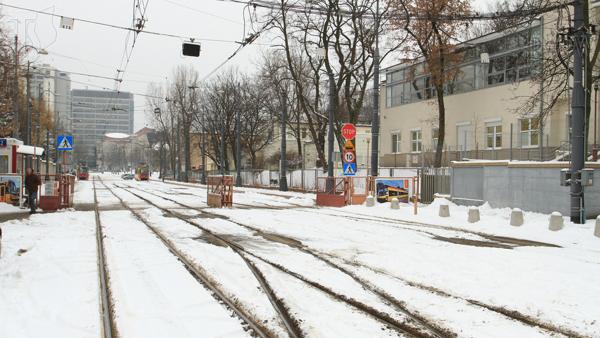
Which, of the following types of brakes, cannot be checked at the depot?
C: The electrodynamic brake.
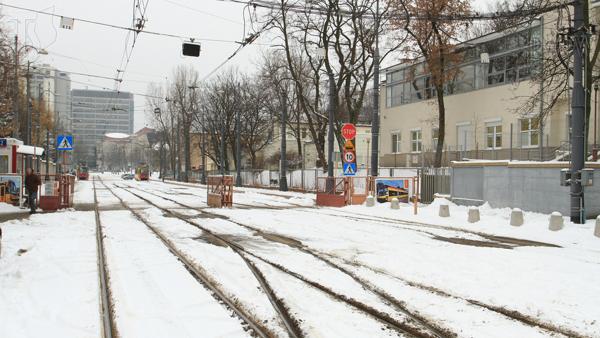
What, among others, should be checked before you set about driving a double-carriage tram?
B: The condition of the coupler between the carriages.
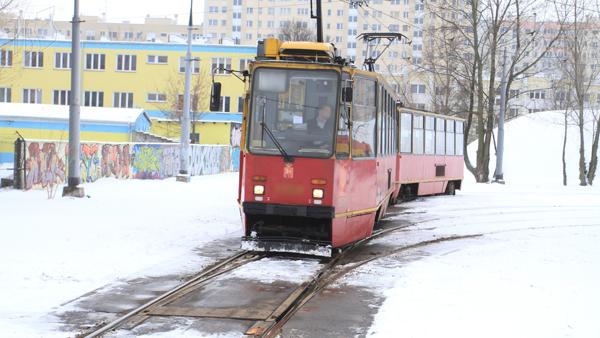
What, among others, should be checked before you set about driving a tram?
A: The condition of the bodywork, fastening of the passenger seats and handrails.
In what position should the coupling be when connecting tram carriages?
B: Unfolded
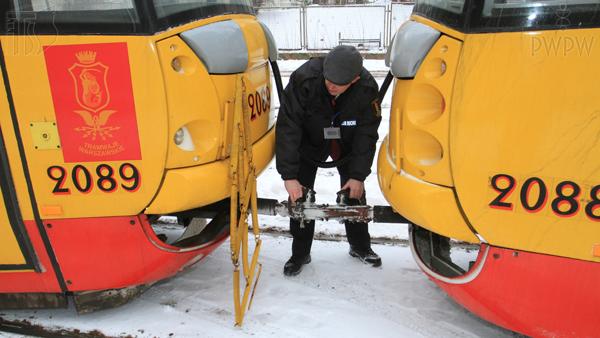
What you should you not do when coupling two carriages?
A: Loosen the shoe brakes of the carriage to be coupled.
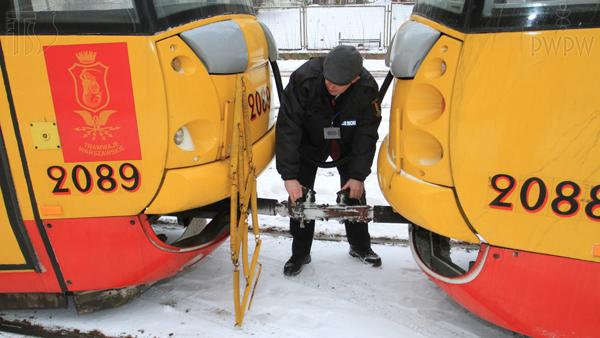
What you should you not do when coupling two carriages?
A: Release the thrustor of the carriage to be coupled.
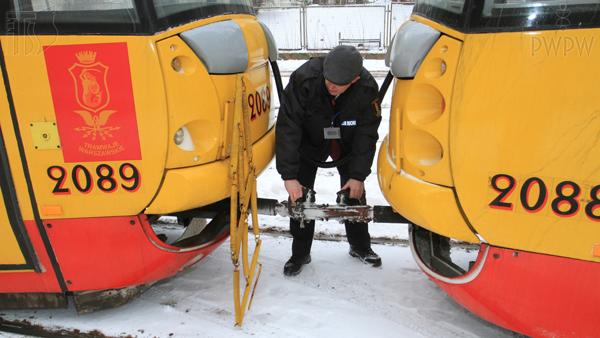
What could be the cause of the diconnection of the linear contactor on the tram?
C: Short-circuit in the circuits of one of the engines.
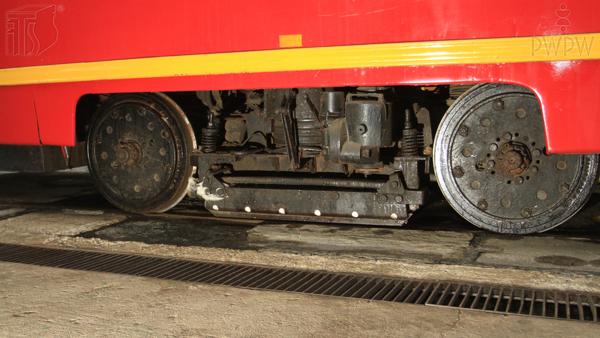
What may cause low edges of the driving wheels?
A: The wheels falling off the trackway.
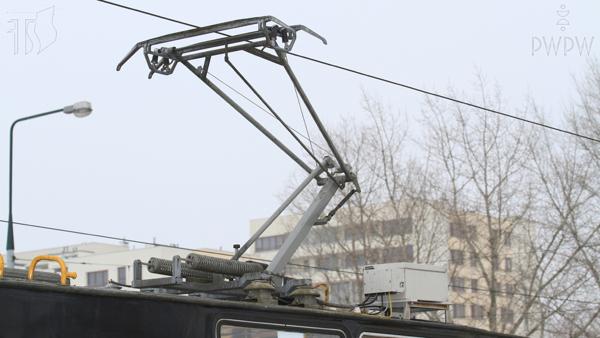
What might cause a chipped insert of pantograph's graphite?
B: A rockinmg of the overhead line.
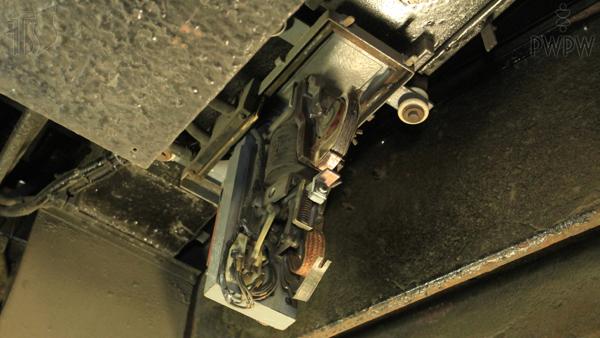
What may be the cause of automatic activation of the rail brakes?
C: Pulling of the safety brake lever by a passenger.
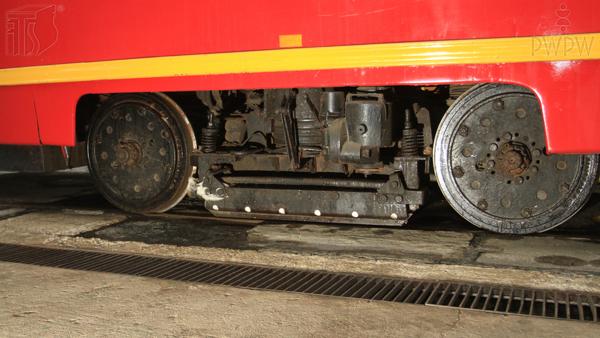
What should you do if there is no response from the remote controlled rail switch?
A: Manually position the rail switch.
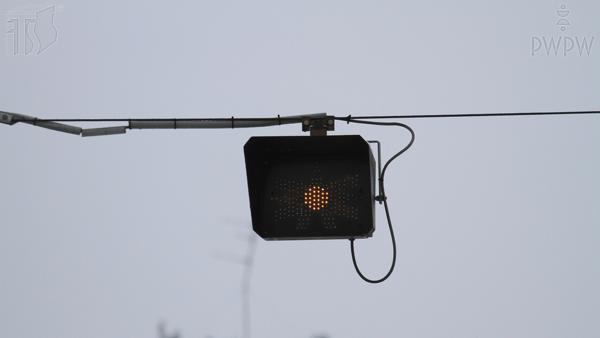
What should be the distance of the lower edge of the Skimmer from the railhead?
C: 100 mm.
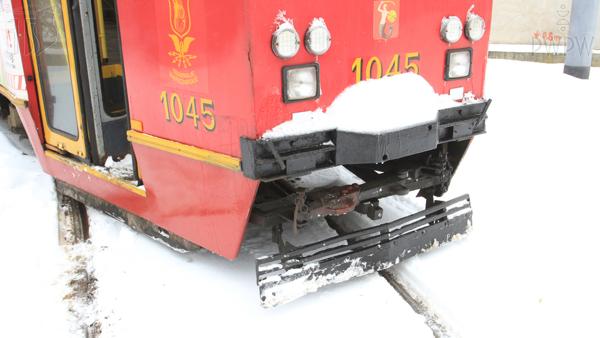
What might cause the escape of smoke from the Bogie?
B: A short circuit in the motor windings.
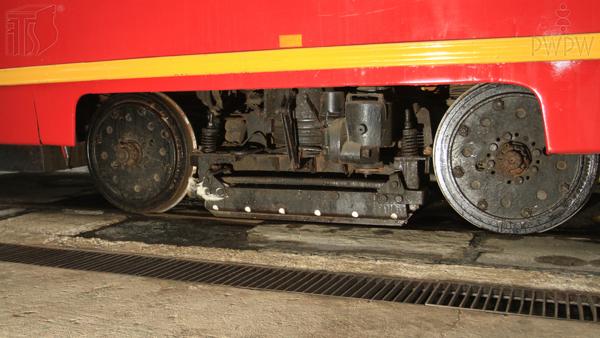
Can driving be continued, in the event of burn-out of one of the cable shunts in the the pantograph?
C: No, because it may lead to burn out of the second cable of the pantograph.
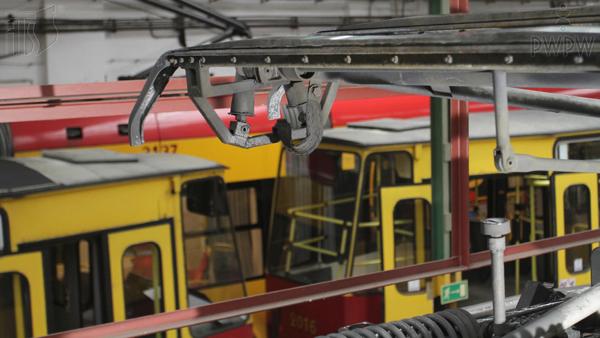
What might cause damaged to the spinning converter?
C: No cooling of the electrical equipment.
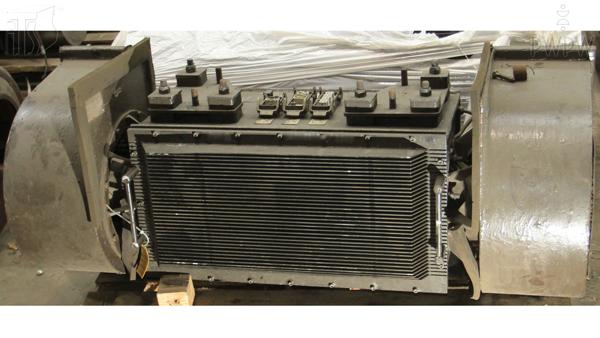
In what situation is it recommended to use sandboxes fitted on a tram?
C: During sudden emergency braking.
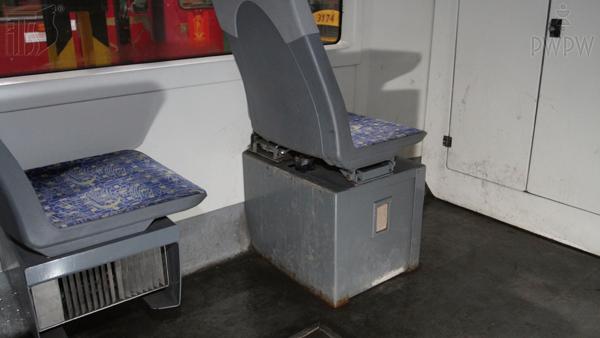
What should the driver of a tram equipped with sandboxes do in the absence of sand in the containers?
C: Top up the sandboxes at the nearest end.
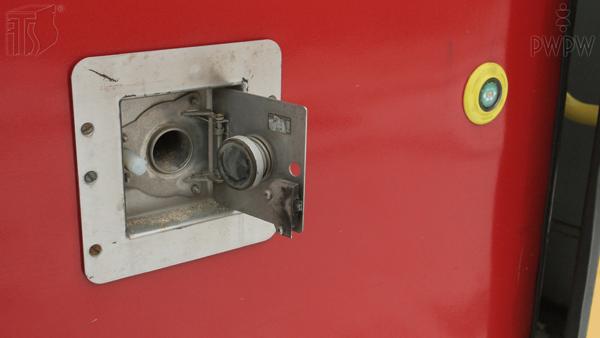
What should you do before you check the level of oil in the engine?
C: Turn off the engine and wait a few minutes.
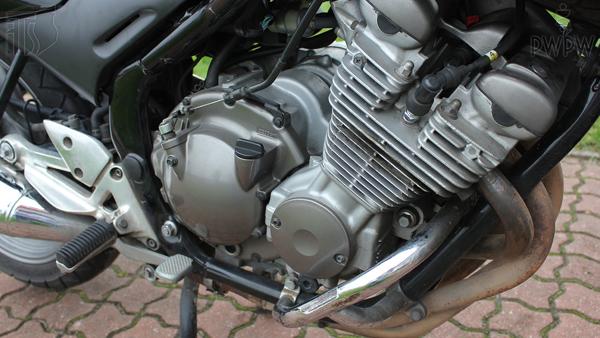
What type of engine oil should you use in diesel engines used in buses?
C: As specified by the bus manufacturer.
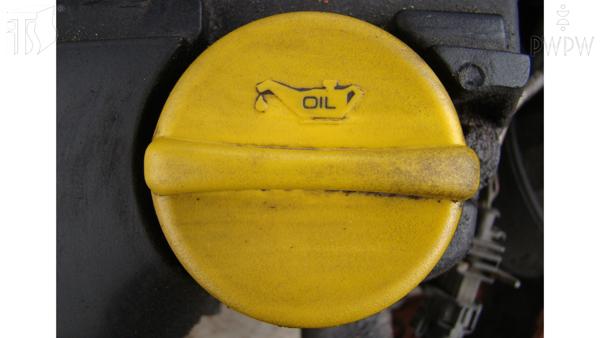
What oil should be used to top up oil in a bus engine?
B: Oil of the same class as the oil in the engine.
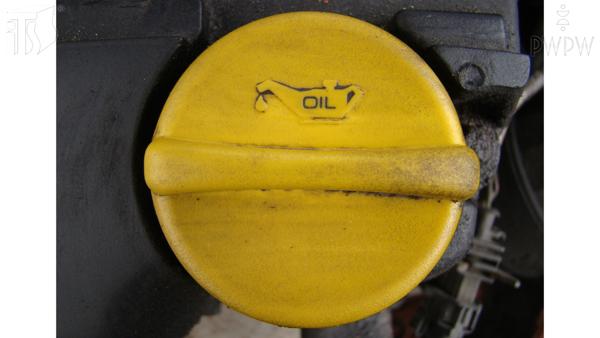
If, when riding a motorcycle the need to check the oil level arises, what should you do after stopping and turning off the vehicle engine:
C: place the motorcycle in an upright position and after a few minutes proceed to check.
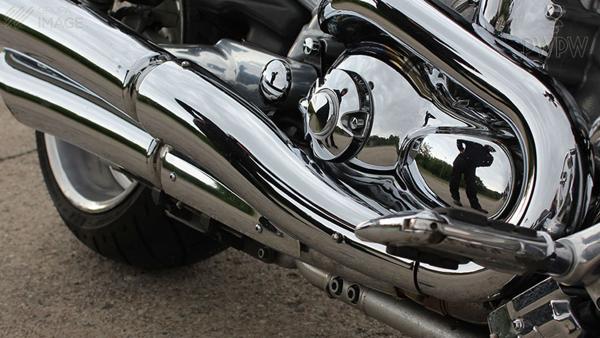
Which of the following may be the result of too high pressure in the motorcycle tyres?
A: Reduced braking efficiency
In what way does too low tyre pressure affect the safe operation of a motorcycle?
B: It may impair the stability of the vehicle in motion.
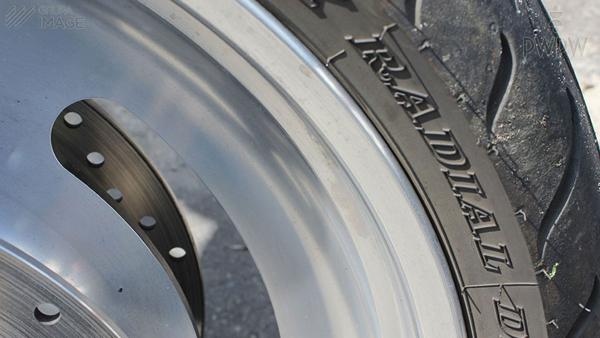
Which of the following actions is part of the daily maintenance of a motorcycle?
B: Checking the operation of brake ‘stop’ lights.
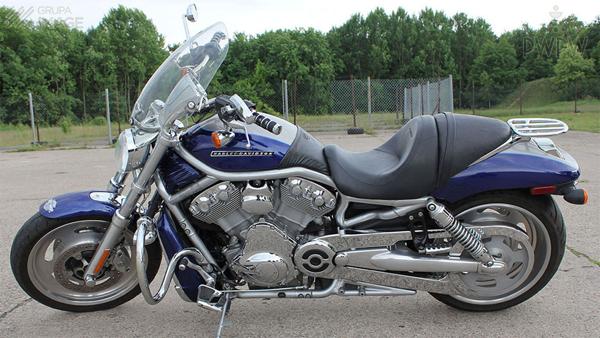
Which of the following actions should you primarily do before a long motorcycle ride?
B: Check the tyre pressure.
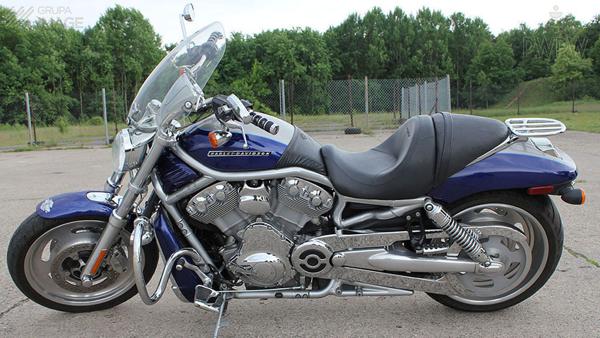
How do faulty shock absorbers affect a ride on a moped?
B: They may result in an accident.
Which of the following requirements should tyres of an agricultural tractor meet?
B: The tyres on wheels on one axle should have the same construction and tread pattern.
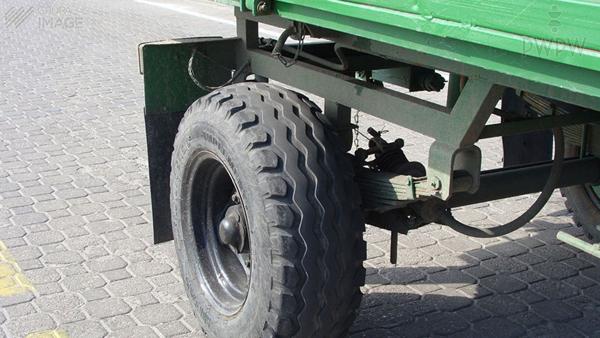
What is the purpose of using a parking brake in a bus?
B: To immobilize a vehicle at a bus stop.

Which of the following factors may result in decrease in the level of the cooling system liquid?
B: Leak in the cooling system.
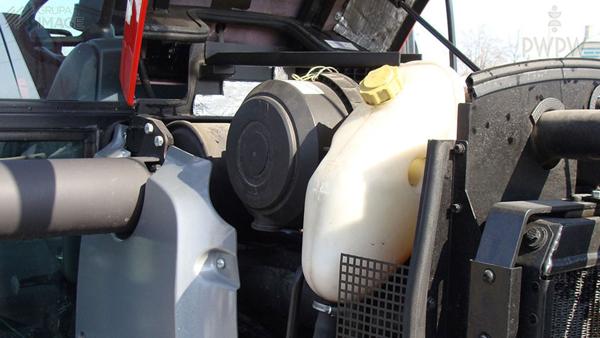
Should you check the oil level in the engine in an agricultural tractor immediately after the engine immobilisation?
B: No, you should wait for the period indicated in the manual by the manufacturer.
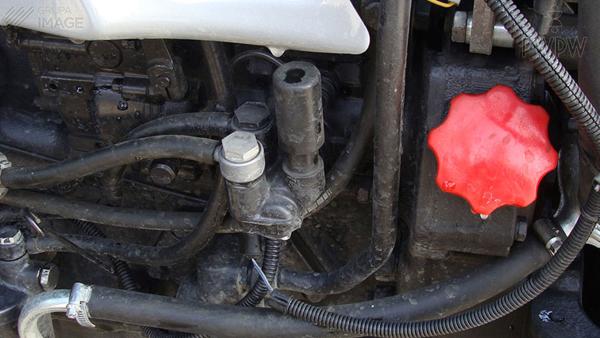
In which of the following situations should you not start the engine in an agricultural tractor?
B: If the level of oil in the engine is below the minimum level mark on the dipstick.
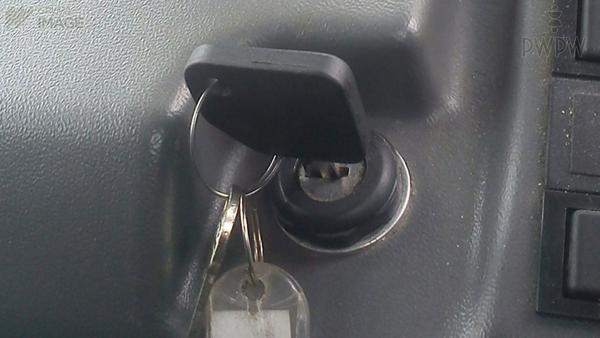
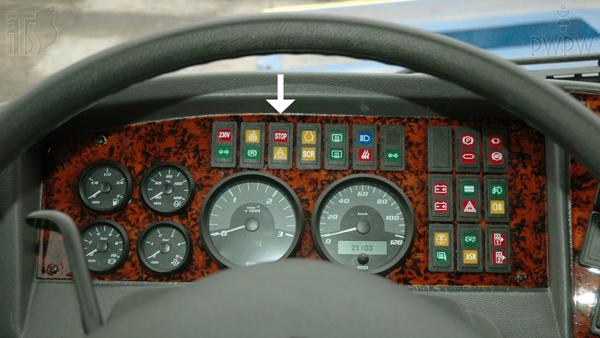
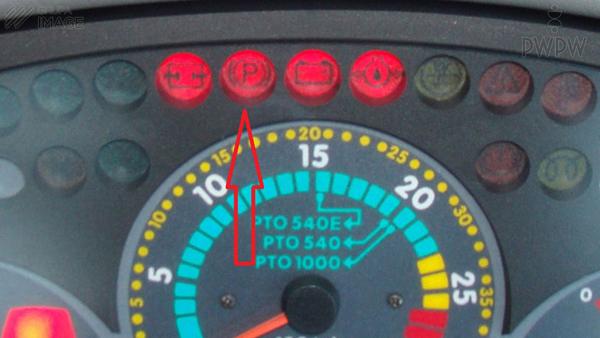
What does the activated control lamp indicated in the photo by the red arrow signal?
B: The emergency brake lever is pulled up.
Which of the following actions should be performed prior to changing a wheel on a bus?
A: Place chocks under the opposite wheel.
Is it advisable in winter time to pour petrol into the tank of a diesel engine bus?
C: No, because it leads to a damage of the power supply system and the engine.
Which of the following symptoms may indicate a deficiency of fluid in the power steering on the bus?
C: Louder operation of the power steering pump when maneuvering the steering wheel with the engine on.
Which of the following symptoms most indicates the clutch disc wear?
C: Abrupt increase in the engine revolutions without an increase in speed during acceleration.
What is the symptom of excessive total clearance in the steering system?
C: A deterioration in the steerability and stability of the vehicle.
In which of these cases, does the engine brake turn off automatically?
C: When the ABS system turns on
What must you check before engaging on a long-distance ride on a motorcycle?
A: Pressure in the tryres.
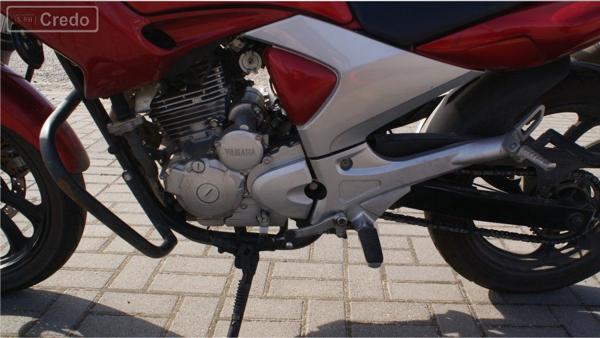
In which of the following cases is the use of a cruise control most justified?
C: While driving for a long time at constant speed.
How is the failure of the anti-block system (ABS) indicated?
A: By a control light on the dashboard.
What may be the consequences of a leakage of liquid from the hydraulic shock absorber?
C: Reduced wheel traction on uneven road.
What might be the result of a damage to one of the direction indicator bulbs?
B: Indicator breaker will operate at an increased rate.
What is the minimum permissible depth of the tyre tread pattern of a lorry?
B: 1.6 mm.
Which of the following actions should be taken when the red warning light of the cooling liquid temperature comes on during a drive?
A: Stop the vehicle and switch off the engine.
Which of the following actions should be taken when the red warning light of the engine oil pressure comes on during a drive?
A: Stop the vehicle and switch off the engine.