
Passing, meeting, reversing
83 questions in this category
Passing (meeting) oncoming traffic, navigating narrow roads where two vehicles cannot fit simultaneously, and reversing are covered in this category. In Poland, when two vehicles meet on a road too narrow for both, specific priority rules determine which vehicle must give way. Reversing has strict limitations regarding where and when it may be performed.
Why This Category Matters on the Exam
This category appears in 1-3 exam questions, often presenting narrow-road scenarios or asking about the rules for reversing. While fewer questions come from this topic, they can be tricky because they require spatial reasoning and knowledge of specific priority rules. The points from these questions can make the difference between passing and failing.
Common Mistakes and Tips
When meeting oncoming traffic on a narrow road, the general rule in Poland is that the vehicle facing an uphill gradient has priority (the downhill vehicle must yield and reverse if necessary). If one side has an obstacle, the vehicle facing the obstacle must wait. Many candidates forget that reversing is prohibited on motorways, expressways, in tunnels, on bridges, at intersections, on pedestrian crossings, and in areas of limited visibility. When reversing is permitted, you must not endanger or obstruct other road users. A useful tip: if the reversing distance would exceed 50 meters, consider finding an alternative route. On narrow mountain roads, the larger or heavier vehicle typically has priority, and the lighter vehicle should reverse to a passing place.
Are you obliged to stop when the need be while passing the stationary obstacle?
A: Yes

Do you have to exercise particular caution when passing a stationary object in this situation?
A: Yes


Is slowing down justifiable in this this situation?
A: Yes

Are you properly preparing to drive past in this situation?
A: Yes

Should you stop your vehicle when the oncoming vehicle is passing?
A: Yes

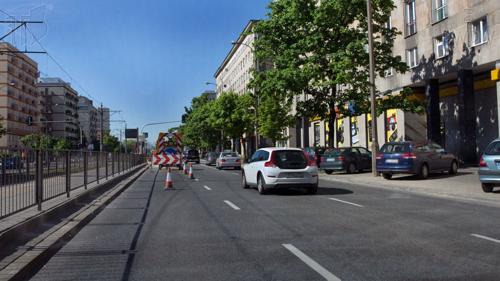
Do you have to keep a safe distance from the vehicle you are passing?
A: Yes
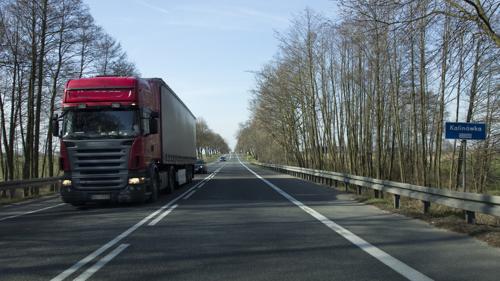
When passing a stationary vehicle are you obliged to keep a safe distance from the vehicle?
A: Yes
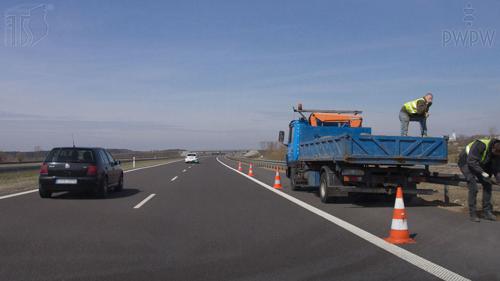
When passing a stationary obstacle are you obliged to keep a safe distance from the obstacle?
A: Yes
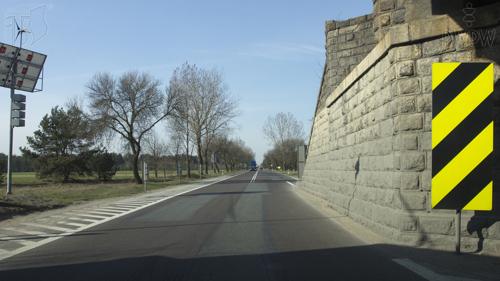
Are you obliged to keep at least 1 metre distance from the stationary object you are passing?
B: No
Are you allowed in this situation to keep whichever distance from the oncoming lorry you are passing?
B: No
When passing the stationary object on the left, are you obliged to keep a safe distance?
A: Yes

When passing this obstacle are you obliged to keep a safe distance from it?
A: Yes

Are you obliged to keep a safe distance when passing a stationary vehicle?
A: Yes

Is it obligatory in this situation to decrease the speed of the vehicle in order to execute the passing manoeuvre safely?
A: Yes


Are you obliged in this situation, to yield the right of way to the oncoming vehicle before overtaking?
A: Yes

Are you allowed to pass the preceding stationary vehicle on the left?
B: No
org.jpg)
org.jpg)
Are you passing the preceding vehicle correctly?
A: Yes
org.jpg)
Is it justifiable to decrease the speed when passing in this situation?
A: Yes
.jpg)
In this situation, have you just completed a passing manoeuvre?
B: No

In this situation, while exercising special caution, can you bypass the tram?
B: No

In this situation, should you slow down?
A: Yes

Is it forbidden to perform a reverse manoeuvre on a one-way road?
B: No
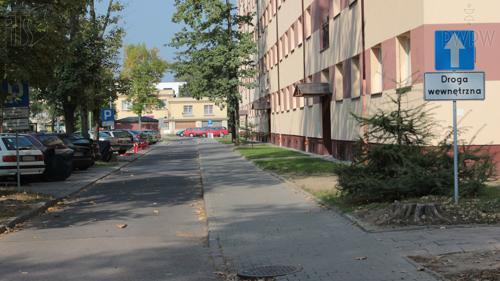
Can you perform a reverse manoeuvre on a one-way road?
A: Yes
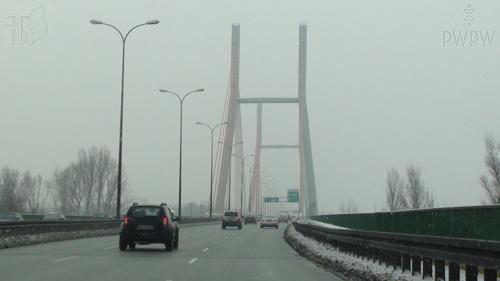
Is it permitted to perform a reverse manoeuvre on a bridge, if you exercise special caution?
B: No
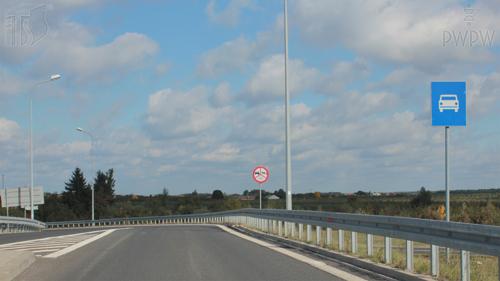
Is it forbidden to perform a reverse manoeuvre on a single lane expressway?
A: Yes
Can you perform a reverse manoeuvre on a motorway if you turn on the vehicle's hazard lights?
B: No
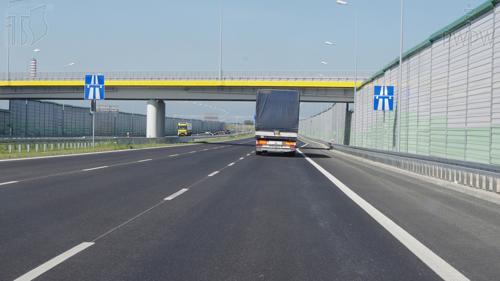
Can you reverse the car on the road once you go past this sign?
A: Yes
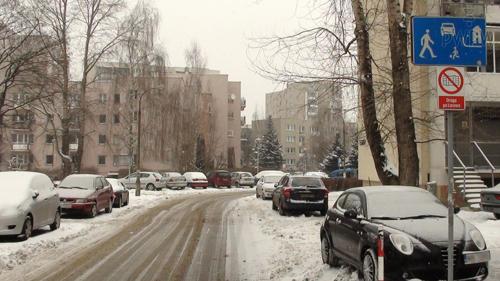
In this situation, have you performed an overtaking manoeuvre?
B: No

Is it forbidden to perform a reverse manoeuvre on a bridge?
A: Yes
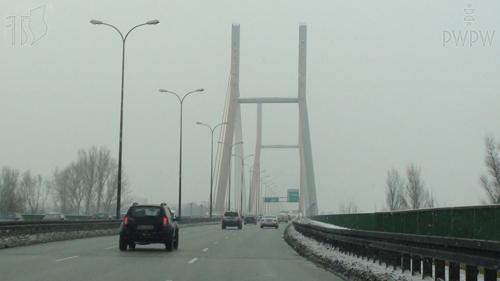
Is it permitted to perform a reverse manoeuvre on an express road?
B: No
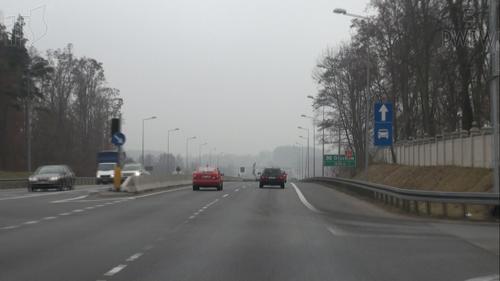
Is it forbidden to perform a reverse manoeuvre on an express road?
A: Yes
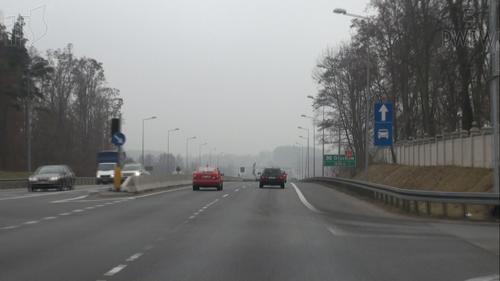
In this situation, can you bypass the car visible on the right?
A: Yes

In this situation, can you bypass the car in front of you?
B: No

Are you allowed to reverse beyond this information sign?
B: No

In the presented situation, should you increase the distance when passing these vehicles?
A: Yes

In this situation, when driving past the stationary vehicle are you performing an evasive manoeuvre?
B: No

Are you performing an evasive manoeuvre when driving past the cyclist?
B: No
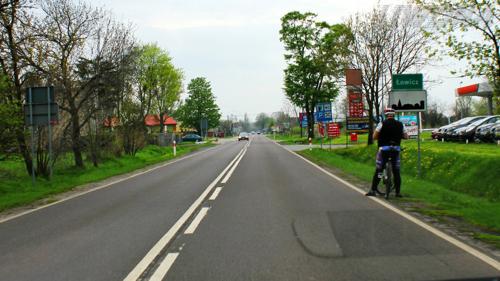
Are you permitted to perform a reverse manoeuvre in this situation?
B: No
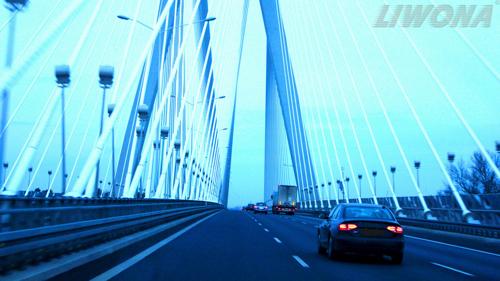
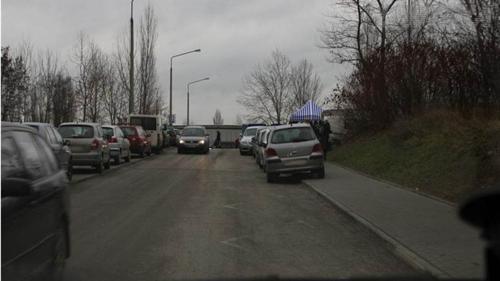
Is it prohibited to reverse on a one-way road?
B: No
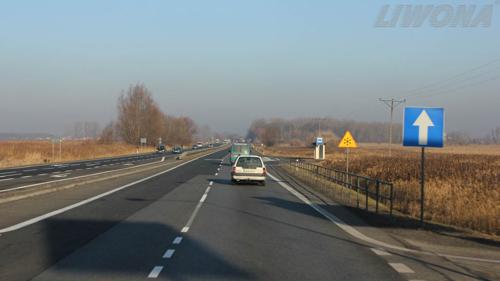

Do they cars coming in the opposite direction have the right of way in this situation?
A: Yes

In this situation, are you performing an evasive manoeuvre when driving past a stationary public transport vehicle?
A: Yes

Is it prohibited to reverse a vehicle in a tunel, on the bridge and flyover?
A: Yes
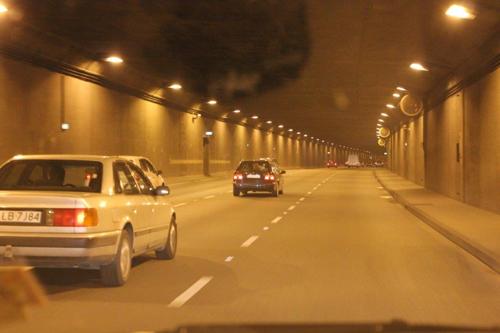
Is it prohibited to reverse on a two-way road?
B: No

When passing by a vehicle in the presented situation, are you obliged to exercise special caution and anticipate that someone from the bus may run into the roadway?
A: Yes

In this situation, are you obliged to keep a safe distance from the horse-drawn vehicle you are driving past?
A: Yes

Should you exercise caution in this situation and keep a safe distance from the passing vehicle coming from the opposite direction?
A: Yes

Are vehicles, which carry children to schools and pre-schools allowed to stop in the place marked by this bus stop line?
A: Yes
org.jpg)
Are you obliged in this situation to signal parking of the damaged agricultural tractor?
A: Yes
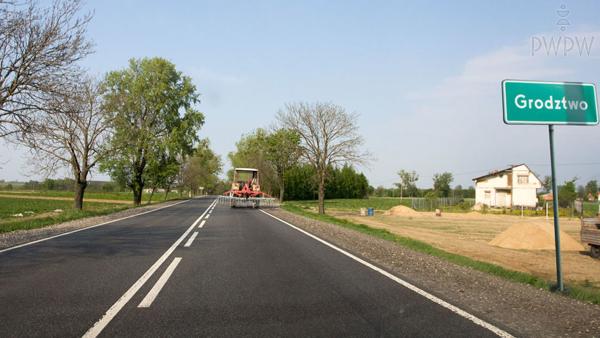
Are you allowed to park your vehicle for 5 minutes beyond this sign?
B: No
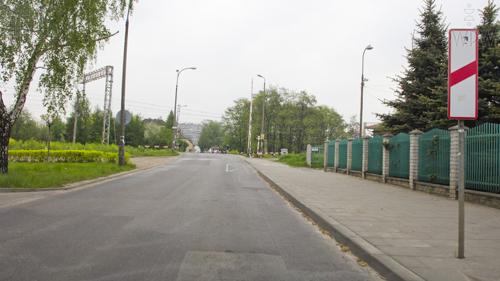
When leaving the tram during a stop at the tram terminus, should you protect it from being started by an unauthorized persons?
A: Yes
Are you obliged in this situation to signal the stop of the damaged combination vehicle?
A: Yes
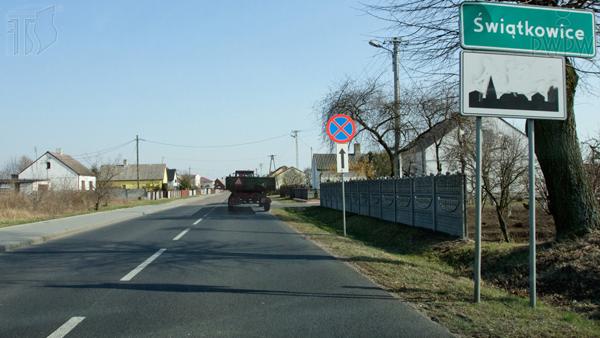
During a stop at the terminus, are you allowed to leave the tram without securing it?
B: No
Taking into account the order to secure vehicles during stops, should all the doors remain closed when the tram driver is in the cabin?
B: No
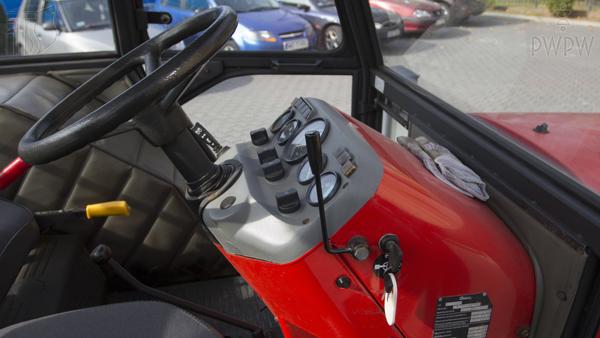
Is the tractor left unattended in the parking lot properly protected against being started by unauthorized person?
B: No
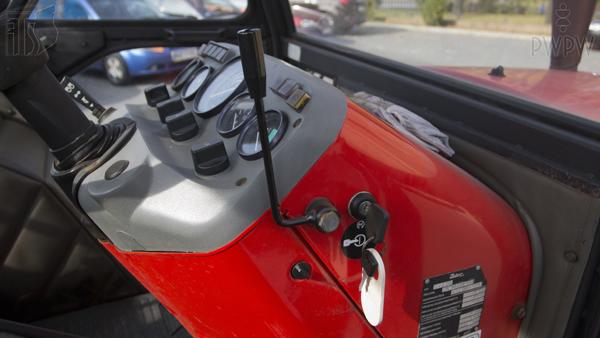
Are you allowed to move away from the parked tractor, if the engine is running?
B: No
Is the motorcycle left unattended in the parking lot properly protected against being started by unauthorized person?
B: No
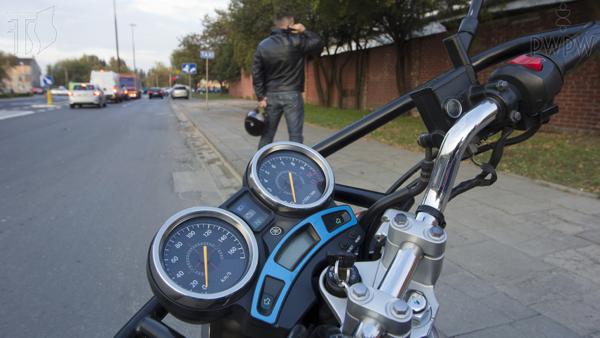
Are you allowed to move away from the parked motorcycle, if the engine is running?
B: No
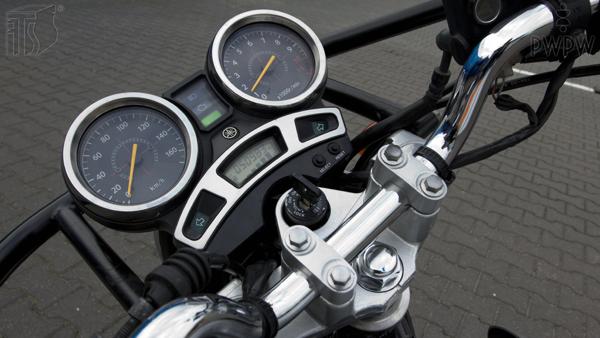
Is the bus left unattended in the parking lot properly protected against being started by unauthorized person?
B: No
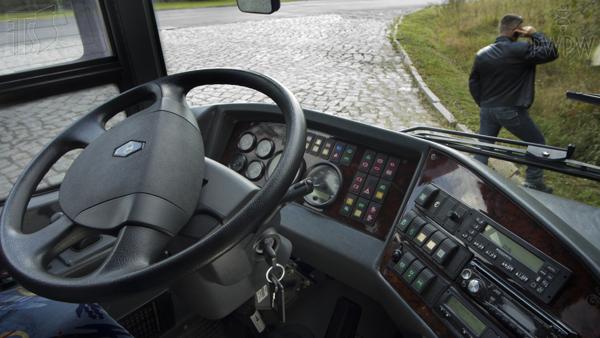
Is the vehicle left unattended in the parking lot properly protected against being started by unauthorized person?
B: No
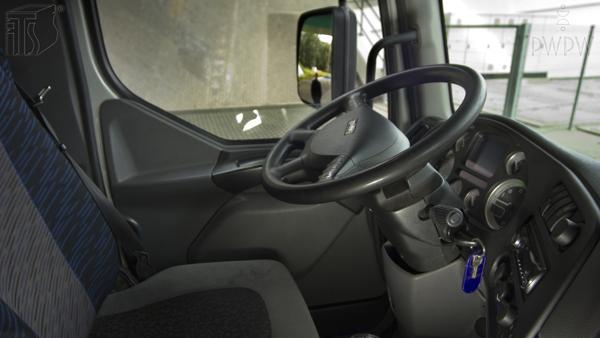
Are you allowed to move away from the parked vehicle, if the engine is running?
B: No
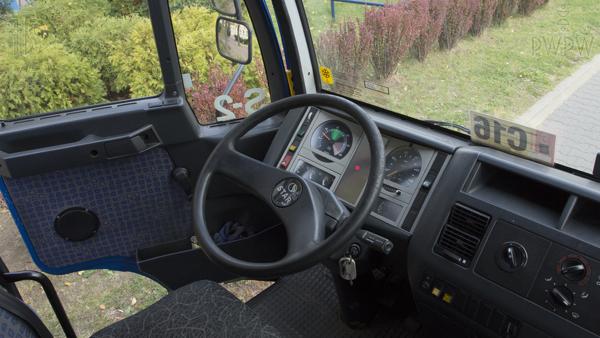
Are you allowed to move away from the parked bus if the engine is running?
B: No
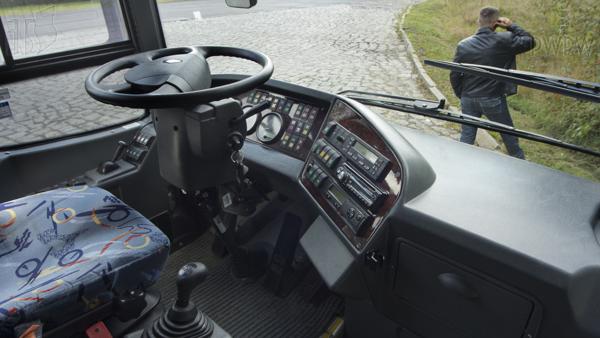
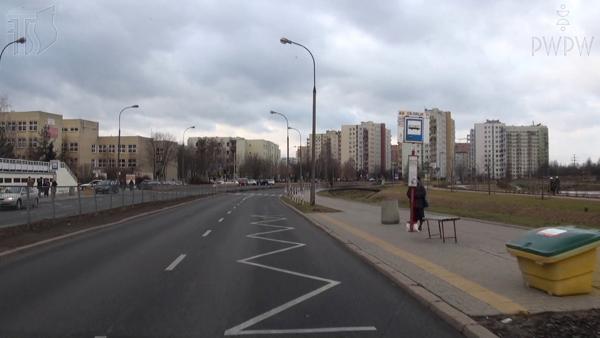
Can you stop in the spot designated as a stop area (a zigzag line)?
B: No
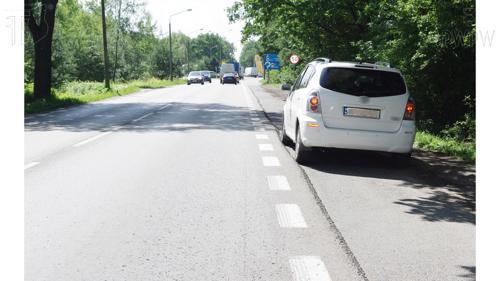
If you park a broken-down car outside a built-up area, are you obliged to place a warning triangle immediately behind the car or on it?
B: No
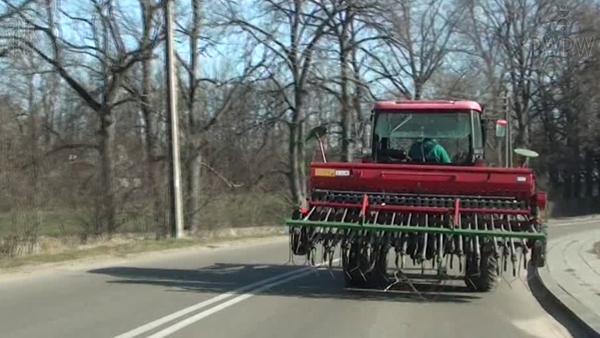
Can you leave a tractor without supervision, if the equipment attached to it are raised?
B: No.
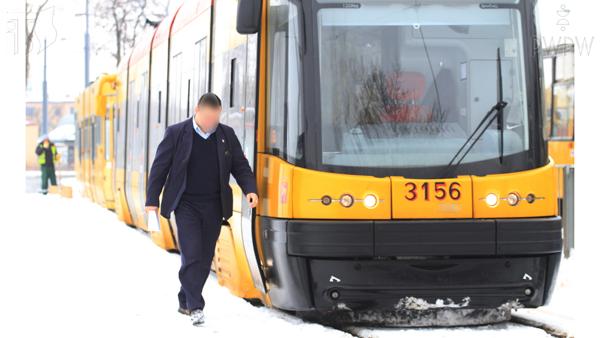
Are you obliged to secure the tram from self-moving, if you intend to move away from it?
A: Yes
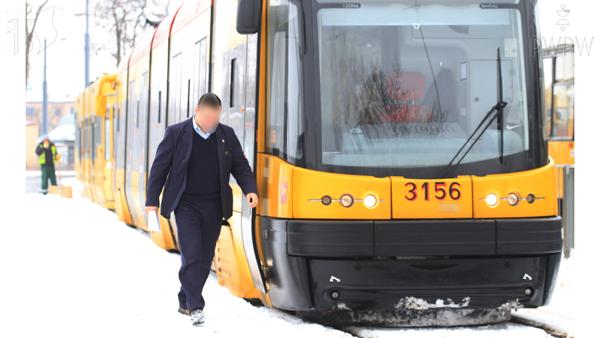
Prior to moving away from the tram, are you obliged to secure it from being started by an unauthorized person?
A: Yes
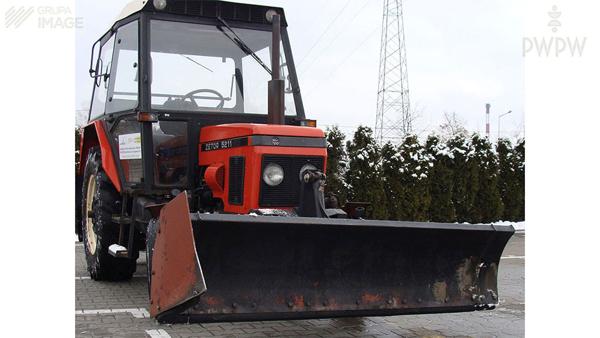
Is it allowed to leave a parked agricultural tractor with the plough raised?
A: No.
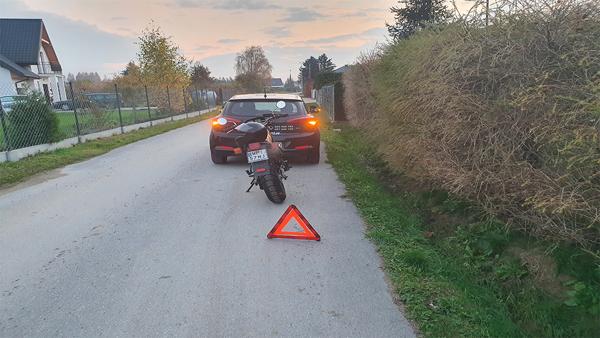
In this situation, are you allowed to stop on the roadway?
B: No

In this situation, are you allowed to stop the vehicle at the shoulder?
B: No
In the presented traffic situation, can you stop at the side of the road?
B: No

Are you allowed to make a stop at the left edge of a low-traffic two-way street in a built-up area?
A: Yes

Is it only permitted to stop in the designated areas, in the area you have entered?
A: Yes

Are you obliged to signal a car parked because of a breakdown in a built-up area where it is prohibited?
A: Yes
Can you stop the vehicle in such a designated space if you are transporting a disabled person with a parking permit?
A: Yes
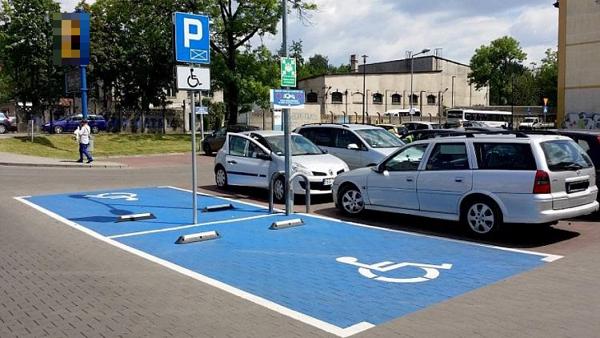
The driver of a vehicle parking next to a space designated for a disabled person's vehicle:
B: is obligated to use the parking method indicated by the road signs.
When driving a passenger vehicle and transporting a disabled person with a parking permit, you should:
C: carefully observe the road and its surroundings, ensuring to check the vehicle's mirrors as well.
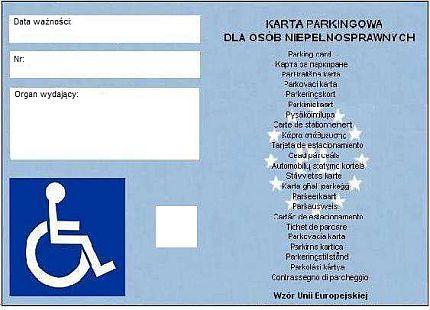
When transporting a disabled person with a parking permit, should the permit be placed behind any window of the motor vehicle?
B: No