Behavior towards cyclists and children
145 questions in this category
Polish traffic law requires drivers to exercise special caution around cyclists and children. When overtaking a cyclist, you must maintain a safe lateral distance of at least 1 meter in built-up areas and 1.5 meters outside built-up areas. Children under 10 years old may not be on the road unaccompanied and are treated as a special category requiring maximum vigilance from drivers.
Why This Category Matters on the Exam
Cyclist and child safety questions appear in 2-3 exam questions and reflect Poland's growing cycling infrastructure and road safety priorities. The specific passing distances were introduced in 2021 and are frequently tested. Questions about children near the road test your understanding of predictability, as children may behave unpredictably.
Common Mistakes and Tips
The minimum passing distances (1 meter in town, 1.5 meters outside) are strict legal requirements, not merely recommendations. If the road is too narrow to maintain this distance, you must wait behind the cyclist until it is safe to pass. Many candidates forget that bicycle lanes separated by a continuous line may not be driven on or blocked by stopped vehicles. When you see children near the road, especially near schools or playgrounds, you must reduce speed and be prepared for sudden movements into the roadway. A child under 10 on the road without an adult supervisor is itself a danger signal requiring immediate speed reduction. Cyclists in Poland may ride two abreast under certain conditions, and this is legal, so do not flash or honk aggressively. When turning right, always check for cyclists in the bike lane who are continuing straight.
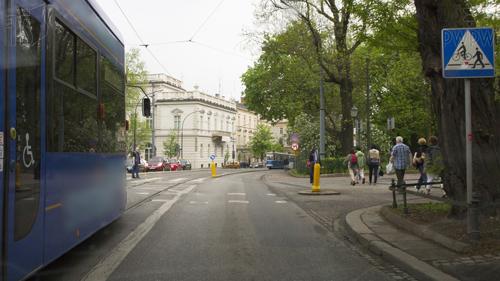
Should you take into account that the cyclist may emerge from behind the tram in this situation?
A: Yes
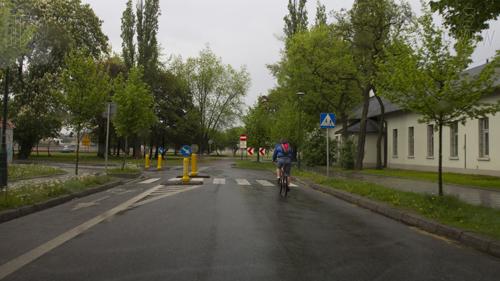
Can you attempt to overtake a cyclist in this situation?
B: No
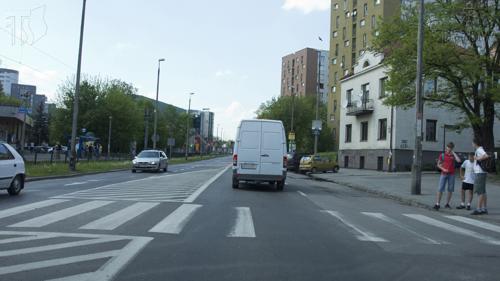
Was refraining from overtaking the cyclist proper in this situation?
A: Yes

Should you slow down in this situation?
A: Yes
Should you move away from the right edge of the roadway?
A: Yes
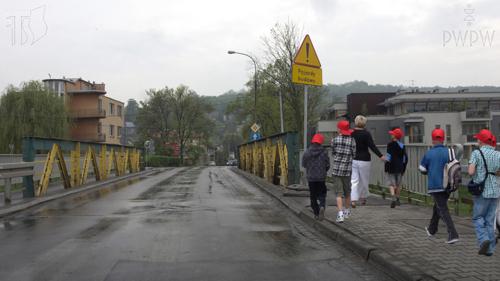
Should you begin braking in the presented situation?
A: Yes

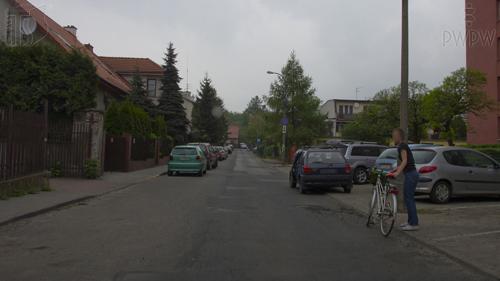
Should you take into account the possibility of a cyclist entering the road in this situation?
A: Yes
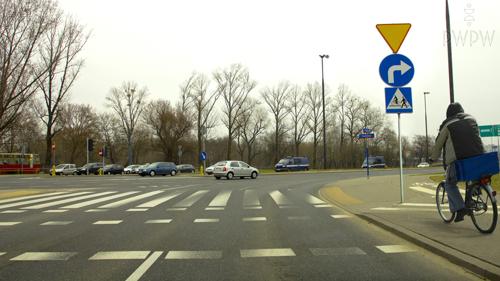
Is overtaking a cyclist forbidden in this situation?
B: No
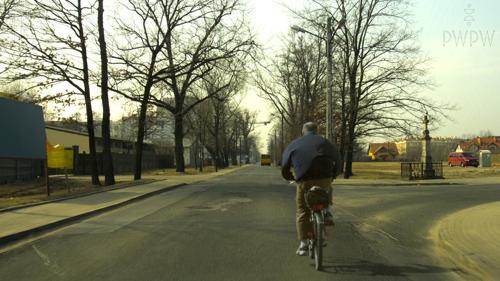
You are driving on the major road. Do you have the right of way over the cyclist in this situation?
B: No
org.jpg)
Do you have the right of way over the cyclist in this situation?
B: No
org.jpg)
Should you be prepared to stop your vehicle in this situation?
A: Yes
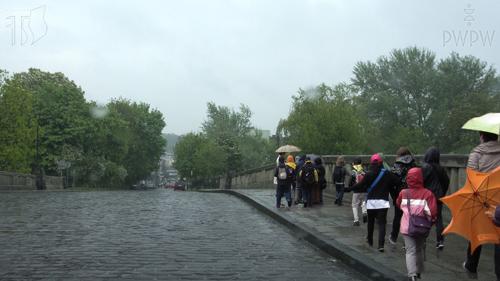
In this situation, are you obliged to exercise special caution?
A: Yes

In this situation, if you turn left, are you obliged to give the right of way to the cyclist going straight?
A: Yes

In this situation, if you turn left, do you have the right of way over the cyclist going straight?
B: No

In this situation, while overtaking, can you drive into the space between the bicycles riding in a column formation?
B: No

In this situation, is it forbidden to overtake the cyclist?
B: No

Can the person riding the bicycle overtake the slowly-moving vehicles on their right?
A: Yes
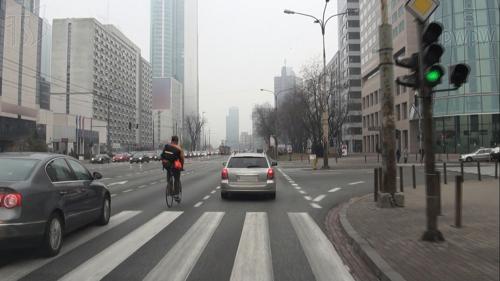
In this situation, can you overtake the cyclist if you keep to the distance of 0.5 m?
B: No

In this situation, is it forbidden to overtake the cyclist if you keep to a distance of approx. 0.5 m?
A: Yes

In this situation, do you have to apply the rule of limited trust?
A: Yes
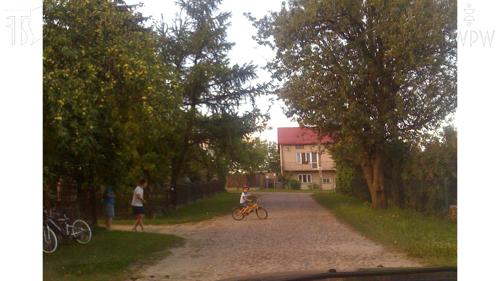

In this situation, going past a cyclist, do you have to exercise special caution?
A: Yes


Should you take into consideration the probability of the pedestrian bursting onto the road in this situation?
A: Yes
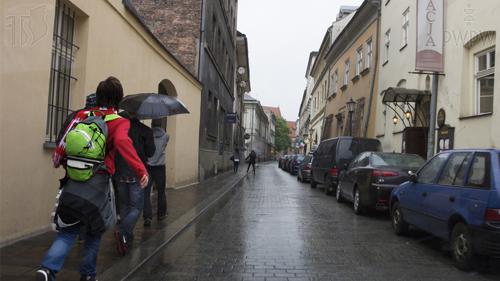
While overtaking a cyclist in conditions of limited visibility, outside a built-up area, should you use short horn signals?
A: Yes
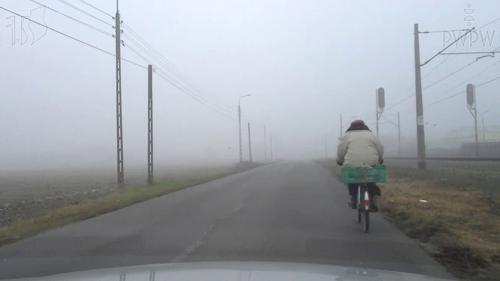
In this situation, are you required to give way to the cyclist?
B: No

In this situation, are you obliged to observe the cyclist's behaviour carefully?
A: Yes

In the presented situation, are you allowed to keep the distance of 0.5 metre between your vehicle and the cyclist being overtaken?
B: No

In this situation, do you have priority over the cyclist after turning right?
B: No
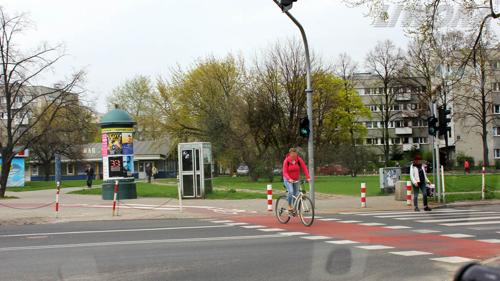
In this situation, are you obliged to use the sound signal to urge the cyclist to drive faster?
B: No
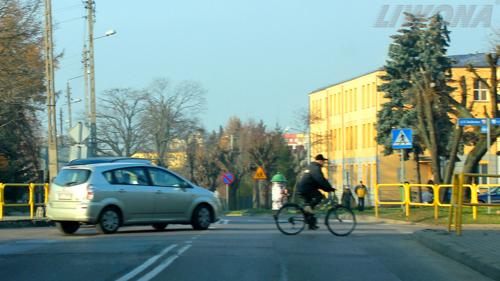
Upon turning right at this intersection, are you obliged to stop before the traffic light?
A: Yes


In the presented situation, when turning right should you yield priority to the cyclist?
A: Yes

When driving slowly during a traffic jam, should you anticipate that a cyclist may overtake you from the right?
A: Yes
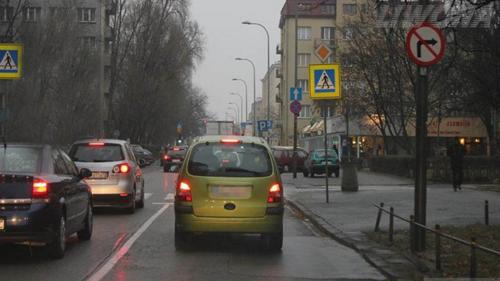
Upon turning right in this situation, should you yield priority to the cyclist?
A: Yes
In this situation, should you allow a pedestrian to freely exit the pedestrian crossing?
A: Yes
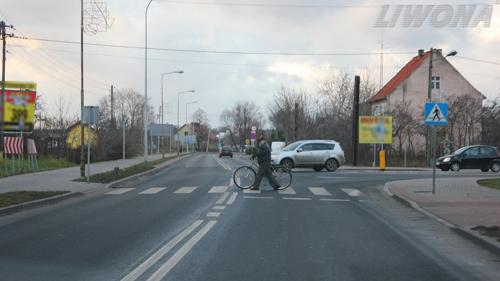
Must you always stop when approaching a road designated to bicycles?
B: No

Is it prohibited to overtake cyclists at all intersections?
B: No

In the presented situation, do you see the end of a traffic lane for cyclists?
A: Yes

In this situation, the minimum distance you should keep from the cyclist when overtaking is 1 m?
A: Yes
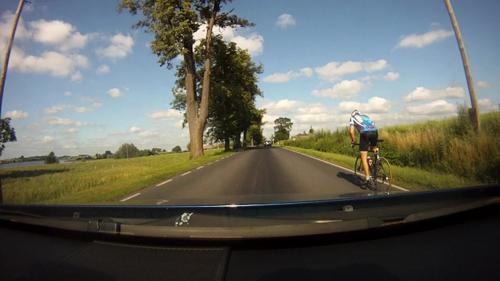
In the presented situation, do you yield priority to the cyclist?
A: Yes
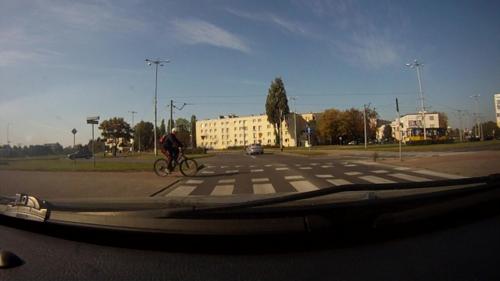
In this situation, are you obliged to observe the cyclist's behaviour?
A: Yes

In this situation, are you obliged to use the sound signal to warn children not to run into the roadway?
B: No

Do you have to exercise extra caution when overtaking the cyclist?
A: Yes

Are you approaching a bicycle crossing in the presented situation?
B: No
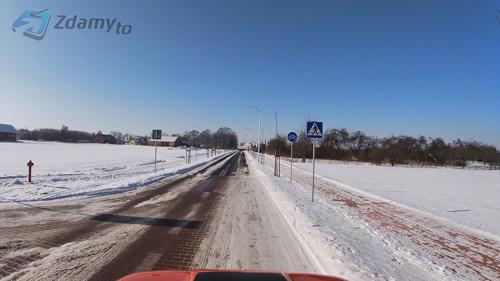
Can you allow passengers leave the tram during a prolonged breakdown, even if this might impede traffic and expose them to danger?
B: No
In what situations, can a tram driver let a passenger in a hurry in or out of the tram?
B: Only if the passenger is standing at the tram stop.
In which places can a tram driver let passengers in or out of the tram?
B: At the tram stop.
In which place can the tram driver let passengers off due to lengthy traffic impediments?
C: In a place where there is no risk to passengers and road traffic.
What should a tram driver do, if the passengers upon entering the tram, do not want to close the doors and their professional repair is necessary.
A: Ask all the passengers to leave the tram and drive the empty tram back to the depot.
What should the tram driver take into account when towing a damaged tram?
B: A prolonged braking distance
In what situation can a tram drive start driving, if the passengers have not moved away from the edge of the tram stop.
B: On condition that he exercises particular caution.
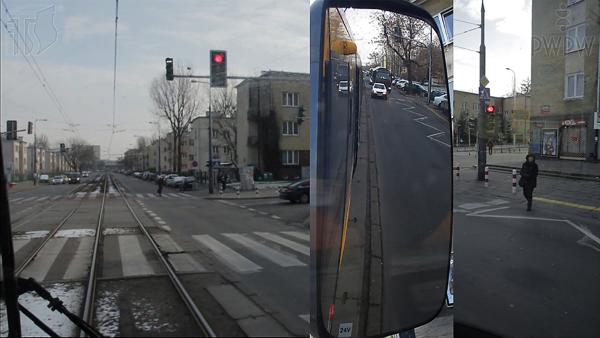
What should a tram driver do in this situation, immediately after stopping the tram at the tram stop?
A: Make sure, using the right exterior mirror that vehicles did not stop on the roadway.
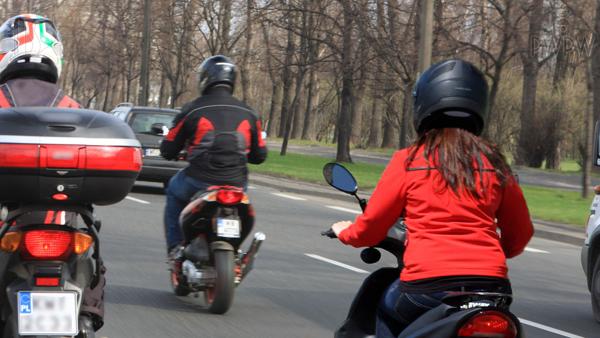
What's the maximum number of mopeds that can form an organized column?
A: 10
What should you do before you carry a passenger on a motorcycle?
B: I will instruct the passenger as to how he should behave on a motorcycle.
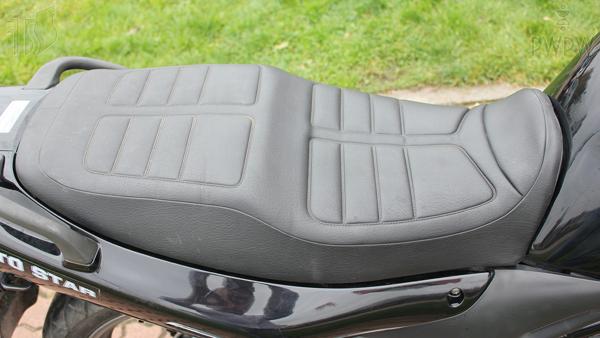
What should you do before you carry a passenger on a moped?
B: I will instruct the passenger how he should behave on a moped.
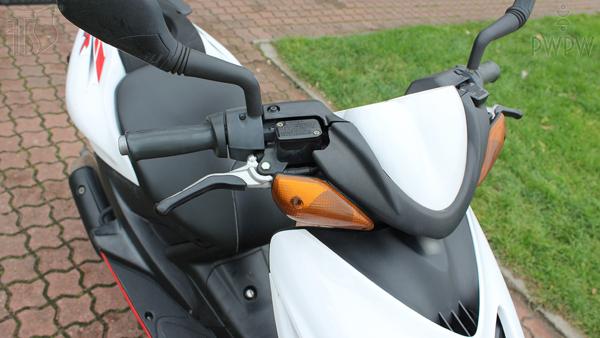
When you ride a motorcycle with a side car, can you carry a passenger who has consumed alcohol?
A: Yes, in the side car.
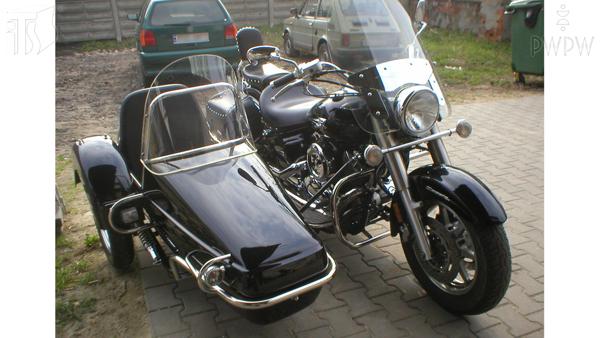
If you ride a motorcycle that is not factory equipped with safety belts, can you carry a passenger without a helmet?
C: No.
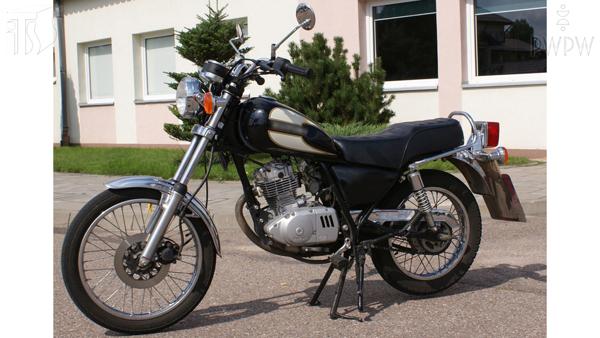
How should you transport a ten-year-old child on a two-seat motorcycle?
A: Wearing a helmet, on the passenger's seat.
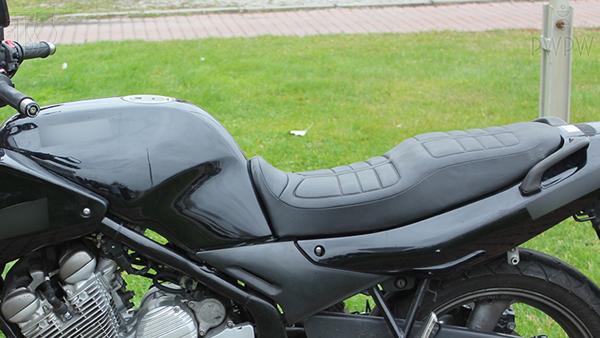
What's the maximum length of a combination vehicle consisting of a motorcycle and a trailer?
B: 4 m.
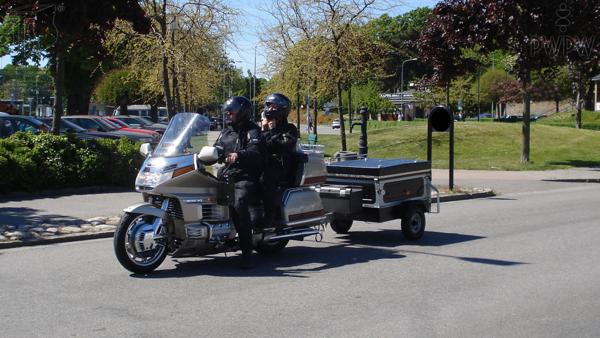
How can you place a load transported on a moped?
B: By securing it against displacement.
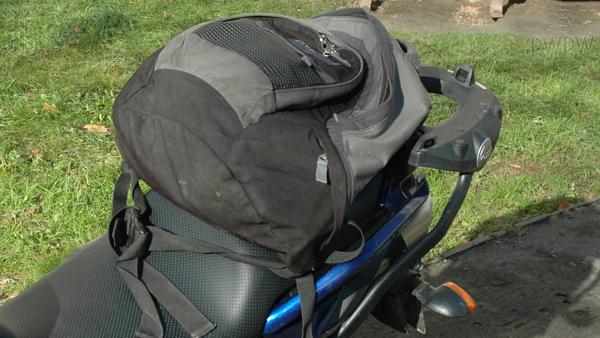
When you ride a moped, can you transport a passenger that has consumed alcohol?
A: No, under no circumstances.
If you ride a moped, can you carry a passenger without a helmet?
C: No, under no circumstances.
What must you not allow a passenger to do when you transport him on a moped?
C: To travel without a helmet.
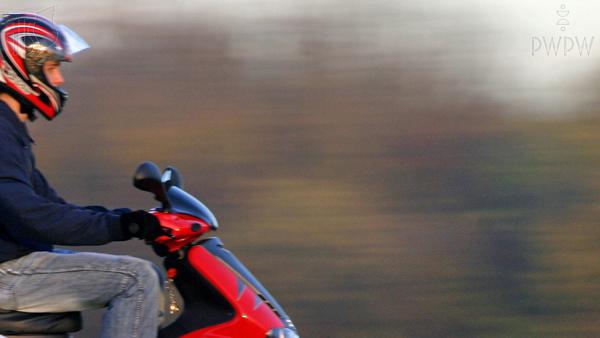
How can you place a load transported on a motorcycle?
B: By securing it against displacement.
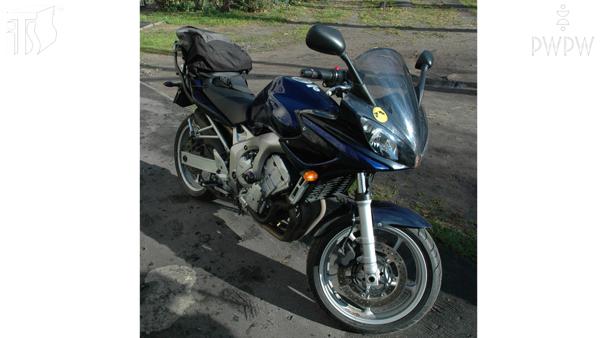
What must you mostly pay attention to when you secure a load being transported on a motorcycle?
A: That it is fixed in such a way that it does not affect the stability of the motorcycle.
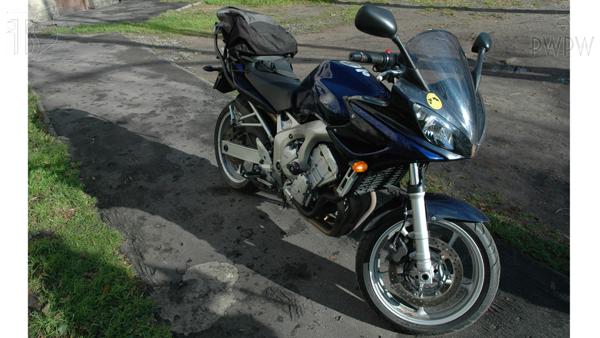
Can you tow another motorcycle with your motorcycle?
A: Yes, by using a flexible coupling providing for easy disconnection.
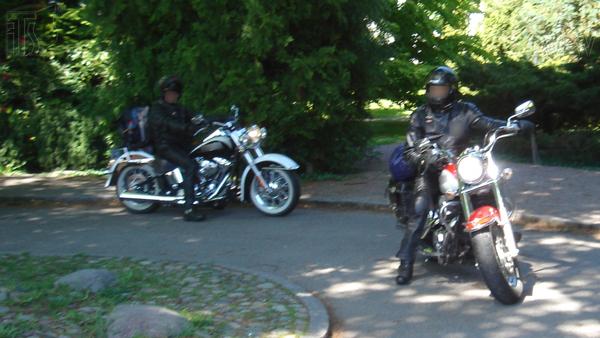
Is it permitted to tow a motorcycle?
C: Yes, if you use a flexible coupling providing for easy disconnection.
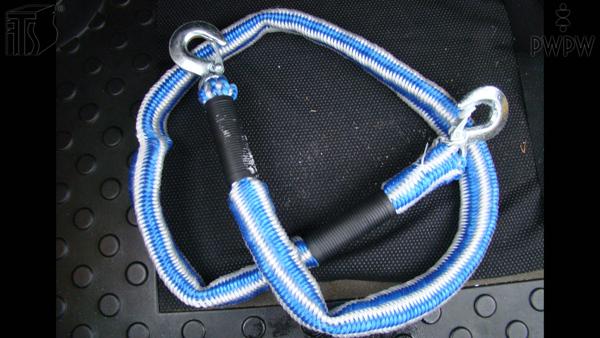
When you ride a single-track motorcycle, can you transport a passenger who has consumed alcohol?
C: No.
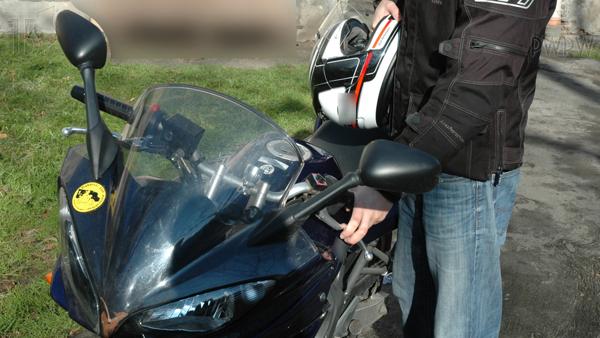
If you ride a single-track motorcycle, can you transport a passenger who is intoxicated?
A: No.
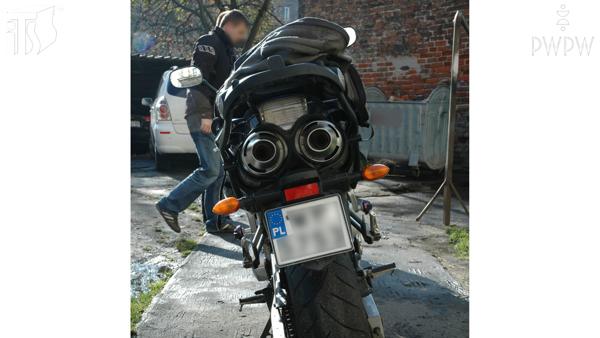
If you ride a moped, can you transport a passenger who is intoxicated?
A: No.

What's the maximum length of a combination vehicle consisting of a moped and a trailer?
B: 4 m.
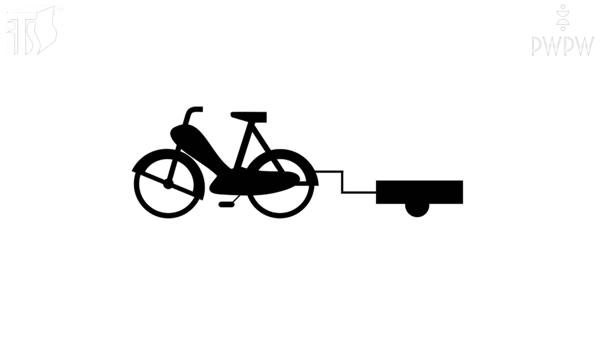
What must you mostly pay attention to when you secure a load to be transported on a moped?
A: That it is fixed in such a way that it does not affect the stability of the moped.
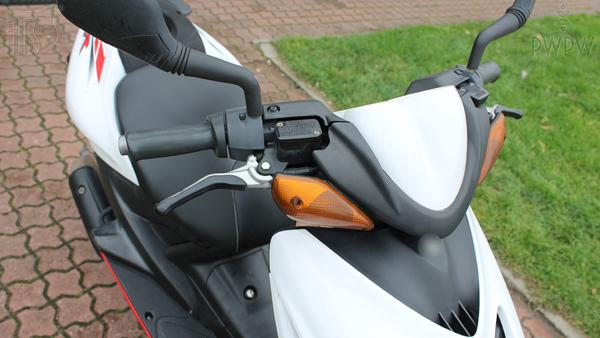
How many persons, constituting a team of labourers, can you transport in a trailer pulled by a tractor?
C: 5
Which of the following groups of people can you transport in a trailer pulled by a tractor?
C: 4 persons performing loading activities, going in a standing position holding on to handles.
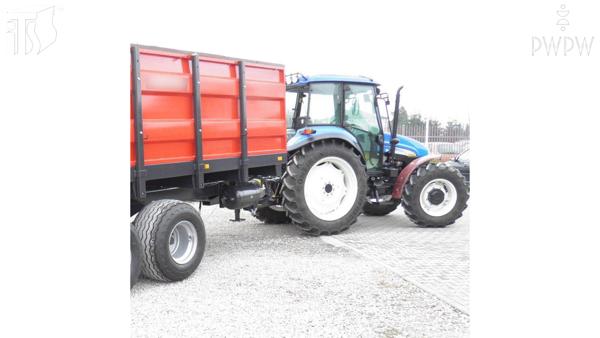
Which of the following vehicles can you tow with a tractor?
C: A motorcycle, by using a flexible coupling, providing for easy disconnection.
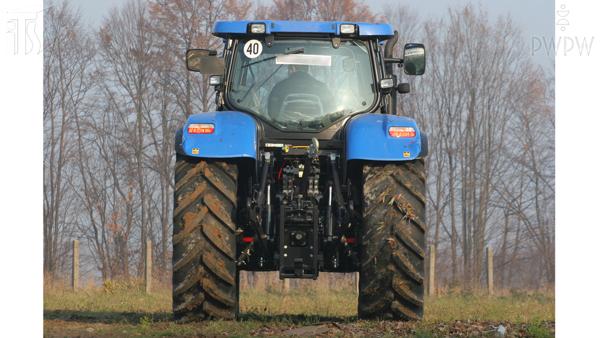
How should you transport loose cargo?
A: In a tight container, with appropriate covers.
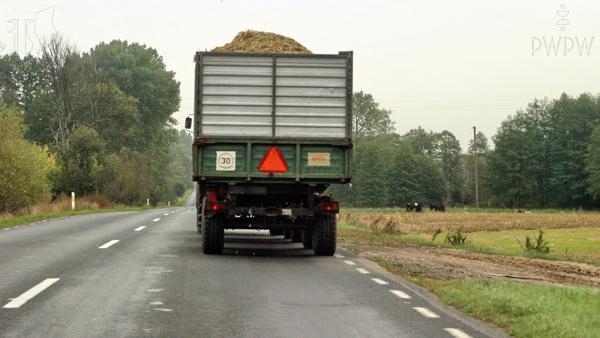
Can you transport a load on the trailer of a tractor that exceeds its recommended capacity?
C: No.
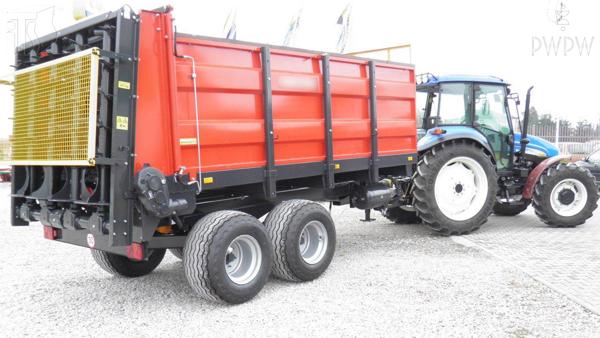
Are you allowed to carry a passenger in a tractor?
B: Yes, in the passenger seat.
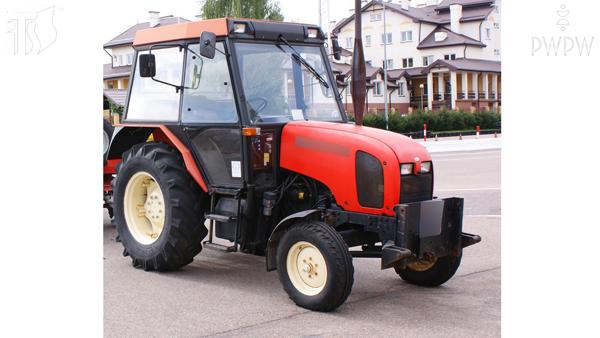
Where on a vehicle should the warning sign be placed to indicate transport of dangerous goods?
C: Both at the back and front.
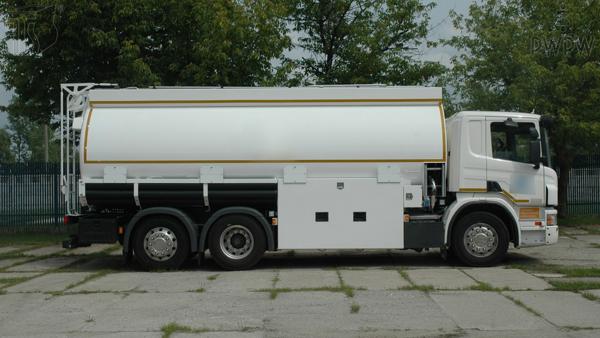
How many passengers can you carry in a public transport bus?
C: As many as specified by a note indicating the permitted number of seats and standing places.
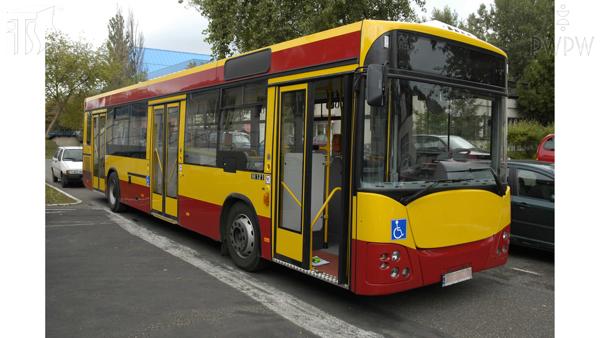
Should an adult person transported in a bus, sitting in a seat equipped with safety seat belts, use such seat belts?
A: Yes.
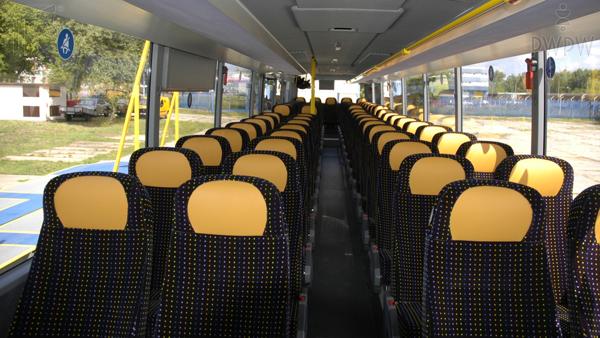
What may be the total weight of people and their luggage transported in a bus?
A: As much as the maximum gross capacity of the bus.
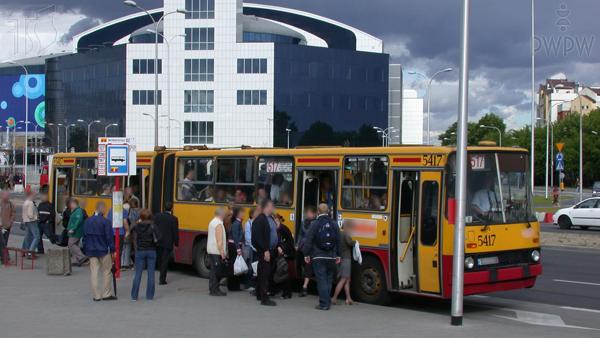
Where should luggage be transported in a tourist bus?
C: In the luggage hold.
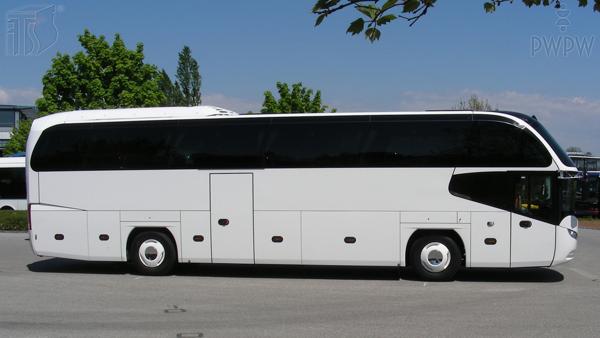
How should luggage be transported in a tourist bus if it has sharp edges?
B: In the luggage hold.
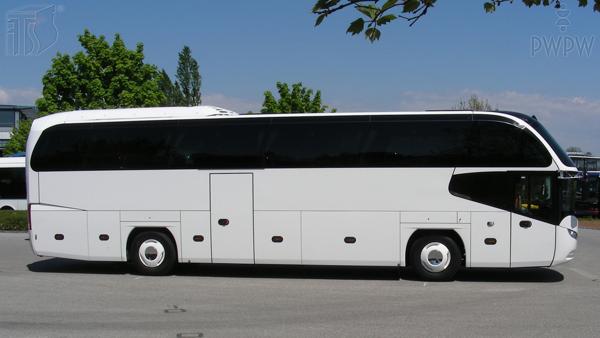
Are you obliged to make sure that all passengers have left the tram, before entering into the depot?
A: Yes
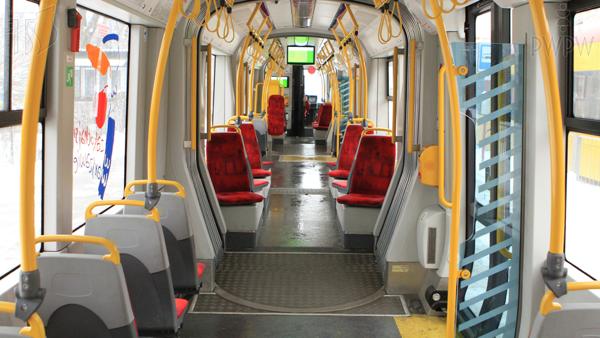
Are you allowed to enter the premises of the depot without making sure that all passengers have left the tram?
B: No
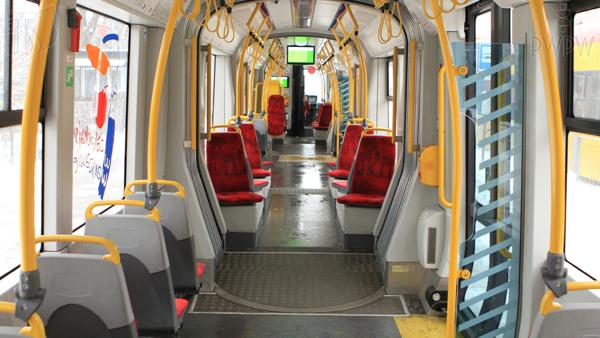
What should you remember to do before you start towing tram carriages damaged due to a collision?
C: To couple in a way that prevents uncoupling while driving.
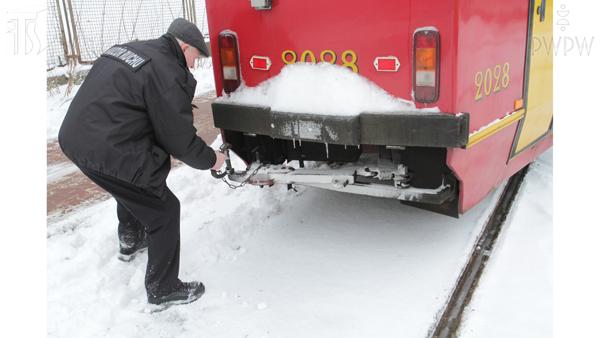
What should you remember before you go about pushing tram carriages damaged due to a collision?
B: To discharge the brake release in the damaged carriage.
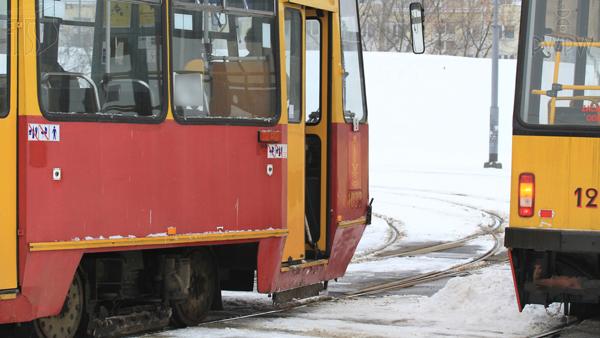
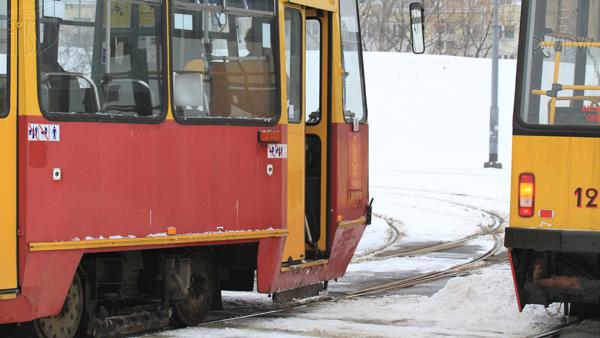
What should you remember when pushing tram carriages damaged as a result of collision?
A: To prolong the braking distance.
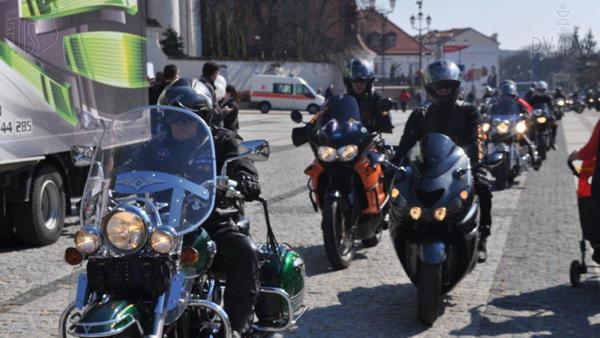
What is the maximum number of motorcycles which may ride in an organized column?
A: 10
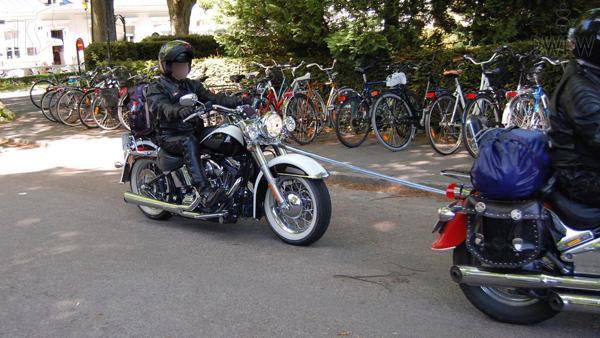
Can you ride a towed motorcycle if you do not hold a motorcycle licence?
A: No.
What must you not allow a passenger to do when you transport him on a motorcycle?
C: To travel without a helmet.
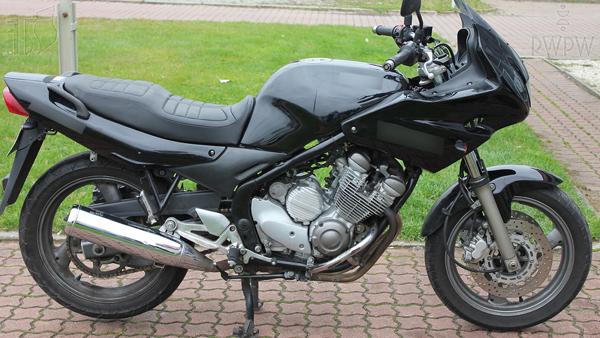
Is it allowed to carry an intoxicated passenger:
C: Yes, in a sidecar.
You intend to haul a motorcycle by means of another motorcycle. How should both vehicles be connected?
B: With a flexible connection device, in a manner allowing for easy disengagement.
Gross vehicle weight of a trailer pulled by a motorcycle must not exceed:
A: the kerb weight of the motorcycle; however, it must not be larger than 100 kg.
Are you allowed to transport people in a trailer pulled by a lorry?
C: No, it is prohibited unless the persons are being carried by vehicles of certain services, e.g., the Police.
Which of the following conditions must be met for you to carry persons outside the driver's cab in a lorry?
B: Persons are being carried on seats.
Any long wood may protrude from the back part of a timber transport trailer at a distance not larger than:
B: 5 m.
When are you required to mark a load that protrudes beyond the front surface of the extreme outline of a lorry?
A: Always.
What should be the colour of a flag for marking a load protruding from the front part of a lorry?
B: Orange.
Which of the following activities is prohibited if you are carrying persons outside the driver's cab in a lorry?
C: Eating.
It is prohibited to haul:
B: a bus with a trailer.
Are you allowed to haul a lorry with a trailer by means of a bus?
C: No.
How are you allowed to carry persons in the trailer of a trackless train?
C: Only on seats.
Are you allowed to carry a passenger under the influence of substances with similar effects as alcohol on a single track motorcycle?
C: No.
In what conditions are you allowed to carry an intoxicated passenger on a motorcycle?
B: Only when the person is carried in a sidecar.
When driving on a public road, can you carry in a trailer pulled by an agricultural tractor a cargo exceeding its permissible loading capacity?
B: No.
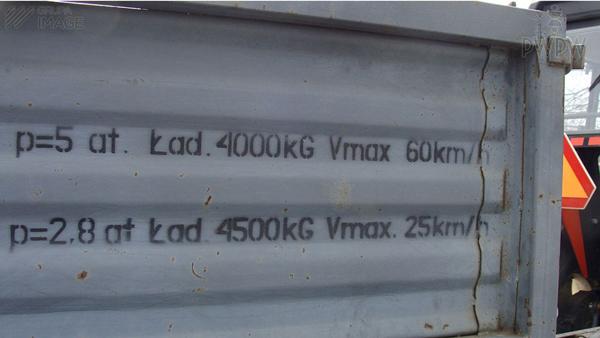
In what circumstances should a cargo protruding from the back of a trailer pulled by an agricultural tractor be marked?
A: If it protrudes over 0.5 meter behind the rear surface contour of the vehicle.
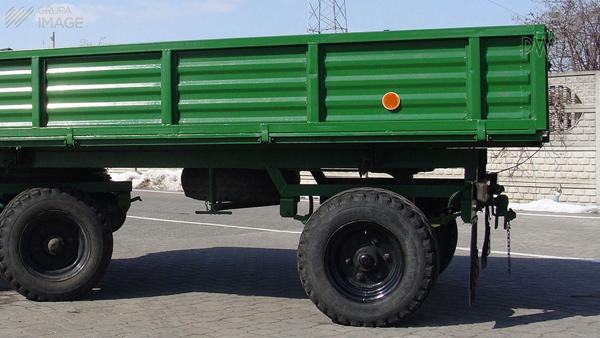
How many persons are you allowed to carry on an articulated bus used for public transport?
B: Not more than the capacity specified in the registration card.
What is the maximum number of persons that you are allowed to carry in a tourist bus?
B: As many as the seating and standing capacity specified in the bus registration card.
A load carried must not protrude from the front of the vehicle at a distance:
C: longer than 0.5 m from the front surface of its outline and longer than 1.5m from the driver’s seat.
Which of the following rules should you apply when placing or fastening a load in a lorry?
A: The center of gravity of the whole load should be as close as possible to the longitudinal axis of the vehicle.
How does the centre of gravity of a load affect the method of securing the load?
B: The high centre of gravity of the load may require the use of additional techniques to secure the load.
You can ride a motorcycle in an organized column provided that it does not exceed:
B: 10 vehicles.
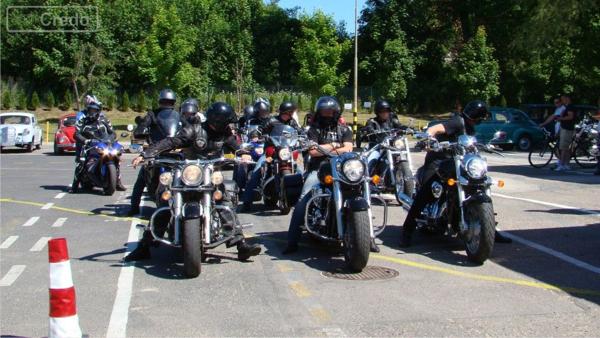
Are you allowed to carry a child over 150 cm in height in the front seat of a lorry cabin?
A: Yes.
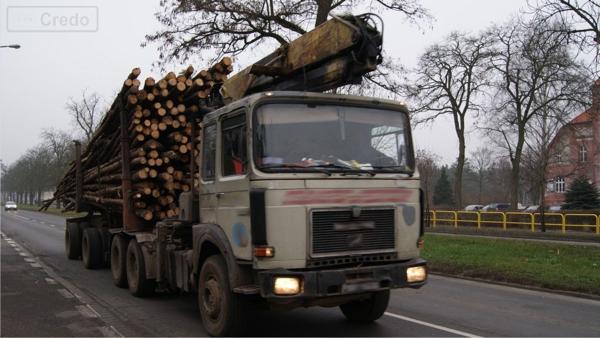
Carrying a child seated in a rear-facing position in a child restraint system fitted in the front seat of a vehicle equipped with an airbag is:
A: Permissible if the airbag is not enabled during transport.
Transporting a child under the age of 3 in a passenger car is:
B: Permitted if the vehicle is fitted with safety belts and a child safety seat.
Carrying a child under the age of three in a passenger car not equipped with a seat belt and a child safety seat or with a seat belt and other child restraint is:
A: Prohibited
Transporting a child in the front seat of a car without a child safety seat is:
A: Prohibited if the child is less than 150 cm tall.
The obligation to use seat belts:
B: Does not apply to a child under 3 years old transported by bus.
A child less than 150 cm tall, transported in a passenger car equipped with seatbelts, should be seated in a child safety seat appropriate to:
A: The weight and height of the child and the appropriate technical conditions specified in EU legislation.
If two children are being transported in the rear seat of a passenger car in safety seats and it is not possible to install a third safety seat, then:
B: The third child may be transported if it is at least 3 years old and is restrained by means of a seat belt.
Transporting a child restrained by a seatbelt in the rear seat of a passenger car is:
A: Permissible if the child is at least 135 cm tall and it is impossible to provide the child with a safety seat because of its height and weight.
Is it permitted to carry a child at least 135 cm tall and protected only by seat belts in the front seat of a vehicle?
B: No, because the rules on the transport of children permit the transport of children at least 135 cm tall without a safety seat or other child restraint system only in the rear seat of the vehicle.
What is the maximum front overhang of a load transported in a motor vehicle, counting from the driver's seat?
B: 1.5 m.
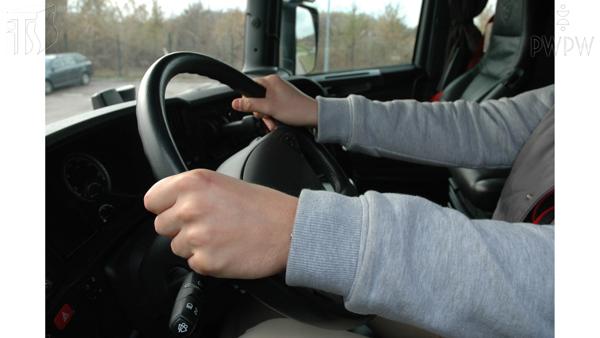
Are you allowed to carry loose material in a lorry, when the vehicle height together with the load is 4.5 m?
C: No, it is forbidden on all roads.
You are carrying a load of 3m in width in a lorry of 2.55m in width. How far can the load protrude from one side of the vehicle?
C: 23 cm.
Can a cargo cause a truck to exceed the maximum permissible capacity of the vehicle?
C: No.
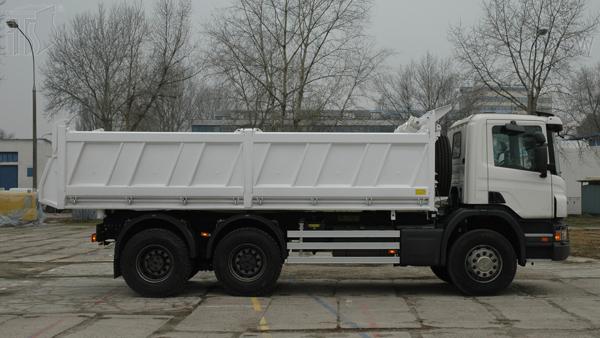
How should a load be placed in a truck?
C: In a way, so that it does not affect the stability of the vehicle and does not obstruct driving.
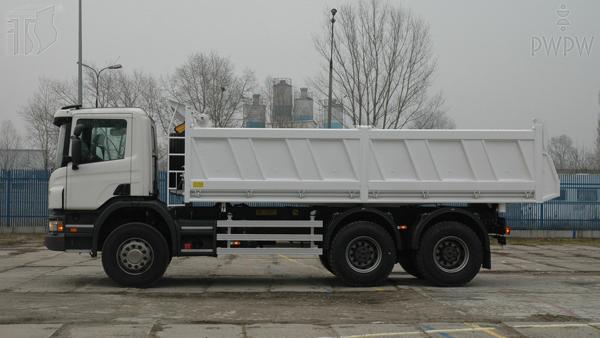
Which of the following methods of marking a load overhanging for more than 0.5 m from the rear outline of the truck is correct?
C: A plaque with white-and-red stripes with a total surface area of no less than 1000 cm2.
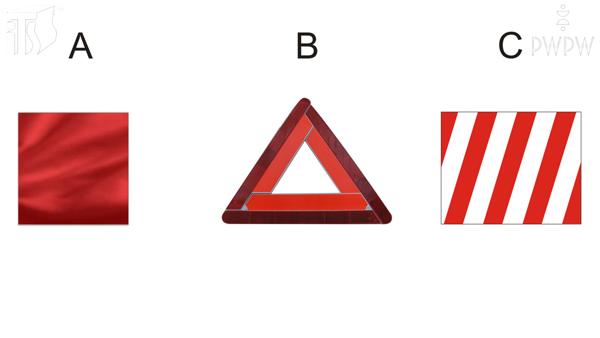
Can you drive a truck whose width, including the cargo, exceeds the maximum permissible width?
C: Yes, but provided you obtain a suitable permit.
Does the location of the centre of gravity of a load transported by a truck affect the stability of the truck?
A: Yes, it may reduce the stability of the vehicle.
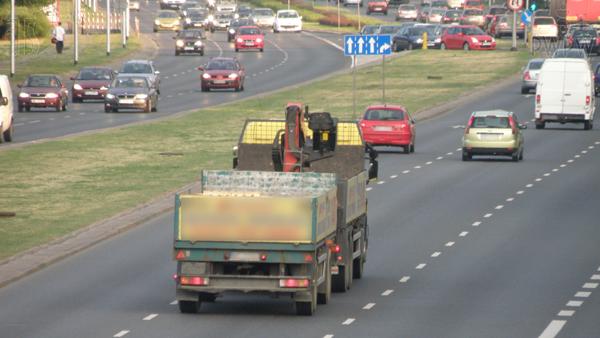
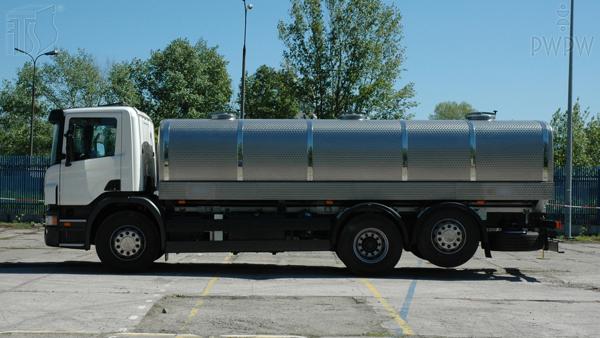
Can a liquid cargo in partly-filled containers or cisterns affect the stability of the vehicle?
C: Yes.
When you transport heavy working machines or construction equipment, are you obliged to use steel ropes and wedges?
A: Yes.
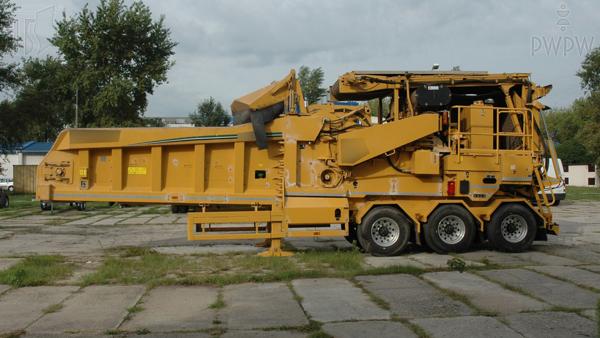
Can you drive a truck whose weight, including the cargo, is higher than the admissible weight along a given section of the road?
B: Yes, but provided that a relevant permit is obtained.
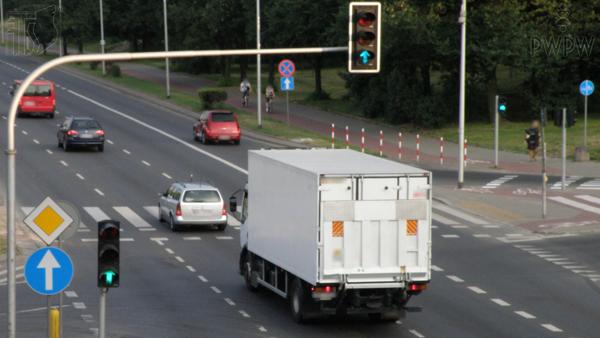
Can you drive a truck whose height, including the cargo, exceeds the permissible height?
A: Yes, but provided that a relevant permit is obtained.
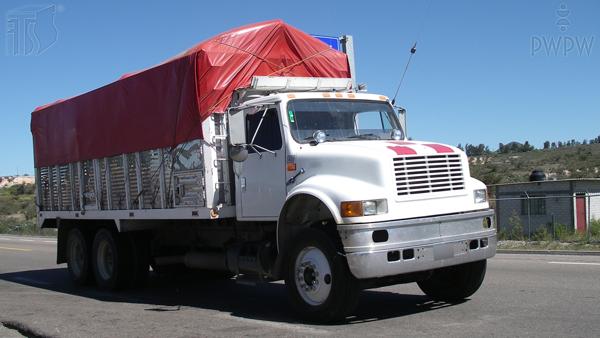
While driving a truck, in what circumstances should you make sure that the transported cargo is properly secured?
B: After an abrupt braking manoeuver.
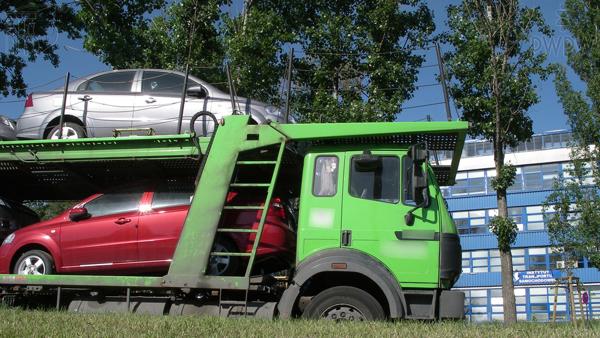
You intend to drive a truck for the purpose of transporting goods. Are you obliged to make sure that the transported cargo is properly secured?
A: Yes, you have to check the safety and correctness of cargo positioning.
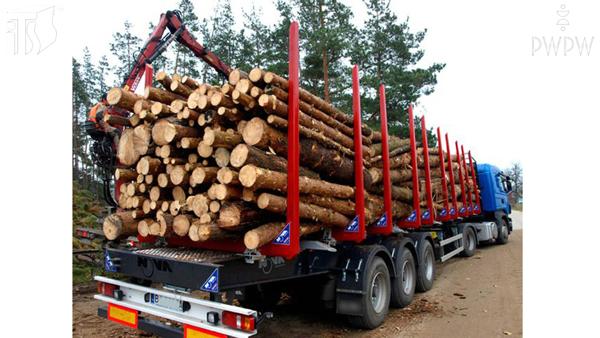
Which of the following methods of marking a load overhanging more than 0.5 m from the rear outline of the truck is correct?
B: A geometric solid with white-and-red stripes, with a total capacity of at least 1000 cm2.
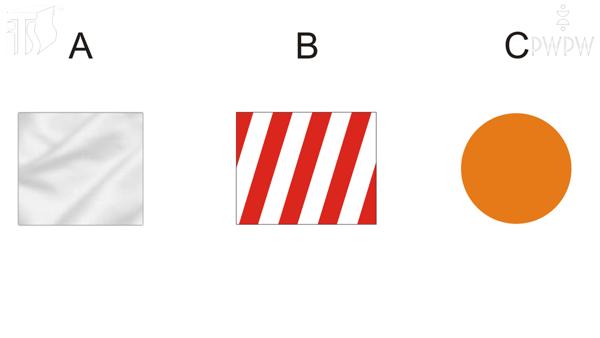
Which of the following methods of marking a load overhanging more than 0.5 m from the rear outline of the truck is correct?
A: White-and-red stripes with a total surface area of at least 1000cm2, placed directly on the load.
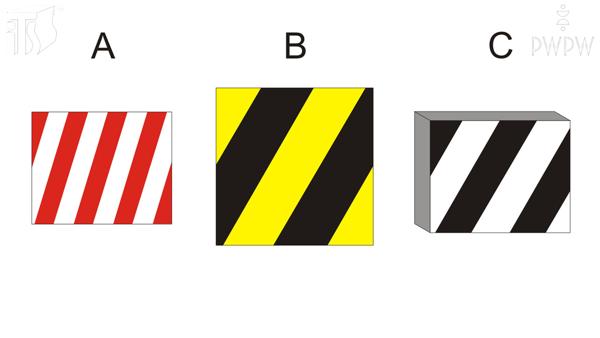
What is the penalty for a bus driver, excluding a municipal public transport bus with designated standing places, for carrying more than five persons in excess of the number of seats stated in the vehicle registration document?
A: Retention of driving licence for 3 months.