Safety factors related to vehicle, cargo and passengers
148 questions in this category
Polish traffic law has specific rules about securing cargo, maximum vehicle dimensions with loads, and passenger transport safety. Improperly secured cargo endangers both the vehicle's occupants and other road users. This category covers how cargo affects vehicle dynamics, legal requirements for cargo marking, and rules about passenger numbers and positioning.
Why This Category Matters on the Exam
Cargo and passenger safety questions appear in 1-3 exam questions, often testing specific measurements (how far cargo may project beyond the vehicle) and rules about cargo marking. While not the most heavily tested category, the specific numerical requirements make these questions easy to get wrong if you have not memorized the rules.
Common Mistakes and Tips
In Poland, cargo may project up to 10 cm beyond the side of the vehicle, and the total vehicle width including cargo must not exceed 2.55 meters. Cargo projecting more than 1 meter beyond the rear must be marked with a red flag (during the day) or a red light (at night). Items projecting forward must not extend beyond the front of the vehicle. Many candidates forget that unsecured cargo shifting during braking changes the vehicle's center of gravity, potentially causing loss of control. The maximum number of passengers must not exceed the number stated in the vehicle registration document. Transporting people in a cargo area (truck bed) is prohibited with very limited exceptions for organized groups with proper safety measures. Heavy cargo should be placed as low as possible and distributed evenly. A roof rack load raises the center of gravity and increases sensitivity to crosswinds.
When should you check the pressure in tires of a passenger car?
A: Before the beginning of a journey.
How can you carry a load on a trailer pulled by a passenger car?
B: The load must not disturb the steerability of the vehicle.
How will you carry a load on a trailer pulled by a passenger car?
A: I will secure it against moving around.
How will you carry a loose load on a trailer pulled by a passenger car?
C: Covered in a tight load-carrying platform.
How should the device used for fixing the load on a trailer pulled by a passenger car be secured?
A: It should be secured against loosening.
How should a load be placed on a passenger car?
C: It must not limit the visibility of the road.
How will you place luggage in a passenger car?
A: I will place the heaviest luggage deepest and lowest, in the central part of the boot.
How will you place a load on a trailer of a passenger car?
A: So that it does not cover the lights of the trailer.
What must not you do when driving a passenger car?
A: Pull a person on sleights behind the car.
Which of the listed ways of carrying the extinguisher in a passenger car is proper?
C: The extinguisher is mounted under the passenger seat.
What is the purpose of using the ASR system in a passenger car?
C: Preventing skidding while moving off.
What is the purpose of using the ESP system in a passenger car?
C: Stabilizing the movement of the vehicle when driving along the curve.
What is forbidden when driving a passenger car?
B: Using a phone which requires holding a mouthpiece in a hand.
Are you allowed to replace a halogen bulb in any headlight with a xenon lamp?
B: No, because it may lead to dazzling other drivers.
In what way are you allowed to carry bicycles on a passenger car?
C: Placed in holders fixed on the roof rack.
What is the purpose of using the ABS system in a passenger car?
A: Preventing losing stability and ensuring steerability of the vehicle while braking.
How many persons, including yourself, can you transport when you drive a passenger car?
C: As many persons as the number of seats specified on the registration card.
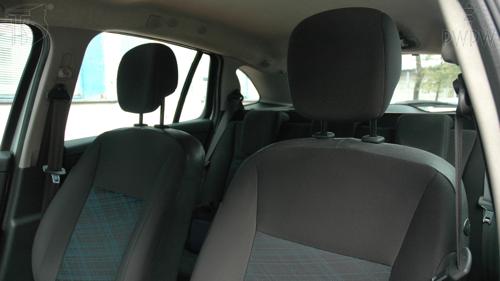
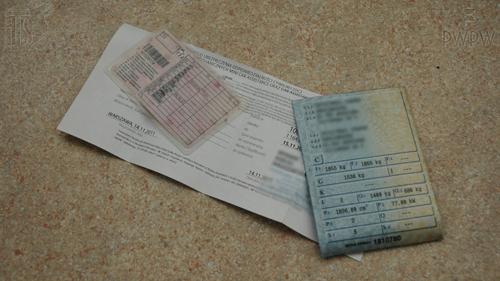
Which of the following documents specifies the permitted number of persons transported in the car?
A: The registration card.
Who is obliged to use seat belts?
C: The driver and all the passengers.
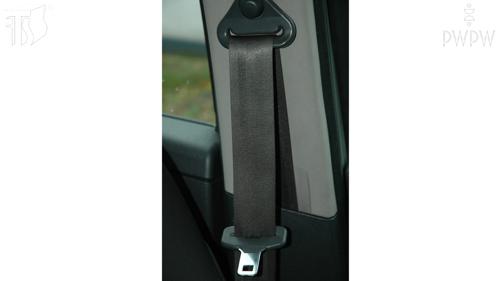
Is an adult passenger of a passenger car transported in the back seat obliged to use the seat belts?
C: Yes.
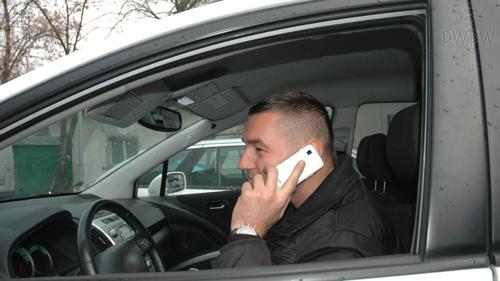
Do you violate the provisions of traffic law, if, while driving a car, you talk on a phone by holding the phone in your hand?
C: Yes, even if I hold the telephone away from my ear and I have switched on the loudspeaker mode.
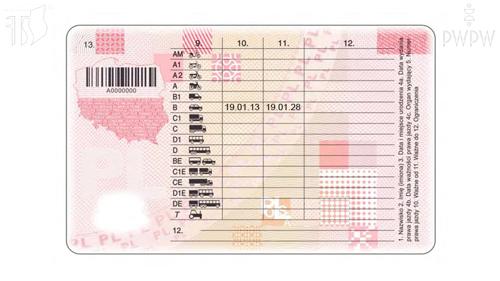
What is the maximum number of persons, including yourself, that you may transport if you have a B-category driving licence?
B: 9
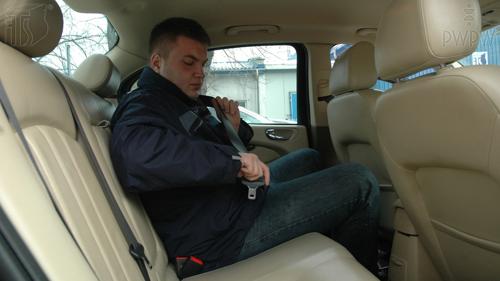
On what public roads is wearing seatbelts mandatory?
A: On all roads.
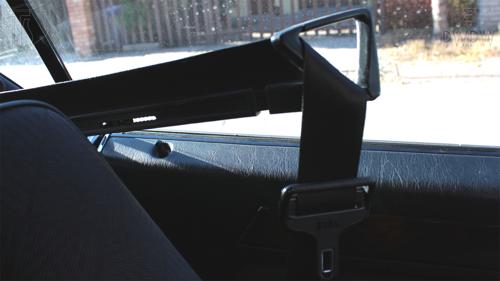
Can you transport a preschooler on the lap of an adult person?
B: No.
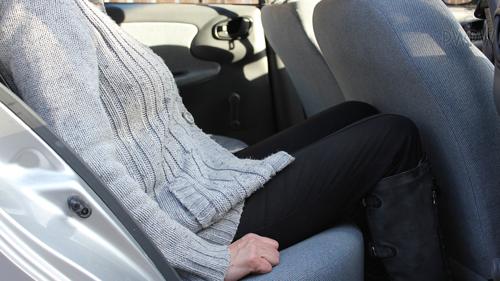
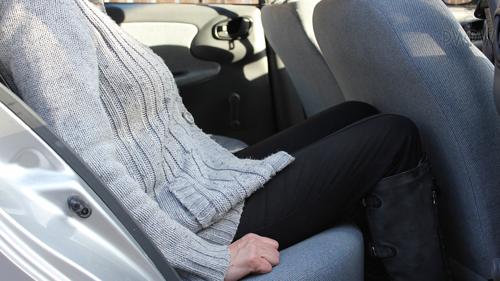
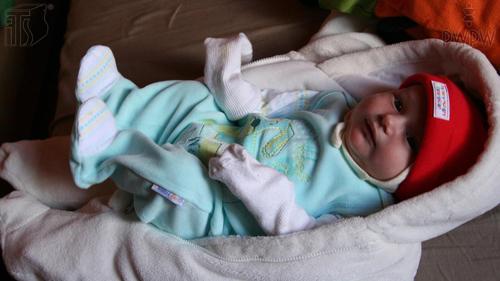
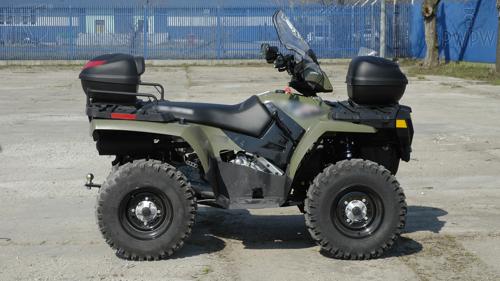
Can you, while driving a four-wheeled vehicle (microcar, quad), transport a child aged up to 6?
B: Yes, but only with the speed of up to 40 km/h.
Which of the following combination vehicles can you drive if you have a B-category driving licence?
A: A truck with gross vehicle weight of 2.5 t, with a light trailer.
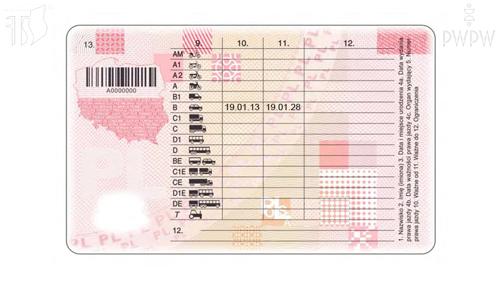
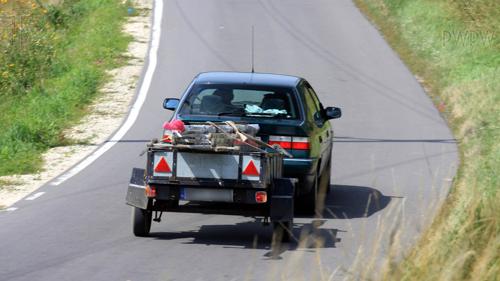
What is the maximum overhang of a load transported in a motor vehicle, counting from the rear outline of the car?
A: 2 m.
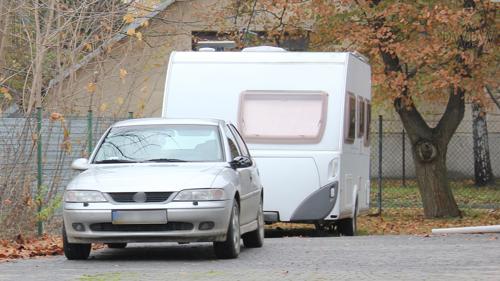
What is the maximum length of a combination vehicle consisting of a passenger car and a caravan?
A: 18.75 m.
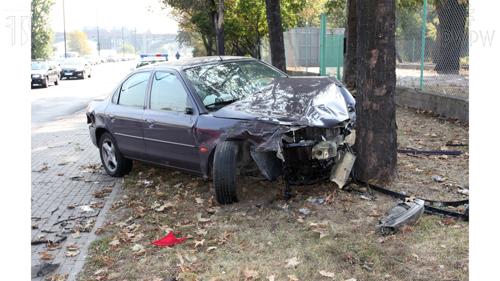
What are responsibilities of the person involved in the traffic accident in which there are victims?
C: Offer assistance to victims of the accident as well as call an ambulance and the Police.
At what distance behind a broken-down passenger car, parked on a motorway, should you place a warning triangle?
B: 100 m.
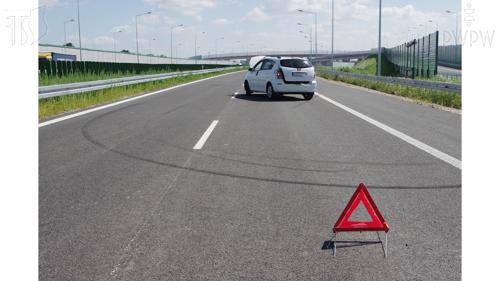
What do we call a combination vehicle?
A: A passenger car with a trailer.
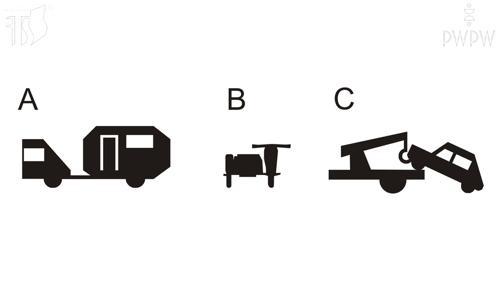
Which of the following are mandatory equipment in each passenger car?
C: A fire extinguisher.
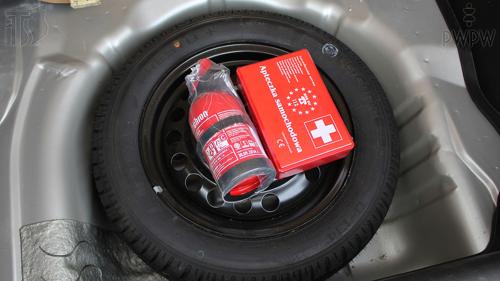
Is it permitted to move away from the car when the engine is running?
A: No.
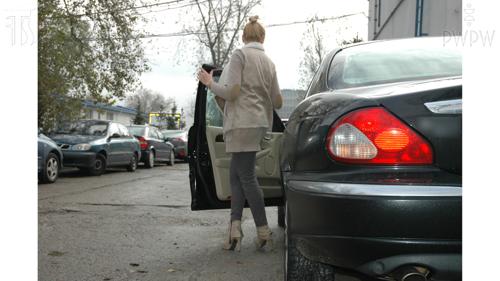
What must you not do if you're involved in an accident where there are fatalities?
A: Remove the car from the road so that it does not cause an obstacle to traffic.
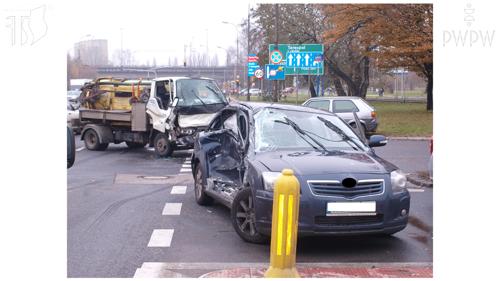
Which of the following elements belongs to the mandatory equipment of each passenger car?
B: A warning triangle.
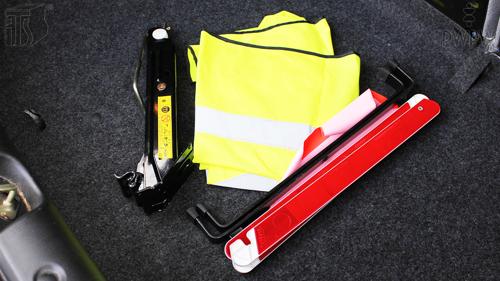
Which of the following are mandatory equipment in each passenger car?
A: A warning triangle.
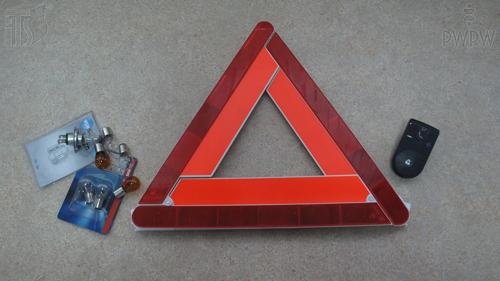
Which of the following are mandatory equipment in each passenger car?
A: A fire extinguisher.
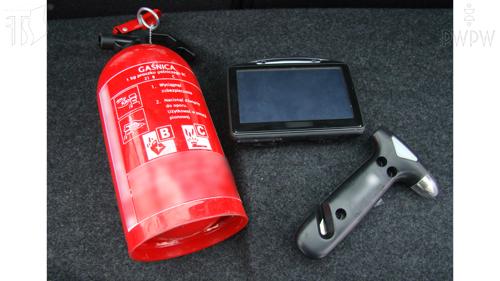
To which of the following activities aren't you allowed to use a passenger car?
C: To pull children on a sleigh.
Which of the following activities is prohibited while driving a vehicle?
C: Talking on a telephone that requires the user to hold a receiver or microphone in his hand.
What should be the colour of a flag that you use for marking a load protruding from the back of a passenger car?
C: Red.
The actual total weight of a trailer pulled by a passenger car must not exceed:
B: gross vehicle weight of the car.
You must not haul another vehicle with your passenger car:
A: on a motorway.
A hauled passenger car may be marked by:
B: placing a reflective warning triangle on the left behind the car.
Is it allowed to tow a passenger car on the highway to the nearest exit or rest area?
A: No.
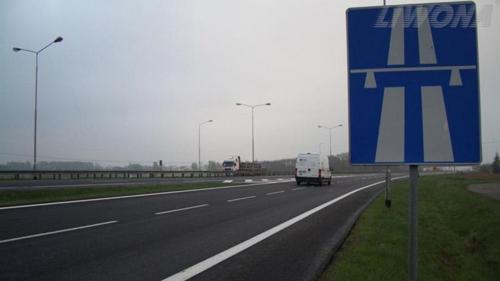
Is it allowed to tow a vehicle using a rigid coupling if the vehicle has a faulty steering wheel system?
A: No.
Whe transporting a 6-year-old passenger on a moped, are you allowed to travel at a speed of 50 km/h?
C: No.
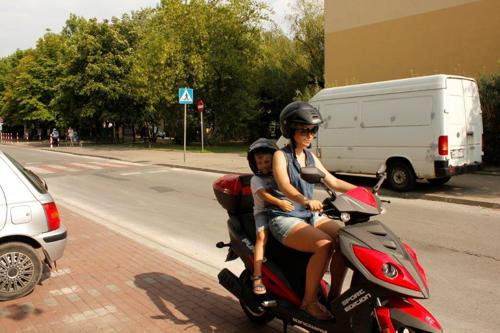
What is the maximum permissible length of the combination vehicle consisting of a truck with a GVWR up to 3.5 tons and a caravan?
B: 18.75 m.
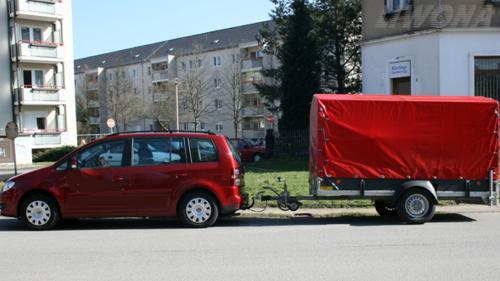
Which of these circumstances is the proper way of transporting cargo on a trailer pulled by a passenger car?
A: The cargo is protected from moving.
How should you transport cargo in a trailer pulled by a passenger car?
C: The cargo cannot have any effects on the stability of the vehicle.
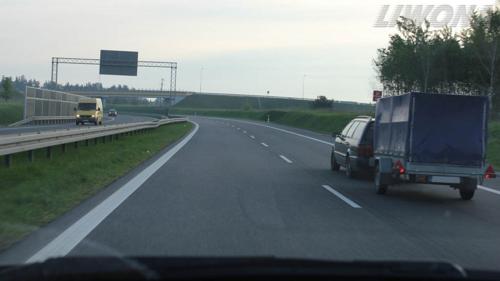
When towing a motocycle, should the two braking systems be in good working order?
B: Yes.
How do you install a child safety seat in your vehicle?
C: As recommended by the device manufacturer.
How will you install a child restraint in the vehicle to transport a child?
C: As recommended by the device manufacturer.
What conditions must be met by a passenger car with which you want to transport a child under the age of three?
A: It must be equipped with seat belts and a safety seat.
What should you consider when choosing a safety seat or child restraint system for transporting a child?
B: The appropriate technical specifications for these devices.
What conditions must be met when transporting a child in the back seat of a passenger car?
A: The child being carried is at least 135 cm tall and fastened only with seat belts, as the weight and height precludes carriage in a safety seat or other child restraint systems.
What conditions must you meet if you wish to carry a child in the rear seat of a passenger car?
C: The child being carried is at least 135 cm tall and is only fastened with seat belts, as the weight and height precludes carriage in a child restraint system.
What do you have to do to carry a three-year-old child in the rear seat of a passenger car with two children already sitting in safety seats and it is impossible to install a third safety seat?
A: You must secure the child with a seat belt.
What must you do if you want to carry a three-year-old child in the rear seat of a passenger car with two children already sitting in child restraints and it is impossible to install a third device?
B: You must secure your child with seat belts.
Which of the following conditions besides a safety seat or other restraint system must be met for a child less than 150 cm tall to be transported in a passenger car?
B: The child has a medical certificate stating that it should not be transported in a safety seat or other device.
What documents are you obliged to carry with you and present at the request of the competent authorities during roadside inspections?
B: Receipt of retention of the registration document for the period it authorises the use of the vehicle.
What documents are you obliged to carry with you and present at the request of the competent authorities during roadside inspections?
B: Receipt of temporary permission for the period it authorises to use the vehicle.
What documents are you obliged to carry with you and present at the request of the competent authorities during roadside inspections?
B: Receipt of retention of the registration document for the period it authorises the use of the vehicle.
What documents are you obliged to carry with you and present at the request of the competent authorities during roadside inspections?
A: Receipt of temporary permission for the period it authorises to use the vehicle.
What documents must you carry with you and present at the request of a competent authority when driving a vehicle registered abroad in the territory of the Republic of Poland?
A: A document certifying that the vehicle is roadworthy.
What documents are you obliged to carry with you and present at the request of a competent authority when driving a vehicle registered abroad in the territory of the Republic of Poland?
B: Document confirming the conclusion of a compulsory civil liability insurance contract by the vehicle owner.
What documents are you obliged to carry with you and present at the request of a competent authority when driving a vehicle registered abroad in the territory of the Republic of Poland?
B: Proof of payment of the premium for the compulsory civil liability insurance.
What documents do you have to carry with you and present at the request of the relevant authority during a roadside inspection?
B: A different document certifying the right to drive other than a national driving licence.
What documents are you obliged to carry with you and present at the request of the relevant authority during roadside inspections?
B: A driving license retention receipt for the period it permits the driver to drive.
What documents are you obliged to carry with you and present at the request of the relevant authority during roadside inspections?
B: A driving licence retention receipt for the period it permits the driver to drive.
What document are you obliged to carry with you and present at the request of a competent authority?
B: A document certifying the right to drive a vehicle other than a national driving licence.
For which road traffic violation will a police officer withhold a driving licence?
C: For driving a vehicle at a speed exceeding the speed limit by more than 50 km/h in a built-up area.
For which road traffic violation will a police officer withhold a driving licence?
B: For transporting two passengers in excess of the number of seats specified in the passenger car registration document.
For which road traffic violation will a police officer retain a driving licence?
B: For transporting two passengers in excess of the number of seats specified in the temporary permit of a passenger car.
What is the validity of a Polish driving licence retention receipt issued to you by a police officer for exceeding the speed limit by more than 50 km/h in a built-up area?
B: 24 hours.
What is the validity period of a driving licence retention receipt issued by a police officer for transporting two passengers in excess of the number of seats specified in the passenger car registration document?
B: 24 hours.
How much longer will the starost extend the retention period of your driving licence if you have been stopped for control while driving despite your driving licence having been previously withheld for three months for exceeding the speed limit by more than 50 km/h in a built-up area?
C: For a further three months.
What decision will the starost take if you have been stopped for inspection while driving despite the extension of your driving licence to six months for exceeding the speed limit by more than 50 km/h in a built-up area?
C: The starost will revoke your right to drive.
What decision will the starost take if you have been stopped for control while driving despite the extension of your driving licence retention period to six months for carrying two passengers in excess of the number of seats specified on the passenger car registration document?
C: The starost will revoke your right to drive.
What will a police officer do if, during a roadside inspection,it is established that you have exceeded the speed limit by more than 50 km/h in a built-up area, but this was done in order to save someone's life?
C: Will not withhold your driving licence.
What will happen if a police officer discovers during a roadside inspection that you have exceeded the speed limit by more than 50 km/h in a built-up area, but that this was done in order to save somebody's life?
C: The police officer will refrain from retaining your driving licence.
You want to transport a child in the front seat of a vehicle fitted with a front passenger airbag that is active. How would you proceed?
B: Carry the child in a forward-facing safety seat.
Are you warned in this situation of a possible encounter with wild animals on the road?
A: Yes

Should you in this place, anticipate cars entering on to the dedicated track?
A: Yes
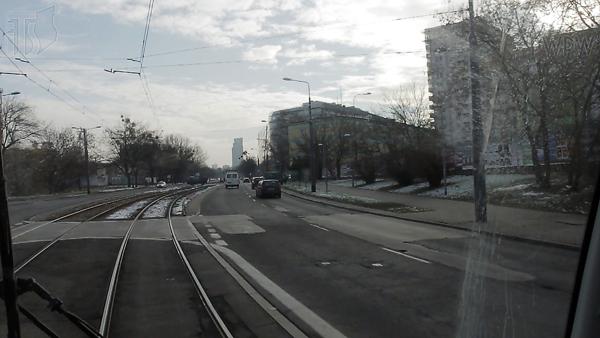
When driving a tram, should you anticipate that the children playing nearby the tracks may behave unpredictably and it will be necessary to reduce the speed or stop the vehicle?
A: Yes

In this situation, should you anticipate that the driver may enter the track, thus blocking the crossing?
A: Yes

When you see a pedestrian behaving in such a manner, should you apply the principle of limited trust?
A: Yes

What effect does residual material on the tracks originating from wet leaves induce?
C: It increases the possibility of skidding.
How does the presence of leaves in the trackway affect the behaviour of the tram.
B: It reduces grip.
What effect does the initial phase of the rainfall have on the condition of the trackway?
B: It poses a threat to skidding during start-up and braking.
When does rainfall have the greatest impact on the start-up and braking of the tram?
A: In the initial phase.
What increases the risk of a tram skidding?
C: Wet leaves covering the trackway.
In which season of the year are the conditions most difficult to drive a tram?
C: Autumn.
"Sweating the rails" phenomenon consists in:
B: moisture settling on cooled rails, mainly in the autumn.
If you ride on a motorway and are not performing any manoeuvres, should you observe the road behind the motorcycle?
B: Yes, by looking in the mirrors.
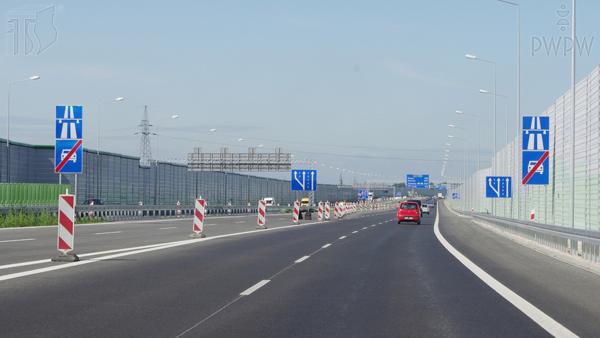
What may limit your field of vision when you ride a motorcycle?
A: Incorrectly-fitted glasses and helmet.
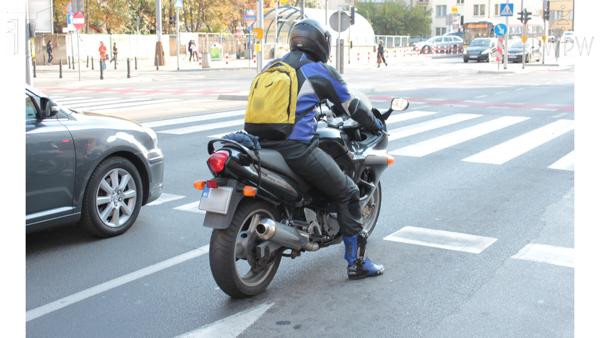
Where do you look when turning on a motorcycle?
C: In the direction you intend to go.
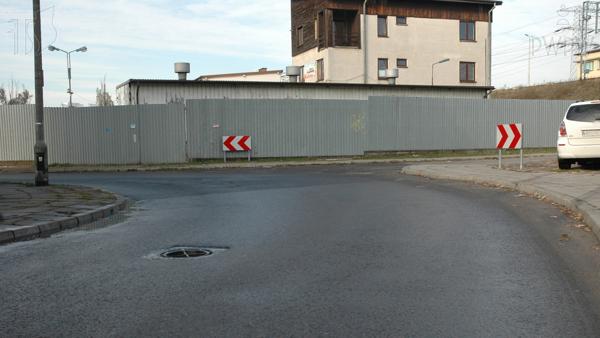
If you ride outside a built-up area and you do not make any manoeuvres, should you observe the road behind your moped?
B: Yes, by looking in the mirrors.
What may limit your field of vision when you ride a moped?
A: Incorrectly-fitted glasses and helmet.
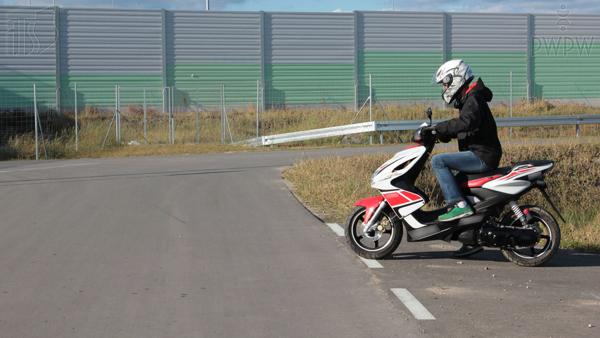
Where do you look when turning on a moped?
C: In the direction you intend to go.
If you go straight in a tractor with a trailer, what should you see in properly-adjusted external mirrors?
B: The area behind the combination vehicle, on both sides, and the edge of the trailer.
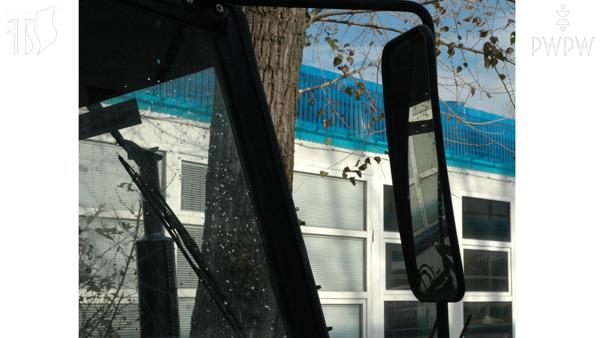
How should you observe the surrounding area while driving a tractor with a trailer forward?
C: By looking ahead and, from time to time, observing the road behind the combination vehicle in rear-view mirrors.
What factors may obstruct a truck driver's field of vision?
B: Flashing lights with the name of the driver placed on the windscreen.
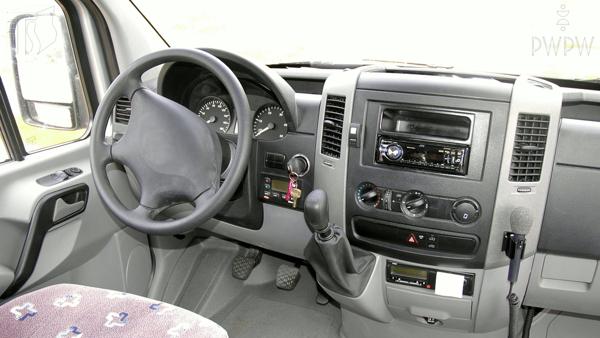
Can an increase of speed affect a truck driver's perception?
A: Yes, a higher speed causes a change of perception.
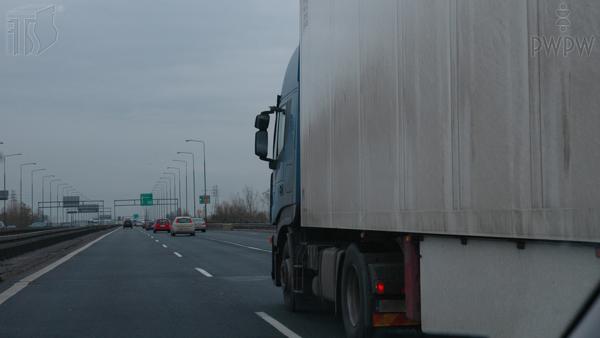
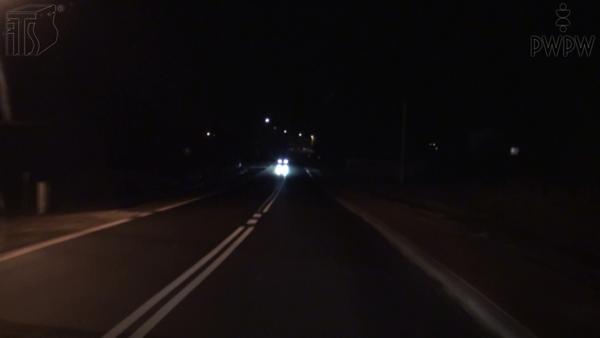
What factors may affect the proper observation of the road while driving a truck at night?
A: Inability to distinguish shapes in the dark and sensitivity to being blinded.
While driving a truck, what should you see in properly-adjusted external mirrors ("rear-view mirrors")?
B: The area behind the truck and the sides of the truck.
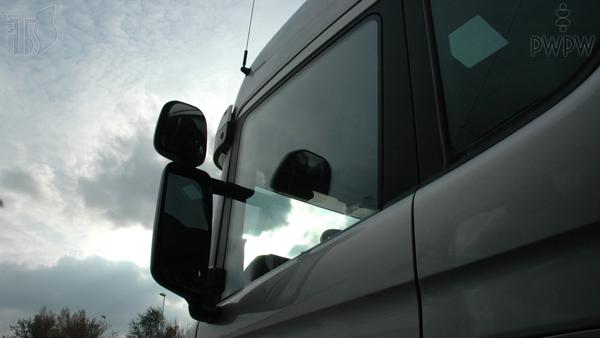
What factors may obstruct the field of vision of a truck driver?
B: Flashing lights with the name of the driver placed on the windscreen.
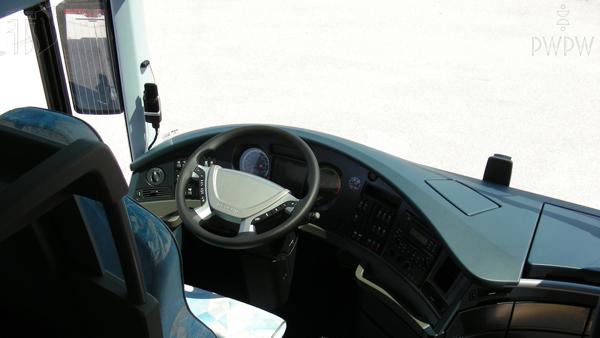
Which of the following factors may affect a bus driver's ability to observe the road?
A: Tiredness, reducing the efficiency of sight.
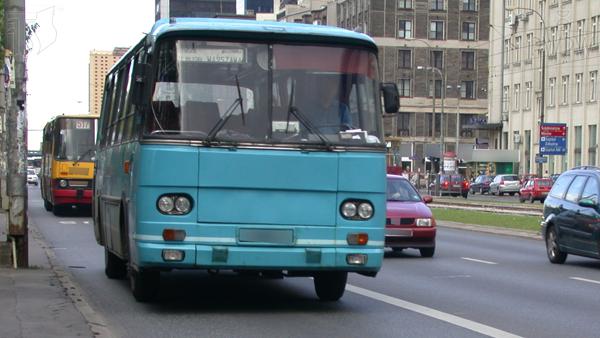
What factors may affect a proper observation of the road while driving a bus at night?
A: Inability to distinguish shapes in the dark and sensitivity to being blinded.
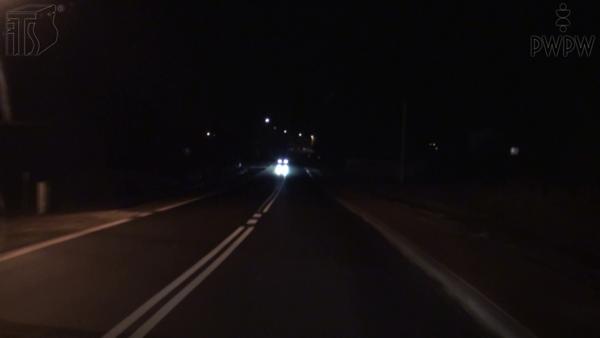
While driving a bus, what should you see in properly-adjusted external mirrors ("rear-view mirrors")?
B: The area behind the car and the sides of the car.
In this situation, are you obliged to exercise particular caution?
A: Yes
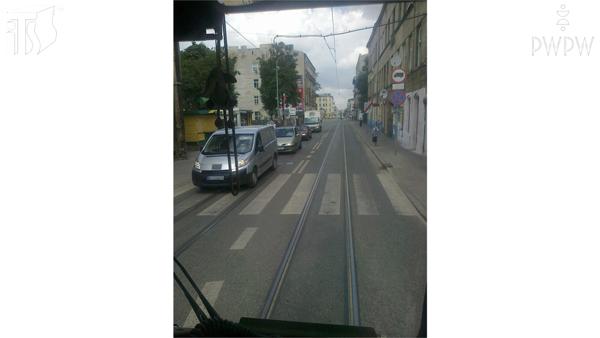
In what situation, is it most difficult to assess the distance from a vehicle being passed or parked?
C: When the roadway or track is covered in snow.
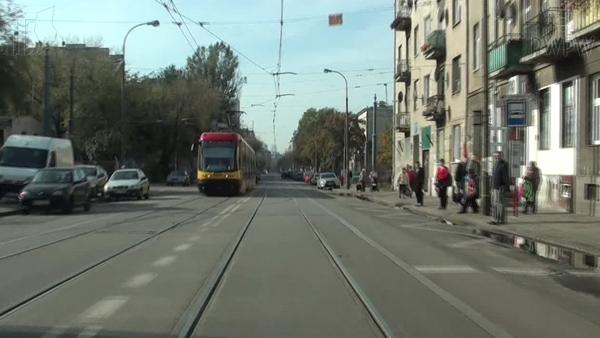
What could be the reason for excessive skidding?
A: Leaves lying on the rails.
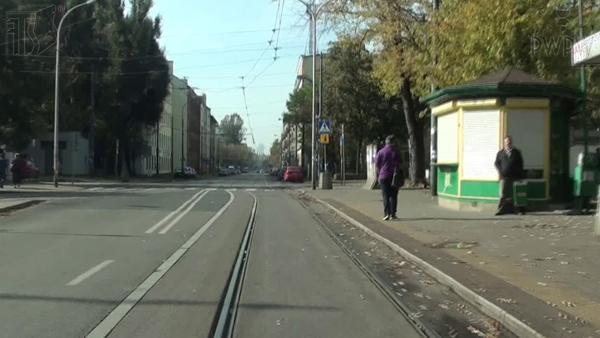
What could be the reason for excessive skidding of the tram during start-upand braking?
A: Black rail "fen soil".
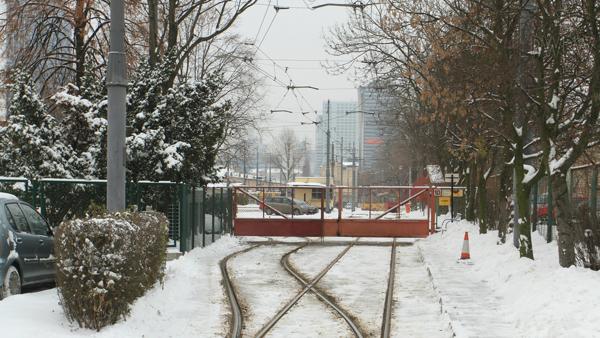
What factors might limit the tram driver's field of vision?
A: Persons in the cabin.
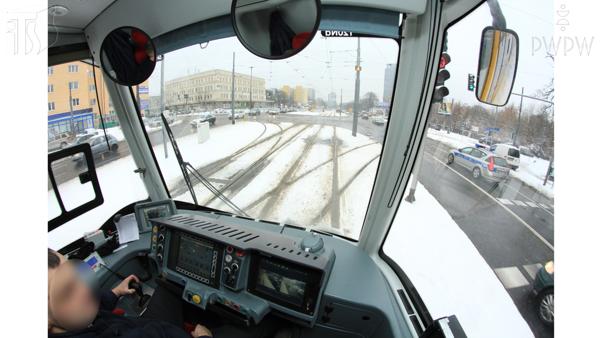
Which of the mentioned factors may have an impact on reducing the driver's field of vision?
B: Persons in the cabin.
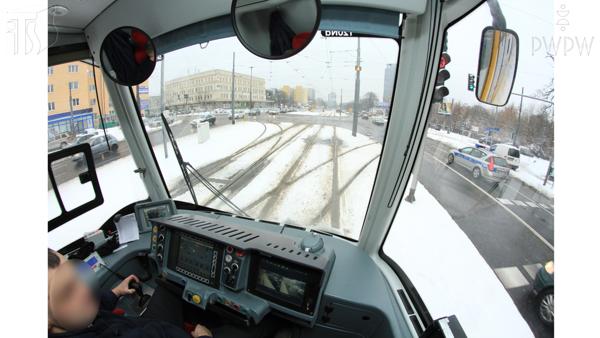
Can the increase in speed have an impact on the perception of the tram driver?
A: Yes, a higher speed results in a change of perception.
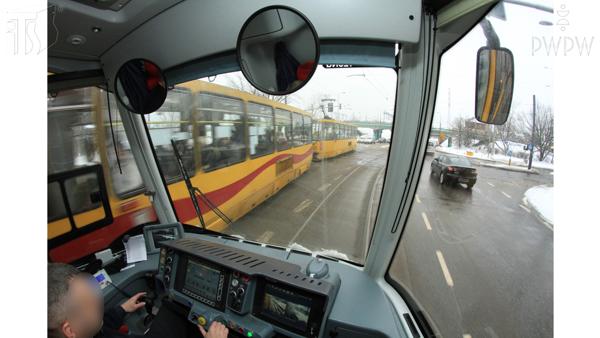
What factor may impede proper observation of the road while driving a tram at night?
A: Inability to distinguish shapes in the dark.
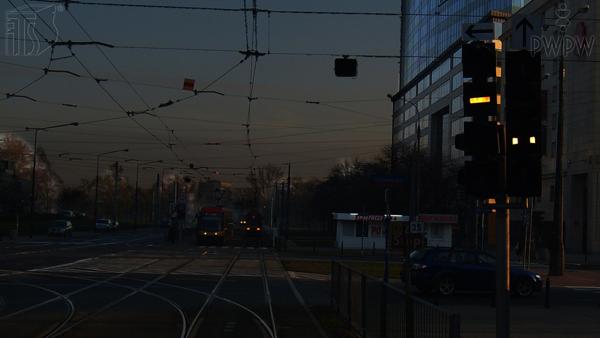
What can you expect while braking forcefully in these road conditions?
C: Decreased traction of the wheels to the road.
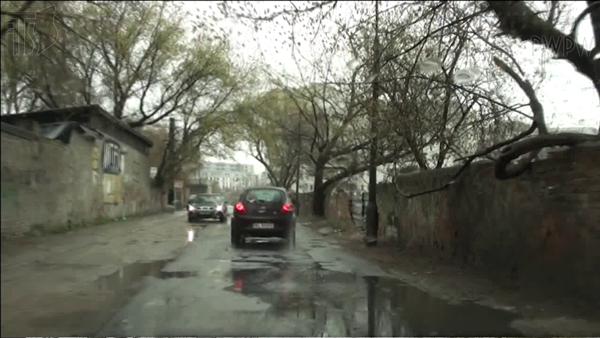
If, at night, you pass another car lighting the road with its lights, can this stop you from noticing any obstacles on the road?
A: Yes, because there is a possibility of being temporarily blinded by the lights.
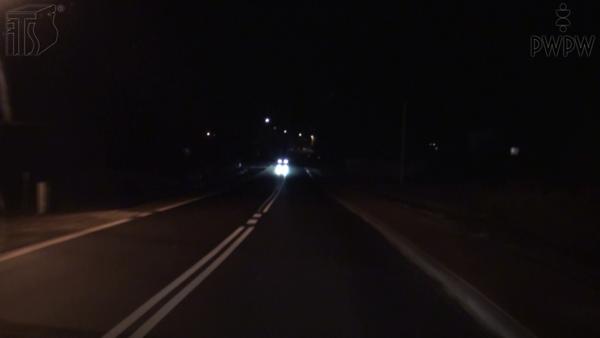
Should you be more alert when you're driving at night?
A: Yes, because visibility at night is limited.
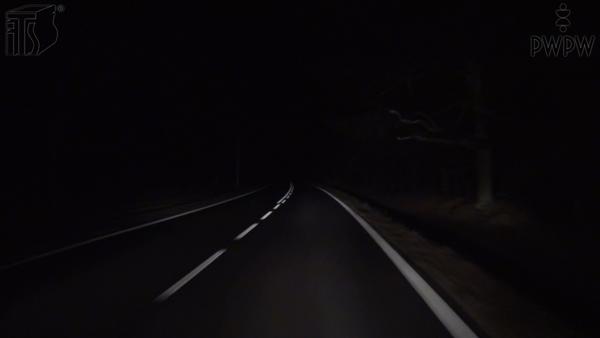
Which of the following factors may affect the observation of the road by a driver of a farm tractor?
A: Tiredness, which strains vision.
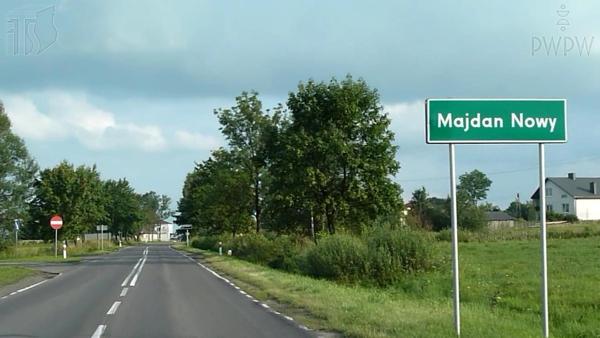
What factors may be an obstacle for proper observation of the road by a driver of a farm tractor driving at night?
A: Inability to distinguish shapes in the dark and sensitivity to being blinded.
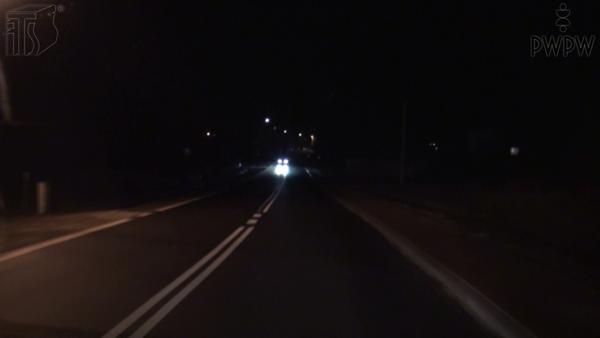
What can you expect during sudden braking in these road conditions?
C: Decreased traction of the wheels to the road.
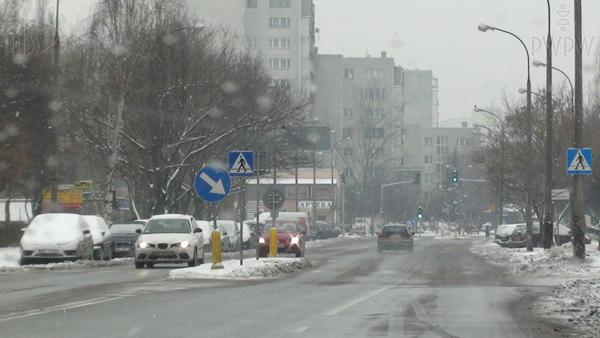
Which of the following factors can limit your field of vision on the road when riding a motorcycle during the day?
A: Ill-fitted helmet.
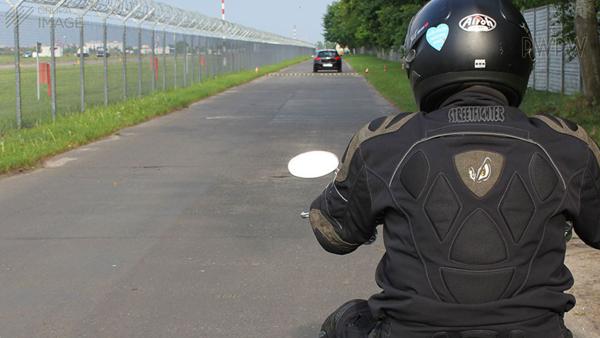
With increasing speed of the vehicle the motorcyclist’s angle of view:
B: decreases.
You are riding a motorcycle from behind the acoustic screen which ends on the left side of the road. In this situation should you expect:
A: a gust of wind from the left side of the road.
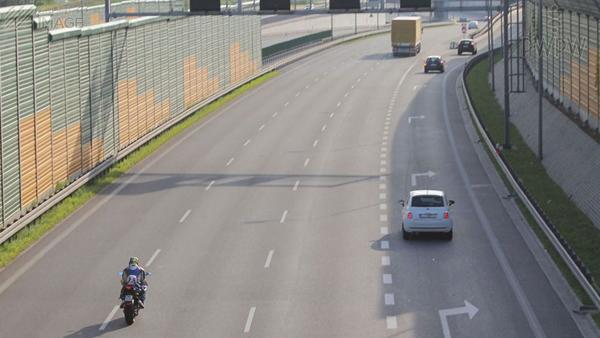
You are riding a motorcycle. What danger should you expect when passing an oncoming bus?
C: A gust of wind first towards the right edge of the road and then towards the middle.
Which of the following effects should you take into account during a long ride on a single-track vehicle in sodden clothes?
B: Overcooling of the body.
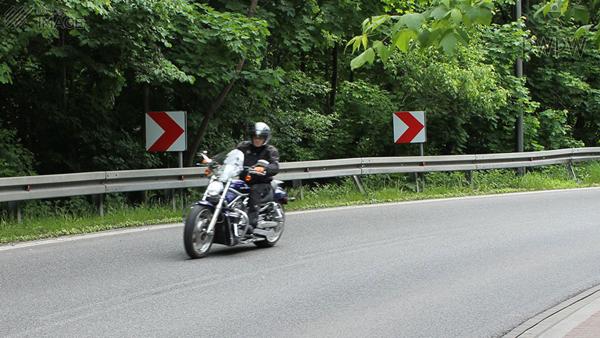
Appropriately adjusted external mirror of an agricultural tractor shows:
B: a part of the vehicle side and the area behind the vehicle corresponding to the vehicle side.
Which of the following factors can cause incorrect assessment of the situation on the road by the bus driver?
C: Very bad weather conditions.
A properly adjusted external mirror on the bus shows:
C: A part of the vehicle side and the space behind it corresponding to the vehicle side
How can you improve visibility when approaching a turn with limited visibility on the right?
A: I'll go close to the axis of the roadway.
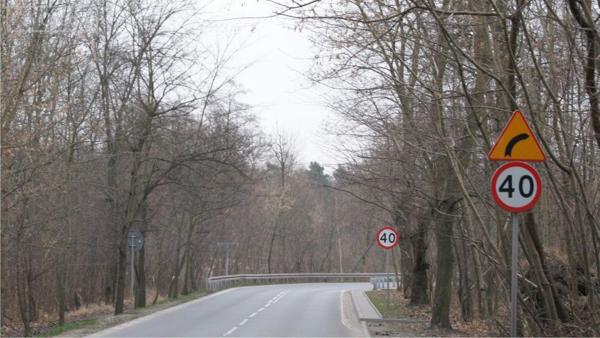

Are you obliged to maintain cautious approach towards pedestrians walking on the pavement?
B: No

In this situation, should you adopt a cautious approach to the pedestrian?
A: Yes

In this situation, should you assume that a road worker may unexpectedly step onto the road from behind a vehicle undertaking road repair work?
A: Yes
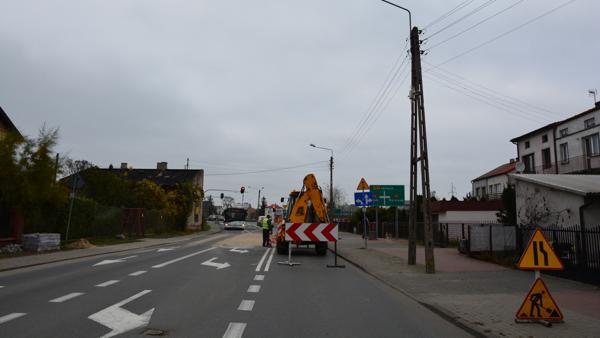
In this situation, are you exempt from the obligation to apply a cautious approach to children, because they are in the care of an adult?
B: No
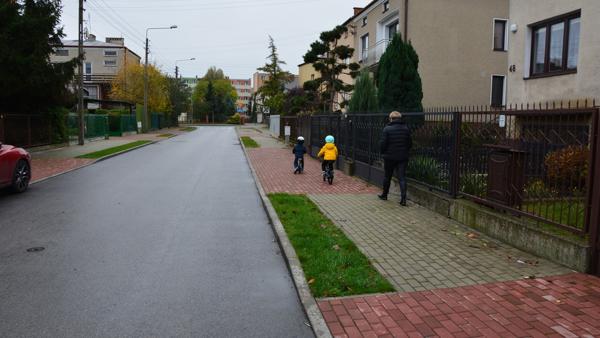
In this situation, should you keep a close eye on pedestrians and adopt a cautious approach towards children?
A: Yes
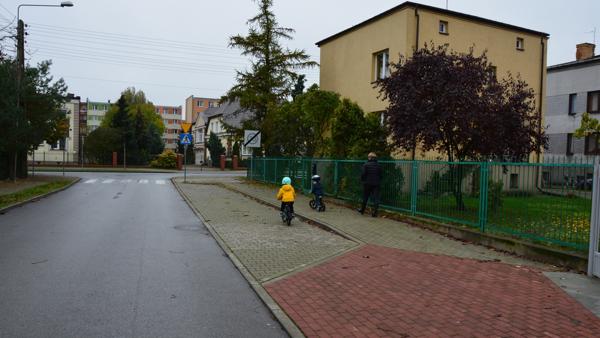
In this situation, should the driver anticipate that a child might suddenly run onto the road from behind the vehicle?
A: Yes
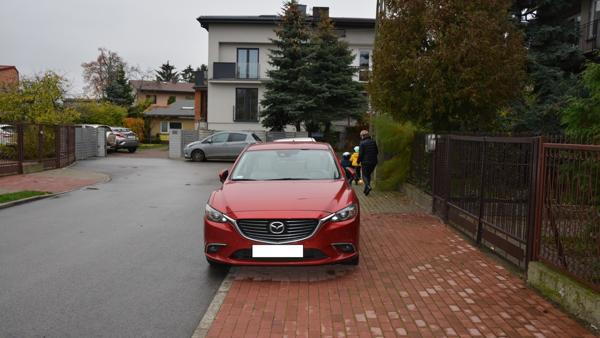
Should you be extra careful when driving at dusk and in cloudy conditions?
B: No

When seeing the drunk person in this situation will you refrain from overtaking the vehicle?
A: Yes
.jpg)